

Anyone who has circled a national park trailhead lot for forty minutes on a Saturday morning knows the particular frustration of peak-season parking. You drove hundreds of miles for a canyon or a glacier, and somehow the defining experience becomes a slow crawl through a jammed asphalt lot. It doesn’t have to be that way.
Shuttles have been quietly solving this problem at parks across the country for decades, and the case for using them is only getting stronger as visitation records keep falling. Learning when to step out of your car and into a free bus might be the single most underrated habit in national park travel.
The Scale of the Parking Problem Is Bigger Than Most Visitors Realize

A record 331.9 million people explored the National Park System in 2024, and the pressure they place on park infrastructure is not evenly distributed. Half of all recreation visits occur in the top 25 most-visited parks, and while significant congestion tends to concentrate in a dozen or so of those marquee destinations, other parks with lower annual visitation have also experienced congestion and traffic issues in recent years.
The crowd problem often isn’t the whole park – it’s a handful of overlook pull-offs and trailhead lots that fill by mid-morning and stay that way until late afternoon. That’s a specific, solvable problem, and the shuttle is usually its most elegant solution.
How Widespread Shuttle Networks Actually Are
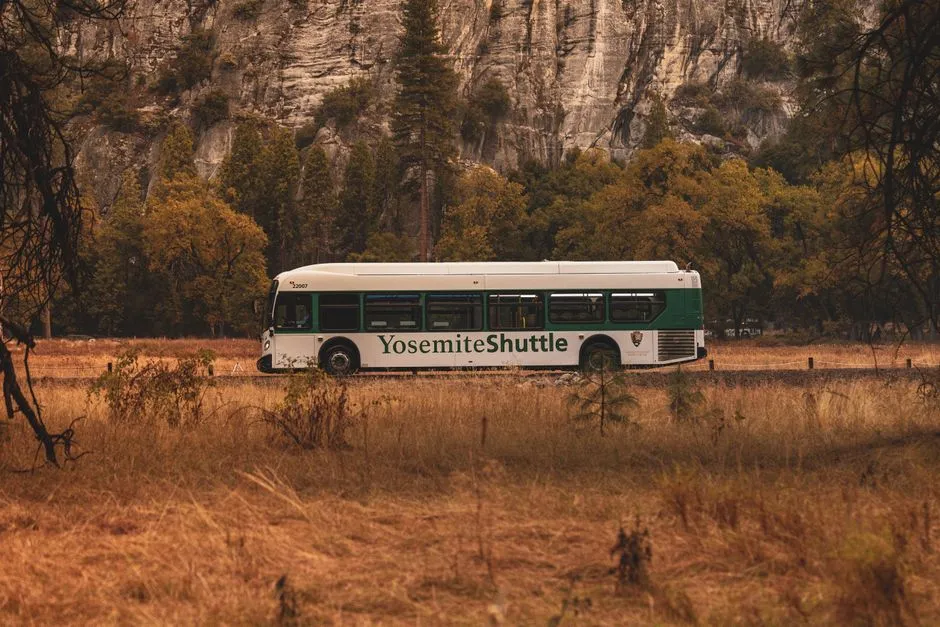
In 2024, the NPS had 96 transit systems across 58 parks nationwide, recording 32.6 million passenger boardings. That number represents a remarkable range of terrain and park types, from desert canyons in Utah to rocky coastlines in Maine. Shuttles, buses, vans, and trams account for roughly half of all those transit systems, with boats, ferries, trains, and other modes making up the rest.
The parks with transit systems recording over a million boardings include Zion National Park, Grand Canyon National Park, the Statue of Liberty National Monument, Alcatraz at Golden Gate, and Pearl Harbor National Memorial. These are not niche experiments. They are deeply embedded parts of how millions of people experience some of America’s most beloved places.
Zion: The Gold Standard for Shuttle Travel
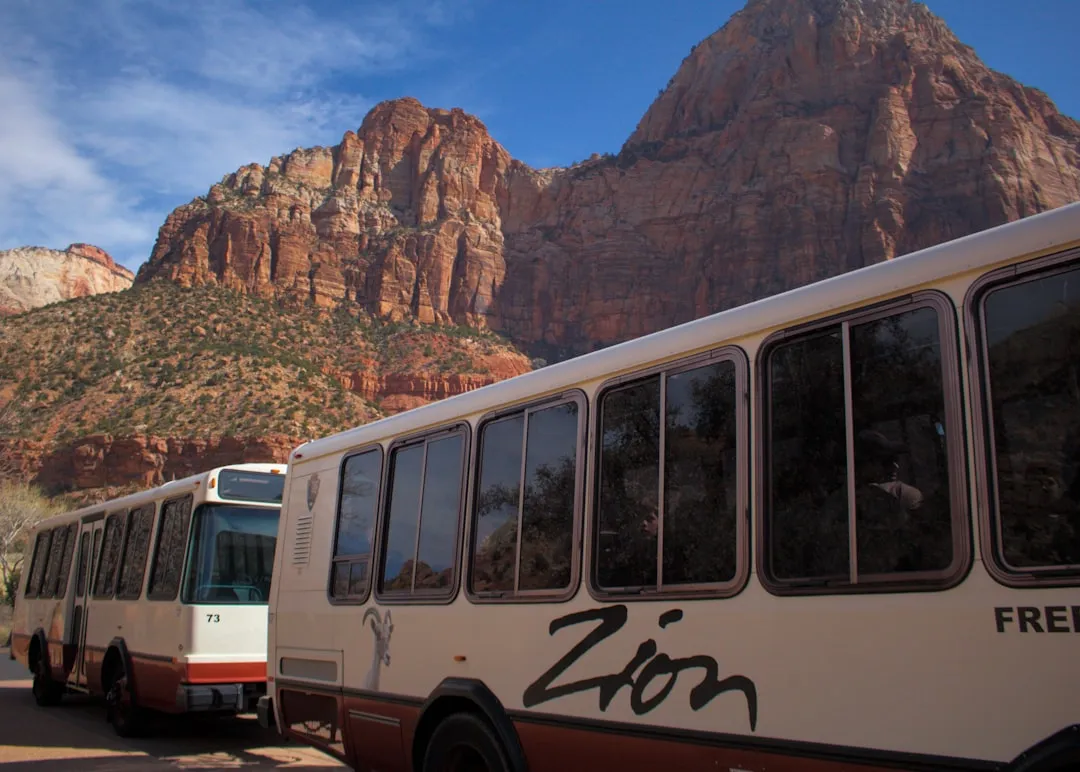
The Zion Canyon Shuttle System was created specifically to address traffic congestion, increasing visitation, and resource impacts in Zion Canyon. The park first launched its shuttle system in 2000 to address 2.4 million annual visitors, a number that has since grown to five million. To further reduce traffic and benefit visitors and wildlife through reduced emissions and noise pollution, Zion transitioned to an all-electric fleet of 30 buses in 2024.
Unlike other parks where shuttle use is optional, Zion’s system is mandatory for visitors who want to access the canyon between March and November. That’s a meaningful distinction. Shuttle buses provide service for millions of riders a year and have successfully reduced traffic congestion and crowding so that visitors can enjoy Zion Canyon. In 2024, the Zion shuttles recorded 5.1 million boardings.
Zion Goes Electric: A New Chapter in Park Transit
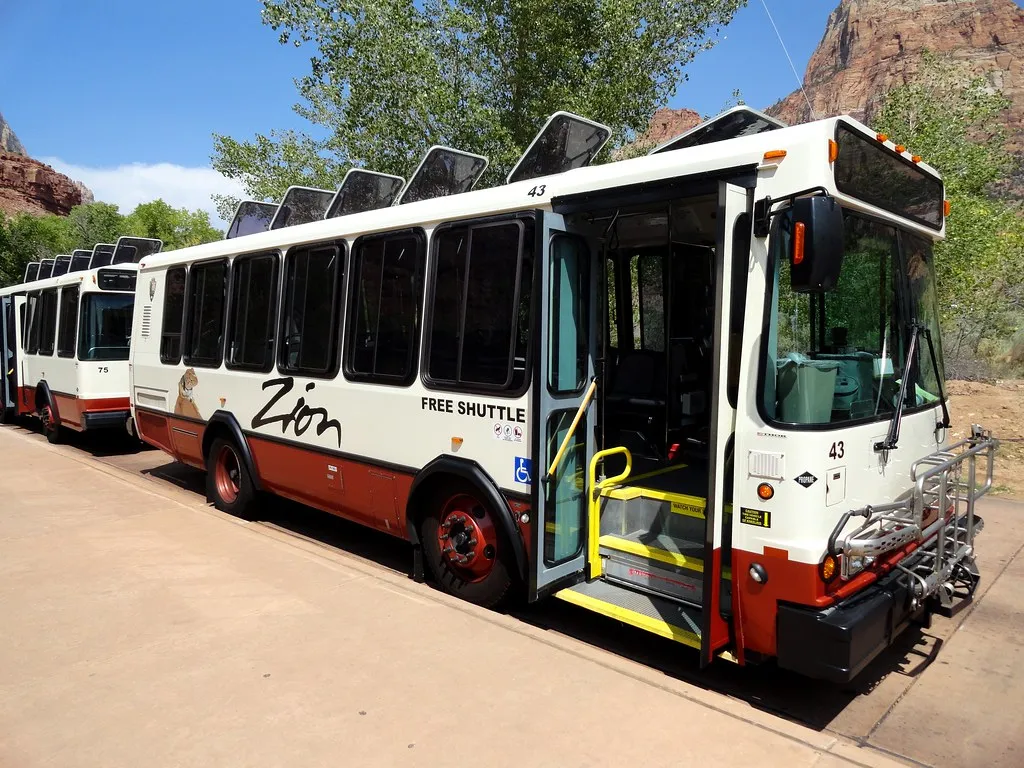
In September 2024, Zion National Park unveiled the first all-electric transit fleet in the National Park Service. The switch was years in the making. The park’s popular shuttle system now has 30 electric vehicles, replacing propane-powered buses that had carried an estimated 95 million visitors up and down Zion Canyon since 2000.
Zero-emission buses improve the visitor experience with higher total capacity on board and quieter operations as the vehicles move through the park. For anyone who has ridden the older propane fleet, the difference in ambient noise is immediately noticeable. While Zion is the first park in the National Park System to transition to a fully electric transit fleet, the NPS is actively working to transition large bus fleets at Grand Canyon, Acadia, Yosemite, Bryce Canyon, and Harpers Ferry national parks.
Acadia’s Island Explorer: Free Buses, Spectacular Routes

Acadia National Park’s beloved Island Explorer buses have been operating since 1999, and despite route expansions and a substantial increase in ridership, service is still free – carrying 506,868 passengers in 2025. Few park transit systems manage to be this well-loved while remaining entirely no-cost to riders. The propane-powered buses now run on 13 routes, stopping everywhere from the Bar Harbor airport to Hulls Cove Visitor Center and area campgrounds.
Bryce Canyon and Zion National Park have also seen significant reductions in vehicle usage within their park boundaries thanks to their shuttle services. Acadia fits into the same successful model – a park-gateway partnership that genuinely keeps cars off scenic roads and out of fragile landscapes. The shuttle habit here doesn’t feel like a concession; it feels like part of the experience itself.
Rocky Mountain: A Case Study in Shuttle Logic
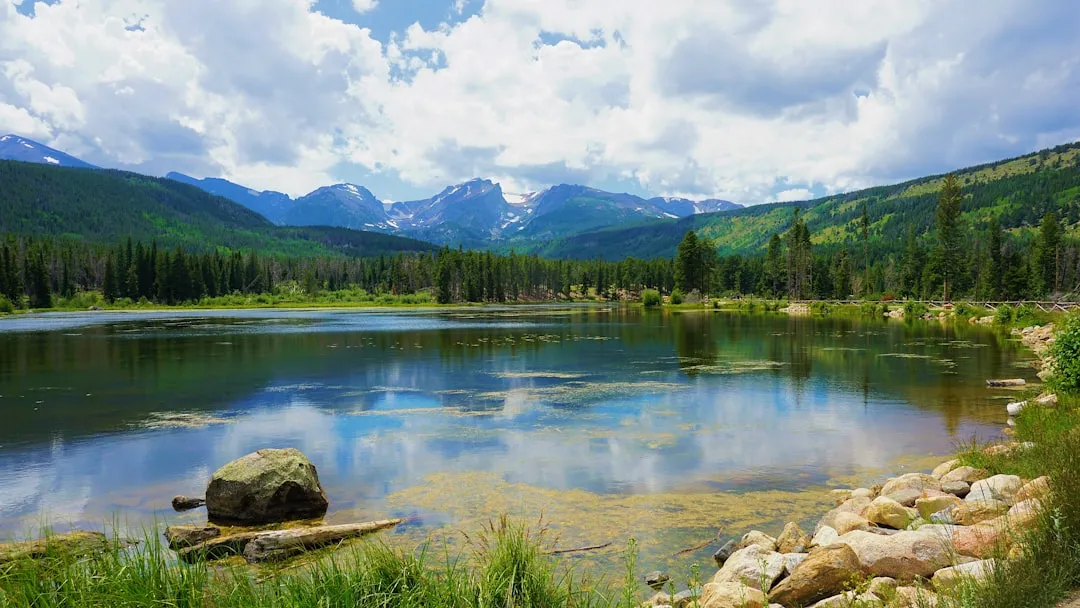
Rocky Mountain National Park was the fifth most popular park in the country in 2024 with nearly 4.2 million visitors, many of whom head to the popular eastern side closest to Denver, where the park’s popularity can lead to congestion – especially at smaller parking lots in Moraine Park and along Bear Lake Road.
That’s why the park offers a free shuttle service in the summer months to help visitors reach trailheads and viewpoints without the hassle of searching for a parking spot. The Bear Lake corridor is exactly the kind of pinch point where shuttles shine. Trailhead lots there fill fast, and arriving by bus means stepping directly onto the trail rather than looping back from a distant overflow area.
Glacier’s Evolving Strategy in 2026
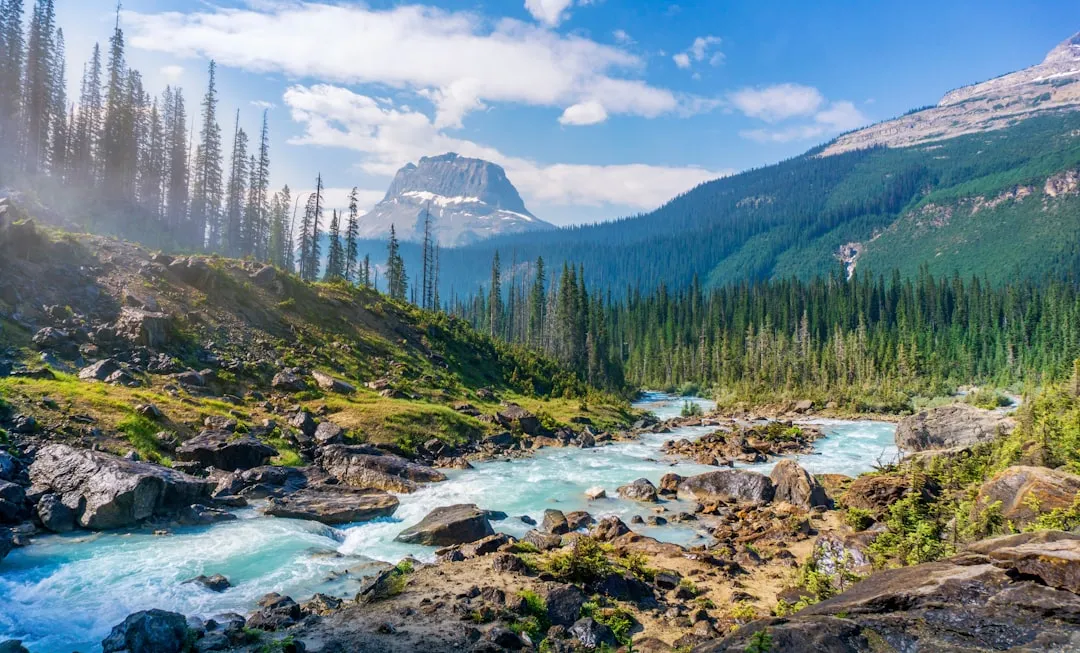
Glacier National Park administrators are crafting a long-range strategy that doubles down on a proposal to shore up the park’s overburdened shuttle network and expand parking in the Going-to-the-Sun Road corridor. The park has been testing different access approaches since post-pandemic crowding reached a tipping point. Visitors to Glacier in 2026 will not need park-wide vehicle reservations, though NPS says the park will continue targeted congestion management in high-demand corridors, including active management of Going-to-the-Sun Road, parking limits at Logan Pass, and temporary vehicle diversions if safety thresholds are reached.
Among the changes visitors will encounter in 2026 is a new reservation-only shuttle system. The direction is clear: Glacier is shifting the weight of access management toward transit rather than broad vehicle restrictions. For visitors willing to book a shuttle seat in advance, the reward is a stress-free approach to one of the continent’s most dramatic mountain roads.
The Environmental Math Behind Using the Shuttle
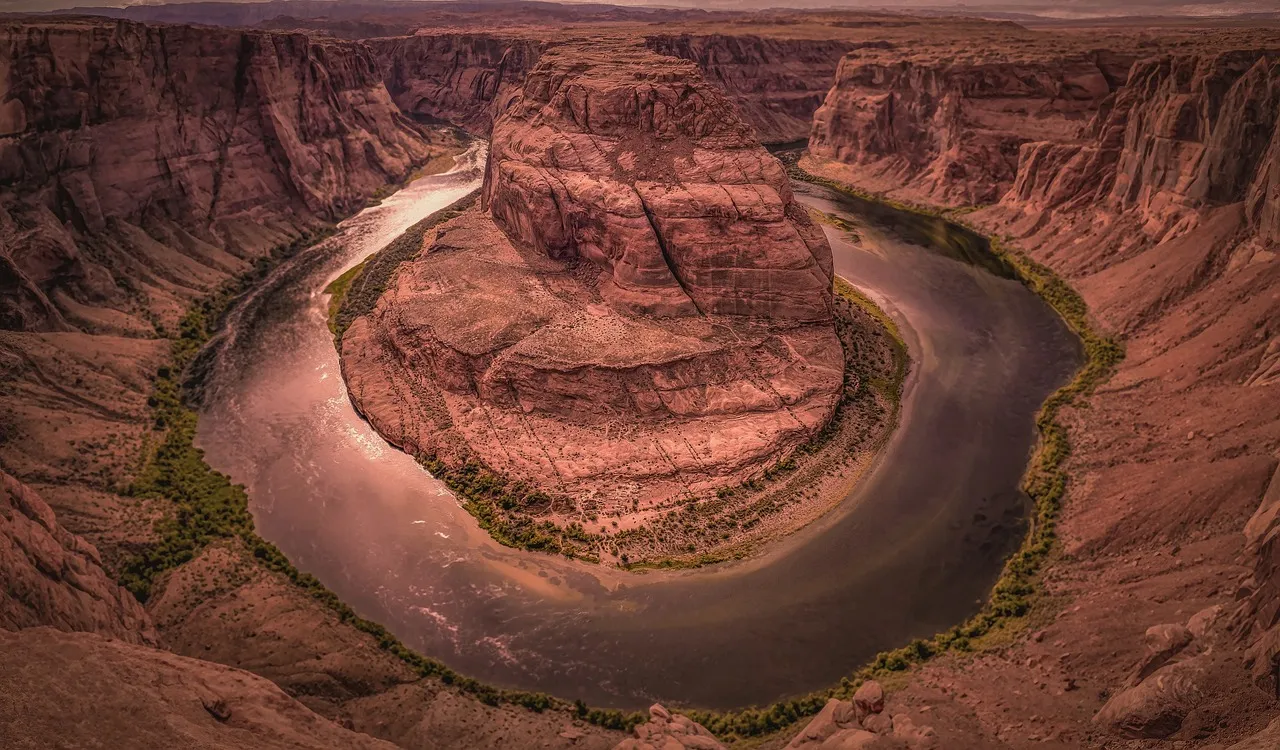
Transit use in parks reduced the number of miles driven by visitors in park, equating to 234 million fewer miles driven. That’s a meaningful figure, not an abstraction. Fewer vehicle miles inside a park translates directly into cleaner air at canyon bottoms, less road noise disturbing wildlife corridors, and reduced wear on narrow mountain roads never designed for modern traffic volumes.
A 2025 study found mitigation of 41 tons of air pollutants and 27,000 tons of greenhouse gas emissions attributable to national park transit systems. Shuttle services between gateway communities and national parks are helping parks manage traffic as park visitation increases. The environmental benefit and the visitor benefit here aren’t in tension. They reinforce each other.
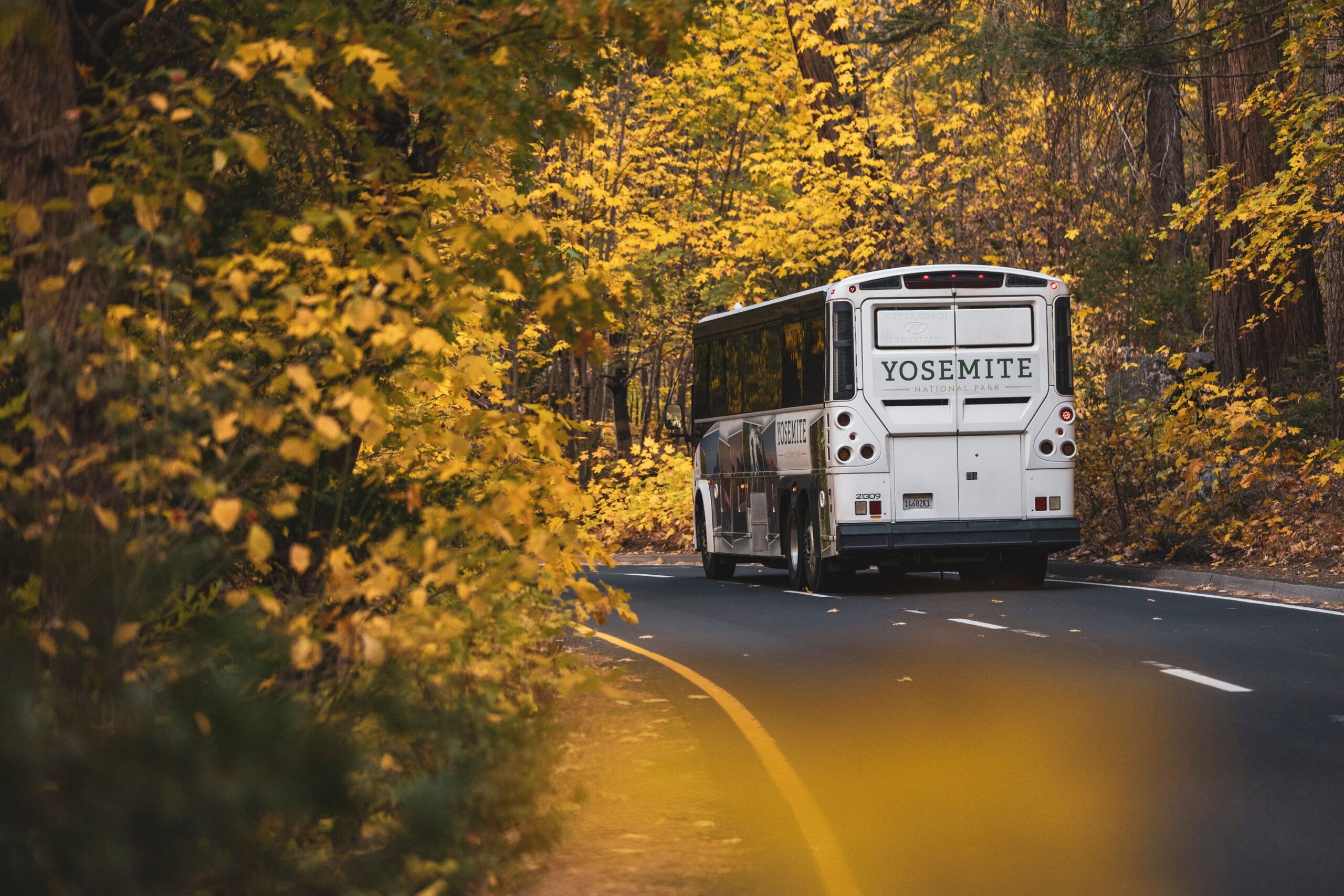
Why Yosemite’s Parking Situation Makes the Shuttle Case Urgent
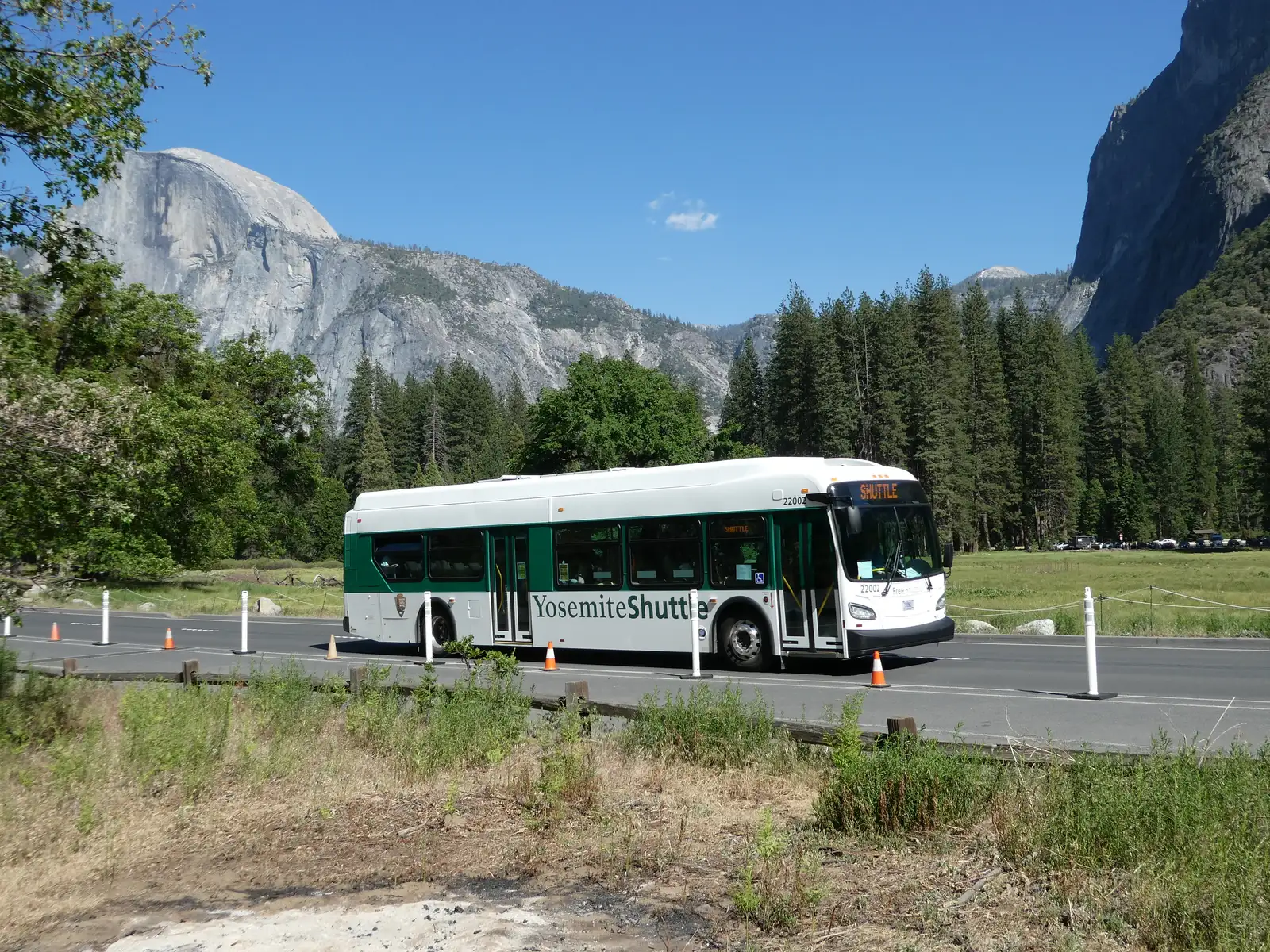
Yosemite has used some form of reservation system in recent years to manage crowds, and it saw one of its busiest seasons in years in 2025, with about 2.9 million visits through August, up roughly seven percent from the same period in 2024. The congestion arrived in sharp focus as Yosemite prepared for its first summer in several years without a peak-season vehicle reservation system, after NPS announced in early 2026 that a season-wide reservation requirement was not the most effective approach.
Scarce parking has led many visitors to leave cars along curbs or road shoulders and other unauthorized areas – and many are receiving tickets, with some even getting their cars towed. Yosemite Valley has free shuttle service connecting all major trailheads, lodges, and campgrounds within the valley floor. Using it isn’t just convenient; in 2026, it may genuinely save your trip.
The Practical Habit: How to Actually Use Shuttles Well
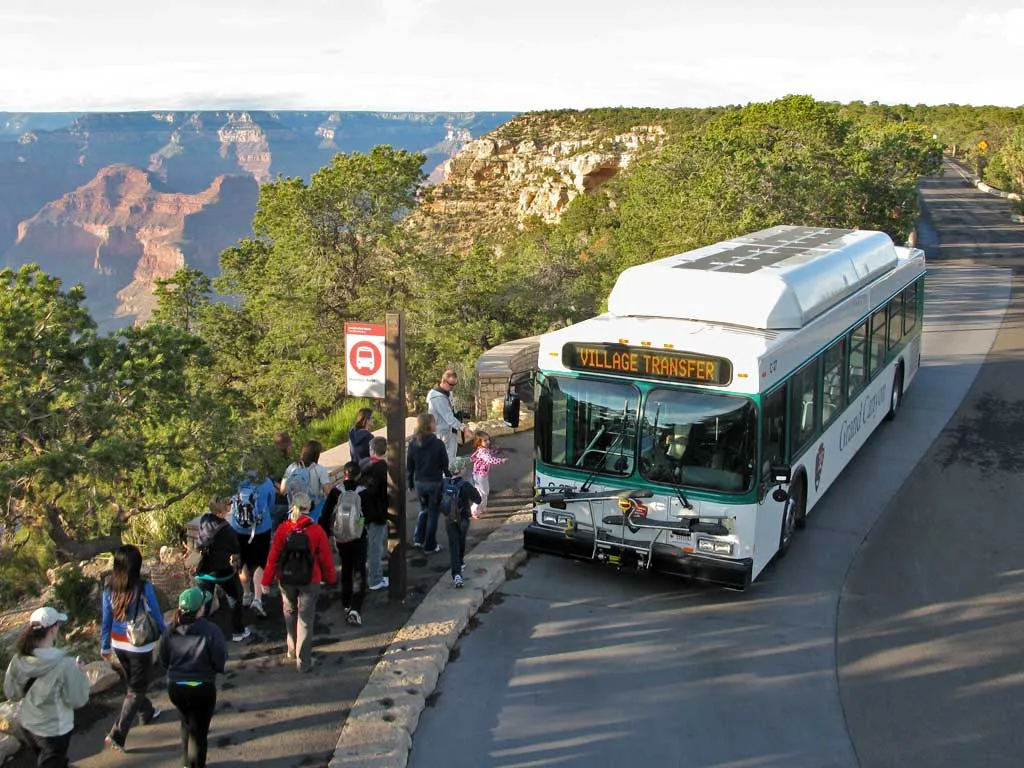
Adopting the shuttle habit requires a modest shift in how you plan a park day. The core principle is simple: park once, at a trailhead or visitor center with reliable capacity, and then let the bus do the work. Most systems run frequently enough during peak hours that you rarely wait more than fifteen minutes, and many – including those at Zion, Rocky Mountain, and Acadia – are completely free of charge.
According to a 2025 study, park shuttle services have resulted in a statistically significant reduction in vehicles entering several national parks. That reduction is the product of individual choices compounding across thousands of visitors each day. Checking the shuttle schedule before you arrive, confirming which lots feed into the system, and building a few extra minutes into your morning are all it takes. The payoff is arriving at a trailhead feeling settled rather than frazzled.
The Bigger Picture: A Smarter Way to Experience These Places
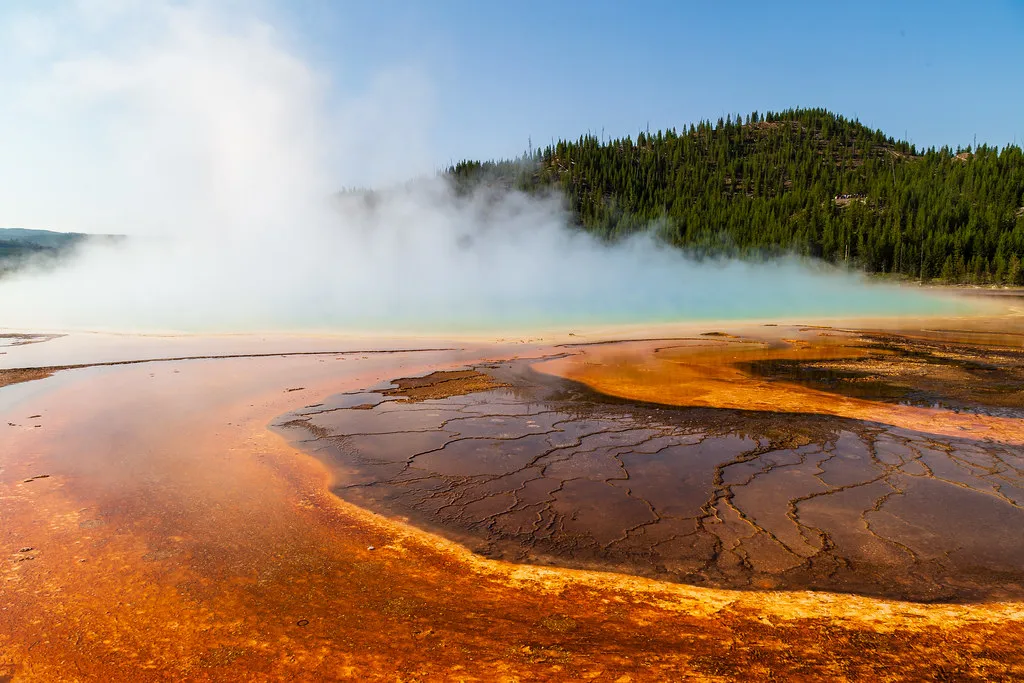
There’s something worth sitting with here. National parks were set aside so that the land itself remains the point – not the parking lot, not the traffic queue, not the circular search for a space. Shuttles, at their best, restore that original intention. They move the friction out of the way and put the landscape back in front of you.
As visitation at iconic parks continues to grow and park management strategies evolve, the transit habit is becoming less of an alternative approach and more of the expected one at the busiest sites. The visitors who learn it first tend to arrive calmer, see more, and leave with a cleaner memory of the place. That alone makes it worth building into every park trip from here on.
AI Disclaimer: This article was created with the assistance of AI tools and reviewed by a human editor.