

A Market That Reflects Real Demand
The numbers behind ceramics as a whole tell a useful story. The global pottery ceramics market was valued at roughly 12.3 billion dollars in 2025 and is projected to reach 17.3 billion dollars by 2033, growing at a compound annual growth rate of around four and a half percent. That kind of sustained growth is not driven by industrial production alone. It reflects a cultural turn toward handmade objects, tactile experiences, and slow crafts.
According to the U.S. Bureau of Economic Analysis, arts and cultural production – which includes traditional crafts and pottery – saw a real output increase of six point six percent in 2023, compared to just two point nine percent for the broader economy. People are genuinely spending time and money on making things with their hands, and pottery is leading that shift.
Who Is Actually Booking These Retreats
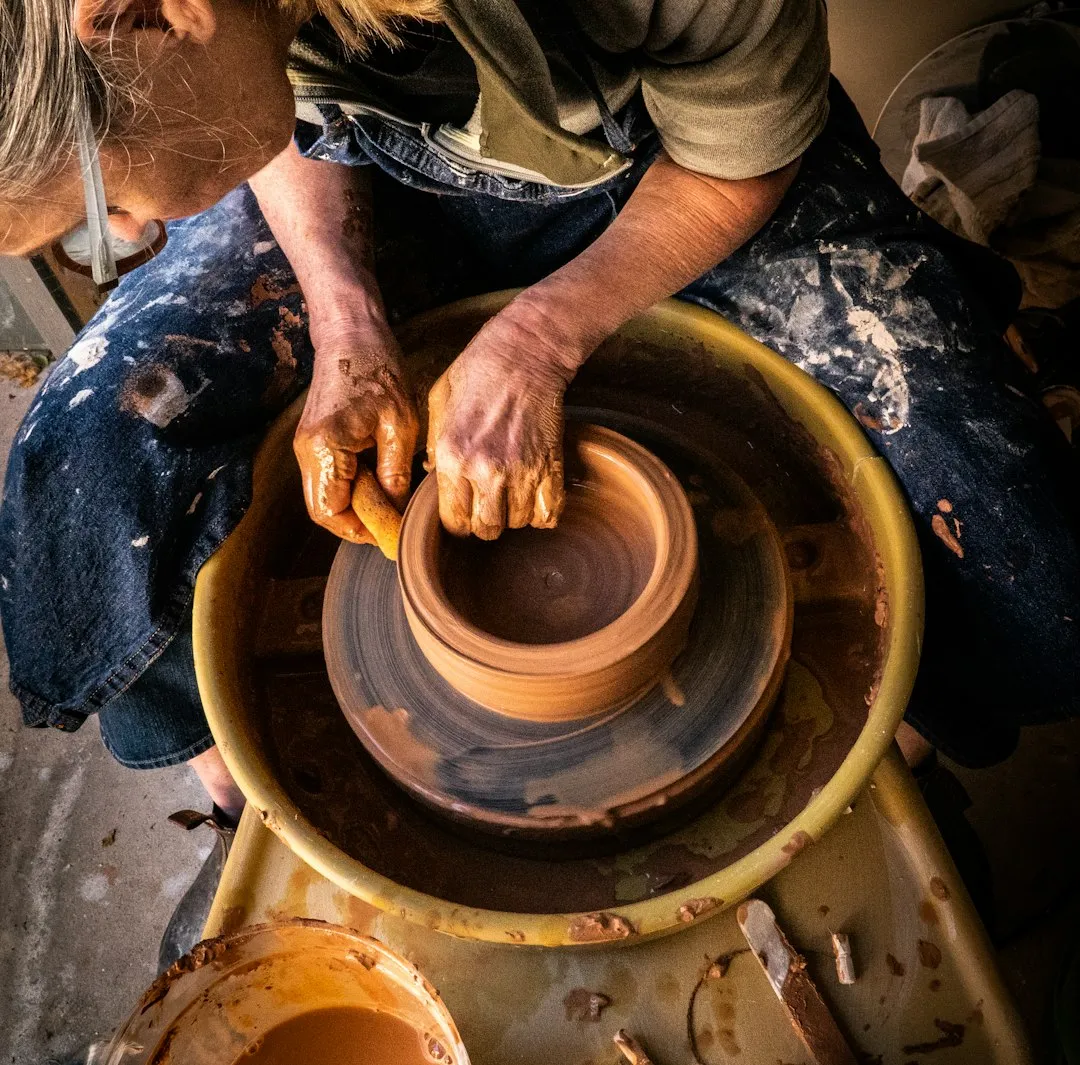
Studios and retreat platforms report the strongest demand from adults between 25 and 45, with urban professionals purchasing date-night and small-group workshops, while wellness seekers and retirees are drawn to the mindful-making format. That range is telling. Pottery retreats are not niche wellness tourism for one type of person.
Beginners who have never touched a wheel form one core group, drawn to compact two-to-three-day intensive formats where basics are introduced step by step. Returners who worked with clay during school and want to reconnect after years away gravitate toward longer five-day retreats, because only that time frame allows their own practice to resettle. The format flexibility matters enormously, and retreat providers have caught on.
The Science Behind Why Clay Feels So Good
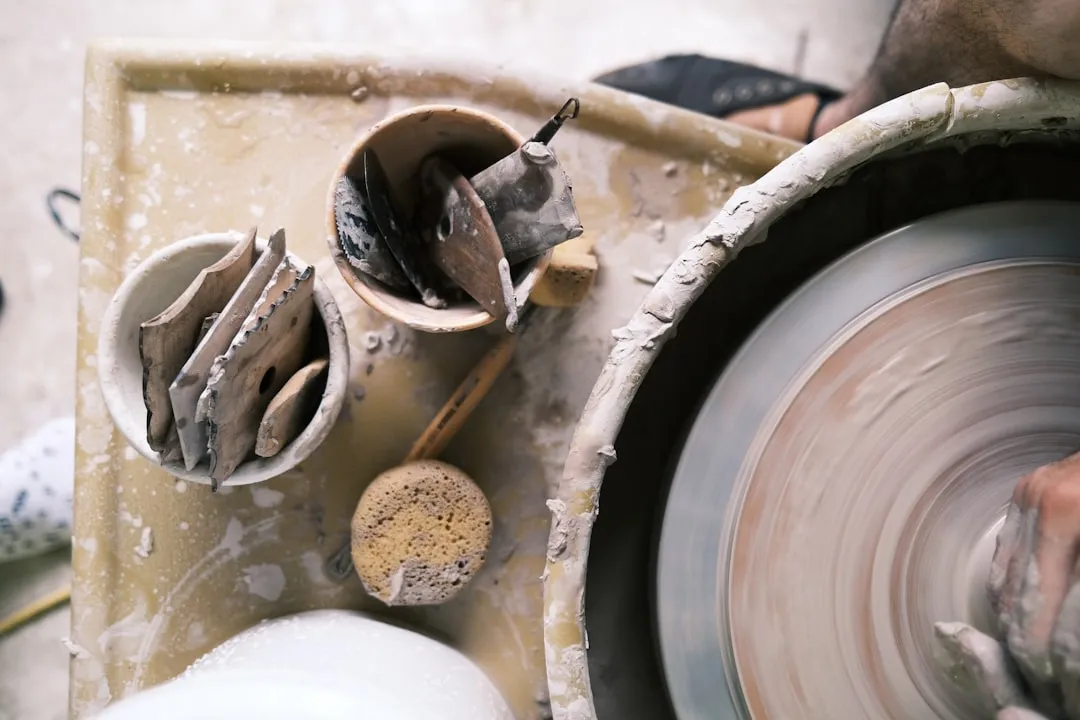
Working with clay activates the parasympathetic nervous system, which lowers cortisol levels and blood pressure. That is not a marketing claim. It is a physiological response, and it helps explain why an afternoon at the wheel can leave you feeling genuinely lighter.
Research has confirmed that art activities, including using clay, can lower the stress hormone cortisol after just 45 minutes of engagement. The repetitive, rhythmic motions involved in pottery – kneading, centering, shaping – create a calming effect comparable to meditation. Paint-and-sip evenings are enjoyable. They are rarely described as meditative.
Pottery Retreats as a Defined Wellness Category
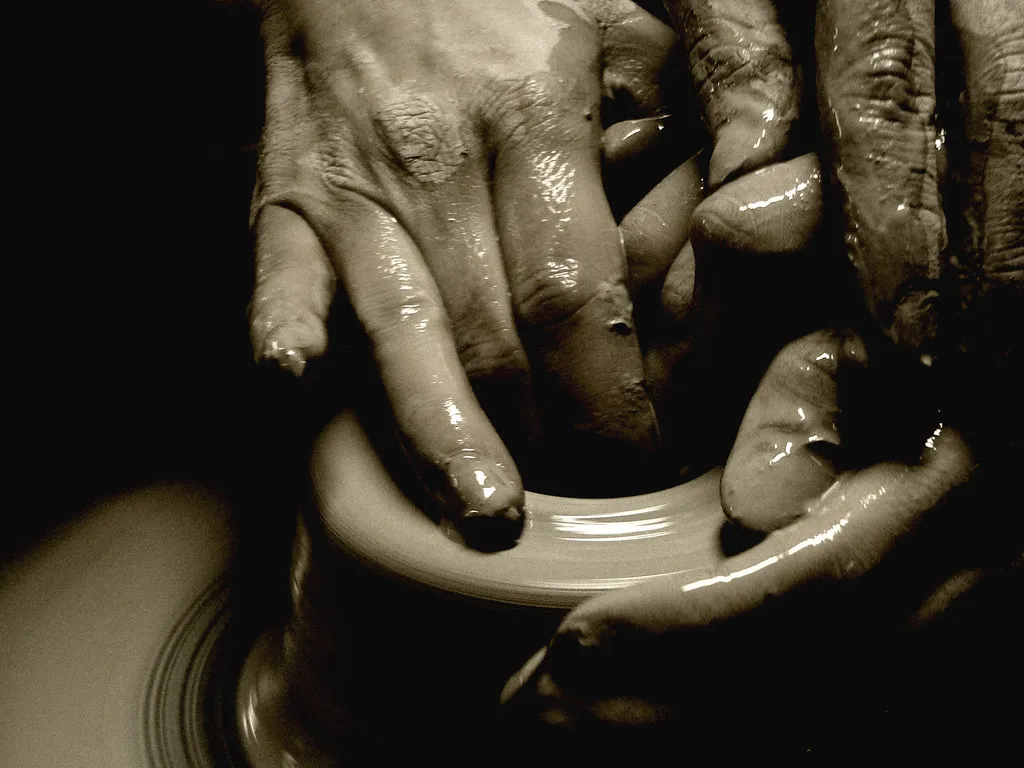
A pottery retreat includes hands-on workshops in wheel throwing, hand building, and glazing, often paired with mindfulness or wellness practices. That pairing is now the standard format rather than the exception. Retreat platforms list ceramics alongside yoga, sound healing, and breathwork as complementary practices rather than standalone add-ons.
Many pottery retreats are designed as creative wellness experiences that pair ceramics with daily yoga, meditation, sound healing, massage, and nature excursions. In Bali, retreats blend pottery workshops with spa treatments, temple tours, and breathwork. The positioning is deliberate: clay work is treated as a healing modality, not a hobby.
The Wheel Forgives No Rush
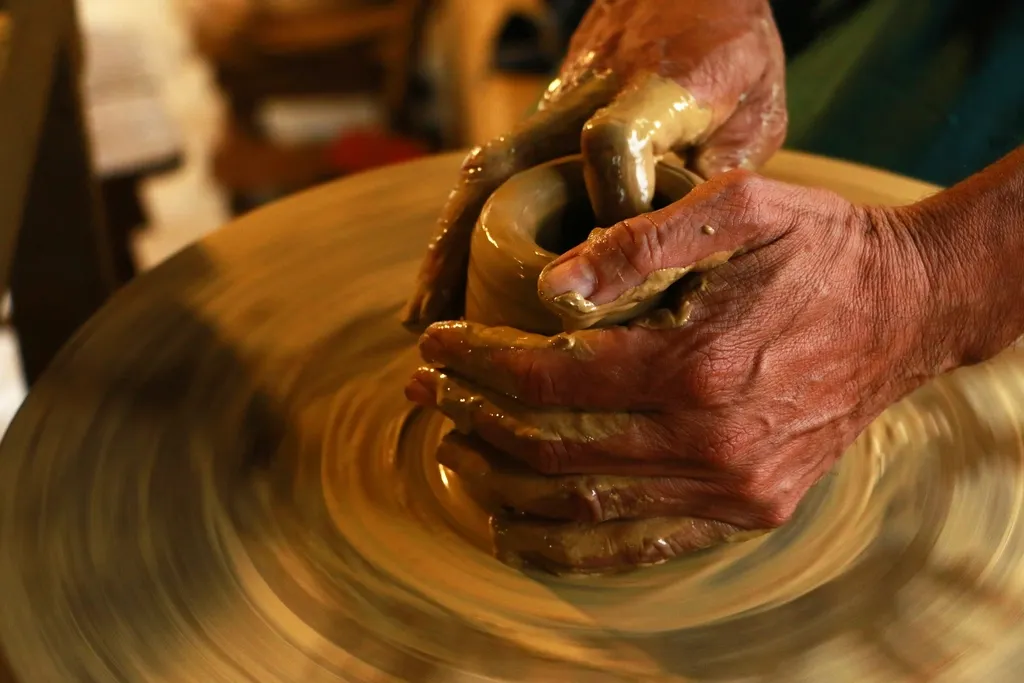
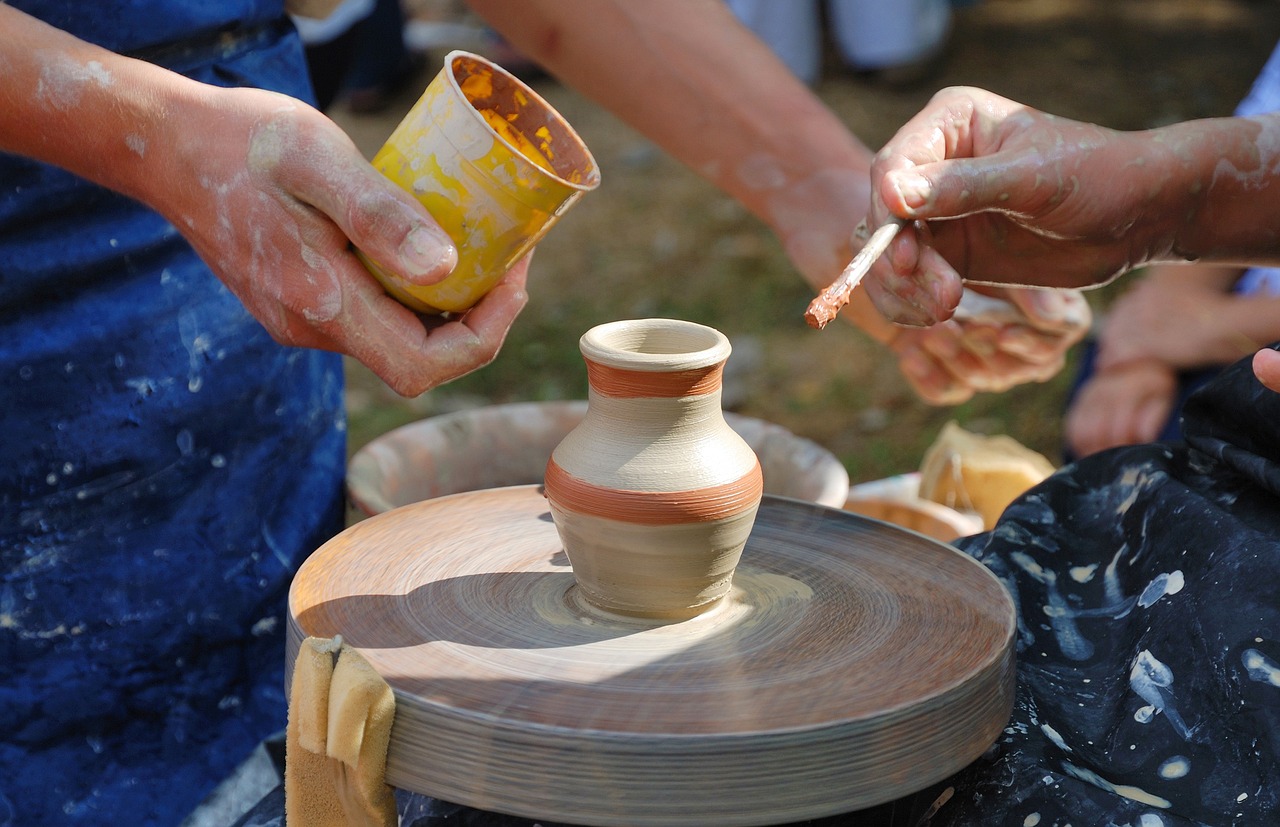
Anyone working with clay cannot be in a hurry. The wheel forgives no haste, drying takes its own time, and firing runs over hours. These built-in pauses are not a weakness of the craft but part of its effect – many travelers come precisely because the work dials down their personal pace without anyone having to ask them to slow down.
This is a fundamentally different proposition from a painting-and-wine night, where the finished product is expected by the end of the evening. With pottery, the process is the point. A growing number of programs explicitly frame pottery as a mindfulness practice, where participants learn and refine techniques guided by experienced ceramic artists, with the focus kept squarely on slowing down and the meditative qualities of working with the hands.
Where These Retreats Are Happening
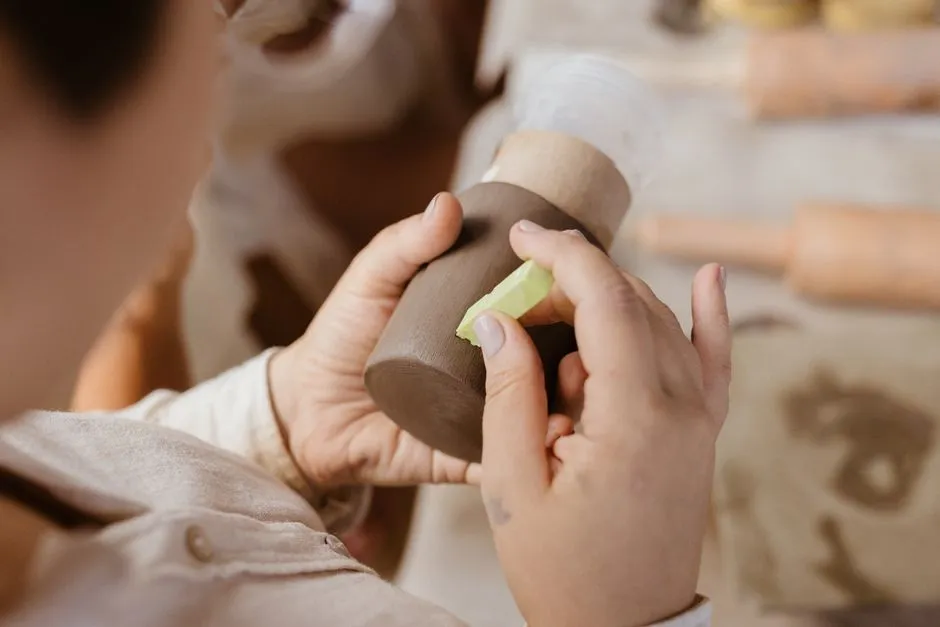
The range of programs spans from dedicated ceramics immersions – week-long hand-building workshops on Greek islands, raku firing in the south of France, wheel-throwing intensives in Italy – to holistic retreats that weave pottery into a broader program of yoga, sound healing, and wellness. The geography is genuinely global now.
Greece, particularly the island of Aegina, has emerged as a hub for wild clay workshops using locally sourced materials, while Bali offers pottery alongside holistic wellness programs, and Italy and Portugal combine ceramics with food, wine, and cultural immersion. China and India show the fastest ceramics growth in workshop and studio contexts, driven by domestic demand, cultural heritage, and tourism.
Ceramics and Social Connection
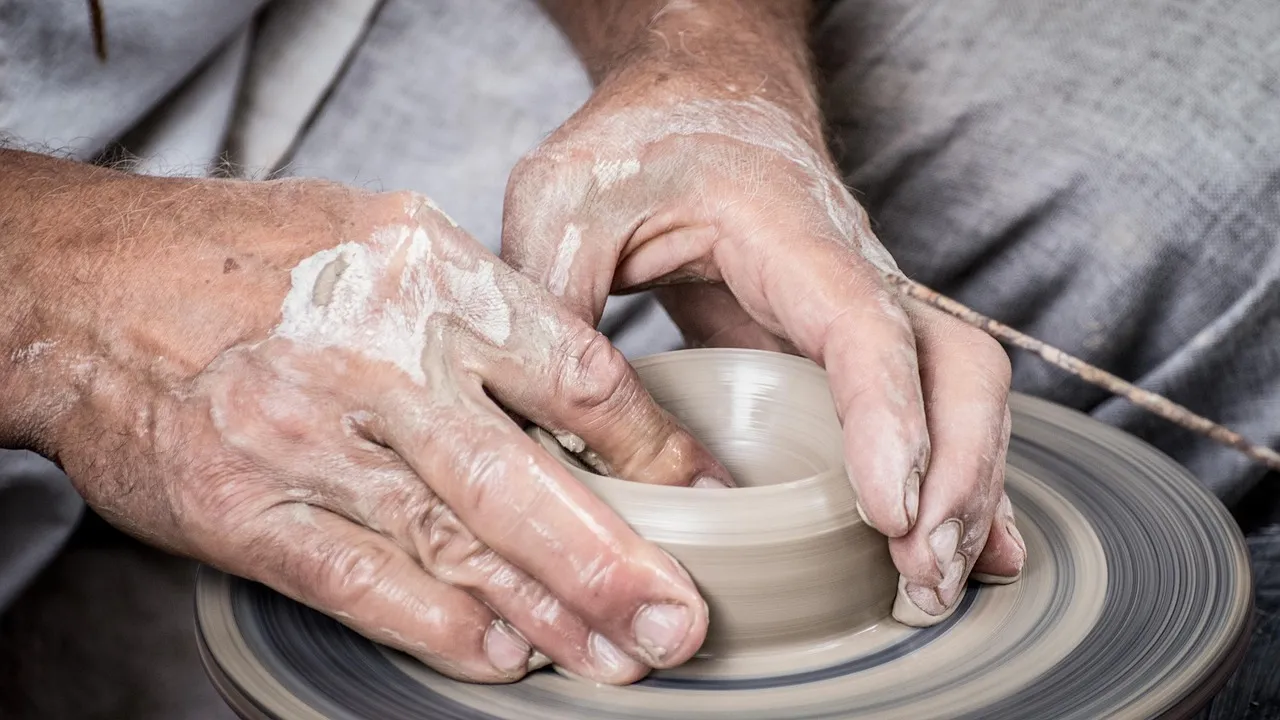
Research suggests ceramics engagement can foster social connections, which is an important factor in reducing feelings of isolation and improving overall mental health. This is a dimension often overlooked in the wellness conversation around pottery. It is not just about what you feel while your hands are in the clay. It is also about who is sitting at the wheel beside you.
Painting-and-wine events built their appeal partly on shared experience. Pottery retreats deliver the same social warmth, with the added dimension of extended time, deeper craft focus, and a shared journey through frustration, failure, and eventual form. Despite promising signs, researchers note there is still limited formal study on ceramics specifically as a mental health intervention, signaling a clear need for more exploration into how this medium can enhance wellbeing. The lived experience, though, is already drawing people back repeatedly.
What You Actually Take Home
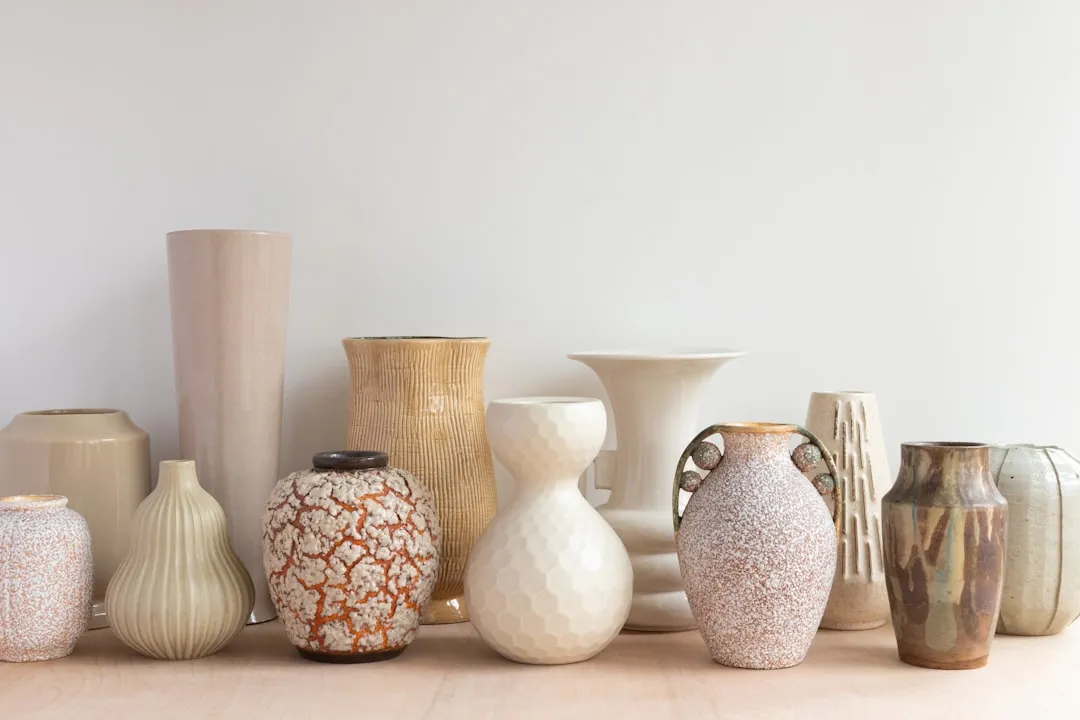
There is a practical satisfaction to pottery retreats that sets them apart from almost any other wellness format. Multi-day journeys make space to follow several pieces from raw clay to the fired result, which means participants leave with real, tangible objects – bowls, mugs, vessels – that carry the memory of the experience in a very literal sense.
A wine glass and a half-finished canvas are the traditional souvenirs of paint-and-sip nights. A hand-thrown bowl you made yourself, glazed and fired, is something else entirely. Creating something tangible releases dopamine, and finishing a pottery piece provides a sense of accomplishment that combats depression and builds self-worth. That is a meaningful return on a weekend.
The Format Is Built for Beginners
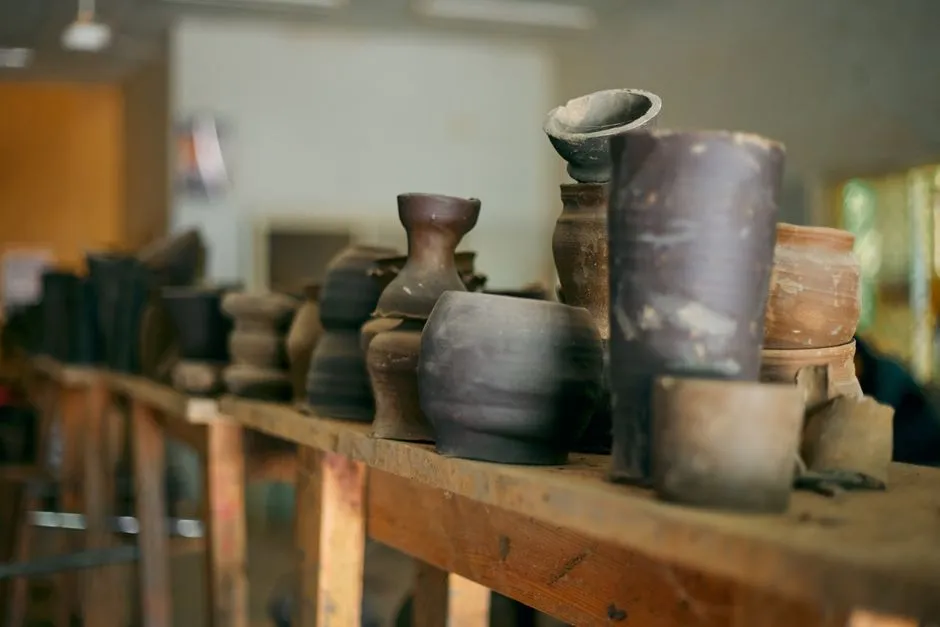
One of the persistent myths about pottery retreats is that they require some prior skill or artistic confidence. They do not. Hand-building techniques like pinch pots and coiling are ideal for beginners because they require no special equipment, while wheel-throwing is more technical but deeply satisfying once you find the rhythm. Most retreat programs are explicitly designed for people with no experience at all.
A typical pottery retreat includes professional guidance from experienced ceramicists, all necessary materials such as clay, glazes, and tools, and access to a workshop with pottery wheels and a kiln, as well as accommodation. Everything is provided. The only thing participants need to bring is a willingness to be genuinely bad at something for the first few hours, which turns out to be its own kind of relief.
The Shift That Painting-and-Wine Nights Cannot Replicate
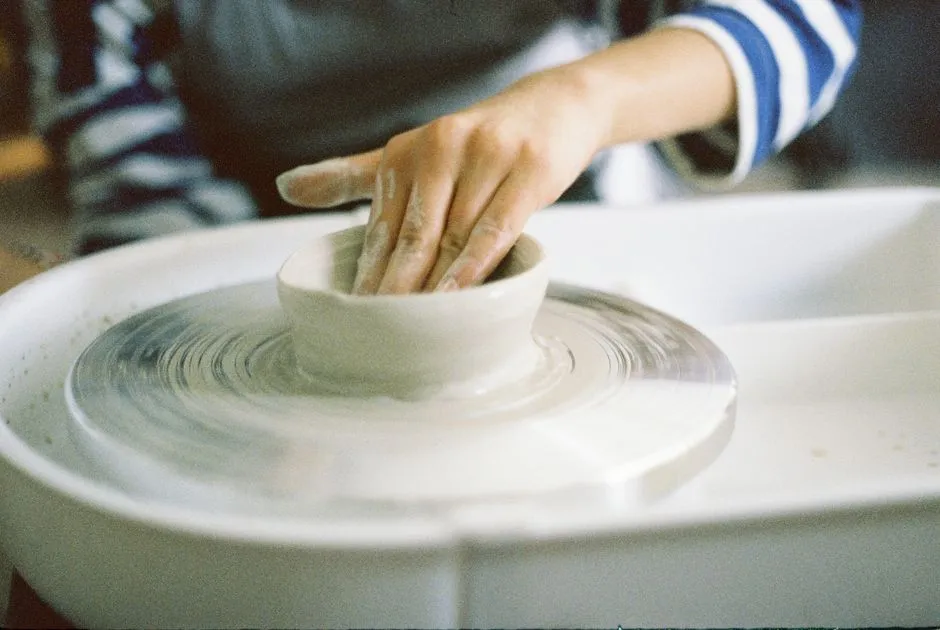
Paint-and-sip nights were always about permission: permission to be creative without expertise, to socialize without pressure, to spend an evening doing something other than scrolling. Pottery-wheel retreats offer all of that, plus something harder to manufacture: genuine absorption. When you are trying to center clay on a spinning wheel, there is simply no room left in your mind for anything else.
Research shows that working with clay activates the parasympathetic nervous system, helping reduce cortisol levels and promote relaxation, with the tactile experience engaging multiple senses simultaneously and creating a grounding effect that can significantly reduce symptoms of anxiety and depression. That is a different category of evening out. It is a different category of experience altogether.
The Takeaway
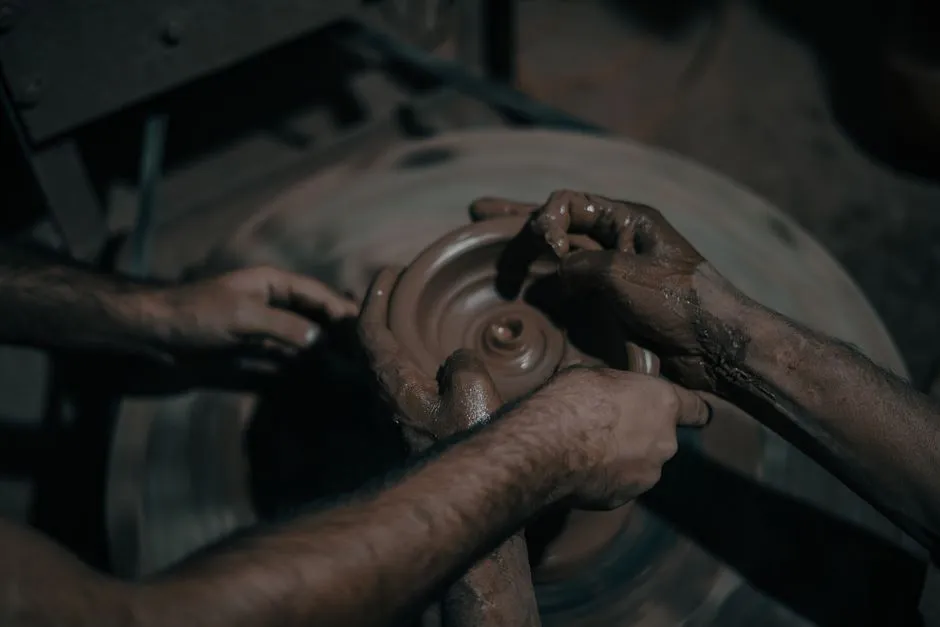
Pottery-wheel retreats have not replaced painting-and-wine nights so much as revealed what people were really looking for underneath them: something tactile, absorbing, and genuinely difficult enough to demand full presence. The wine helps, but it was never the point.
Clay has been shaped by human hands for tens of thousands of years. The fact that it is now being scheduled into retreat itineraries alongside yoga and breathwork says less about novelty and more about rediscovery. We keep returning to the wheel because it gives us something screens and structured activities cannot: the particular calm of making something real.
AI Disclaimer: This article was created with the assistance of AI tools and reviewed by a human editor.