
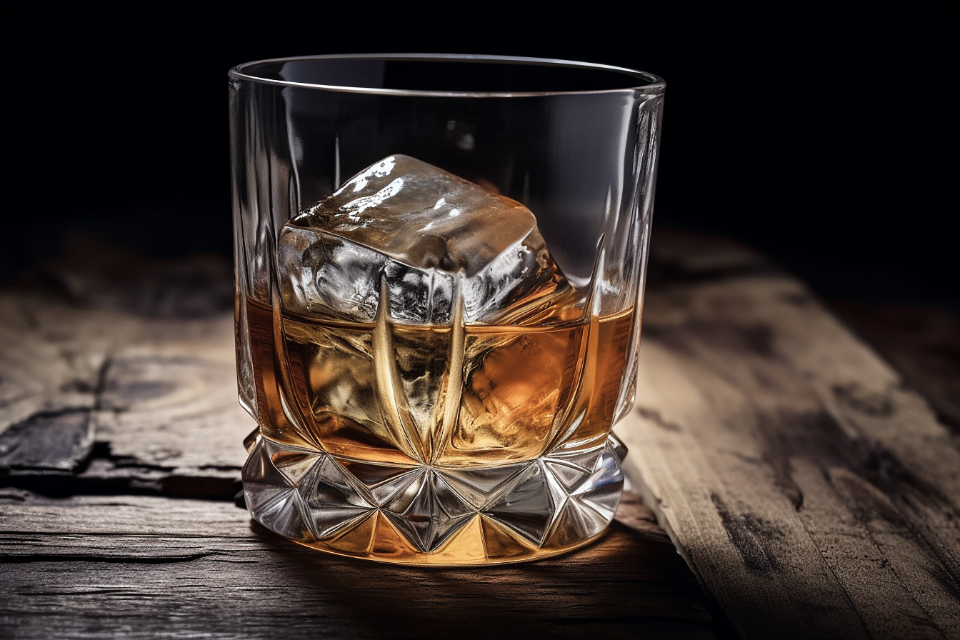
Whiskey Tourism Is Bigger Than Most People Realize
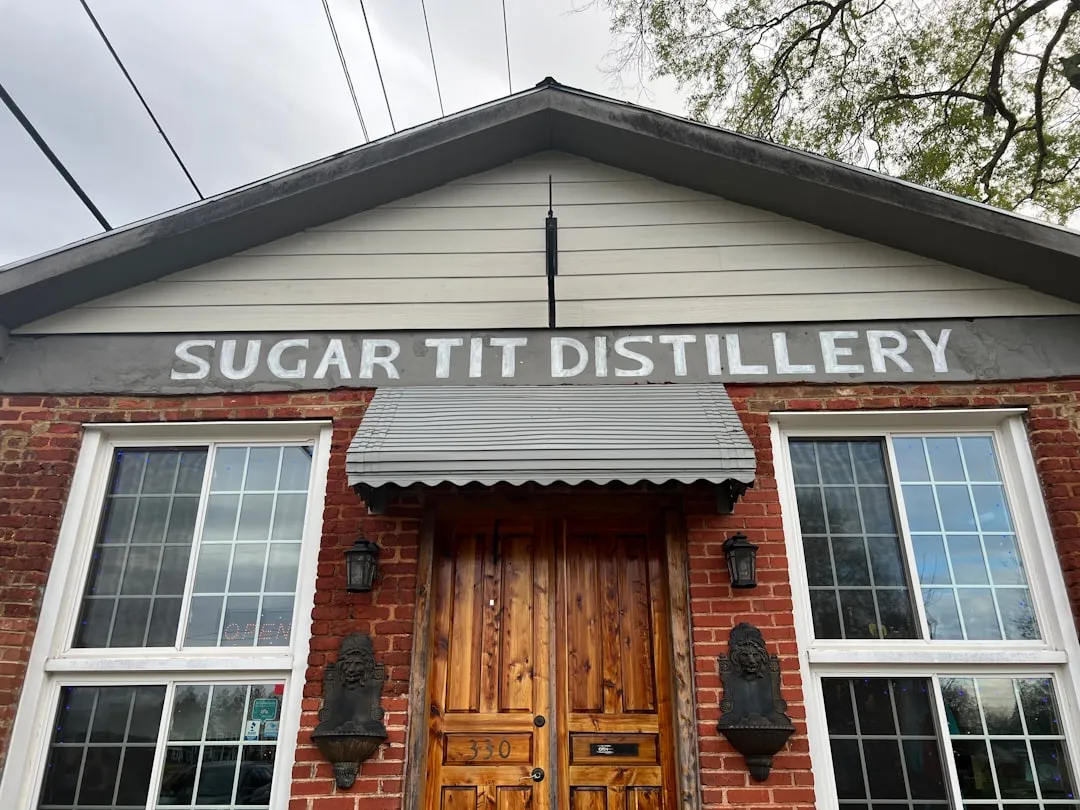
The scale of the distillery tourism world has grown far beyond its craft roots. The Kentucky Bourbon Trail welcomed 2.7 million visitors in 2025, a figure that underscores the enduring popularity of Kentucky’s signature spirit. That’s not a niche hobby anymore. That’s a full-blown pilgrimage culture, with real economic weight behind it.
Across the Atlantic, the numbers are just as striking. The Scotch Whisky Association reported that 2.7 million people visited Scotch whisky distilleries in 2024, surpassing the previous pre-pandemic record, with whisky visitor centres collectively becoming Scotland’s most visited tourist attraction.
In Ireland, the Irish Whiskey Association revealed that distilleries attracted a total of 1,010,261 visitors in the year to June 2025, a 23% increase on the previous year and the strongest showing since before the pandemic. With those kinds of crowds, guides have become very good at reading the room.
What Most Visitors Ask (and Why It Barely Opens Any Doors)
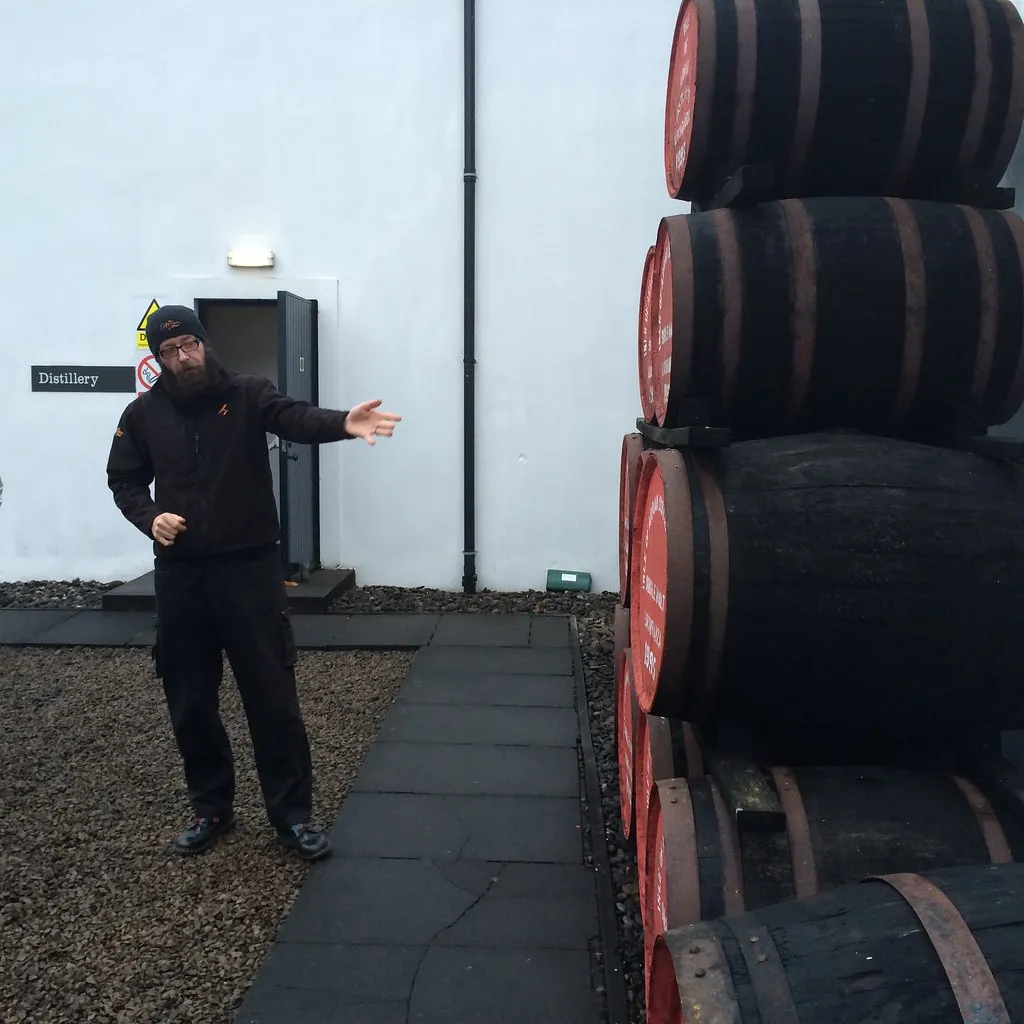
The typical visitor asks some version of “how long does it age?” or “what does the color tell you?” These are fine questions. Guides answer them dozens of times a day, often on autopilot. They’re expected, comfortable, and answered before the group even reaches the fermentation tanks.
Tour guides across different distilleries describe a pattern. Most visitors engage at the surface level, satisfied with the broad strokes of mashing, fermenting, distilling, and aging. There is no question too silly, too basic, or too nerdy to ask on a distillery tour, and guides typically know an amazing amount about their products. The problem isn’t ignorance. It’s that most people don’t know how deep the rabbit hole actually goes.
The result is a tour that stays polite and informative but never gets truly intimate. The barrel room, if visited at all, becomes a photo opportunity rather than a revelation.
The Question That Changes Everything
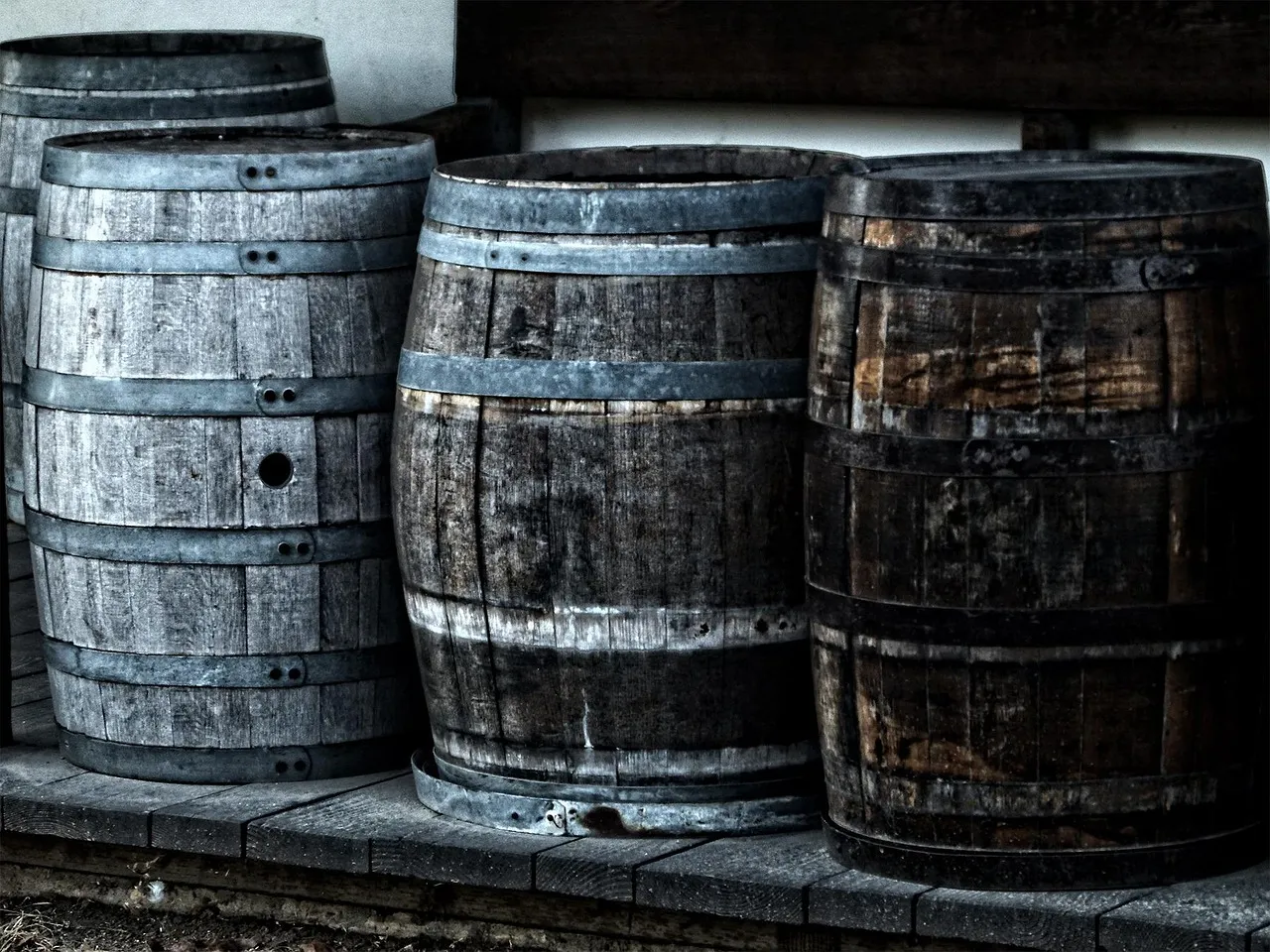
The question that unlocks the barrel room isn’t one specific sentence. It’s a category of curiosity. It’s asking about process choices rather than outcomes. Not “how does it taste?” but “why did you make that decision?” or “what makes your process here genuinely different from the distillery down the road?”
Pausing beside the aging racks or near the mash tuns and asking what makes a distillery’s process unique often reveals a secret in the grain bill or a nuance in fermentation, choices born of both science and instinct. Inquiring about the barrels, their origins and their toast levels, and how the relationship between wood and whiskey, climate and time, shapes the final character of each pour, signals genuine interest to any guide worth their salt.
Distillers almost always have cool things tucked away, like upcoming releases or tasty experiments, which get shared with the enthusiastic and appreciative. People who get to taste samples out of the barrels in the back got there by offering genuine curiosity, not disinterest. The key is demonstrating that you see the craft, not just the product.
Why Barrel Room Access Is So Rarely Given
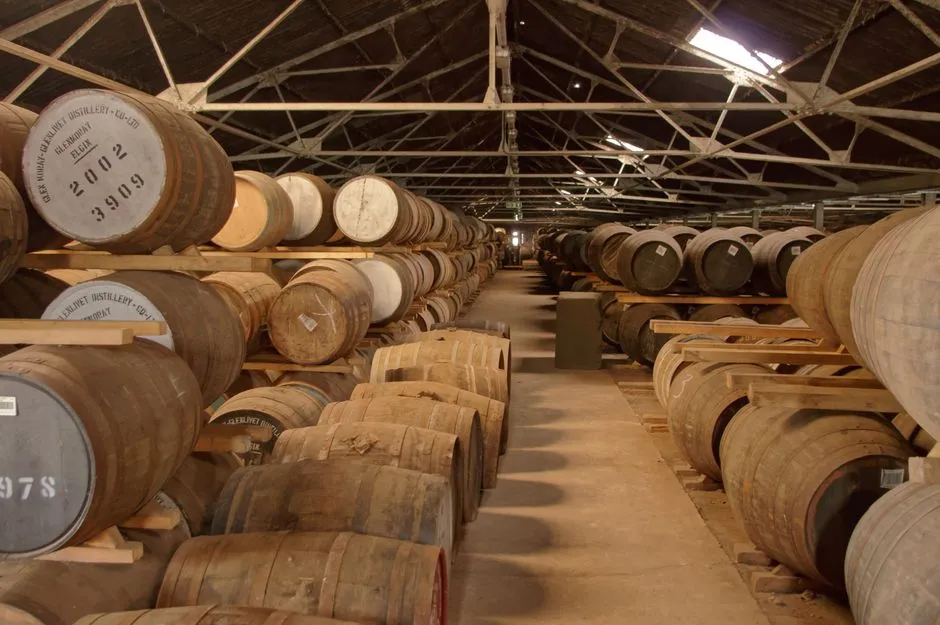
The barrel room, or rickhouse, is the soul of any whiskey operation. Barrels sit in precise arrangements, breathing with the seasons, giving and taking from the wood over years. It’s not a place every distillery throws open casually, and for good reason. Temperature and humidity are critical. Some older or more experimental barrels represent significant investment.
Private tours at Kentucky distilleries sometimes offer exclusive access to areas that are off-limits during group tours, with some distilleries opening up their barrel rooms or warehouses to provide a more in-depth look into the aging process and the opportunity to sample bourbons straight from the barrel. These moments are reserved, quietly, for people who’ve already shown they’ll appreciate them.
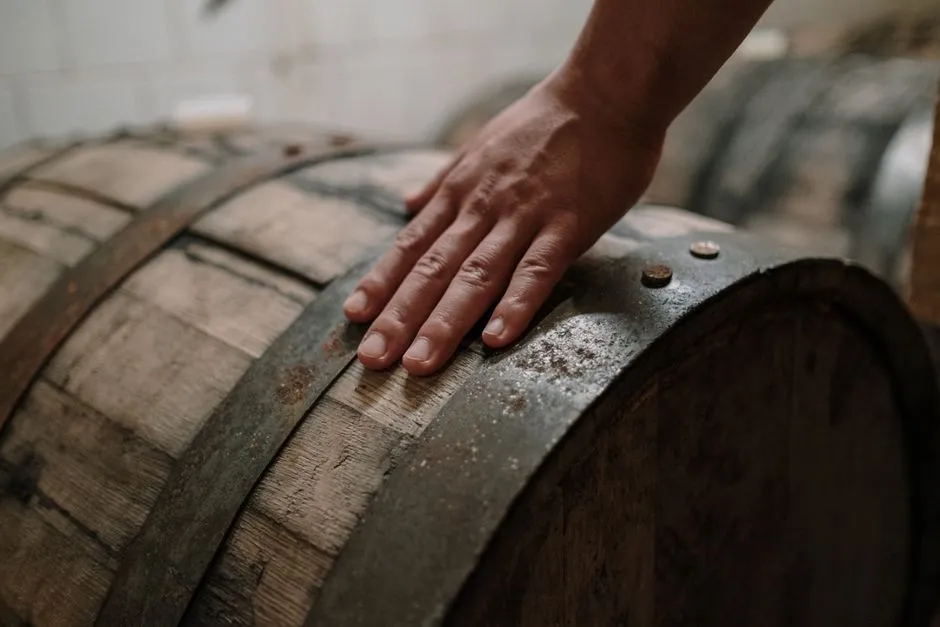
It’s also worth noting that touching equipment or barrels without guidance risks both safety and disrupting the process, and reducing handcrafted spirits to commercial benchmarks diminishes the nuance embedded in every pour. Guides notice that kind of respect, and they reward it.
The Barrel Toast Question: A Guide’s Favorite Test
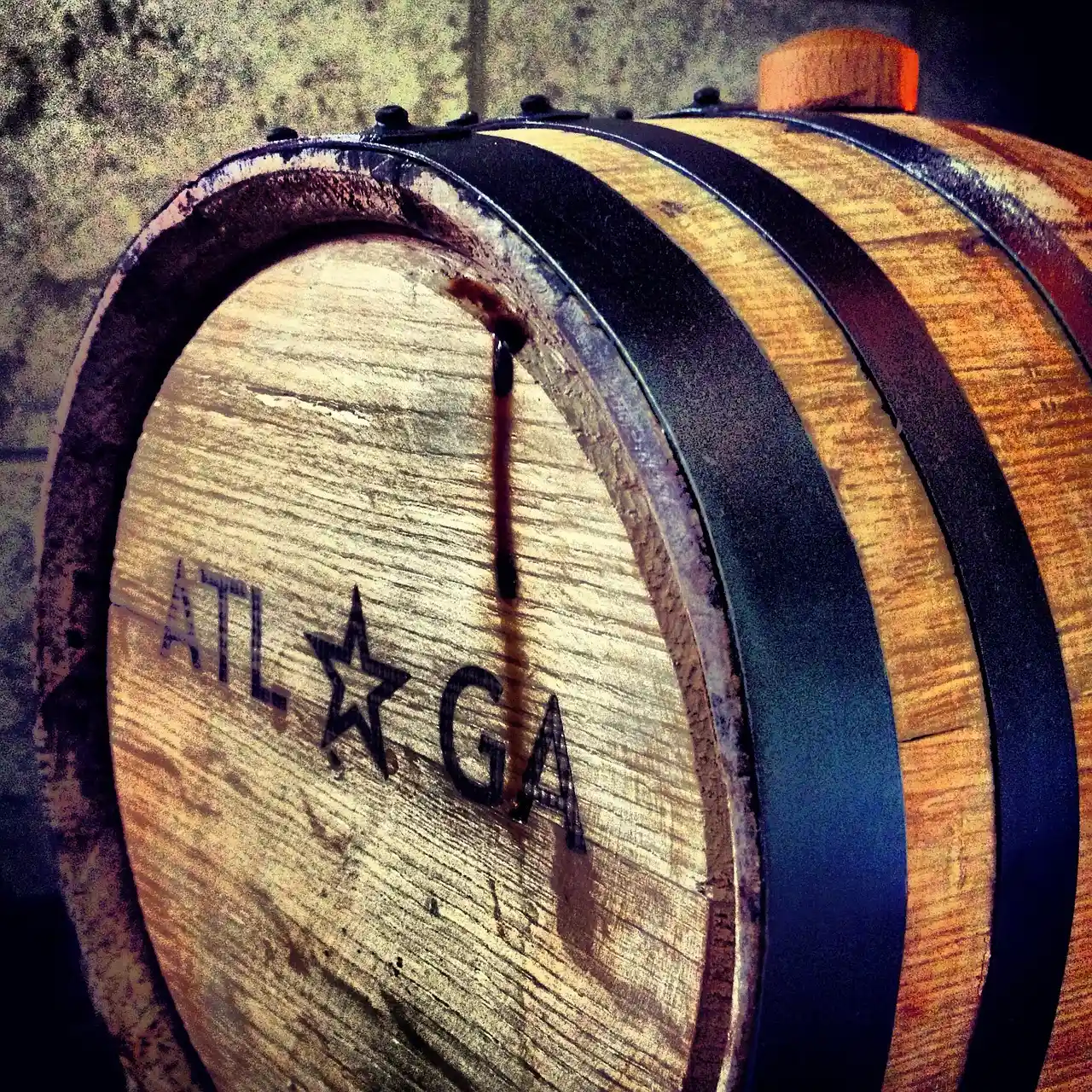
Among the more experienced guides and distillers, one question comes up repeatedly as a marker of a serious visitor: asking about barrel toast levels and their effect on flavor. It’s specific enough to show knowledge, open-ended enough to invite a real answer. Most casual visitors have never heard the term.
Asking about the effects of various barrel toast levels and how they influence taste tends to open up a rich conversation. American oak is more straightforward in its influence, with more vanilla overtones, while French oak is more subtle with warm spice aspects. That kind of detail is something guides genuinely love talking about, partly because it’s genuinely interesting and partly because it’s rare for someone to ask.
When a visitor asks about toast levels, a knowledgeable guide doesn’t just answer the question. They often extend the conversation, walking the group toward the barrels themselves to show rather than simply tell. That’s when the standard tour ends and the real one begins.
Grain Bill Curiosity Opens a Completely Different Conversation
Another question that reliably shifts a guide’s energy is asking about the grain bill, specifically the proportions of grains used and whether any of them are sourced locally or grown specifically for that distillery. This moves the conversation from product to philosophy, and most guides have strong feelings about it.
A distillery tour is tasty and fascinating whether you are a novice or a connoisseur, and asking how ingredients are sourced and where the water comes from are among the questions that reveal the most about a distillery’s character and commitments. These aren’t trick questions. They’re invitations.
Smaller craft distilleries in particular tend to light up at grain bill questions. The choices they’ve made, which grains to use, where to source them, whether to grind on-site, are often points of genuine pride. Ask about them and you’ll get stories that never make it onto any laminated tour pamphlet.
Fermentation Time: The Question Guides Wish More People Asked
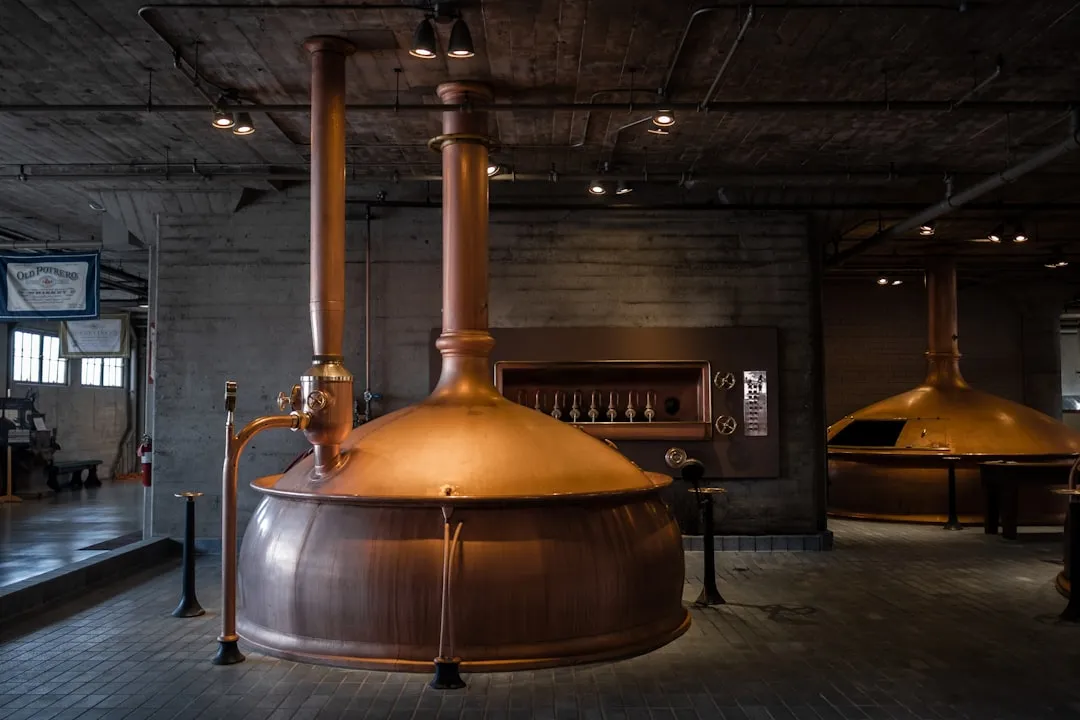
Fermentation is the stage of whiskey production that most visitors glaze over. It happens in large, often unremarkable tanks, and it’s hard to photograph. So people move past it quickly. Guides notice this every day. Which is exactly why asking about it in detail tends to be so effective.
The length of fermentation has a direct and meaningful impact on flavor. Shorter ferments produce cleaner, more grain-forward spirits. Longer ferments allow more complex, fruity esters to develop. Some distilleries run fermentations for days longer than industry average as a deliberate flavor decision. Very few tour guests ever think to ask why.
Asking what makes a distillery’s process unique often reveals a secret in the grain bill or a nuance in fermentation, choices born of both science and instinct. Fermentation is exactly where many of those instinct-driven decisions live. The guides who know this material deeply are often just waiting for someone curious enough to ask.
How the Demographics of Distillery Visitors Are Changing
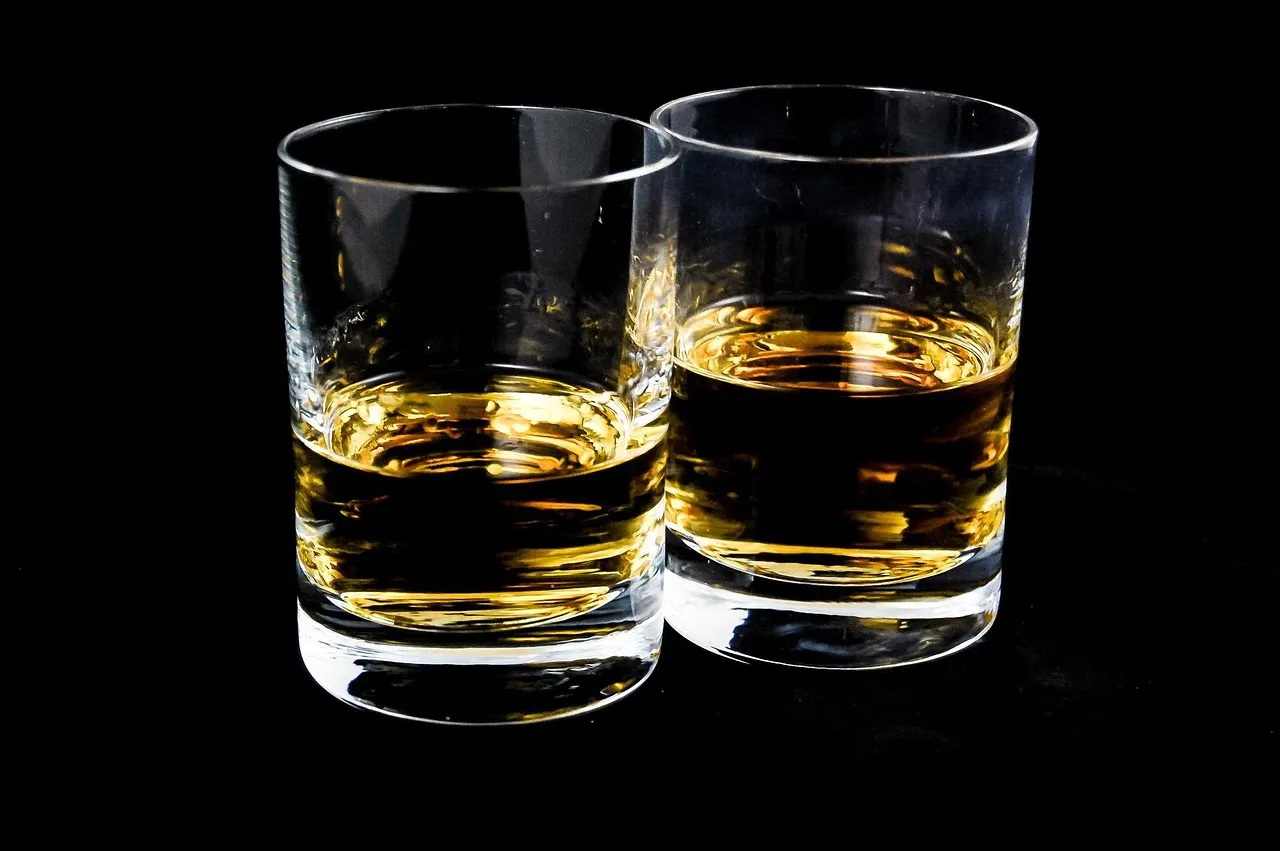
The typical distillery visitor today is notably different from the bourbon enthusiast of ten or fifteen years ago. About 80% of all Kentucky Bourbon Trail visitors came from outside Kentucky, and roughly three in five reported household incomes above $100,000, with the overall visitor base leaning toward a younger demographic.
Irish whiskey distilleries draw visitors from the United States, United Kingdom, Germany, France, and Ireland itself, with the most frequent visitors aged 34 to 45, followed by those aged 45 to 54, and a strong gender balance across the board. This is a well-traveled, curious, experience-seeking crowd.
That shift matters for guides. Younger visitors often come with research already done and questions ready to go. They’ve listened to podcasts, read production notes, and followed distilleries on social media. Guides who can match that level of engagement, and go a step further, are the ones who create the most memorable tours.
Timing and Group Size: The Practical Variables That Matter
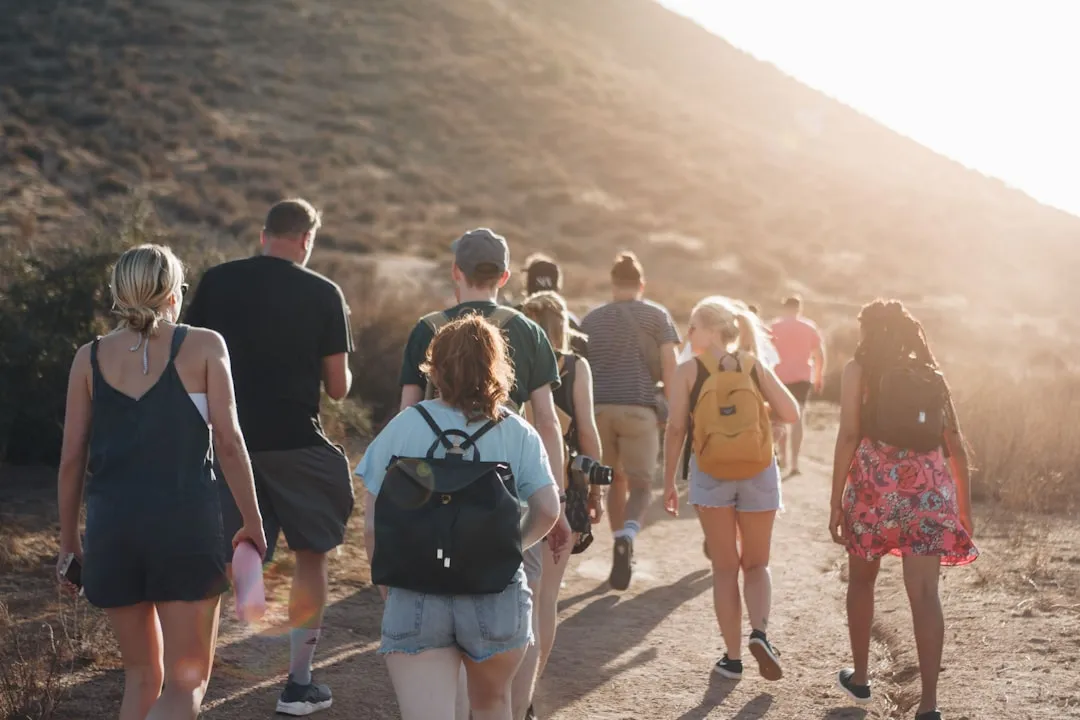
Even the best question in the world works better under the right conditions. Group size and tour timing affect how much a guide can realistically share. A packed Saturday afternoon tour of thirty people moves at a different pace than a quiet Tuesday morning with five visitors.
Visiting during winter months from January through March offers smaller crowds and more attention from tour guides, and mid-week visits from Tuesday through Thursday often mean more room during tastings, with the first tour of the day typically having fewer people. Fewer people means a guide can linger, elaborate, and deviate from the scripted path.
Many popular distilleries sell out quickly, especially on weekends, making early reservation essential for those who want guaranteed spots on the tours they want most. Booking a smaller, specialty tour or a private experience almost always increases the chance of getting that extended barrel room access.
What Guides Actually Want You to Know Before You Arrive
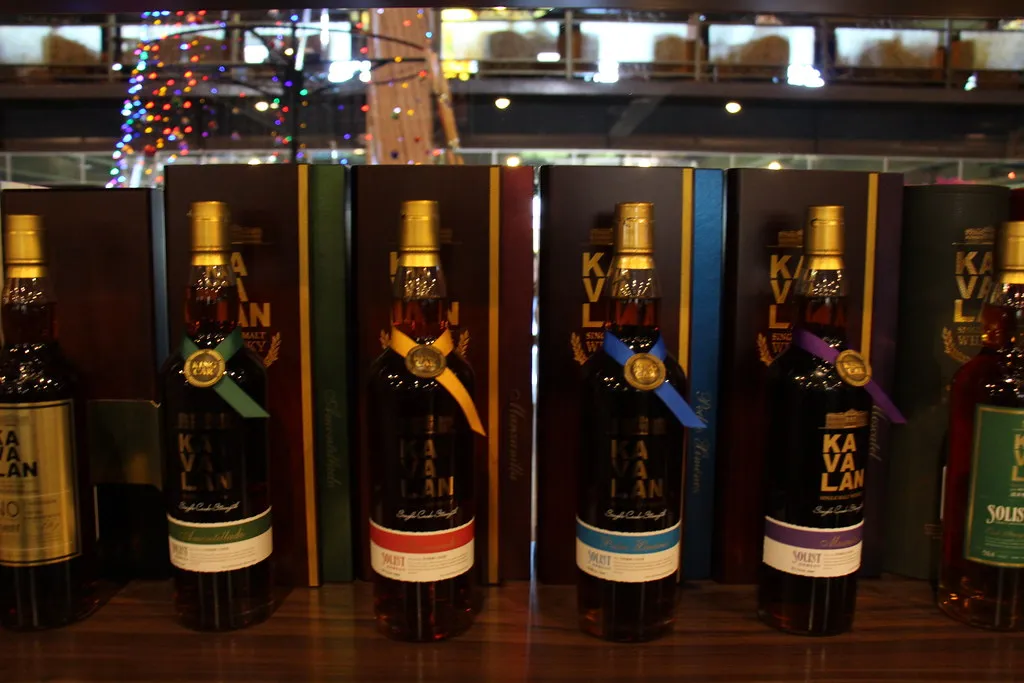
The most consistent piece of advice that comes through from distillery staff is simply to come with genuine curiosity, not just an appetite for free samples. Distillery tours offer an all-encompassing view of the whiskey-making process, including distillery operations, barrel aging, and the craftsmanship involved in creating diverse whiskey variants, experiences that serve both educational and cultural purposes.
Along the way, visitors may meet the makers, the minds and hands behind every pour, whose insights invite guests to ask questions, notice nuance, and understand how every subtle decision shapes the final profile. The guides are there precisely for that conversation. Most of them got into this work because they love it.
A small amount of preparation makes a noticeable difference. Knowing basic vocabulary, understanding the broad stages of production, and arriving with at least one specific question about the distillery’s particular choices signals that you’re worth investing time in. That’s when the back door opens.
The Quiet Ritual of Tasting from the Barrel
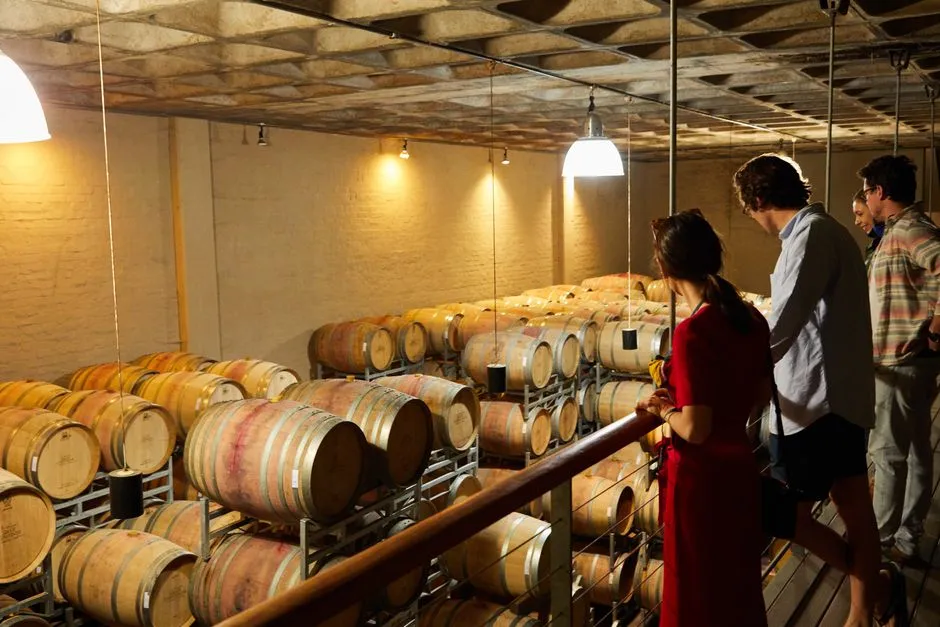
For those who do make it into the barrel room with a proper guide and the right moment, tasting directly from a cask is something that stays with you. The spirit is raw, often much higher in proof than the bottled product, and carries the full intensity of its wood and grain origins without the softening that comes from dilution or filtration. It’s not always immediately pleasant. It is always honest.
Some distilleries open up their barrel rooms for private tours, providing a more in-depth look into the aging process and allowing visitors to sample bourbons straight from the barrel, an experience that makes for an unforgettable visit for any spirits enthusiast.
Guides describe these moments as the reason they do the job. The visitor is no longer an audience member. For a few minutes, they’re a collaborator, tasting something unfinished, imagining what it will become. That’s the experience the question unlocks. Not every guide can offer it, and not every distillery allows it. But asking the right thing, with real curiosity, is always the first step.
The Takeaway
There’s no single magic phrase that guarantees barrel room access at every distillery. What guides consistently describe, though, is a type of visitor who earns that deeper experience through the quality of their engagement. They ask about process decisions, not just outcomes. They treat the craft as something worth understanding, not just sampling.
The question that unlocks the barrel room is, at its core, an expression of genuine respect for what the people inside that building have dedicated themselves to making. Distillery tour and tasting experiences comprise a dominant share of the global whiskey tourism market, and they are increasingly popular precisely because they offer more than just whiskey sampling. The best ones offer a window into a living craft.
Come curious. Ask about the wood, the grain, the water, the time. Ask why they made the choices they made rather than asking what the result tastes like. The barrel room is usually just on the other side of a question like that.
AI Disclaimer: This article was created with the assistance of AI tools and reviewed by a human editor.