


More dog owners are booking flights with their four-legged companions than ever before. Recent 2024 surveys reveal that an impressive 78% of American pet owners travel with their pets each year. Yet despite that enthusiasm, confusion about airline policies is still the number one reason trips get complicated before they even begin.
The detail that makes everything click into place is not the fee, not the breed, and not the destination. It is knowing exactly how each airline structures its pet rules before you assume they all work the same way. Once you understand that framework, flying with your dog becomes genuinely manageable.
The Carrier Size Rule Is the Master Key

Traveling with your dog or cat in the cabin requires an airline-compliant pet carrier that fits underneath the airplane seat, and each airline publishes slightly different size limits for in-cabin pet carriers. This one rule governs almost everything else about your trip. If your carrier fits, your dog flies in the cabin. If it does not, you are looking at cargo or a different airline entirely.
For cabin travel, the dog must fit comfortably in an airline-approved carrier, typically a maximum of 18 inches by 11 inches by 11 inches, stowed under the seat. Soft-sided carriers are accepted across virtually every major U.S. airline and are generally the more practical choice because they compress slightly to fit snugly beneath the seat in front of you.
Cabin vs. Cargo: Understanding the Difference Upfront
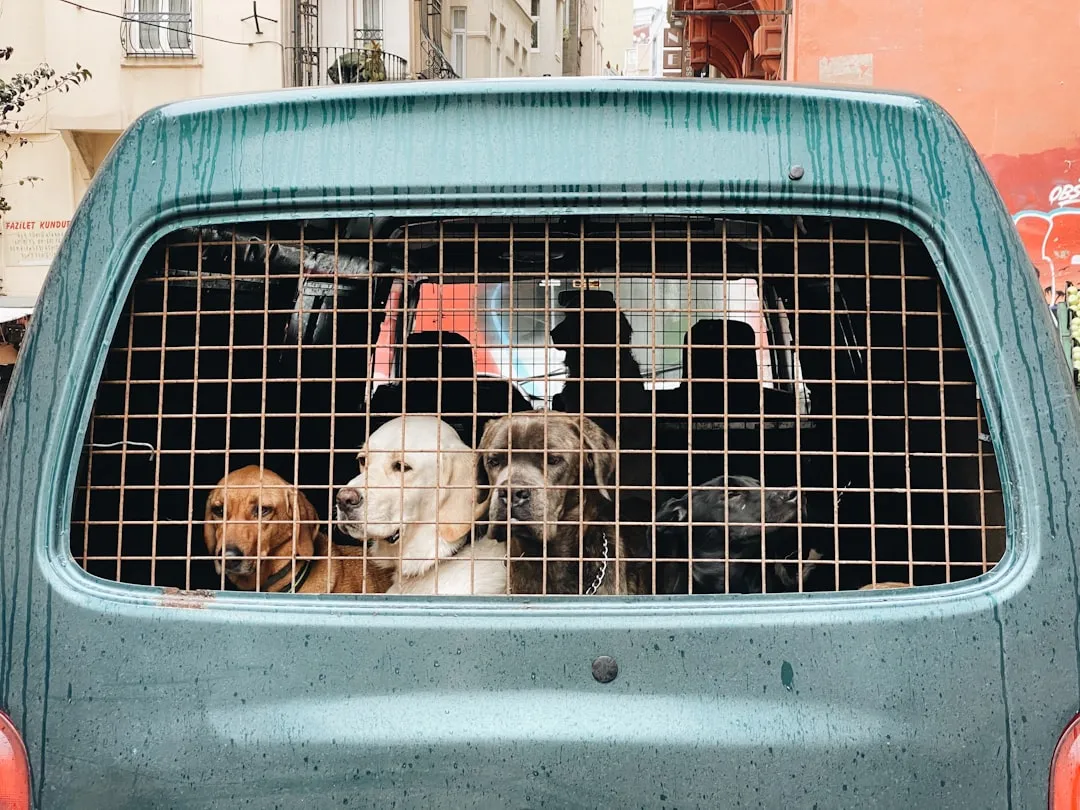
For larger pets or those that cannot travel in the cabin, some airlines offer the option of checking them as baggage, in which case your pet will travel in a separate, pressurized and climate-controlled hold. The experience is fundamentally different from cabin travel, and not every airline offers it.
Several major carriers, including Delta, United, JetBlue, Southwest, and Frontier, do not offer checked baggage pet travel for the general public, making in-cabin the only realistic option for those airlines. Alaska Airlines remains one of the more flexible options, accepting pets both in cabin and as checked baggage across a wider variety of species and circumstances.
How Much Flying With Your Dog Actually Costs

Fees across U.S. airlines are real and worth building into your travel budget early. Alaska charges $100 each way in cabin and $150 as checked baggage; American charges $150 each way in cabin; Delta charges $125 each way; JetBlue charges $125 each way; and Southwest also charges $125 each way. Allegiant is currently one of the more affordable options at just $50 per segment.
These fees apply per pet, per direction of travel, so a round trip with one dog on Delta, for example, would cost $250 in pet fees alone, not counting your own ticket. It is estimated that roughly two million domestic animals board commercial flights each year, which means airlines have structured these fees deliberately and they are unlikely to disappear anytime soon.
The Minimum Age Requirement That Catches People Off Guard

Most major U.S. airlines, including Delta, United, and American, require dogs to be at least eight weeks old, and sixteen weeks for some international routes, and fully weaned. This is a firm rule, not a flexible one, and airlines will ask for documentation or visual confirmation at check-in.
It is a detail that matters most for people who have just adopted or purchased a young puppy and want to transport it quickly. Planning a trip around a puppy’s age rather than your own schedule is a genuinely easy fix, but only if you know the rule exists in the first place.
Breed Restrictions and the Brachycephalic Reality

Short-nosed, or brachycephalic, breeds face the most significant restrictions in the airline industry, and those restrictions have tightened across many carriers. Some brachycephalic short-nosed breeds cannot fly cargo due to breathing risks. This applies to dogs like bulldogs, pugs, Boston terriers, and French bulldogs, among others.
American Airlines does not accept brachycephalic breeds in cargo at all. Delta’s approach is slightly more nuanced: brachycephalic breeds are restricted during hot months, and temperature limits are enforced, with no shipping permitted when ground temperatures exceed 85 degrees Fahrenheit, or 75 degrees for snub-nosed breeds. If your dog is a flat-faced breed, in-cabin travel is usually the safest and most accessible path forward.
How Many Pets Are Allowed Per Flight
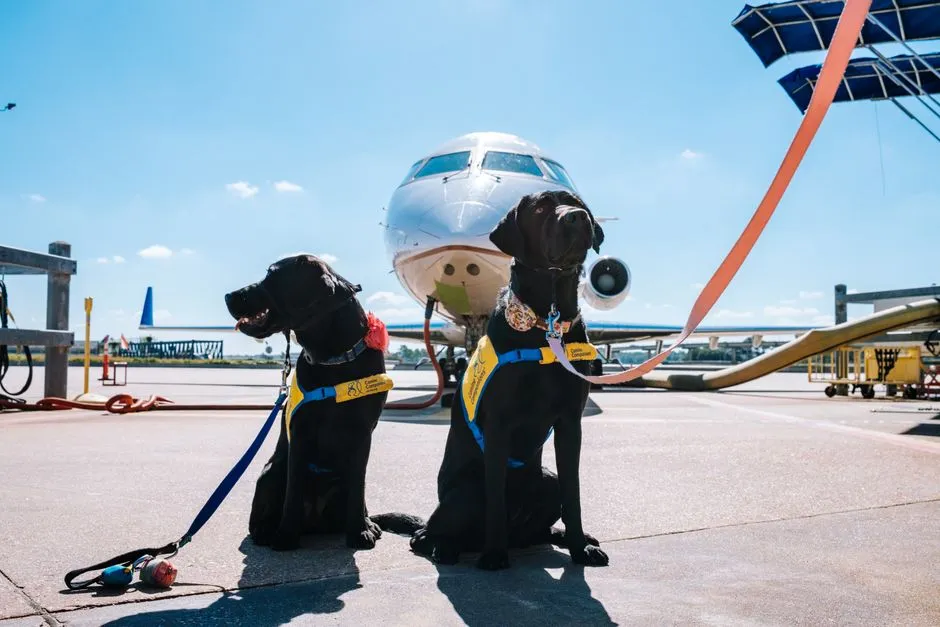
Most travelers assume there is no cap on how many pets can board a given flight. There is. JetBlue, for example, allows a maximum of four pets per flight, while Southwest and Frontier limit their flights to six pets. These are flight-level caps, not per-passenger caps, meaning slots fill up and are not guaranteed even after you book.
The practical implication is simple: notify the airline about your pet at the time of booking, not at check-in. Calling ahead or flagging your pet during online booking locks in your slot and prevents a situation where you arrive at the gate only to learn that the pet quota is already full.
Seasonal Embargoes and Temperature Rules

Summer travel with dogs requires extra attention to temperature policies. American Airlines does not permit cargo pets traveling to or from Phoenix, Tucson, Las Vegas, or Palm Springs from May through September. Other airlines apply similar seasonal embargoes, particularly for cargo or checked baggage travel, when tarmac and cargo hold temperatures can become dangerous.
Delta’s temperature limits for cargo are a maximum of 80 degrees Fahrenheit and a minimum of 20 degrees Fahrenheit. Planning travel in shoulder seasons, spring or fall, significantly reduces the risk of encountering these restrictions. If a summer trip is unavoidable, in-cabin travel is the most reliable option because the passenger cabin remains climate controlled throughout the journey.
The CDC Dog Import Rules That Apply to International Travel
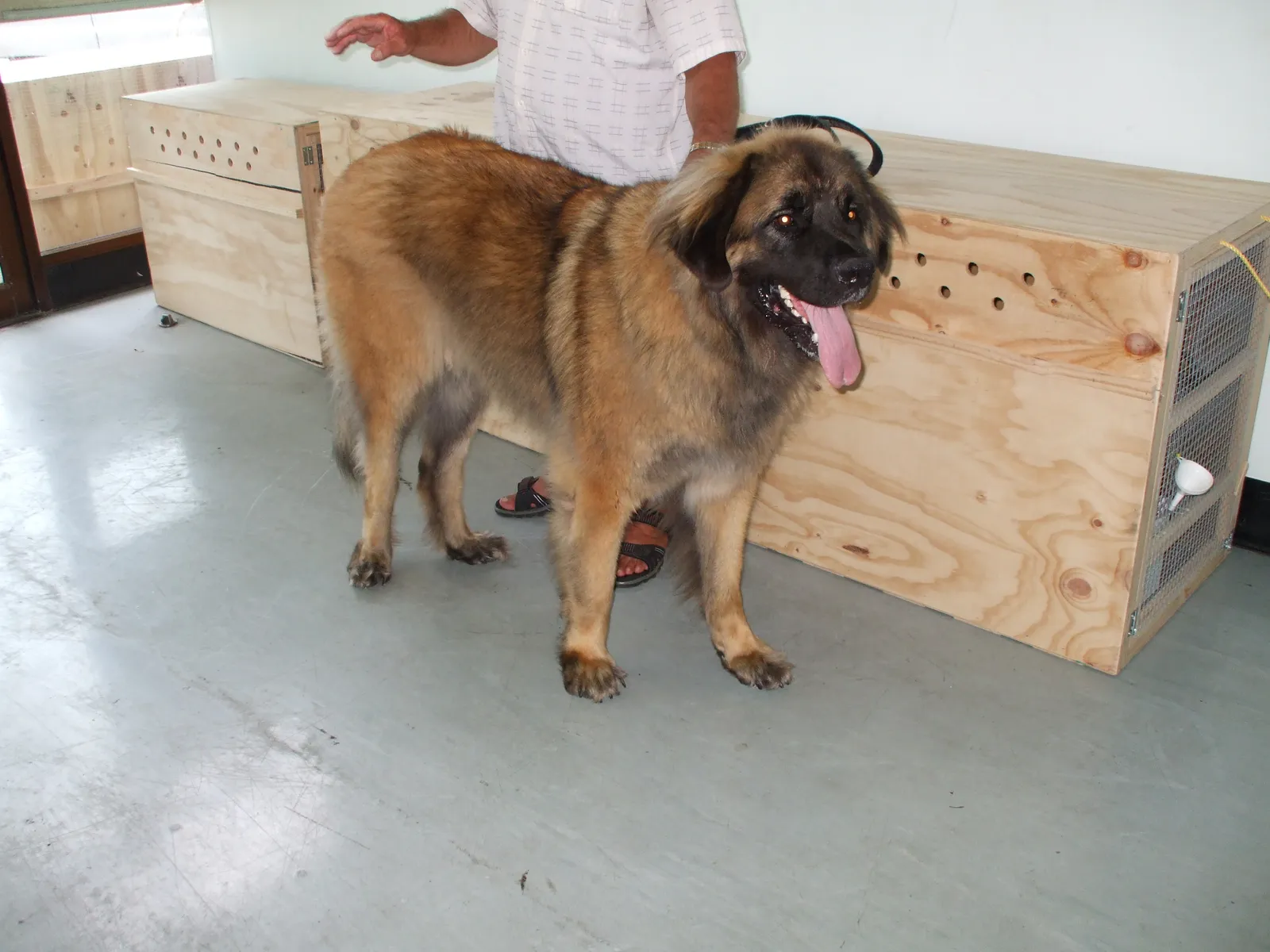
If you are flying internationally with your dog, U.S. entry requirements changed in a meaningful way in 2024. As part of new requirements implemented on August 1, 2024, qualifying dogs traveling from low-risk or rabies-free countries now need a CDC Dog Import Form. This is an additional layer of documentation beyond what most travelers previously expected.
Any dog that does not meet the new CDC requirements for importation to the U.S. will not be accepted for transport. The form must be completed, submitted with enough lead time, and printed for presentation. Allowing 24 to 48 hours to receive the CDC import form receipt is advised, and it must be printed and presented at the time of tender.
Which Airlines Are Currently the Most Dog Friendly
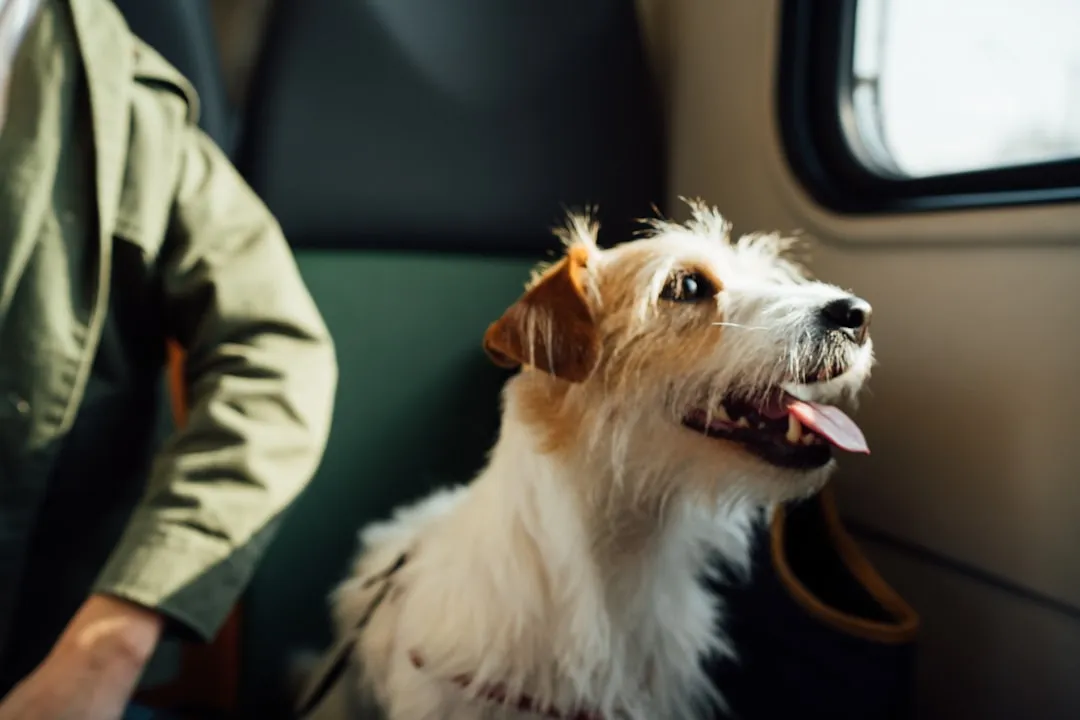
Alaska Airlines is the most popular airline for pet transportation, flying over 107,000 pets in a single year. Its combination of in-cabin and checked baggage options, reasonable fees, and broad species acceptance makes it a consistent top choice among dog owners who travel frequently.
According to a Sniffspot community survey, Delta, Southwest, and Alaska Airlines rank highest for pet travel among dog owner communities. JetBlue is also worth noting for travelers with small dogs, as it imposes no breed restrictions on domestic routes and keeps the in-cabin process straightforward. For owners of larger dogs, JSX and newer carrier RetrievAir have emerged as options that allow larger dogs to fly in the cabin, though route availability remains limited.
The Pet Carrier Is Your Most Important Purchase Before the Trip

Carrier size limits vary by airline: Alaska Airlines allows up to 17 by 11 by 9.5 inches; American, Delta, and United allow up to 18 by 11 by 11 inches; Southwest allows up to 18.5 by 8.5 by 13.5 inches; and JetBlue allows up to 17 by 12.5 by 8.5 inches. Buying a carrier without checking your specific airline’s published dimensions is one of the most common and avoidable mistakes dog owners make.
Soft-sided carriers are preferred not only because they are flexible but also because they tend to be more comfortable for the dog during a long flight. The carrier also counts as your personal item or carry-on on most airlines, so factor that into your packing plan. A well-chosen carrier, bought with your airline’s exact measurements in hand, is genuinely the single detail that makes the rest of the journey feel uncomplicated.
The Bigger Picture: Pet Travel Is Growing and Policies Are Evolving

The 2024 Annual Vacation Confidence Index by Allianz Partners USA found that over 40% of U.S. travelers aged 34 to 54 plan to include their pets on their next holiday, with roughly a quarter of those over 55 doing the same. Airlines are aware of this shift, and policies are being updated with meaningful frequency as a result.
Approximately 54% of cat and dog owners are planning to include their furry companions in upcoming trips, and while nearly 64% of pet owners prefer car travel, about a third choose to fly with their pets. That is a substantial and growing portion of the traveling public, and it is pushing airlines to clarify, improve, and in some cases expand their pet programs. Staying current with your chosen airline’s policy page, rather than relying on third-party summaries alone, remains the most reliable habit a dog-traveling owner can develop.
The Takeaway

Flying with your dog is not as complicated as it first appears, but it does reward preparation. The carrier dimensions, the pet quota, the breed restrictions, the seasonal embargoes, and the documentation requirements are all knowable in advance. None of them are arbitrary once you understand the logic behind them.
The travelers who find air travel with dogs genuinely smooth are almost always the ones who read the specific policy for their specific airline and route, then build their trip around it rather than hoping for flexibility at the gate. That shift in approach, from reactive to proactive, is the real detail that makes all the difference.
AI Disclaimer: This article was created with the assistance of AI tools and reviewed by a human editor.