


Why Screen-Free Games Matter More Than You Think

Before jumping into the games themselves, it’s worth understanding why the type of entertainment matters on a car trip, not just whether it works. The American Academy of Pediatrics recommends limited use of screens for children under five, emphasizing interactive and real-world activities as key to healthy cognitive development.
A 2019 study published in JAMA Pediatrics followed more than 2,400 children from toddlerhood into early school years and found that higher levels of daily screen use at ages 2 and 3 were linked to poorer performance in attention and executive functioning tasks by age 5. That’s a meaningful reason to reach for a game instead of a tablet.
Research shows that excessive screen time can disrupt attention, emotional regulation, and language development in young children. The good news is that the alternatives below are genuinely fun, not just educational in a strained, homework-ish way.
Game 1: I Spy (Adapted for Toddlers)
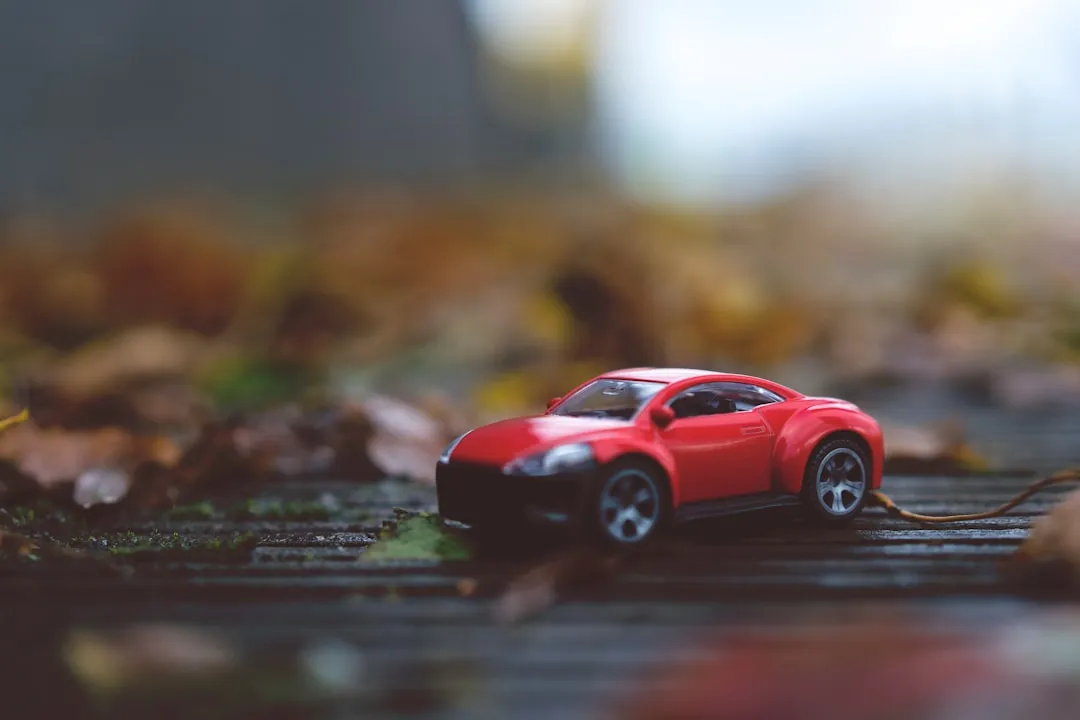
Classic I Spy is one of the best car games for road trips because it works at every age – you just tweak the rules for toddlers. Instead of spelling letters, use colors, shapes, or textures. Think “I spy something round” or “I spy something red.” It’s immediate, it’s visual, and toddlers can genuinely participate.
This game helps children develop their observational skills as they quickly spot objects and focus on details in their surroundings, and it’s a fun way to enhance attention spans and stimulate cognitive development. The verbal clue element is particularly powerful. When an object’s name is spoken aloud, children are able to identify the object significantly faster and are less distracted by surrounding items.
I Spy enhances observation skills as children actively search and identify objects, and it also improves vocabulary as children learn to name and describe what they find. For toddlers especially, connecting words to the world around them builds real neural pathways. Research from Children’s National Health System links early interaction with stimulating, colorful environments to stronger brain development in young children.
Game 2: The Color Scavenger Hunt

Before you leave, draw or print a simple list of colors. As you drive, your toddler checks off each color they spot – a green sign, an orange cone, a white truck. The checklist format gives toddlers a sense of purpose and progress, which keeps engagement going far longer than an open-ended question would.
What makes this game especially effective is that it works with the environment, not against it. The scenery changes constantly on a road trip, which means new colors keep appearing naturally. There’s no need for props, no pieces to drop, and no screen required.
Games like I Spy and color-spotting activities have stood the test of time because they are simple to follow and help develop executive function, self-regulation, and physical skills at a child’s own pace. A color scavenger hunt is essentially that idea made visual and tactile. You can keep a simple printed sheet in the glove box and reuse it on every trip.
Game 3: The Counting Game

Pick something to count – trees, red cars, bridges, cows. Count out loud together and see who can spot the most. It’s one of the simplest best car games for road trips because it works for any age and builds early math skills naturally.
The beauty of this game is its adaptability. On a highway, you count overpasses or green signs. On a country route, you count horses or farm silos. The environment dictates the content, so the game stays fresh across very different types of drives.
Counting games also invite genuine back-and-forth conversation, which matters developmentally. Games like this played in the car help toddlers develop motor, language, social-emotional, and cognitive skills all at once. The competitive element, even a gentle one between a parent and a two-year-old, gives the game natural momentum.
Game 4: Animal Sounds and Name That Animal

This one needs nothing at all – no cards, no printed sheets, no devices. One parent makes an animal sound and the toddler guesses the animal, then they switch. It sounds almost too simple, but toddlers find it genuinely hilarious, especially when adults commit to a very bad cow impression.
According to researchers at the Karyn Purvis Institute of Child Development, play offers children many important benefits – through play, they develop and strengthen social, emotional, and cognitive skills. Vocal play specifically activates language centers in ways that passive entertainment simply doesn’t.
You can layer in more complexity as the drive goes on. Name the animal and then name what it eats, where it lives, or how big it is. Toddlers who are close to three can often handle these simple follow-up questions, which extends the game naturally. The average two-year-old has an attention span of five to eight minutes, which means a good car game needs to be refreshable – and animal sounds can be restarted in different forms easily.
Game 5: Round-Robin Storytelling

One person starts a story with a single sentence – “Once upon a time there was a very small dragon who lived in a mailbox” – and the toddler adds the next part. Then back to you. It doesn’t need to make sense. In fact, the more chaotic and funny it gets, the better the toddler likes it.
Round-robin storytelling is one of those car games that works beautifully across different travel setups, and games that involve verbal turn-taking are easy to run with the whole family. The structure is loose enough to never feel like homework, but it keeps toddlers actively thinking rather than passively waiting.
Storytelling games also support language development in a meaningful, low-pressure way. Children are building narrative skills, sequencing events, and experimenting with vocabulary in a context that feels purely playful. As children describe the world around them or things they’re imagining, they learn new words and concepts, which helps expand vocabulary and encourages the use of descriptive language crucial for effective communication.
How to Rotate Games for Maximum Engagement
Having a range of car activities for toddlers and some road trip games is important, as their attention span is limited. Rotating between games every ten to fifteen minutes, rather than pushing one activity until your child grows frustrated, tends to work far better in practice. Think of it as a playlist, not a single track.
Keep a loose mental schedule. Start with something visual like I Spy or the color hunt, transition to something active-vocal like animal sounds, then ease into storytelling as the drive matures and your toddler settles into a quieter rhythm. Matching the game to the child’s energy level at a given moment makes a real difference.
Giving your toddler a clear two-minute warning before switching activities or stopping helps avoid meltdowns. Abrupt transitions are one of the most common triggers for emotional escalation on long drives. Small, predictable cues make the whole experience feel safer for a toddler who can’t yet read a clock or understand distance.
The Role of Rest Stops in Keeping Games Effective
Even the best games won’t survive if a toddler hasn’t had a chance to move. Simple activities at rest stops – kicking a ball, blowing bubbles, a quick game of chase – are not just entertaining. They activate the proprioceptive system, which helps toddlers regulate their emotional state when they return to the car.
A well-timed stop every ninety minutes to two hours keeps the games working in the stretches between. A toddler who has run around for ten minutes is a very different co-pilot than one who has been strapped in for four straight hours.
Toddlers between 1 and 3 years old typically sleep 12 to 14 hours in a 24-hour period, according to the American Academy of Pediatrics, and sleep disruption during travel is one of the more common triggers for behavioral escalation. Planning drives around nap windows when possible gives you a natural quiet stretch to use however you like.
What Makes a Toddler Game Actually Work in a Car

The five games in this article share a few qualities that matter specifically in a vehicle. They require no pieces that can roll under seats. They don’t depend on a screen or a charge level. They invite back-and-forth conversation rather than passive consumption. These things matter in a way that’s easy to underestimate until you’re ninety minutes into a drive with a restless three-year-old.
Different age groups have different attention spans and interests, which is why it makes sense to plan car activities based on your child’s specific age group so you can find ideas your kids genuinely love. All five games above can be adjusted upward or downward in complexity with a simple tweak.
None of these games cost money. None require packing. They travel with you without taking up any space in the car. That simplicity is actually a feature – the easier a game is to start, the more likely you are to use it when things get loud and you need it fast.
A Word on Toddler Temperament and Flexibility

Not every game works for every child, and that’s worth saying plainly. Some toddlers love storytelling games and have no patience for scavenger hunts. Others will count animals for forty minutes straight and fall asleep mid-tally. It’s worth trying each of these at home before a long trip to get a sense of which ones land with your specific kid.
Fun on a family trip doesn’t have to cost money, and this applies to travel games that are easy to learn and easy to start on the fly. The best game is always the one your child will actually play, not the one that looks most impressive on a packing list.
Stay flexible, read your child’s mood, and don’t hesitate to abandon a game that isn’t working. A toddler who has decided they’re done with I Spy for the next hour is not going to be reasoned back into it. Move on, rotate to something else, and come back to it later when they’ve forgotten they were bored.
Final Thoughts
Road trips with toddlers don’t have to be a test of endurance. With a few well-chosen games and a willingness to rotate frequently, the drive itself can become a genuinely good part of the trip rather than just the hours you survive before arriving.
The five games here – I Spy, the color scavenger hunt, counting, animal sounds, and round-robin storytelling – are proven, research-supported, and free. They work because they engage toddlers in real conversation and active thinking rather than passive distraction.
The miles pass differently when a small person in the back seat is mid-story about a dragon who has decided to move from the mailbox into a fire truck. That’s the quiet magic of a good car game – it doesn’t just fill the time, it makes the time worth remembering.
AI Disclaimer: This article was created with the assistance of AI tools and reviewed by a human editor.