
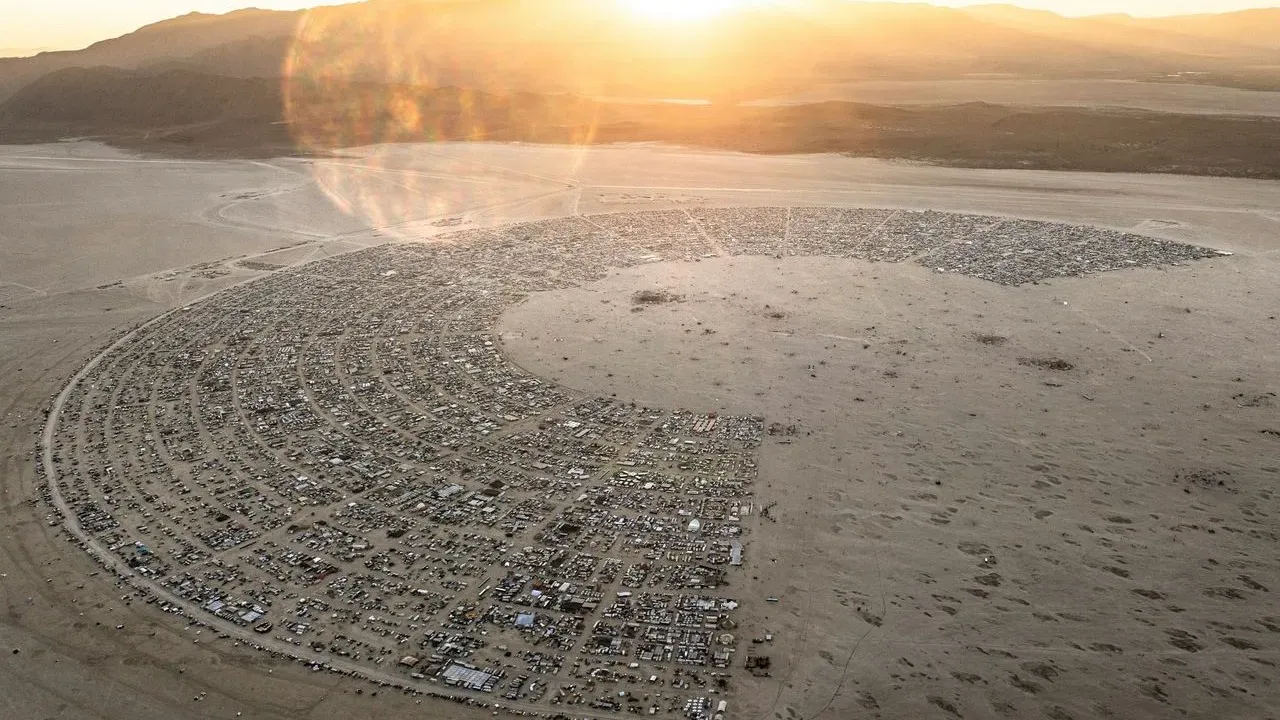

Each late summer, a remarkable gathering unfolds in the remote expanse of Nevada’s Black Rock Desert. Travelers arrive from distant corners of the globe to create a temporary community that exists for only a brief window before it is carefully dismantled and the landscape returned to its natural state. This year marks the 40th edition of Burning Man, a milestone that underscores the enduring appeal of its distinctive traditions. Among them is the culminating ritual of burning a large wooden structure, an act that has long drawn participants seeking shared experience and creative expression. ([1])
A Desert Setting That Shapes the Experience
The Black Rock Desert provides more than a backdrop; its vast, flat playa and extreme conditions define the rhythm of the event. Participants must prepare for intense heat by day and sharp temperature drops at night, fostering a sense of self-reliance that many describe as central to the journey. The isolation of the location encourages a deliberate pace, where daily life revolves around communal support and adaptation to the environment. This setting transforms travel into an intentional act, one that rewards those who approach it with respect for both the land and fellow visitors.
Over four decades, the gathering has evolved while remaining rooted in its origins. The 40th edition continues long-standing practices that emphasize collective participation and the creation of art and structures from the ground up. Attendees often speak of the profound contrast between the emptiness of the desert upon arrival and the vibrant, self-organized city that emerges within days. That contrast remains one of the most compelling aspects for those who make the pilgrimage year after year.
Traditions That Bind a Global Community
Central to the event is the principle of leaving no trace, a commitment that aligns closely with responsible travel values. Every structure, installation, and piece of infrastructure is removed at the conclusion, restoring the desert floor to its original condition. This practice reflects a deeper ethic of stewardship that many participants carry into their lives beyond the event. It also serves as a quiet reminder of the fragility of natural places and the care required to visit them thoughtfully.
The ritual burning of the wooden structure stands as the most visible expression of these shared values. Held at the close of the gathering, the act brings thousands together in a moment of collective reflection. For many, it represents release, renewal, and the impermanence of all human creations. The tradition has endured through the decades, evolving in scale yet retaining its core significance as a unifying ceremony.
Travelers Drawn by Connection and Creativity
People arrive from every continent, united by curiosity and a desire to participate in something larger than themselves. The journey itself often becomes part of the story, involving careful planning, long drives across remote highways, and the logistics of sustaining life in a harsh environment. Once there, the emphasis shifts from spectatorship to contribution, whether through art, performance, or simple acts of mutual aid. This participatory spirit distinguishes the experience from more conventional festivals and continues to attract a diverse, international audience.
The 40th edition arrives at a time when many travelers seek meaningful, low-impact ways to connect with others. Burning Man’s model of radical inclusion and communal effort offers one such path, provided visitors arrive prepared to honor its principles. Those who do often return home with renewed appreciation for creativity, resilience, and the power of temporary communities to leave lasting impressions.
Looking Ahead After Four Decades
As the structures are dismantled and the desert reclaims its solitude, the lessons of the gathering linger. The 40th year reinforces that places like the Black Rock Desert can host profound human experiences when approached with intention and care. For travelers considering the journey, the event continues to stand as an invitation to step outside ordinary routines and engage with both the land and one another on deeper terms. In that sense, Burning Man remains less a destination than a practice in mindful presence.
AI Disclaimer: This article was created with the assistance of AI tools and reviewed by a human editor.