
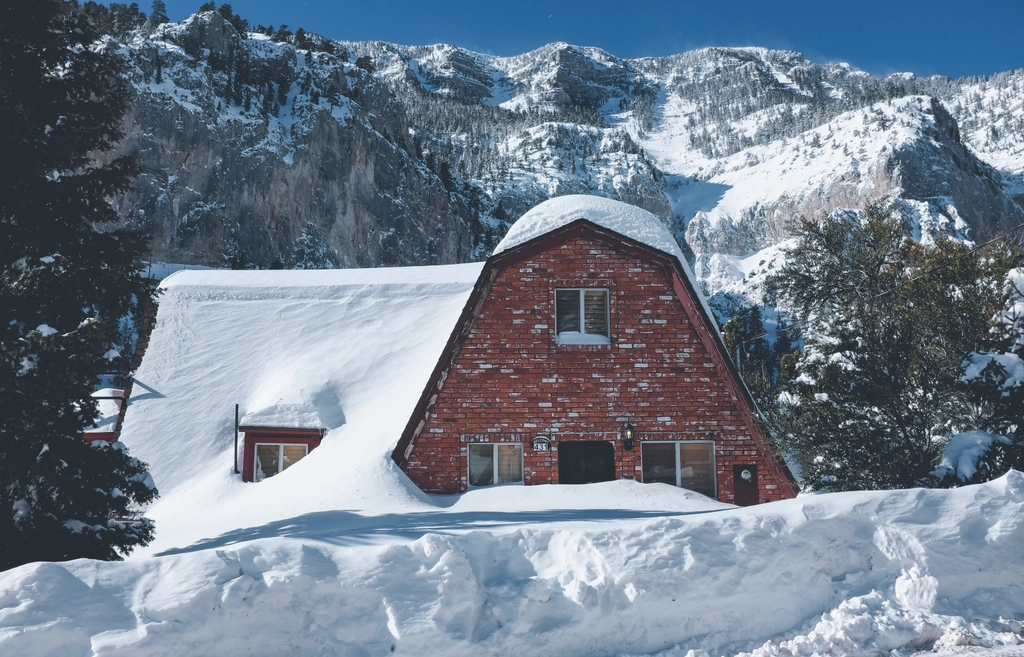

Most people picture Nevada as a relentless stretch of sand, casino neon, and triple-digit heat. That picture isn’t wrong, but it’s incomplete. Tucked into the Spring Mountains just northwest of Las Vegas sits Mount Charleston, a community perched at roughly 7,500 feet that quietly transforms into one of the state’s most sought-after refuges once June rolls around.
The town itself is small and unhurried, with a full-time population of just over 300 people according to the 2020 U.S. Census. Its appeal, though, reaches well beyond those few hundred residents, drawing thousands of valley-weary Nevadans every summer who simply want to breathe cooler air among pine trees.
The Heat Below Makes the Choice Easy

Nevadans are feeling the effects of extreme heat in real, daily ways. A UNLV survey found that more than half of Nevadans said paying energy bills comes at the expense of cutting back on groceries and other essentials, and roughly four in ten reported experiencing heat-related health problems like heat exhaustion and heatstroke.
In 2024, average highs in Las Vegas were nearly 108 degrees, with the mercury peaking at a record-breaking 120 in July. That kind of heat doesn’t just make outdoor life uncomfortable. It becomes a genuine health risk, and people respond by looking for any reasonable exit.
An Elevation That Changes Everything
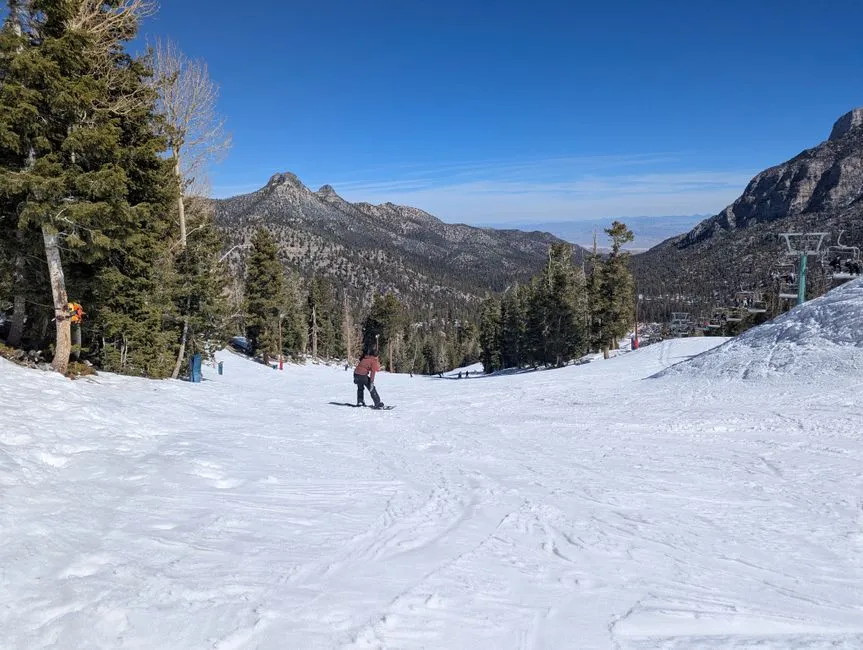
At an elevation of approximately 7,500 feet, temperatures at Mount Charleston are much lower than in Las Vegas, which sits at about 2,000 feet. The mean high temperature at the mountain is more than 20 degrees Fahrenheit cooler than in the valley below.
Summers are markedly cooler than in the lower deserts, with the average July high reaching only around 79 degrees Fahrenheit and nighttime lows often dropping below 50 degrees. For a Las Vegas resident who has been living through 115-degree afternoons, that kind of evening chill feels almost miraculous.
Close Enough to Feel Spontaneous
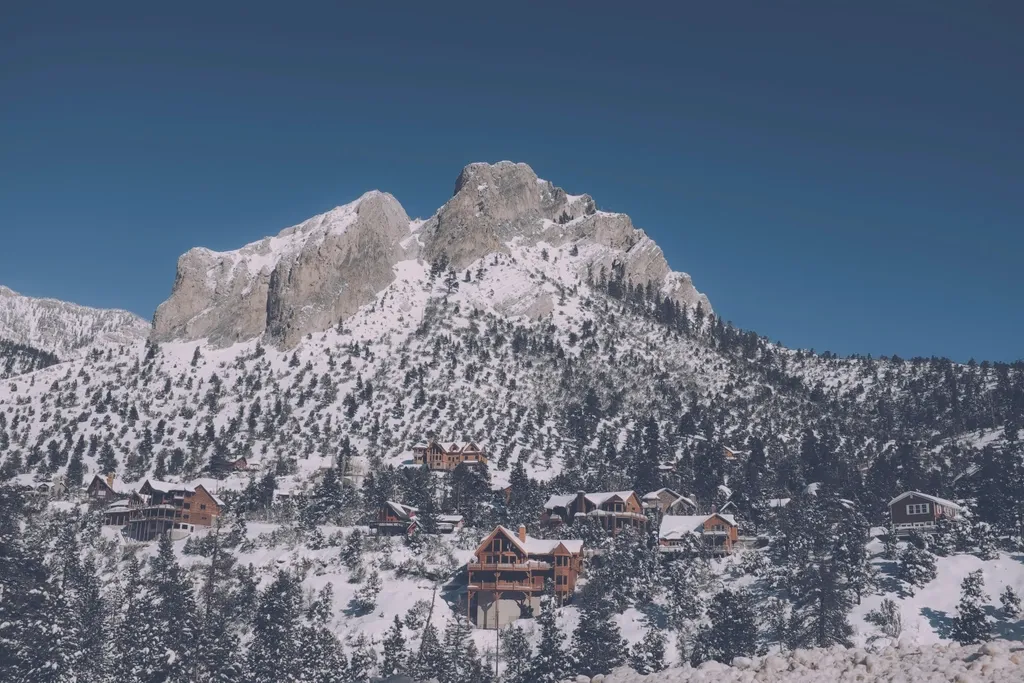
Mount Charleston is about 45 minutes from Las Vegas. With temperatures almost 30 degrees below the city, it makes a perfect escape from the summer heat. That short drive matters enormously. A mountain retreat that requires a long journey is a vacation. One that takes under an hour is something people do on a Tuesday afternoon.
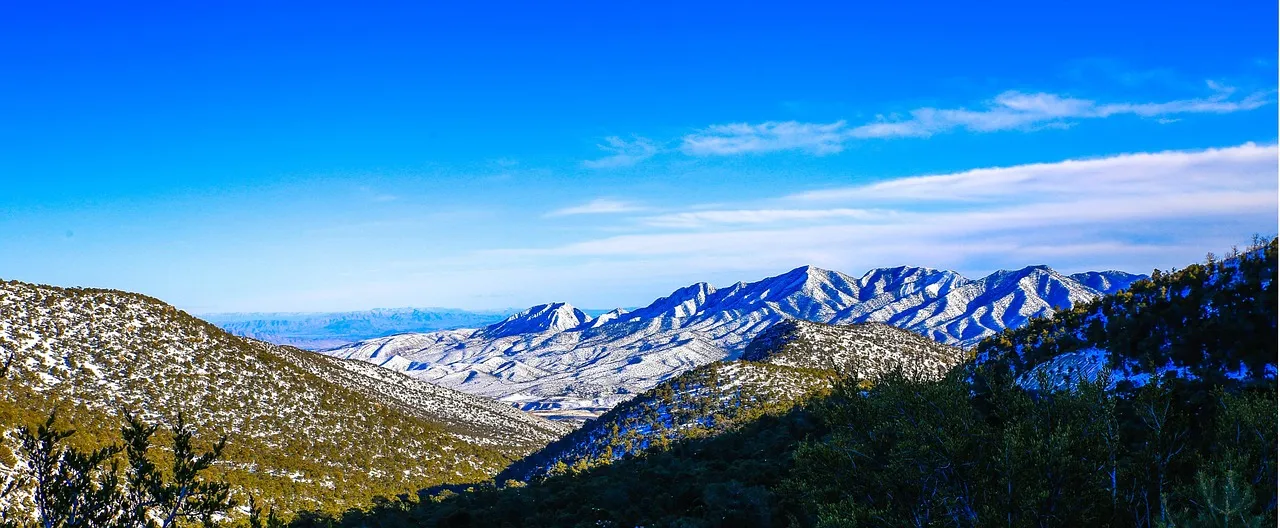
The Spring Mountains are recognized as “sky islands” because the high elevation creates an oasis of cool weather away from the desert heat. The phrase captures it well. You ascend through brush and rock and then, almost suddenly, the landscape softens into forest.
Trails for Every Kind of Visitor
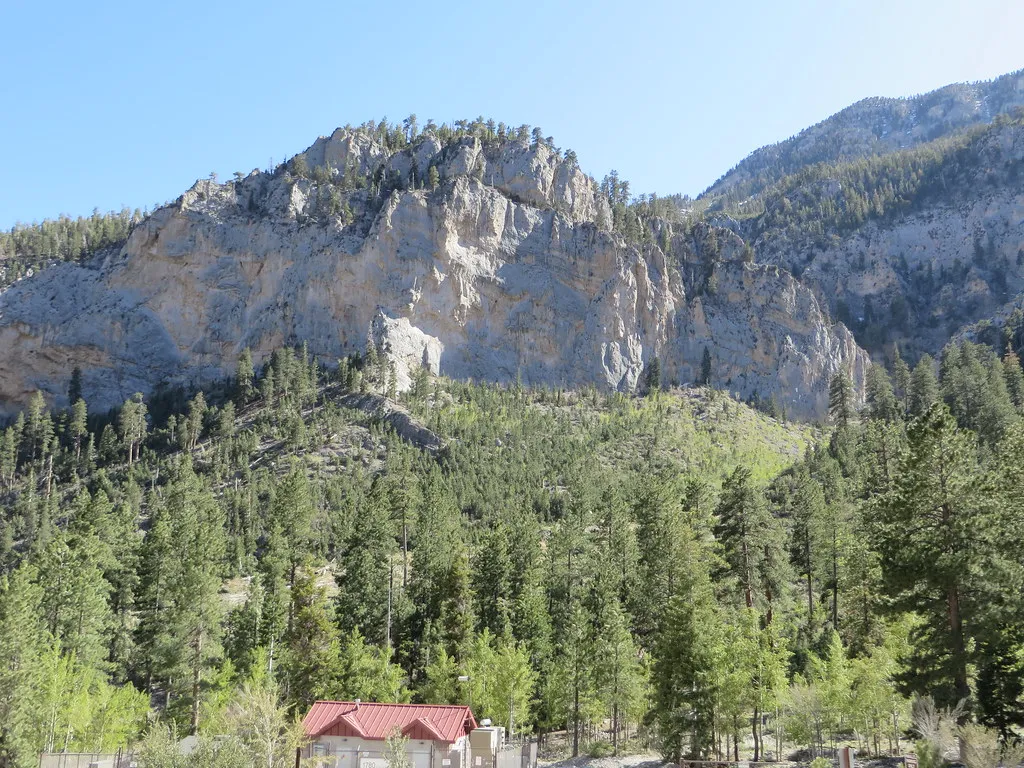
Hikers can explore miles of scenic trails surrounded by pine and aspen trees, with picnic spots, campgrounds, and wildlife sightings like wild horses and deer woven throughout the area. The variety is part of the draw. Families with young children and experienced trail runners can both find something appropriate.
The Spring Mountains National Recreation Area offers 13 campgrounds and picnic sites, with those sites serving as central points for biking, camping, hiking, and stunning views. It’s a well-organized natural space that still feels genuinely wild in places, which is a balance not every recreation area manages to strike.
Lee Canyon and the Summer Chairlift Experience

It’s not uncommon to experience temperatures at least 15 degrees cooler at Lee Canyon than on the floor of the Las Vegas Valley. The canyon offers summertime activities like disc golf and scenic chairlift rides, which are especially appealing as the season shifts.
The scenic chair ride takes visitors up to a peak elevation of 9,370 feet, offering panoramic views of the Spring Mountains. Lee Canyon’s ski resort opens for summer season operations beginning in late May and runs through the warmer months. Most people associate chairlifts with snow. Riding one in July through ponderosa pine country, looking out across the desert far below, is a genuinely surprising pleasure.
A Sky Island Ecosystem Unlike Anything Below
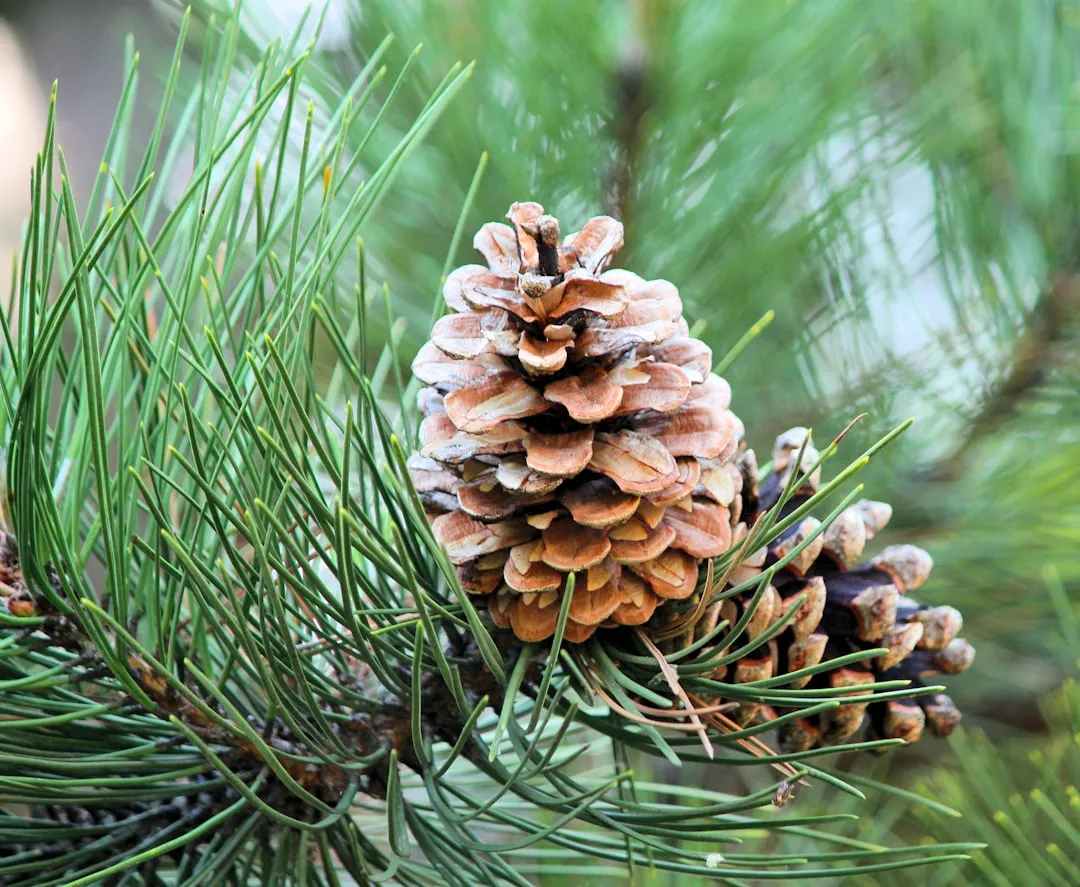
The high elevation of the Spring Mountains’ peaks creates an oasis of cool weather away from the desert heat. The ecological contrast is dramatic. The mountain supports a completely different set of plants and animals than the Mojave Desert just minutes below, including bristlecone pines, mule deer, and several species found nowhere else in Nevada.
This layered landscape gives the mountain a genuine sense of place that purely recreational destinations often lack. It’s not just a relief valve from the heat. It feels like an entirely different world sitting on top of the same state.
A Quiet Community With Real Character
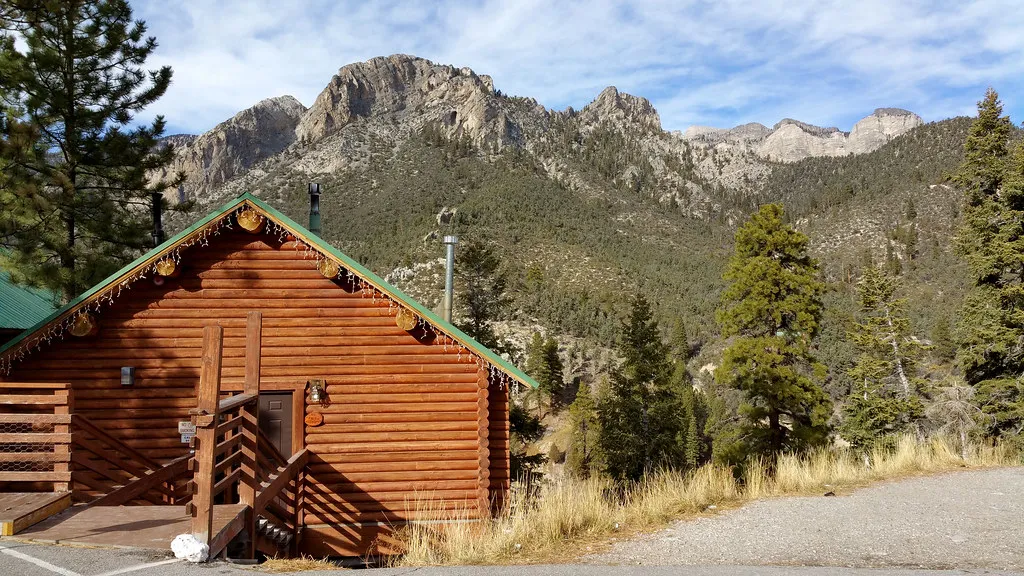
Mount Charleston is known for its Retreat on Charleston Peak, a 64-room hotel that anchors the town’s modest accommodation scene. The area is also known as a vacation village for wealthy Las Vegas residents, though its appeal has always stretched well beyond any single income bracket. Locals from all corners of the valley make the drive.
The town’s four neighborhoods, Echo, Cathedral, Old Town, and Rainbow, each carry their own feel. Some areas are dense with cabins and second homes. Others open up into meadows where you’d hardly know a major city was just 35 miles away.
The Climate Data Behind the Crowd

The most popular time to visit Mount Charleston is June, July, and August. July is the month that experiences the highest temperatures throughout the year, averaging around 70 degrees Fahrenheit, which still represents a profound contrast to the desert floor. Knowing the numbers makes the pattern make sense. This isn’t just anecdotal seasonal tourism. It follows the temperature gap reliably every year.
Mount Charleston weather is very unique compared to the surrounding desert areas. In the summer months, the weather on the mountain runs around 20 degrees cooler than in the city. That consistency is part of what makes the destination trustworthy. People return because the relief is predictable.
Increasing Pressure on the Mountain’s Own Climate
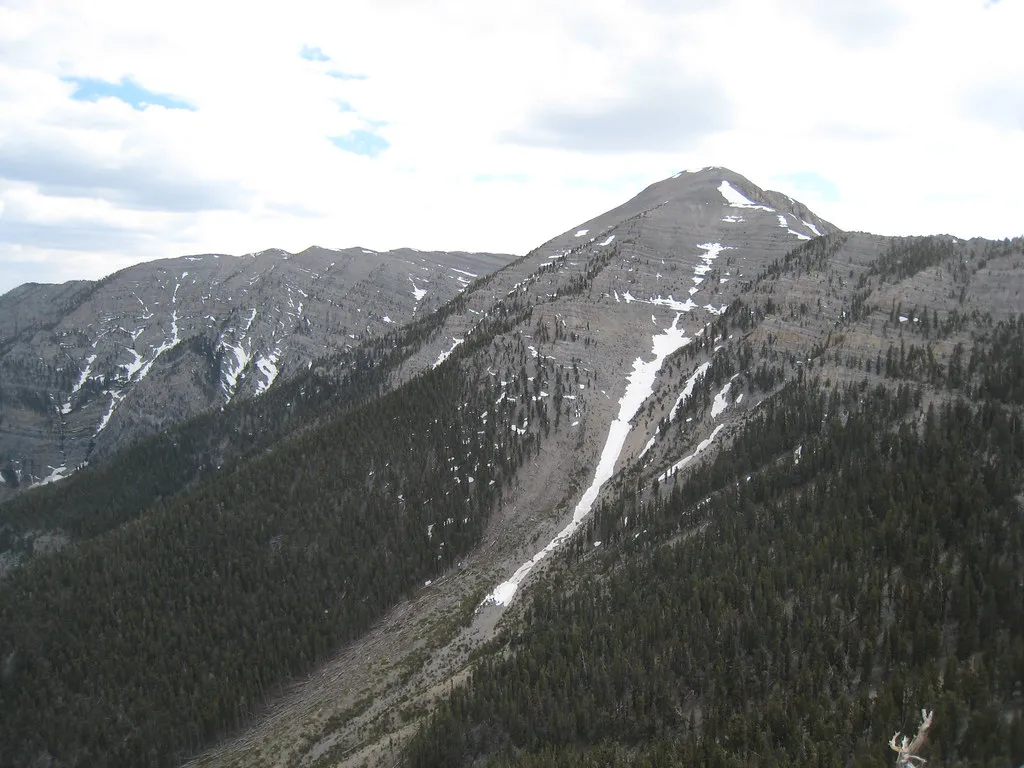
It’s worth noting honestly that Mount Charleston is not immune to the broader warming trends affecting the region. As temperatures rise in the nation’s second-fastest-warming metro area, even residents in areas that traditionally didn’t require cooling have started installing air conditioning. Mount Charleston itself is seeing increasingly intense heat waves in the summers.
That context matters. The temperature relief the mountain offers remains very real, but the gap between the valley and the summit has been quietly narrowing over time. Enjoying what Mount Charleston offers today carries with it an awareness that its role as a cool refuge is worth protecting thoughtfully.
Why People Keep Coming Back
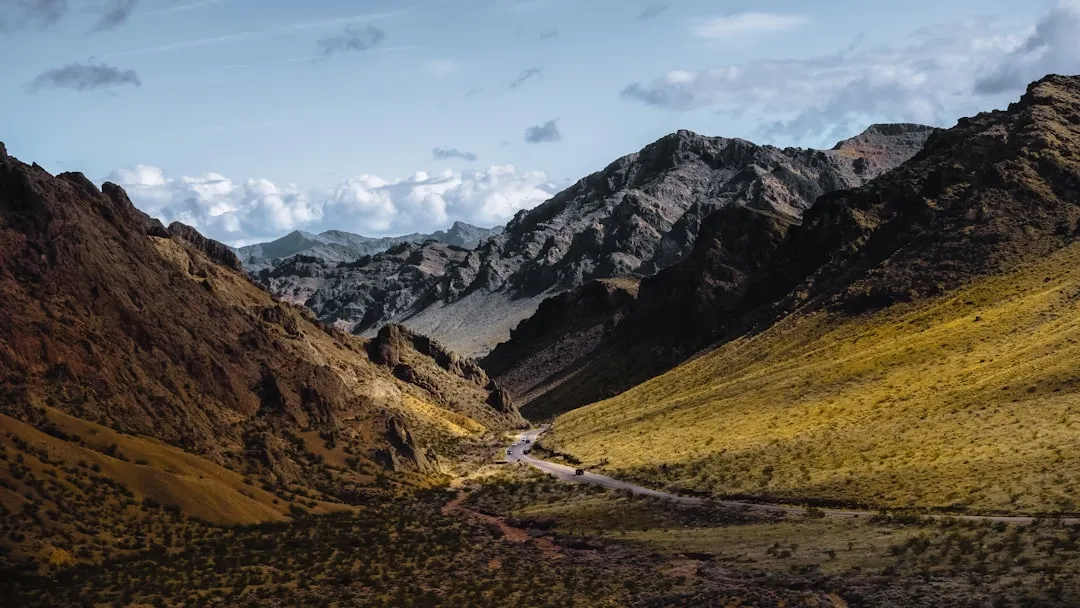
The reasons Nevadans return to Mount Charleston every summer aren’t complicated. The temperature difference is measurable and immediate. The drive is short. The Spring Mountains National Recreation Area and the town of Mount Charleston offer locals fun opportunities to escape the Las Vegas hustle year-round, with the summer months drawing those specifically seeking cooler temperatures and outdoor access.
Nevada’s mountain towns offer a refreshing break, where crisp mornings, pine-scented trails, and scenic drives rewrite how summer feels. That rewriting is what people are really after. Not just a lower temperature, but a completely different experience of the season. Mount Charleston delivers that, reliably, every year, and the crowds heading up the mountain each summer are all the evidence needed.
A Retreat Worth Understanding
Mount Charleston isn’t famous the way Las Vegas is famous. It doesn’t have a marketing campaign or a signature show. What it has is altitude, forest, and the practical wisdom of Nevadans who learned long ago that the best way to survive a desert summer is to simply rise above it.
The pattern is simple, grounded, and honest. When the valley bakes and the air shimmers above the asphalt, a significant portion of southern Nevada’s population quietly points their cars northwest, climbs into the Spring Mountains, and exhales. That’s the whole story, and it turns out to be a very good one.
AI Disclaimer: This article was created with the assistance of AI tools and reviewed by a human editor.