
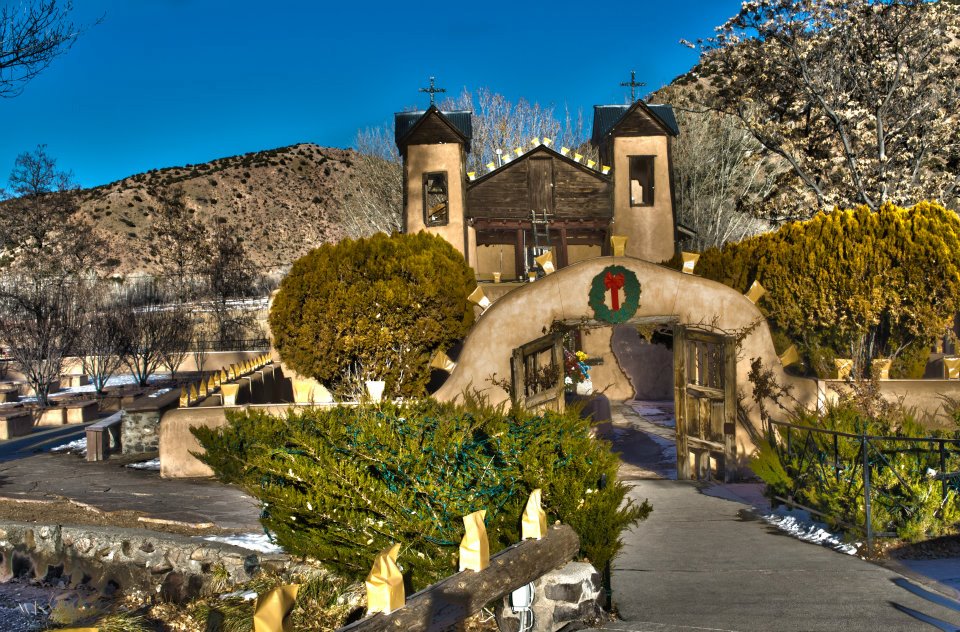

The High Road That Makes the Journey Its Own Reward
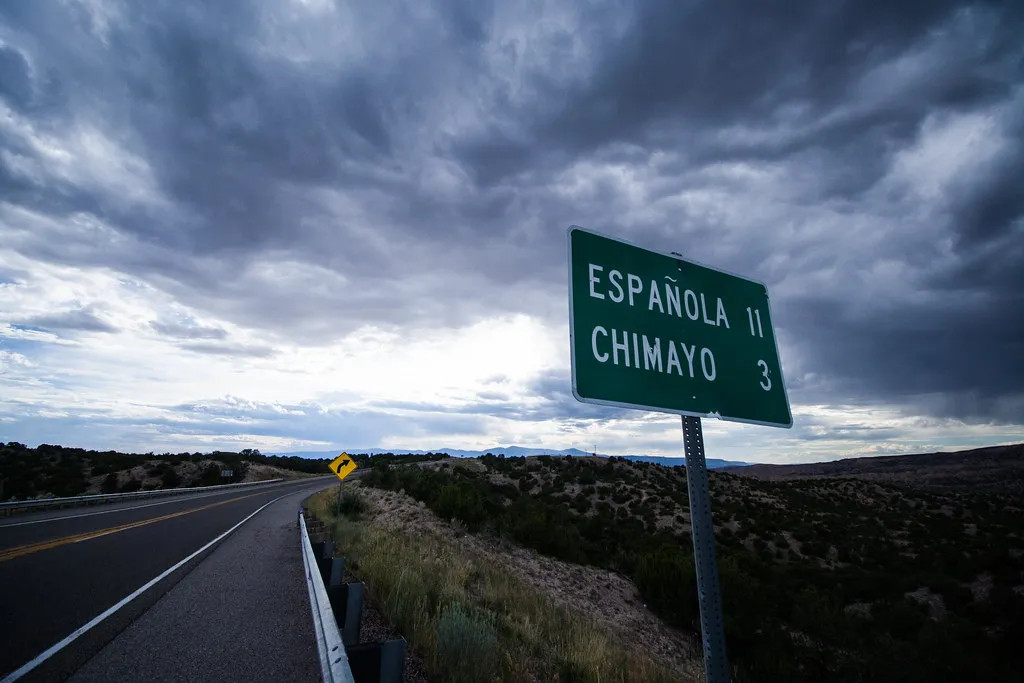
Chimayó sits roughly 28 miles north of Santa Fe along the famous High Road to Taos, a route that threads through some of the most evocative terrain in the American Southwest. If you drive from Santa Fe toward Taos and take a detour into the Sangre de Cristo Mountains, past adobe churches and wool weaving studios, you arrive at the village of Chimayó. In autumn, the high desert takes on a quality of amber and ochre that photographs rarely do justice. The roadside is punctuated by cottonwood trees gone full gold, and the villages along the way feel ancient in a way that is simply true rather than curated.
The drive itself is considered part of the experience by those who return annually. It slows you down in exactly the right way, before you even arrive.
A Sacred Place with Layers Going Back Centuries
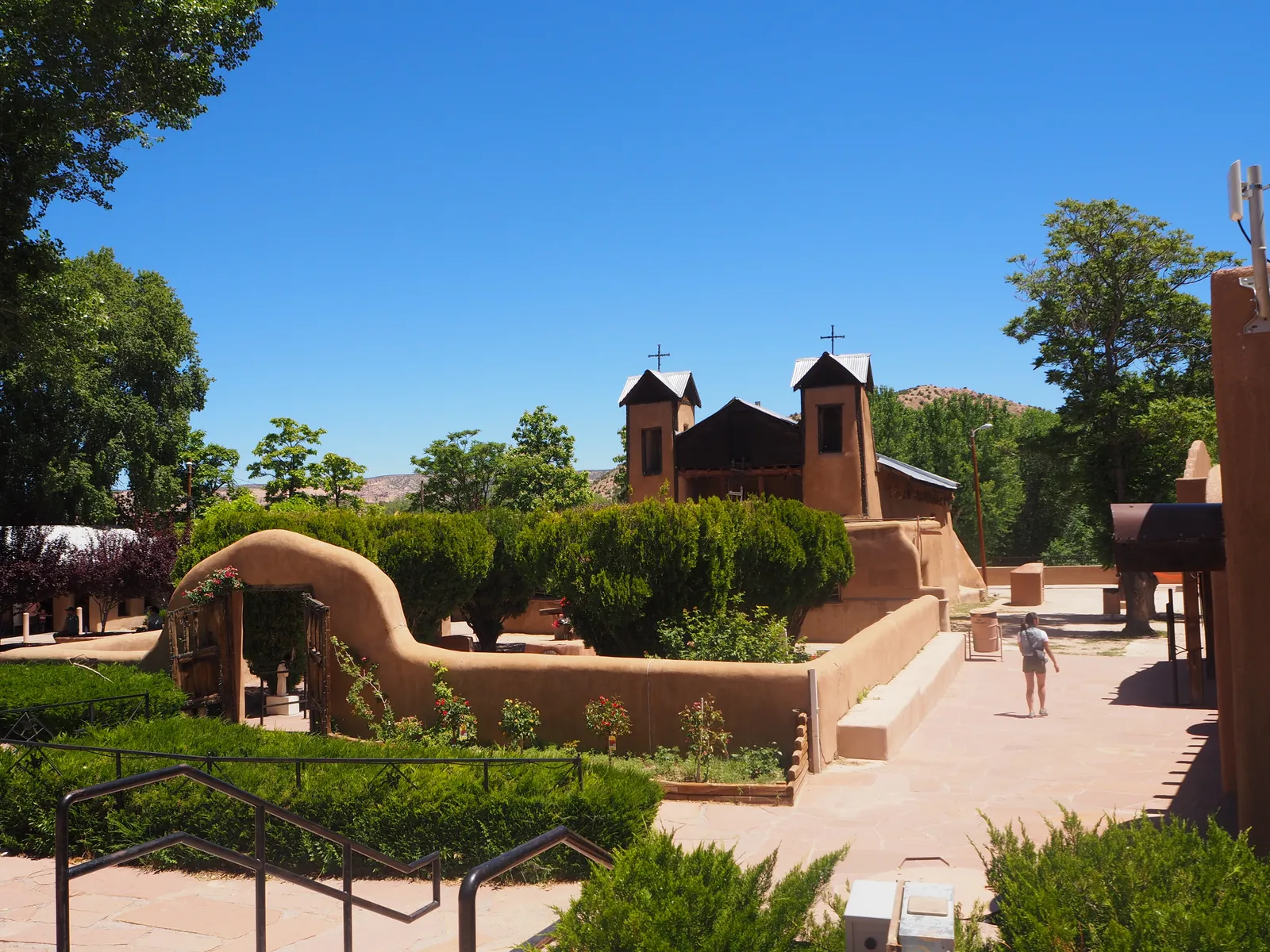
El Santuario de Chimayó, a small shrine located in the Sangre de Cristo Mountains, has been a place of worship since before its construction in 1813. The spiritual weight of this site is genuinely old. The Pueblo and Tewa peoples used the site of El Santuario de Chimayó for healing long before Spanish occupation. That layering of Indigenous and Spanish Catholic tradition gives the village a spiritual texture that does not feel manufactured or theme-park-adjacent.
Through the years, the story of the crucifix became intertwined with earlier indigenous beliefs. While the hot springs had dried up, the earth they left behind was said to have healing properties. That blending of traditions across cultures is what makes Chimayó feel genuinely singular, not just historically interesting.
The Santuario: America’s Most Visited Pilgrimage Site
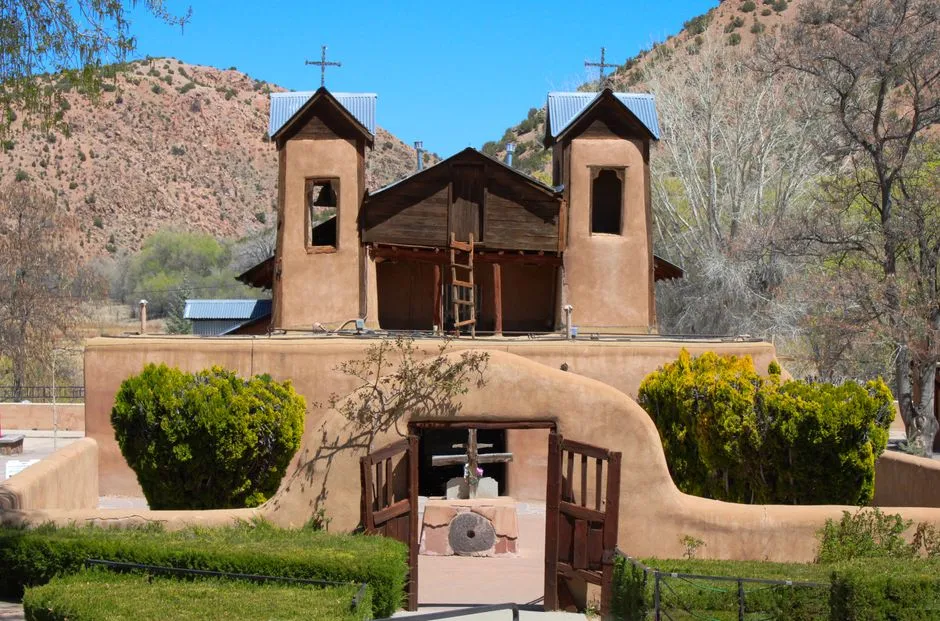
El Santuario is now one of the most important Catholic pilgrimage centers in the United States and one of the most beautiful examples of Spanish Colonial architecture in New Mexico. Today it attracts over 300,000 pilgrims from all over the Southwest and elsewhere each year. While Holy Week draws the largest single gathering, the fall months bring a quieter stream of visitors who often find the experience more contemplative without the crowds.
The ex-voto rooms within the Santuario, where pilgrims leave offerings, feature a diverse collection of meaningful objects, from paintings and prints of santos to photographs, letters, locks of hair, military dog tags, and crutches, all testaments to the faith and hope that draw people to Chimayó. Spending time in those rooms in October, with the autumn light coming through the small windows, is quietly arresting.
The Chile Harvest That Defines the Season
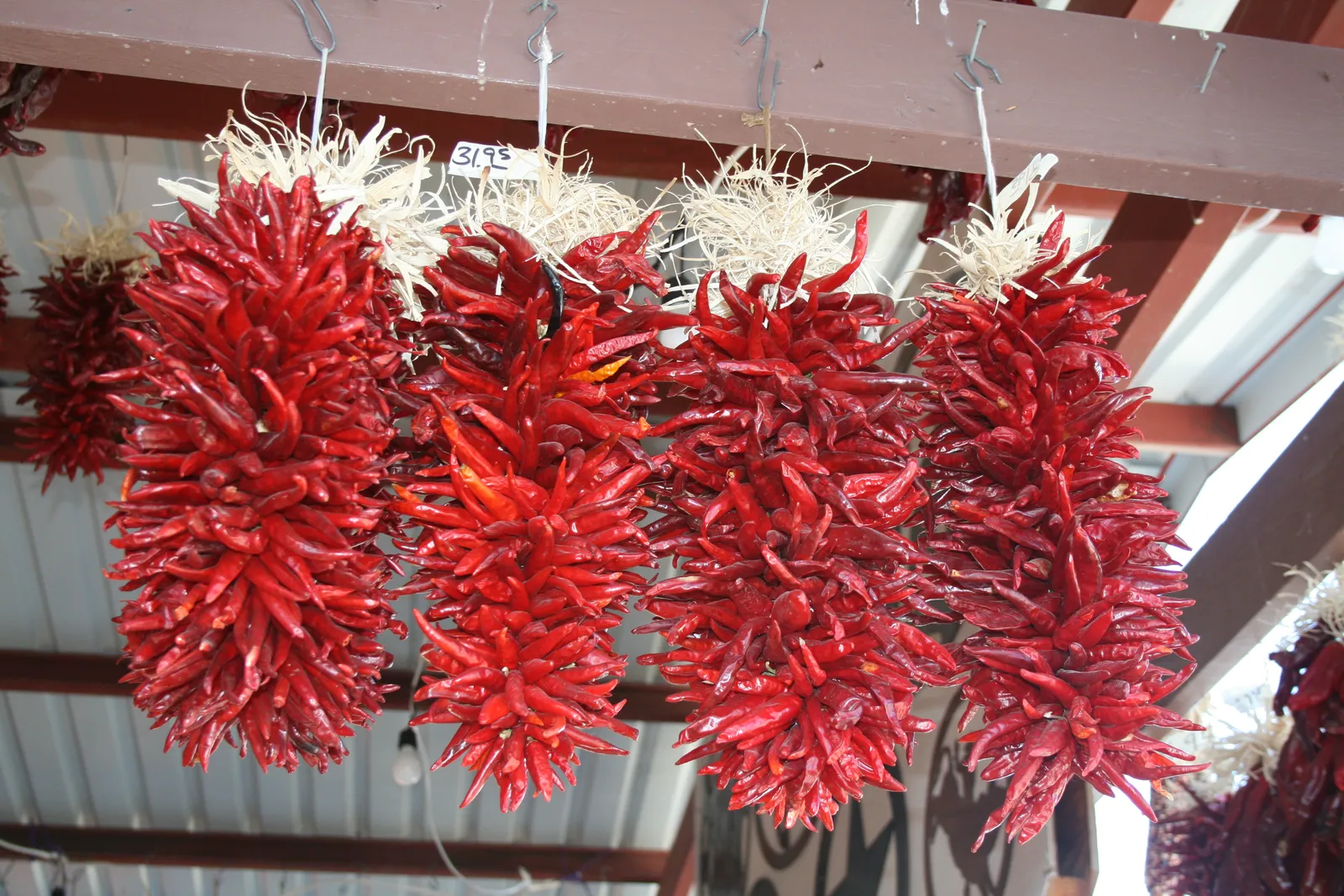
Adobe structures and artisan weaving shops line the town, and red chile ristras hang from the eaves of houses drying in the sun. When the chile is harvested by Chimayósos in October and November, production is mostly shared with family and friends, with about 30% of the yield sent to market. This is not a commodity crop in any conventional sense. It is a hyperlocal food tradition tied specifically to this valley’s soil and altitude.
Many chefs believe Chimayó is the home of the most delicious chile pepper in the American Southwest. Prices are typically higher than commercial chile products due to this limited availability. At peak harvest season, the ristras hanging from portals and doorways are less decoration than they are a working part of home kitchens and a source of genuine local pride.
Weaving Traditions Seven Generations Deep
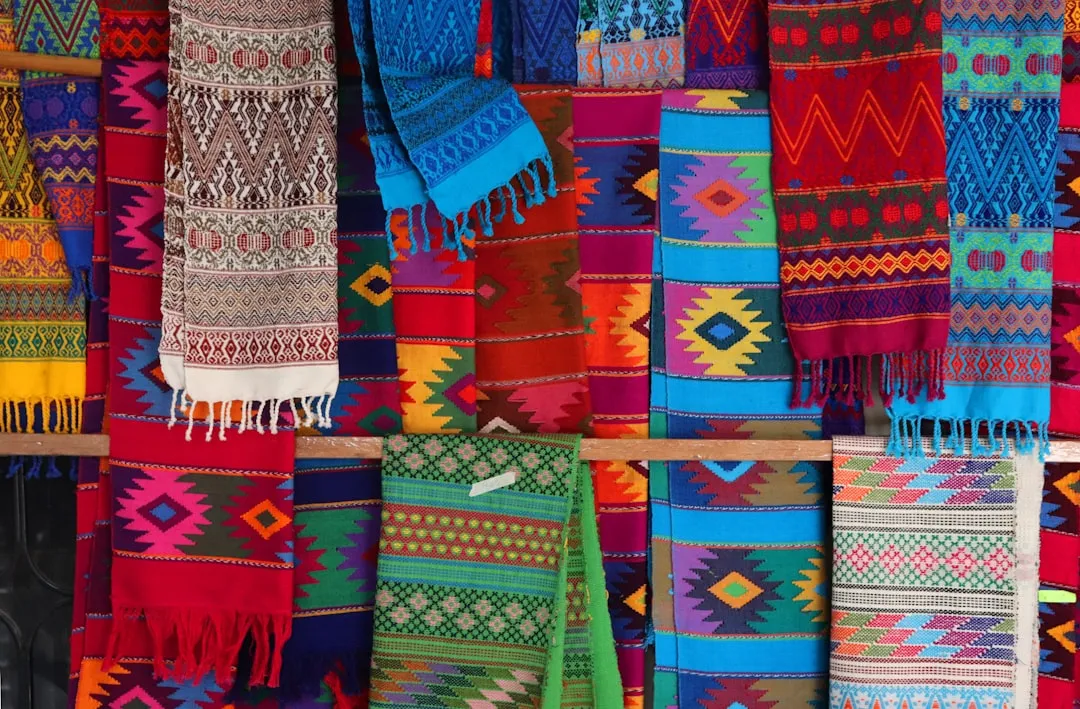
In this small village, families still maintain the tradition of crafting hand-woven textiles initiated by their ancestors seven generations ago, in the early 1800s. The fall season, with its slower pace and cooler air, is one of the best times to sit in a weaving shop and actually talk with the craftspeople who keep these skills alive. Two local families, the Ortegas and the Trujillos, operate weaving shops passed down through generations that are filled with colorful, hand-crafted blankets, rugs, and clothing items.
Centinela Traditional Arts is run by Irvin and Lisa Trujillo, award-winning weavers whose work has been shown in museums worldwide, including the Smithsonian. Irvin Trujillo is a seventh generation weaver who was a 2007 National Heritage Fellow, and in 2015 he won the Governor’s Award for Excellence in the Arts. His work can be found in museums throughout the country. Buying directly from these family shops in autumn means supporting an artisan economy that has survived for over two centuries.
The Quality of Light That Artists Have Always Chased
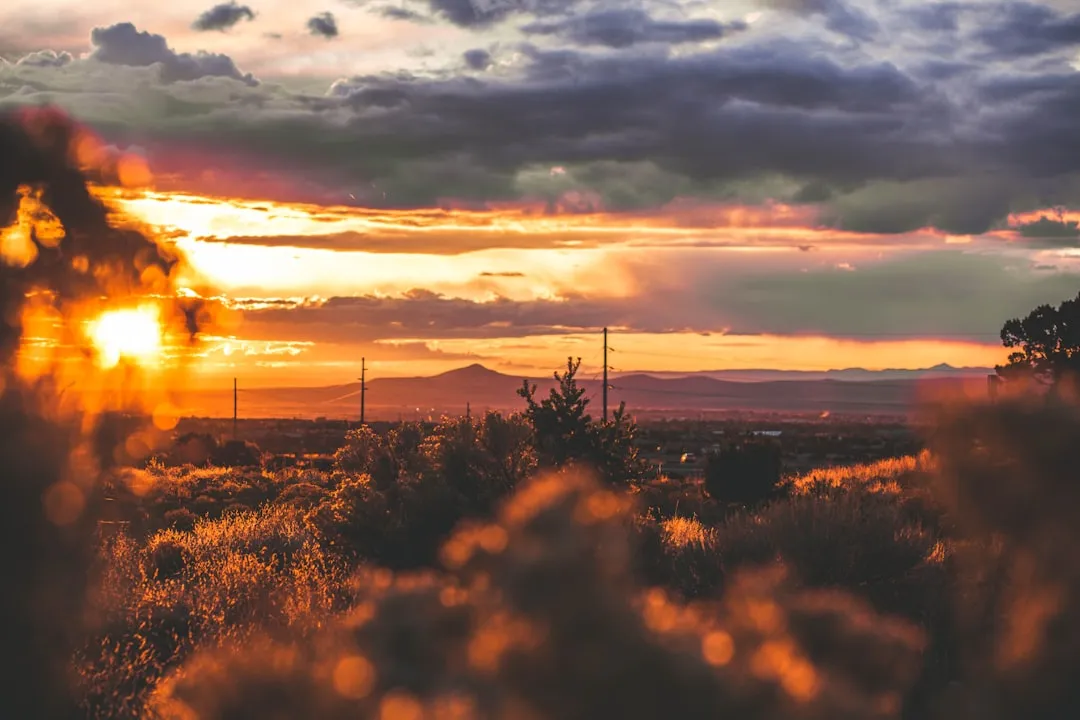
New Mexico truly does enchant travelers with its diverse terrain, deep cultural heritage, and dramatic light. That last word matters. Northern New Mexico has long attracted painters and photographers precisely because of how the autumn sun interacts with adobe walls, bare cottonwoods, and the deep red soil of the high desert. In Chimayó, where there are no high-rises and very little development to interrupt sightlines, that light lands exactly as it has for generations.
Fall afternoons in the village turn the hills behind the Santuario a warm copper tone that photographers return for year after year. It is not a scene you can entirely replicate anywhere else in the country, because the combination of altitude, soil color, and architecture is specific to this place.
Autumn Foliage at the Right Elevation
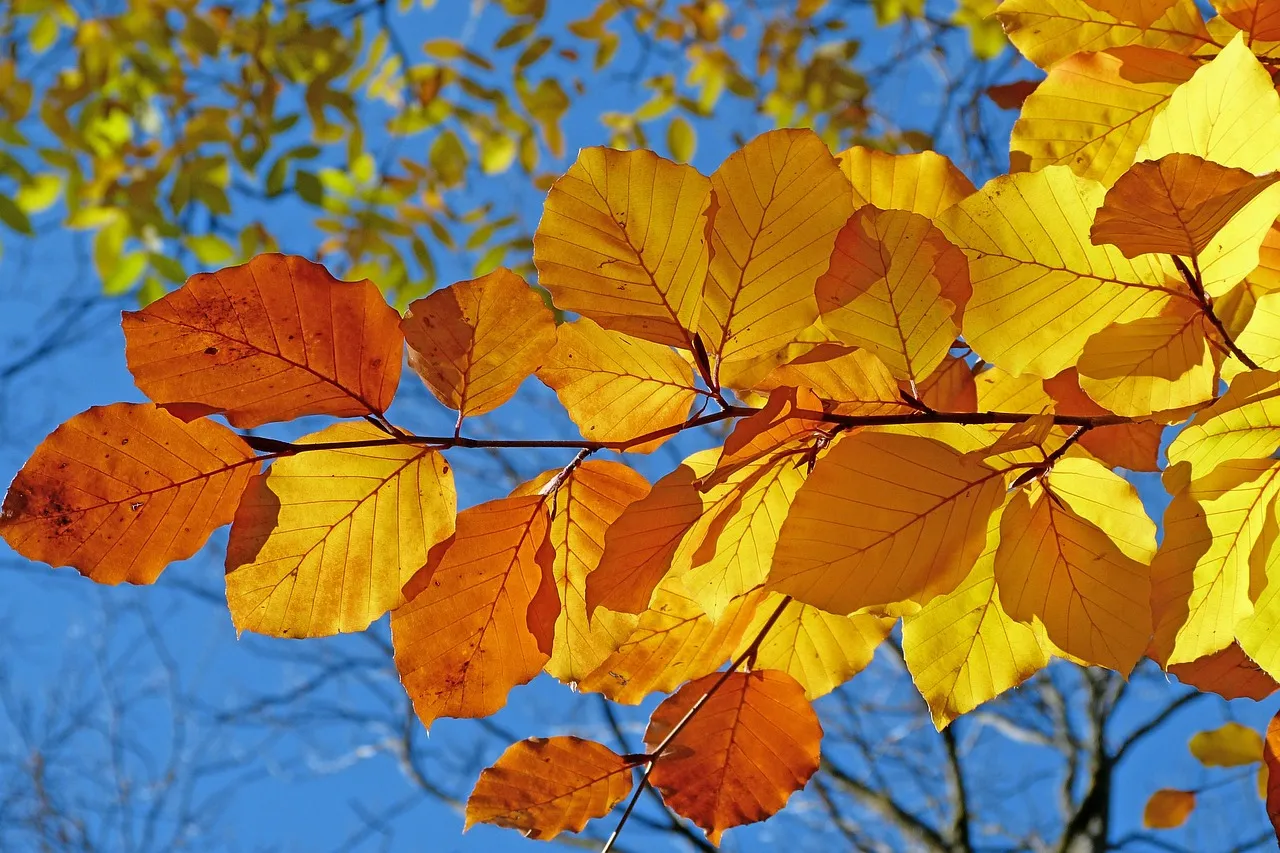
Generally, the highest elevations in northern New Mexico hit peak color in late September; mid-altitude mountain zones brighten in early to mid-October; and river valleys and foothills often peak by late October to early November. Chimayó sits in that middle zone, meaning October visitors are almost guaranteed to find the surrounding hills in full color. The cottonwoods along the Santa Cruz River go a deep, almost luminous yellow that frames the village in a way that feels almost theatrical in its perfection.
For those who plan a High Road drive with Chimayó as a stop, the surrounding landscape provides a strong argument for lingering rather than passing through quickly. The foliage season is generous here, lasting several weeks rather than just a brief window.
A Village That Still Moves at a Human Pace
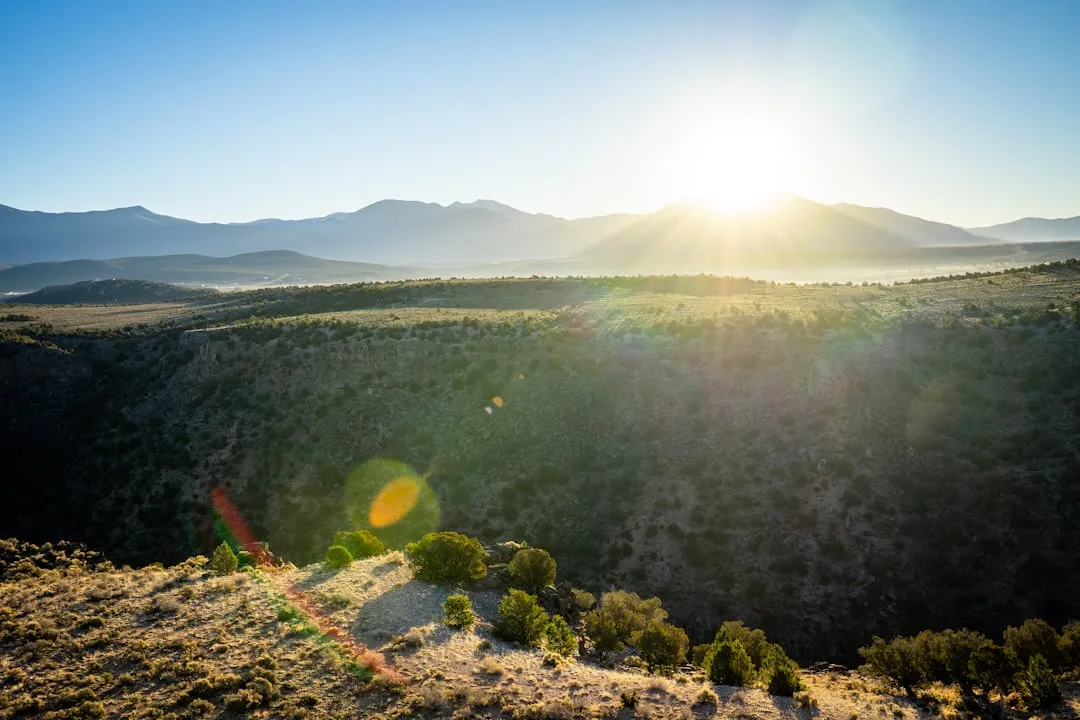
One of the things that becomes apparent to returning visitors is how unhurried Chimayó feels compared to larger New Mexico destinations. The village has no traffic lights. Shops open when they open. The rhythm of the place is shaped by harvest seasons and feast days, not tourist schedules. That quality becomes especially appealing in autumn, when people seem drawn to slowing down.
The road to the village of Chimayó winds through the foothills of New Mexico’s Sangre de Cristo Mountains. It’s usually a quiet highway, linking this slow-paced village of adobe houses to the wider world. The pace of Chimayó in fall is not sleepy so much as deliberate, the kind of deliberate that feels restorative if you let it.
The Enduring Culture of Living Faith
Even outside pilgrimage season, Santuario de Chimayó remains a place where visitors can witness quiet acts of devotion. Autumn brings locals and visitors alike to tend to the church grounds, observe feast days in the Catholic liturgical calendar, and participate in the rhythms of a faith community that has been continuous here for over two hundred years. Each fall, parishioners traditionally remudded the floor of the Santuario, after which it would be closed for two days.
This is a living spiritual practice, not a historical reenactment. The distinction matters enormously when visiting, and it shapes how responsible travelers approach the village with genuine respect rather than casual curiosity.
Why the Return Trip Is Usually Already Planned Before You Leave
People who visit Chimayó in autumn tend to start planning their return on the drive home. It is that kind of place. The combination of layered history, genuine artisanship, sacred landscape, and sensory detail, from the smell of chile ristras drying in the sun to the sound of a loom still working in a family shop, creates an experience that is hard to reduce to a checklist. Autumn in New Mexico is one of the state’s best-kept secrets: cooler air, sweeping vistas of yellow and orange, and lively community spirit.
Chimayó sits at the center of that seasonal truth. It rewards visitors who come with patience and an openness to what is already there, rather than seeking what a tourist brochure promises. For many New Mexicans, the fall return to this village is less a vacation than a kind of annual recalibration, a reminder of what endures when culture, faith, and land are allowed to stay in conversation across generations.
The Takeaway
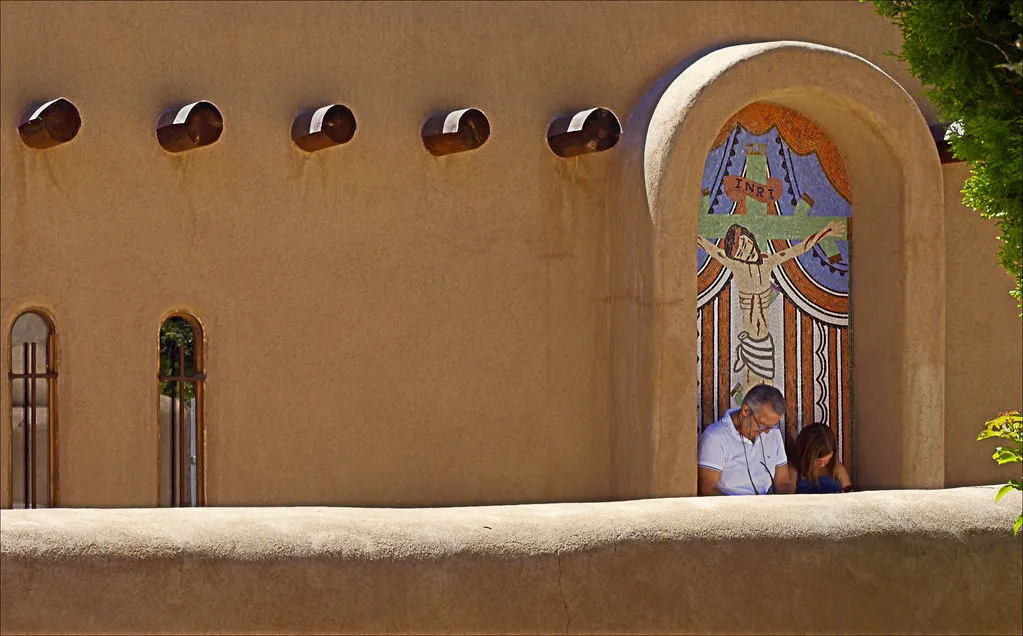
Chimayó is not a destination that makes itself easy to summarize. Its pull is cumulative: a sacred adobe church that has drawn pilgrims for over two centuries, a chile harvest that can only happen in this particular valley, weaving traditions kept alive by the same families across seven generations, and an autumn light that painters have been chasing for just as long. New Mexico, often referred to as the Land of Enchantment, lives up to its name in every sense of the phrase, hosting sun-drenched mesas, crimson-hued canyons, and whispering pine forests. In Chimayó, all of that converges in fall.
The most honest thing to say about why people return every year is simply this: some places feel complete in a way that most modern destinations do not. Chimayó in autumn is one of those places, and it asks very little of you except to pay attention.
AI Disclaimer: This article was created with the assistance of AI tools and reviewed by a human editor.