
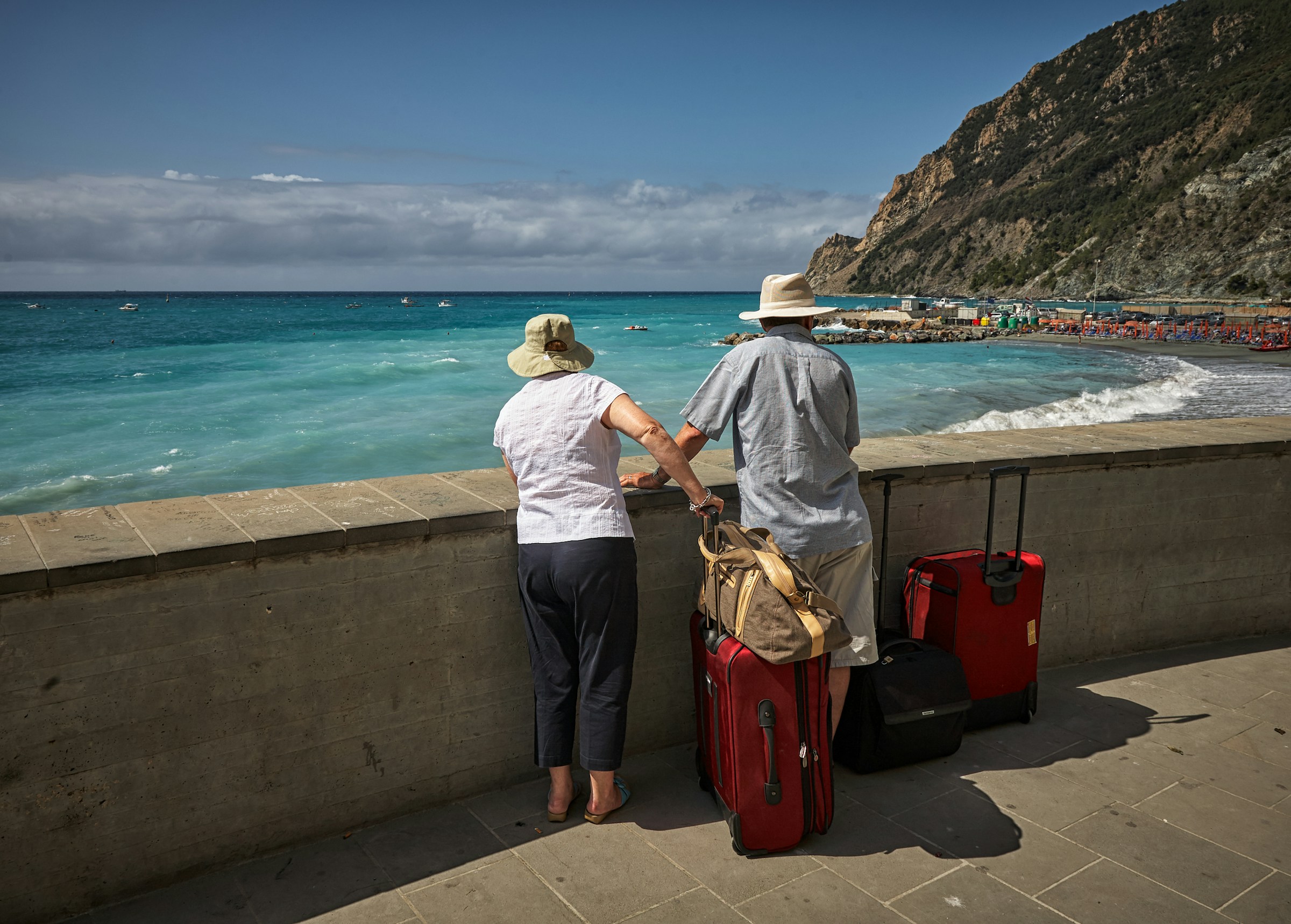

Most people plan their trips around the calendar everyone else uses. School holidays, summer breaks, Christmas weeks. The result is a kind of synchronized rush that packs the world’s best places into tight, expensive, exhausting windows. There’s another way.
Off-season and shoulder-season travel has been quietly reshaping how smarter travelers move. Traveling during off-season and shoulder-season periods can save you between thirty and seventy percent on accommodation and flights, while offering fewer crowds and more authentic experiences. The destinations below aren’t secret. They’re simply better when visited at the right time.
1. Italy: November to February Is a Different Country Entirely
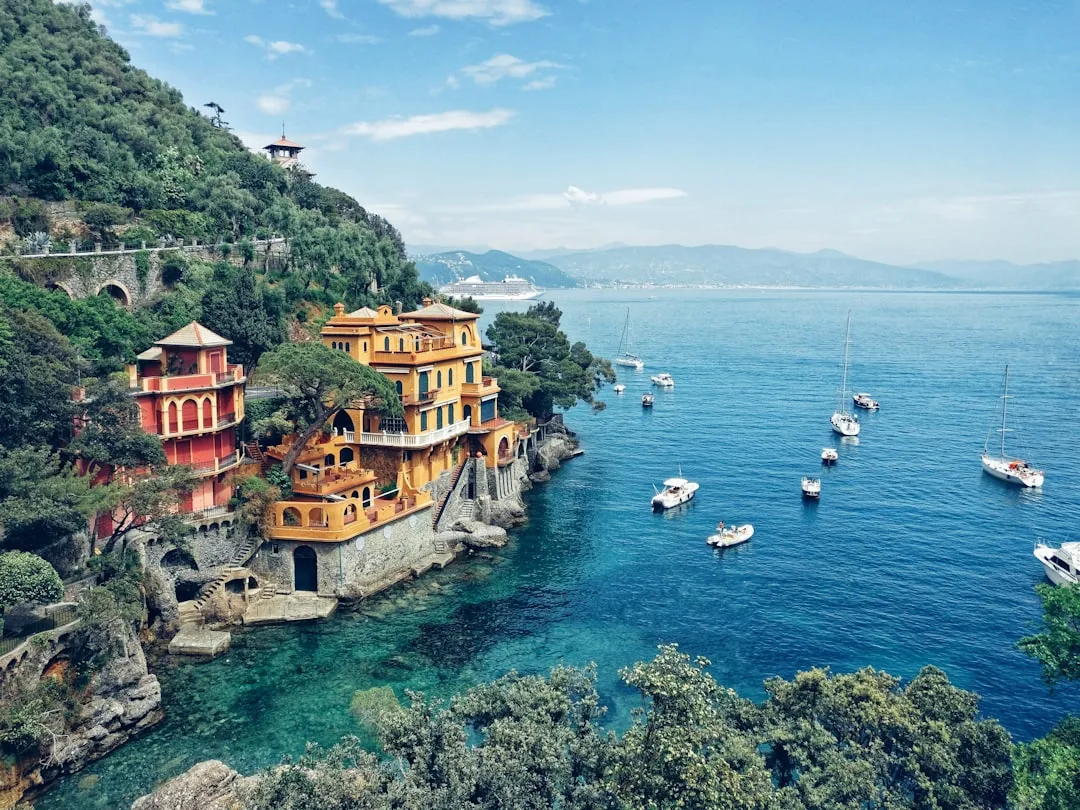
Peak-season Italy is magnificent but relentless. Queues at the Colosseum stretch for an hour. Hotels in Florence absorb every euro they can during July and August. The math shifts dramatically when you move your dates.
Visiting Italy during its off-season, from November through February, costs on average around $4,860 compared to roughly $8,650 during peak summer months – a difference of nearly $3,800. That’s a significant sum that can fund another trip entirely.
Tour packages reflect this too. According to pricing data from Go Ahead Tours as of July 2026, a January 2027 departure for a week in Italy covering Venice, Florence, and Rome is priced at about $2,999, while the same June 2027 departure costs about $4,119. Winter Italy has its own quiet dignity, with fog-wrapped canals in Venice and wood-fired trattorias that feel genuinely local rather than performatively tourist-ready.
2. Japan: January, February, and June Offer the Lowest Prices of the Year
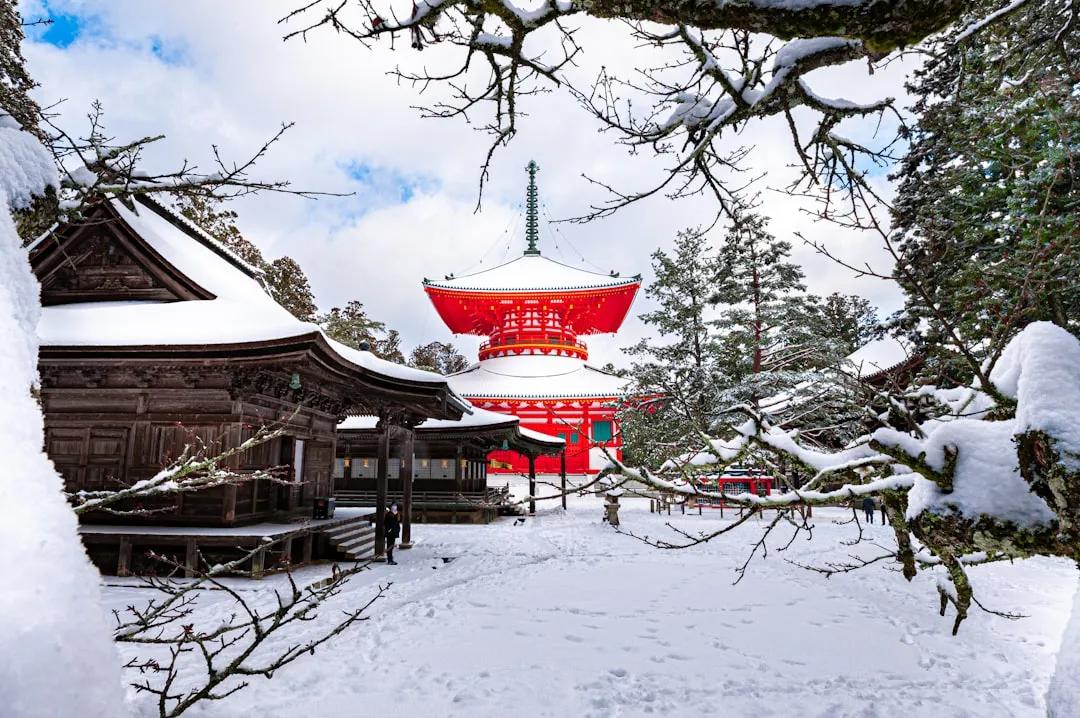
Japan is one of the world’s most over-touristed countries during its peak seasons. Spring cherry blossom season from late March to April and autumn foliage season from October to November have become so crowded that even the Japanese government has taken notice. Shifting your timing even slightly changes everything.
The first strong low-season window runs from mid-January through February. After the New Year holiday rush ends in early January, international visitor numbers drop to their lowest point of the year. Temperatures are cold in Tokyo and Kyoto, but cities remain fully functional. Flights and accommodation during this period can be thirty to forty percent cheaper than spring peak.
Real cost data for 2026 confirms this. A two-person, seven-day mid-range trip in January comes in around $2,800, with empty temples as an added bonus. February sits at a similar level. If price and comfort both matter, late November or early June also deliver strong value with manageable weather. The temples don’t get smaller in winter. They just feel like they belong to you.
3. Portugal: March and Autumn Offer Exceptional Value in Europe’s Sunniest Corner
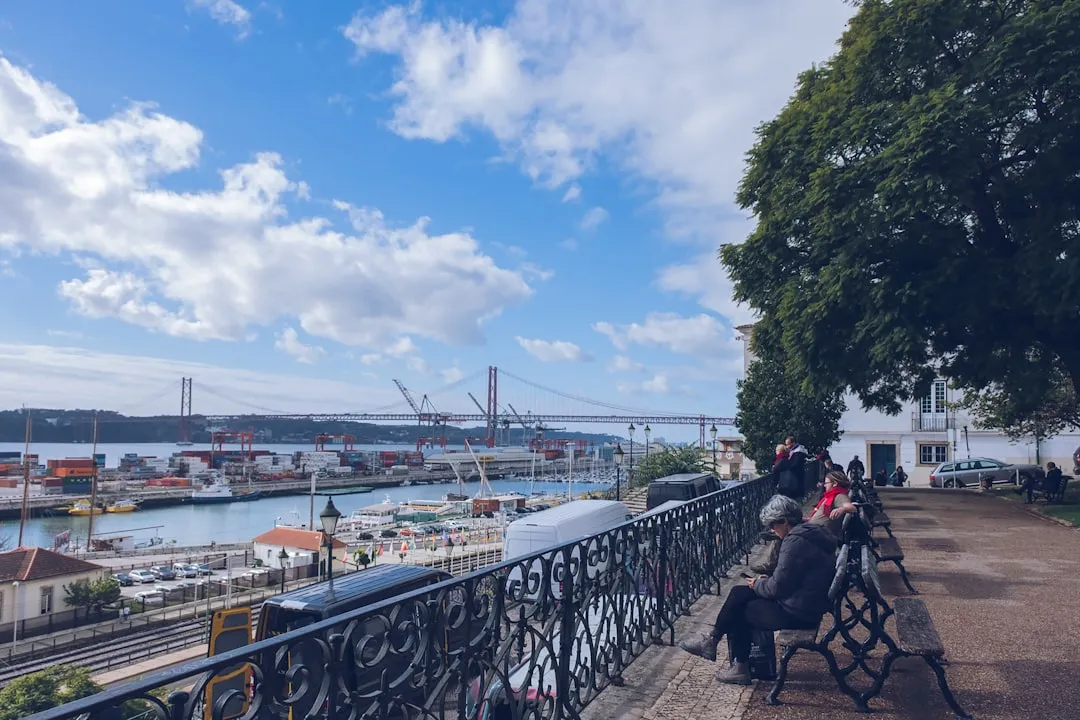
Portugal has become one of Europe’s most loved destinations, which means peak-season Lisbon and the Algarve now carry prices that would have seemed unimaginable a decade ago. The off-season corrects that quickly.
A guided tour of Portugal costs roughly $1,699 in March compared to $2,299 during peak season. That gap reflects a wider pattern across hotels, restaurants, and experiences throughout the country. Travelers are increasingly choosing shoulder-season holidays in beachside locations like the Algarve, drawn by year-round warmth and varied terrain, making it one of Europe’s sunniest destinations for off-season travel.
Prague and Lisbon in particular offer great deals in spring and autumn, when the light is gentler, the streets breathe more freely, and the locals who actually live there are easier to encounter. Portugal in November carries a particular beauty, with golden vineyards and cool Atlantic air that make the country feel genuinely inhabited rather than temporarily curated for tourism.
4. Ireland: November to February Cuts Trip Costs Nearly in Half
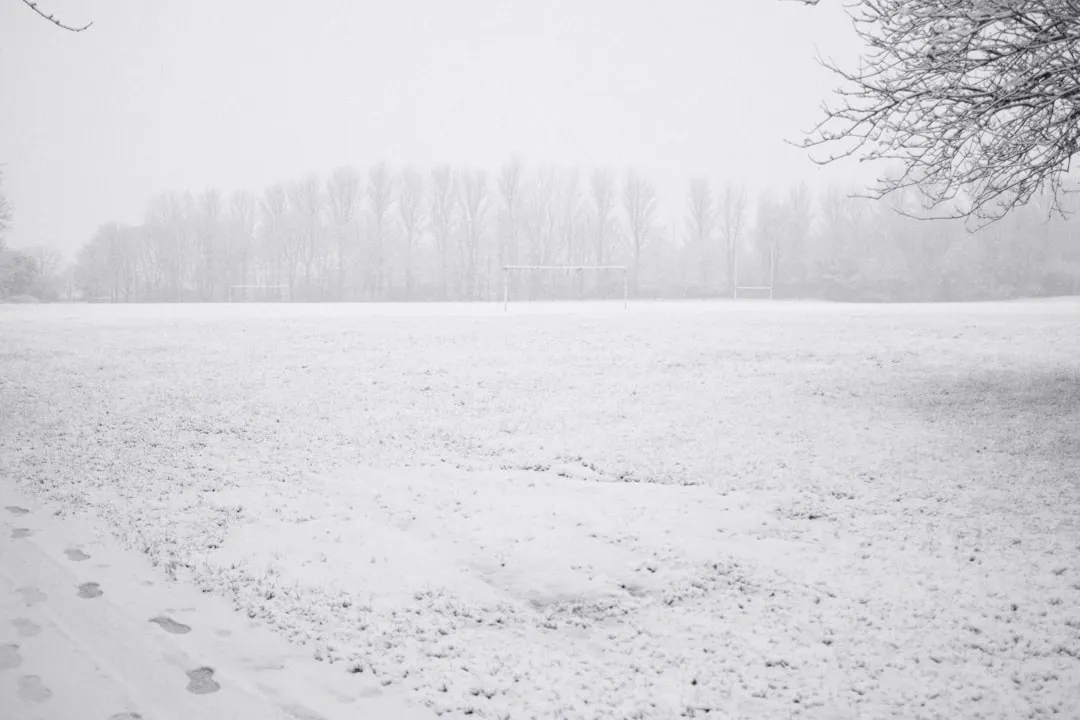
Ireland’s peak season brings lush green landscapes but also its highest prices and most congested roads. The west coast cliffs, medieval castles, and village pubs don’t disappear in winter. They simply receive fewer visitors.
An average Ireland trip during peak season from June to August costs around $7,200. That same trip during the off-season, from November through February, averages closer to $3,830 – a saving of over $3,300. Those are not marginal differences. That’s the cost of flights to get there.
Winter Ireland has its own mood. Fires in pub hearths, mist over the Cliffs of Moher, a stillness along the Wild Atlantic Way that peak season simply cannot offer. Broadly across Europe, peak-season travel between June and August averages around $7,300, while visiting between November and April drops to an average of $4,000 – a nearly $3,000 saving. Ireland sits at the more generous end of that spectrum.
5. Costa Rica: The Green Season Is the Smart Season
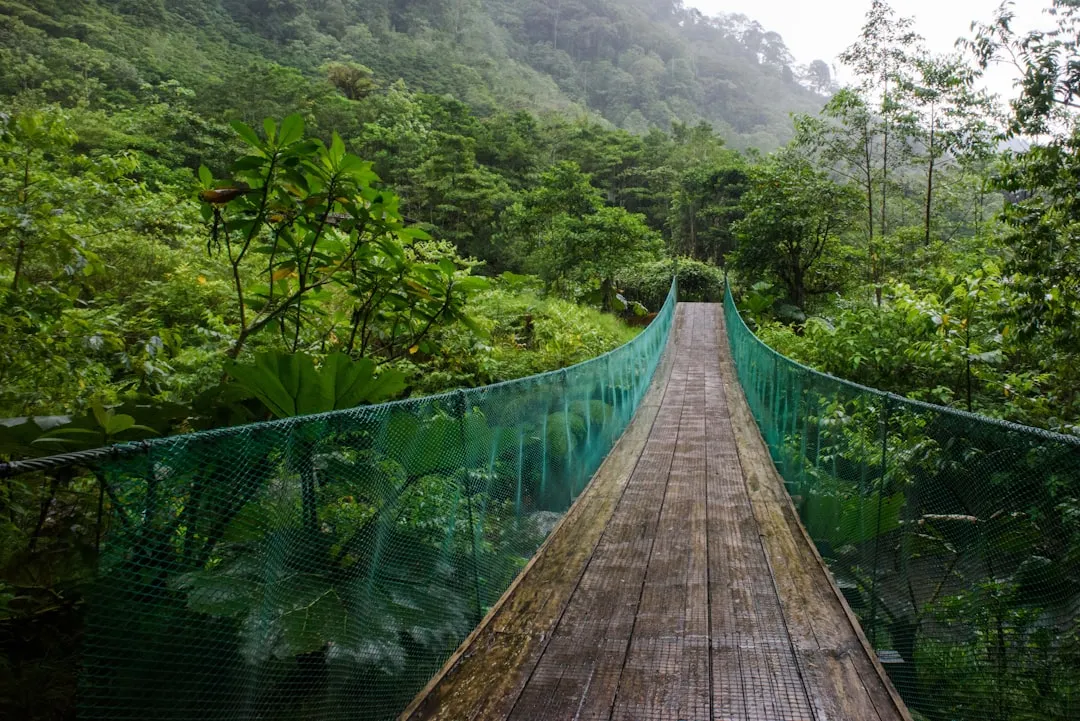
Costa Rica’s dry season, from December through April, is when most international visitors arrive. The “green season” that follows gets labeled as rainy, which is technically accurate, but the full picture is more nuanced and considerably more interesting for the traveler willing to embrace it.
The green season in Costa Rica, which runs from May to mid-November, offers several meaningful perks. One of the most significant is the opportunity to enjoy lower prices and cost savings compared to the peak tourist season from December to April. Rain typically falls in the afternoons, leaving mornings clear for wildlife, hiking, and coastal exploration.
The rainforest is at its most vivid in this season, and wildlife activity is often higher. Waterfalls run at full force, vegetation is impossibly green, and the country’s extraordinary biodiversity becomes even more visible. Flights during off-season travel can be up to fifty percent cheaper, and hotels often drop rates by thirty percent or more. In Costa Rica’s green season, those savings can be substantial, particularly for eco-lodges that shift their rates sharply in the low season.
Why the Savings Go Beyond Just Flights and Hotels

One of the less obvious benefits of off-season travel is what happens at ground level, inside museums, at restaurant tables, and on guided tours. According to Forbes, retail prices adjust when demand changes during seasonal dips. When quieter months bring fewer customers, businesses often offer discounts and perks like prix-fixe menus to attract visitors.
Admission fees at many attractions drop by up to fifty percent in the offseason, according to Dollar Flight Club. That compounds meaningfully across a ten-day trip when you’re paying less at galleries, ruins, and national parks while also spending less on where you sleep and how you get there.
Additional benefits include better service at restaurants, guides, and hotels, plus the spontaneity of booking last-minute without paying premium prices. Attentiveness from staff increases when restaurants aren’t juggling fifty simultaneous tables.
The Crowd Factor Is More Than Just a Comfort Issue

Fewer people at a destination isn’t simply about personal comfort. It has real implications for the quality of experience and even for the communities being visited. Overtourism stresses local infrastructure, drives up housing costs for residents, and degrades the very sites that draw visitors in the first place.
Traveling during the off-season means very few tourists, more authentic experiences, and the ability to interact with locals rather than tourist hordes. That distinction matters more than it sounds. The version of a place you encounter when it’s not performing for peak crowds is usually closer to what that place actually is.
Fewer crowds mean shorter lines, more availability, and a genuinely relaxed pace at popular destinations. For heritage sites and natural environments that are visibly strained by visitor numbers, traveling off-peak is also a quiet form of responsibility.
What About Weather? It’s Rarely the Full Story
The instinct to avoid off-season travel is usually grounded in weather concerns. It’s a reasonable starting point, but rarely the complete picture. Many destinations have mild, pleasant off-seasons. Others have weather patterns that are misrepresented by their “rainy season” labels.
Throughout February, Seville can see highs of 25 degrees Celsius, which is actually a more pleasant temperature for sightseeing and outdoor activities than the sweltering heat of summer. Similarly, Costa Rica’s afternoon rains leave mornings pristine. Japan’s January cold is manageable in the cities and stunning in the snowy north.
Off-season weather can be variable and occasionally challenging, but the trade-off is the lowest possible prices and the most minimal crowds available anywhere on the travel calendar. Packing a light rain jacket and adjusting expectations by even a small degree opens up a genuinely different way of seeing the world.
Booking Strategy: When to Pull the Trigger
Saving money on off-season travel doesn’t happen automatically. Booking at the right moment still matters, and understanding the timing window makes the difference between a good deal and an exceptional one.
The general guidance is to book domestic flights one to three months ahead and international flights two to eight months ahead. For off-season trips, flexibility with dates amplifies the benefit. Shifting departure by even two or three days can move the price significantly.
Shoulder-season travel can lead to big savings on hotel stays as well. At some properties, room rates that hit nearly $700 per night during peak dates drop by around $150 in late season windows. Combining that hotel savings with reduced airfare creates the kind of budget breathing room that makes the whole trip feel different.
The Authenticity Dividend

There’s something that happens in a destination when the high season ends. Restaurants start cooking the dishes they actually enjoy making. Shopkeepers have time for a conversation. The pace of daily life reasserts itself, and a visitor willing to move at that pace is rewarded with something that peak-season itineraries rarely allow: the sense that a place exists for its own reasons, not just for tourism.
In African safari destinations, for example, Tanzania’s birthing period falls during off-peak months, making it more likely that visitors will encounter lion cubs and other young animals. That’s the kind of experience no amount of peak-season booking can guarantee. It happens because the ecosystem follows its own schedule, not ours.
The off-season is mainly the down period outside of when most travelers prefer to visit a particular destination, and the perks of smaller crowds and better discounts are associated with this timeframe. What that description undersells is the texture of what those quieter moments actually feel like on the ground.
The Takeaway
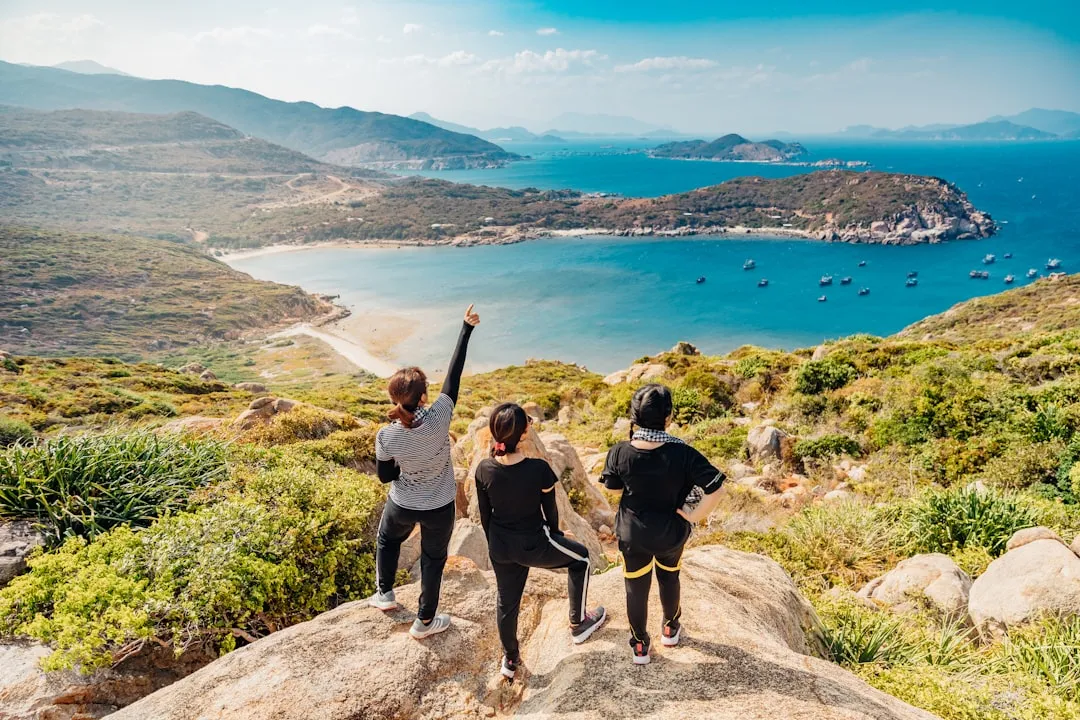
Off-season travel isn’t a compromise. For the five destinations covered here, it’s arguably the superior version of the trip. Italy in January, Japan in February, Portugal in autumn, Ireland in winter, and Costa Rica in the green season each offer something that peak-season visits genuinely cannot: space, savings, and a closer encounter with the actual character of the place.
The numbers are clear. Peak-season travel to Europe averages around $7,300, while the off-season average drops to around $4,000 – a nearly $3,000 difference on a single trip. That’s money that can fund an additional journey, upgrade the accommodation, or simply stay in your pocket.
The real shift is a mental one. Once you stop treating the peak calendar as a default and start asking when a destination is genuinely worth visiting, the whole world of travel opens up differently. Quieter, richer, and considerably more affordable.
AI Disclaimer: This article was created with the assistance of AI tools and reviewed by a human editor.