


A Town Built Around the Forge
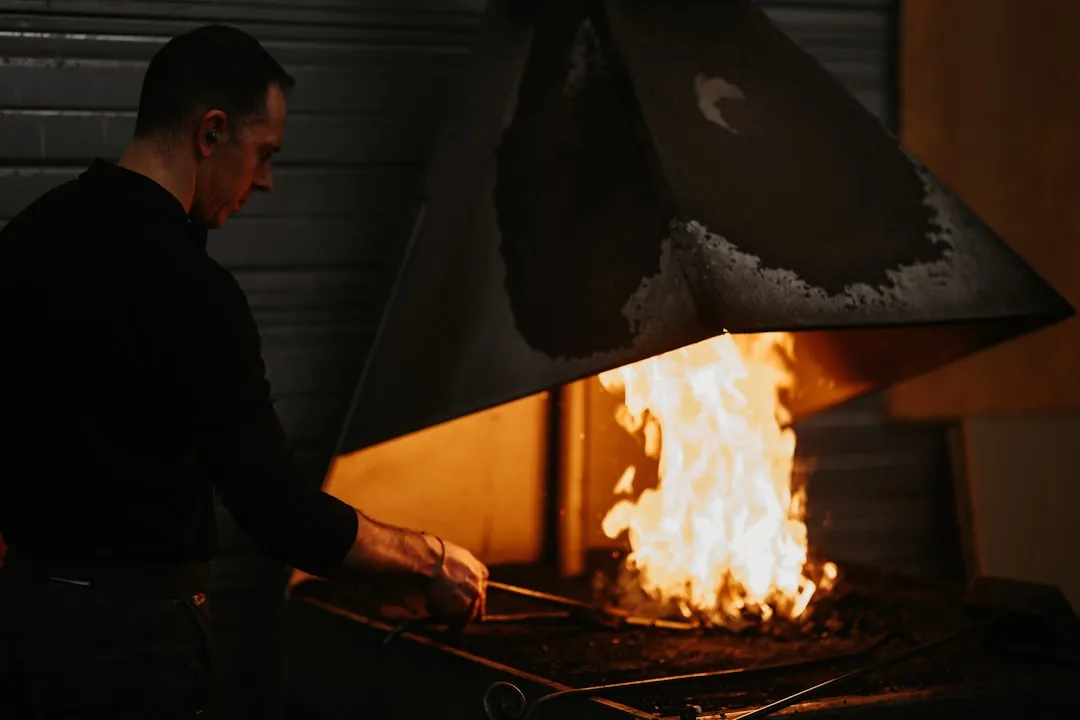
Located on the island of Shikoku, the Tosa region in Kochi Prefecture has a deep-rooted blacksmithing tradition focused on the production of hand-forged tools, and its skilled artisans still employ traditional forging methods. The town didn’t develop its identity around tourism or commerce in the conventional sense. It grew from necessity, shaped by the forests, rivers, and the relentless demand for cutting tools that could clear thick mountain timber.
Tosa is the name of the area in Kochi Prefecture of Japan, and it is said that the history of forging has been continuing for over 400 years. The area of Tosa was warm and rainy, so it was blessed with good quality trees. That natural abundance of timber created the demand that drove blacksmithing here in the first place. Wood needed to be felled, land needed to be cleared, and only the best blades would do.
How the Tradition Began
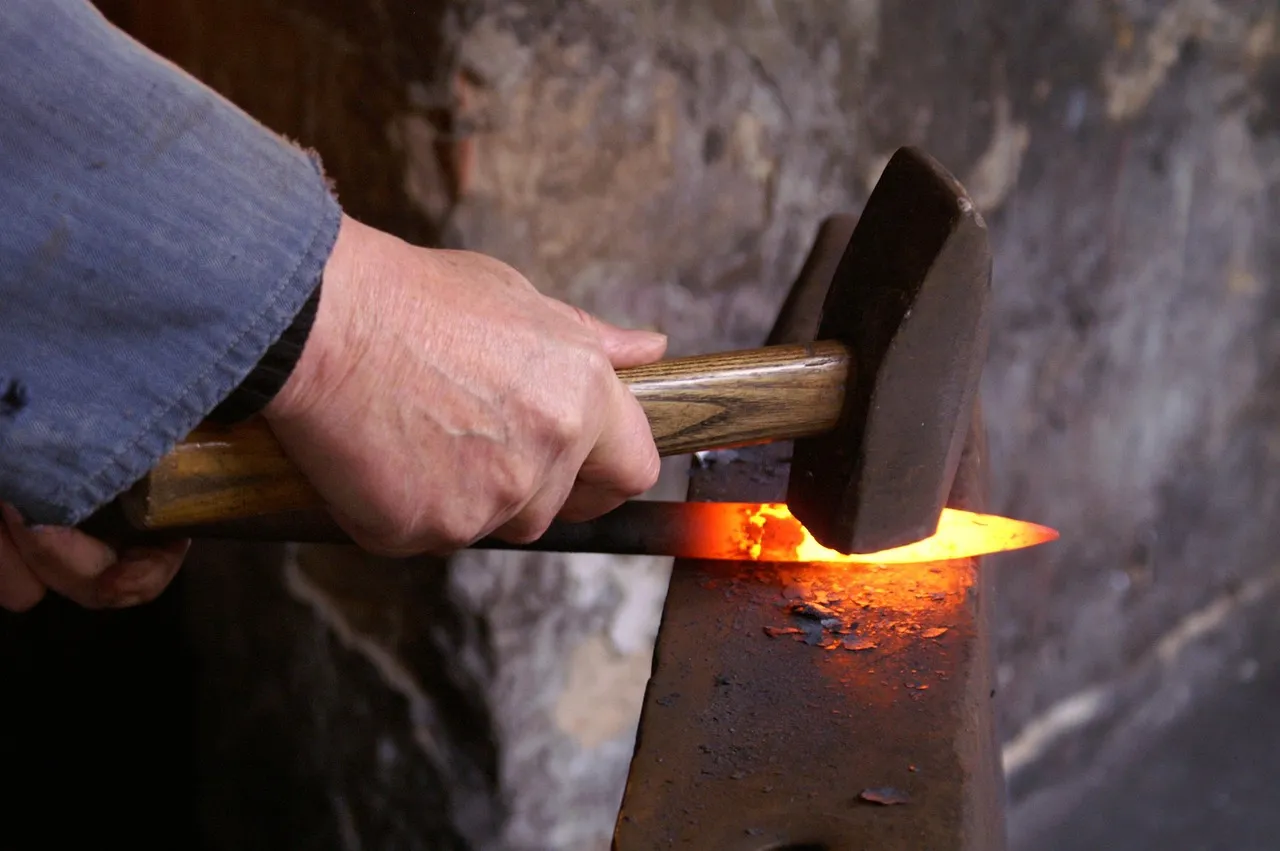
In 1306, a group of artisans practicing the Gorozaemon Yoshimitsu sword-making style moved to Tosa from Yamato province, and flourished, particularly during the Sengoku period from 1467 to 1568, when they supplied weapons and swords for the near-constant military conflict. Over time, that martial knowledge migrated into practical, everyday toolmaking.
Historical documents from 1590 record 399 blacksmiths in Tosa. Full-scale development of Tosa cutlery only started in 1621, when the domain started experiencing economic hardship and embarked on the development of new rice fields and the practical use of its forest resources. Economic hardship, it turns out, has a way of sharpening skills as much as it sharpens blades.
The Free-Forging Technique That Sets Tosa Apart
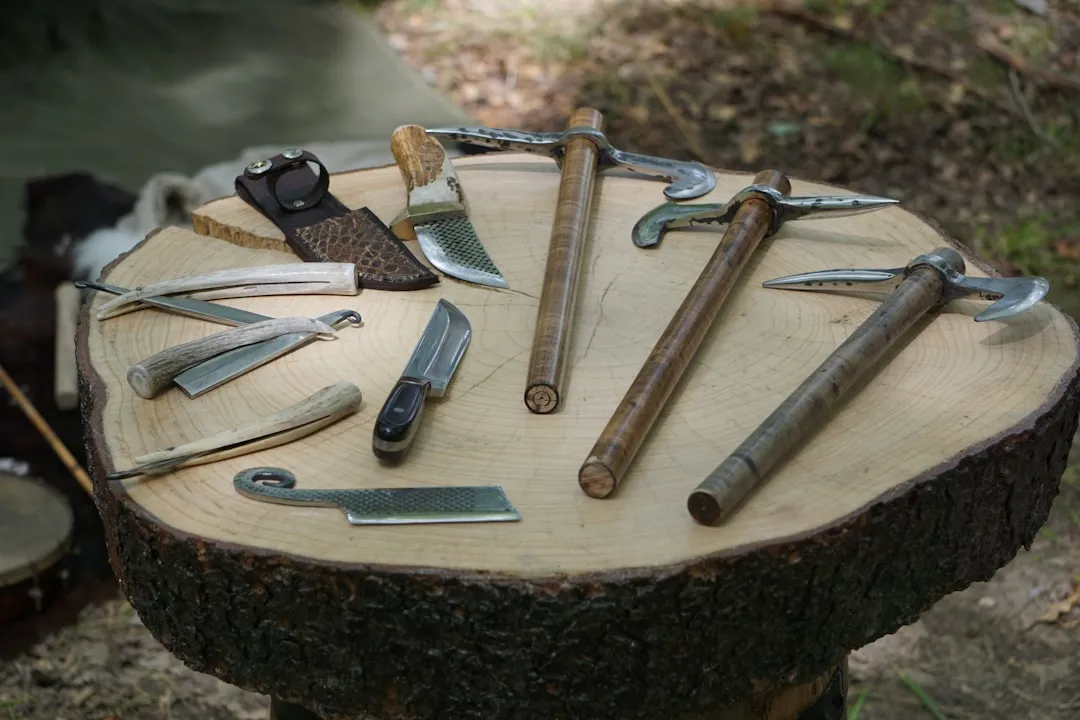
A key feature of Tosa Uchi cutlery is the free forging technique, a fully manual process in which artisans hand-hammer and shape heated steel. This method results in knives of exceptional sharpness, strength, and longevity, each uniquely tailored to the user. No two pieces come out exactly the same, which is the whole point.
Tosa cutlery, known in Japanese as Tosa uchihamono, are hammer-forged blades produced in the eastern to central part of Kochi prefecture, and this craft is distinctive for free-forging, in which shapes are formed by the painstaking hammering and flattening of hot metal. It takes a trained eye to know when the steel is ready, and a trained arm to know exactly where to strike it.
Tools Built to Last Generations
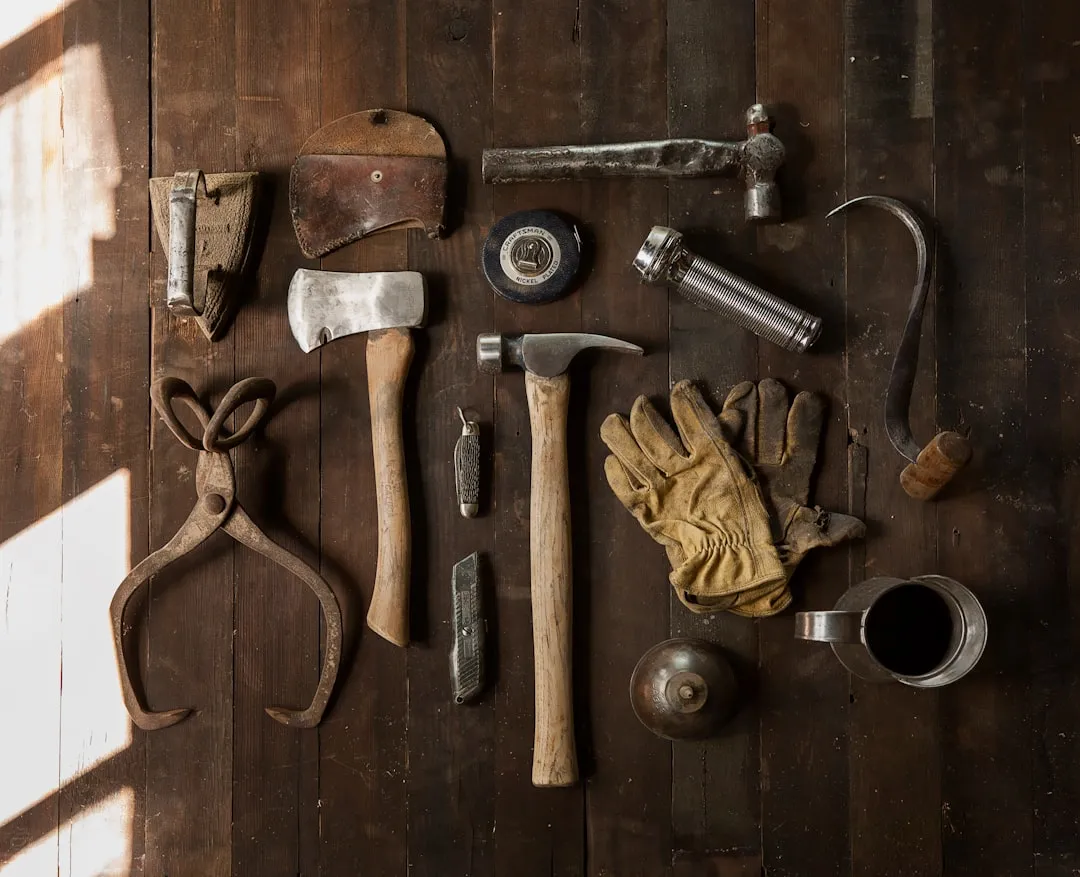
The region specializes in agricultural implements, gardening tools, and knives, designed with durability and functionality as their focus. Tosa artisans often use thicker steel, sometimes hand-laminated, to create blades that withstand hard use without chipping or deforming. Their tools are built to be passed down through generations, prized by those who appreciate the rustic beauty and functional strength.
Farmers relied on the smith for durable plows, hoes, harrows, and blades. These tools were not just functional objects. They carried the character of the maker and were built to endure heavy use in the field. The blacksmith’s work determined how effectively land could be cleared, tilled, and harvested. That relationship between maker and user, between tool and land, is exactly what Tosa has never lost.
The Forge as a Cultural Designation

Due to its historical and cultural significance, Tosa Uchi cutlery has been officially designated as a Traditional Craft of Japan. That designation isn’t ceremonial. It carries real protections and expectations, including requirements that production follow the established traditional process to qualify as authentic.
Tosa Uchihamono is a traditional Japanese craft produced in central and eastern Kochi Prefecture. In Tosa, where blacksmithing has flourished since ancient times, cutlery was produced mainly for forestry tools, and later became a major cutlery production area due to increased demand for samurai swords. The official recognition matters because it ensures continuity. Future smiths in Tosa aren’t free to take shortcuts and still call the result authentic.
Ancient Techniques Still Practiced by Hand
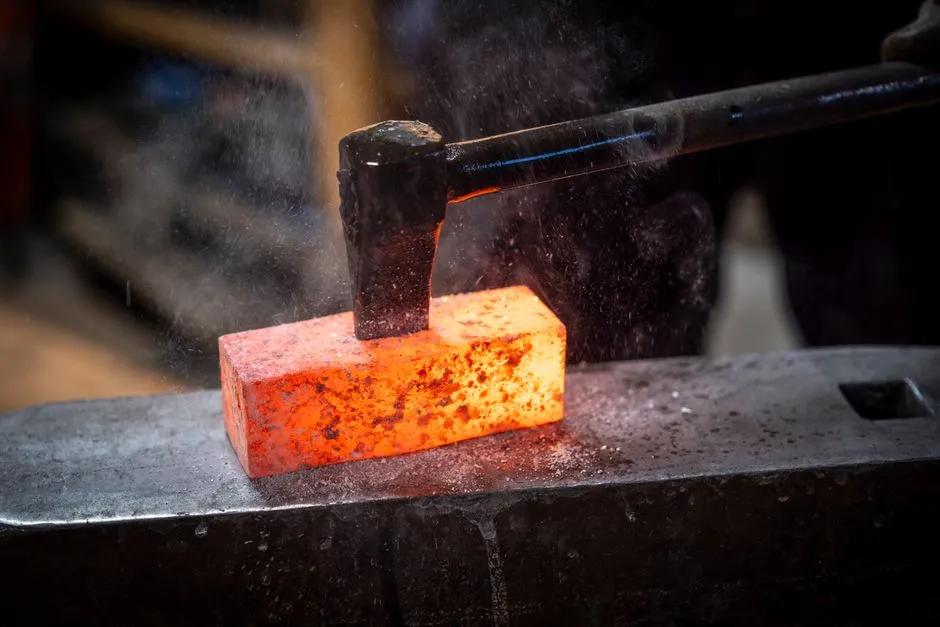
The basic blacksmithing tools used today, including the hammer, the anvil, and fire, have remained almost unchanged since the Middle Ages. In Tosa, that continuity is especially visible. The forge looks much as it always has, the process sounds the same, and the posture of the smith bending over hot metal is one that would have been recognizable centuries ago.
Each step of the forging process requires genuine experience. A good blacksmith reads the color of the metal and listens to the sound of the hammer. There’s no dashboard, no digital readout. The smith’s senses are the instrument. That skill takes years to develop and can’t be downloaded.
A Living Craft, Not a Museum Piece
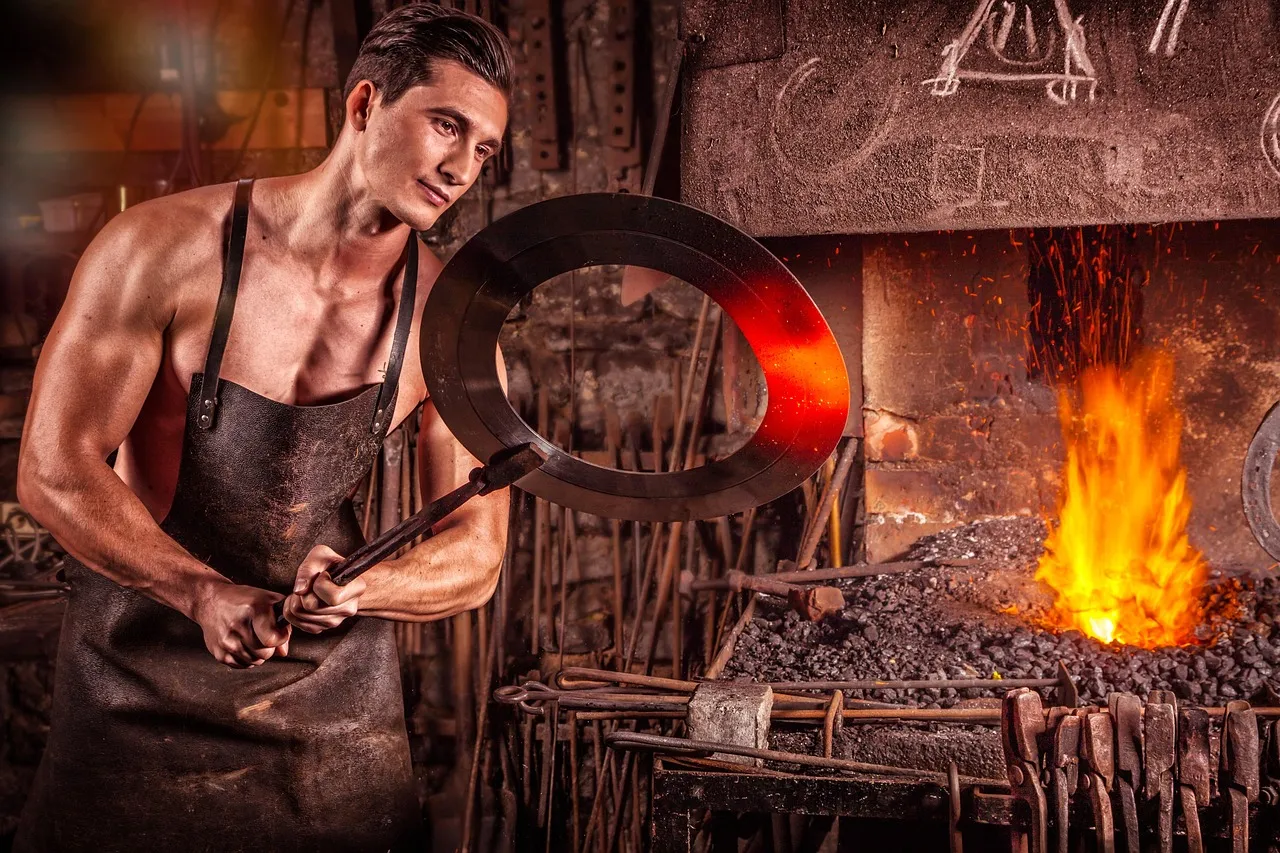
Blacksmithing may feel like a remnant of a bygone era, yet the craft is still alive and well, evolving with modern materials while retaining its deep historical roots. In Tosa specifically, working smiths still supply tools to farmers, foresters, and home cooks who seek out blades made with care rather than speed.
Some artisans in Kochi practice an ancient forging technique that dates back more than 1,500 years. Just as blacksmiths did back then, they start from zero by collecting iron sand from nearby beaches to make their steel blades. That level of devotion to process goes well beyond nostalgia. It reflects a philosophy about the relationship between maker, material, and the person who ultimately uses the tool.
A Global Craft on the Edge of Disappearing
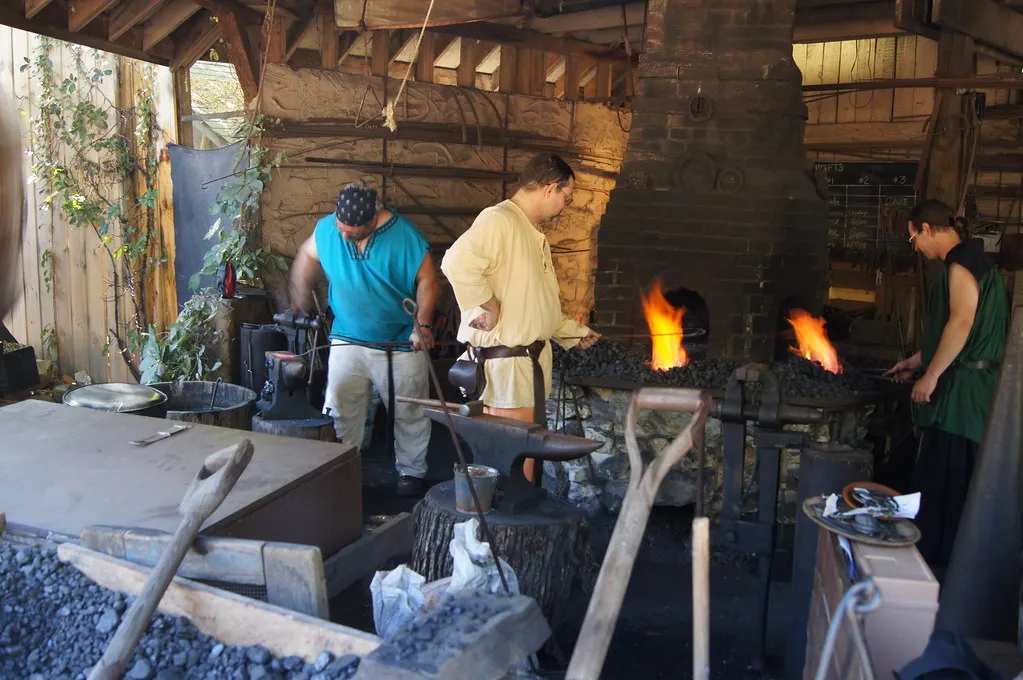
Today, blacksmithing may no longer be a necessity for daily survival, but it thrives as a respected and treasured art form. Roughly 5,000 to 10,000 people in the United States still practice blacksmithing, though only a small percentage do so professionally. Globally, the picture is similarly uneven. Pockets of genuine traditional practice survive, often in towns like Tosa, alongside a broader hobbyist revival that is real but different in character.
There are fewer full-time professional blacksmiths today able to earn a living solely through blacksmith work. It is an endangered skill and craft, even as it experiences renewed interest as a hobby and art form. That tension, between endangered and reviving, defines where traditional forging stands right now.
Why a New Generation Is Returning to the Forge
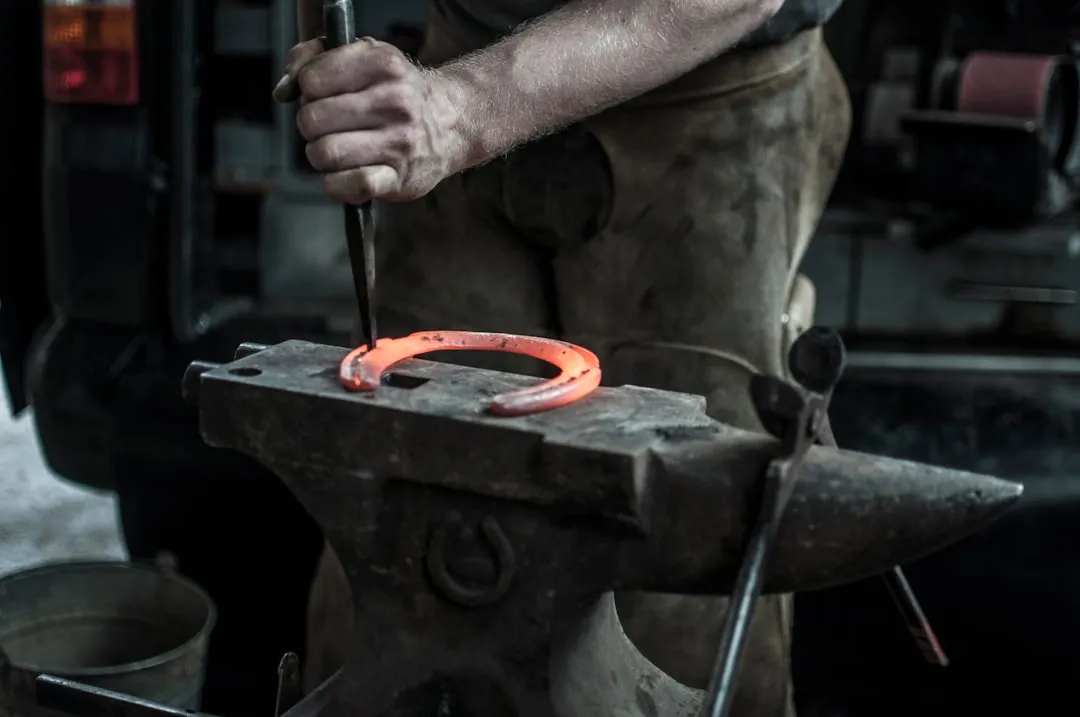
That quiet ember is roaring back to life. Young tradespeople, homesteaders, artists, and even hobbyists are returning to the forge, learning how to shape metal with fire, force, and intent. The motivations are varied, but the thread connecting them is consistent: a desire to make something real and lasting with their own hands.
Traditional skills such as blacksmithing have seen a resurgence, thanks to the efforts to share the craft across generations. This connection to historical methods is celebrated, revealing a continuity of skill through the revival of traditional blacksmithing techniques. In Tosa, that continuity was never broken in the first place, which is precisely what gives the town its particular weight.
What Responsible Travel Here Looks Like
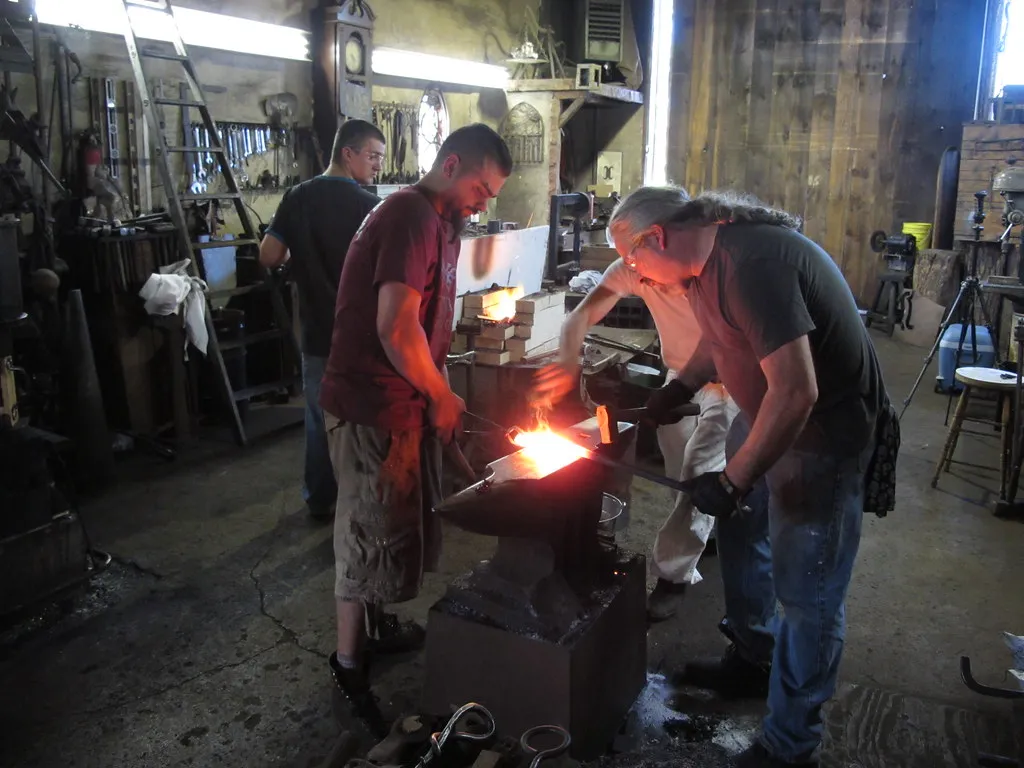
While Japanese knives are renowned worldwide for their precision and craftsmanship, Tosa blades originated as essential tools for agriculture and forestry. In this region with rich natural resources and timber, traditional sword smithing techniques merged with practical toolmaking to create durable, high-performance blades. Visiting with that context in mind makes all the difference. This is not a craft village performing for tourists; it’s a working community that welcomes curious, respectful visitors.
Each region of Japan has its own history, specialized techniques, and signature products. Whether you acquire a hand-forged woodworking chisel from Tosa or a pair of gardening shears, you not only receive exceptional implements but also become a part of the ongoing story of Japanese craftsmanship. Bringing a piece of Tosa home isn’t a souvenir purchase. It’s a way of participating in the chain of makers and users that has kept this tradition alive across centuries.
The Takeaway
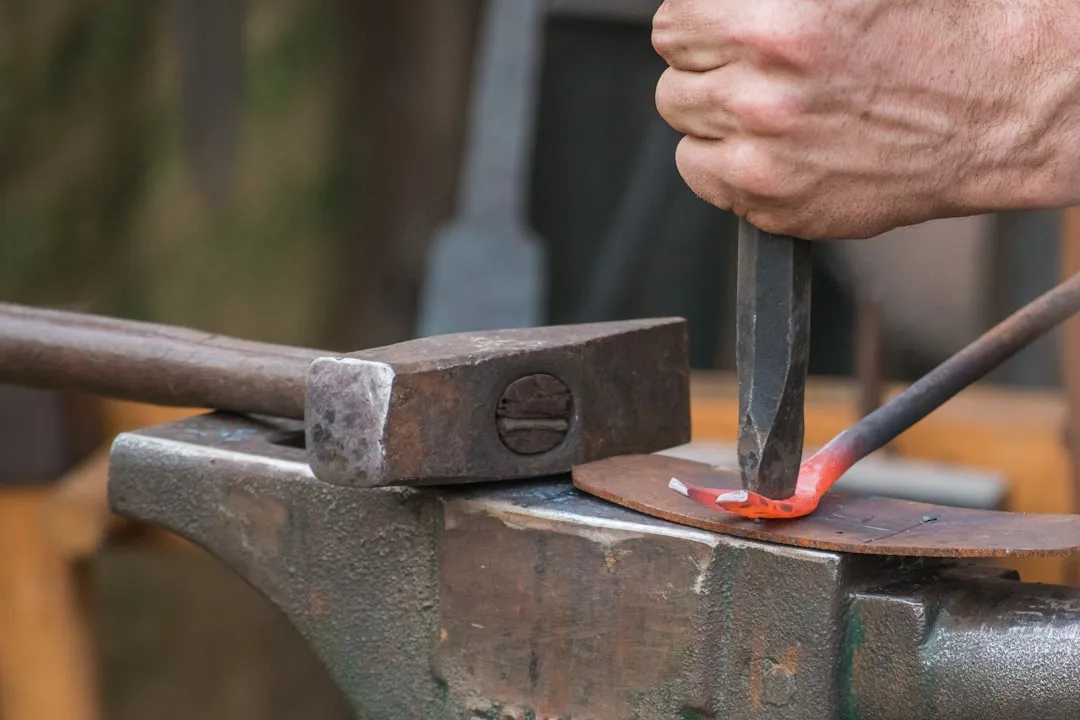
What Tosa offers is something genuinely rare: a place where the methods haven’t been modernized into irrelevance, where a smith’s judgment still matters more than a machine’s efficiency, and where the tools produced carry an honest record of how they were made. The forge is still hot. The hammers are still swinging.
There’s something quietly reassuring about that. In a world that moves very fast and produces very cheaply, a town that still takes the slow, deliberate path to make something built to last is worth knowing about, worth visiting, and absolutely worth supporting.
AI Disclaimer: This article was created with the assistance of AI tools and reviewed by a human editor.