
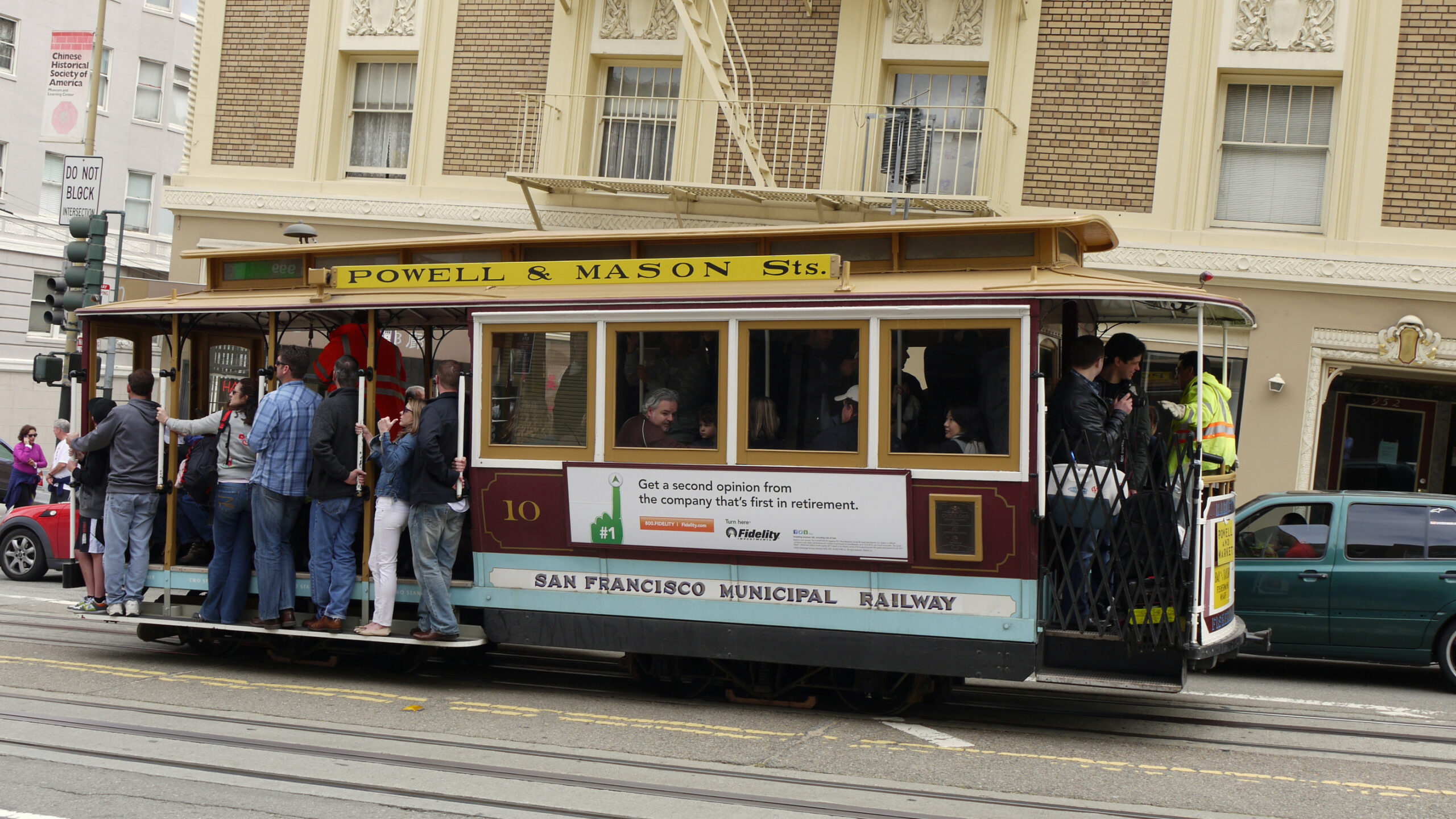

Most visitors to San Francisco step off a cable car at Fisherman’s Wharf, snap a photo, and consider the experience complete. That’s a fine way to spend twenty minutes. It’s just not the full story of what these cars actually do for the city.
There’s a third line, quieter and older than the famous Powell routes, that has been doing something unglamorous and essential for over a century: moving people to work. Understanding why locals still choose it over a car says something useful about how cities actually function.
The Line Tourists Rarely Notice
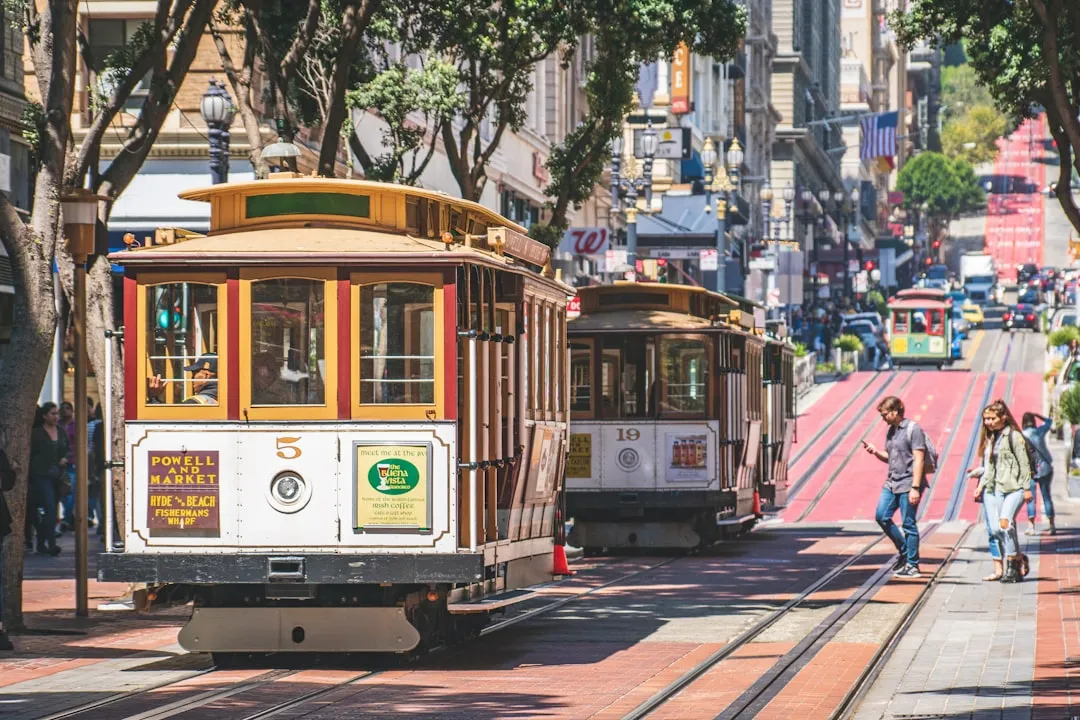
The California Street line is the oldest surviving cable car route and offers a more tranquil ride. Running 1.2 miles along California Street, from Drumm Street to Van Ness Avenue, the California line passes through the Financial District and up into the Nob Hill neighborhood. It is the least crowded and least known to tourists of San Francisco’s three operating lines.
This line is used to a greater extent by commuters, with the majority of passengers on weekdays being commuters. That distinction alone sets it apart from every other cable car experience in the city.
A Route Built for Commuters, Not Cameras
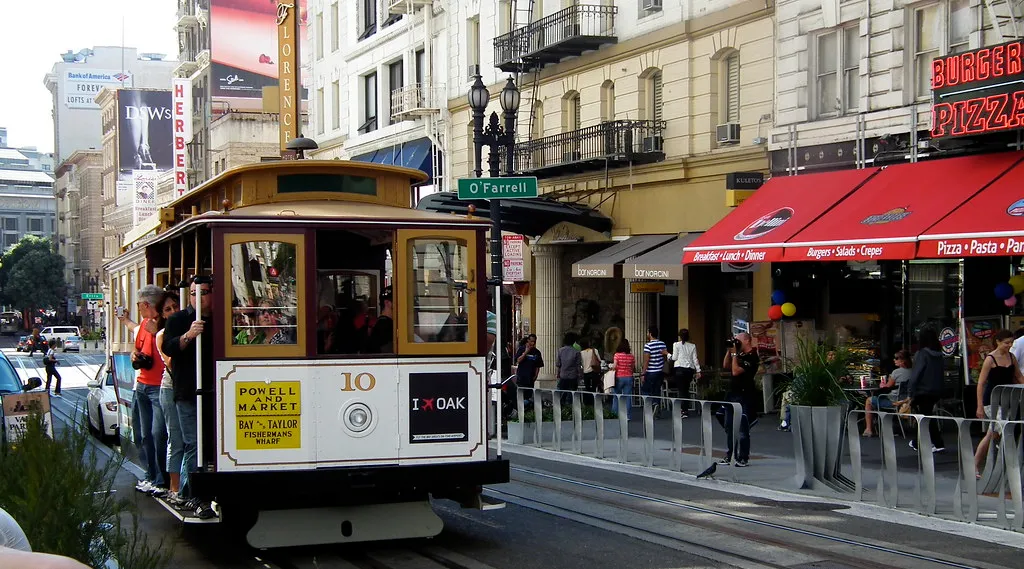
On any given trip, you’ll find far more San Franciscans on board than you see on Powell cars – often a majority of riders are locals, commuting to and from work. That’s because the California line comes nowhere near the tourist magnet of Fisherman’s Wharf.
Starting near the Ferry Building, the cable cars glide through the Financial District and Chinatown, climbing up to Nob Hill and ending at Van Ness Avenue. The California line is the least touristy of all three cable car lines, and it’s popular with commuters who use the historic cars for their original purpose of bringing workers to the Financial District.
The Oldest Line Still Running
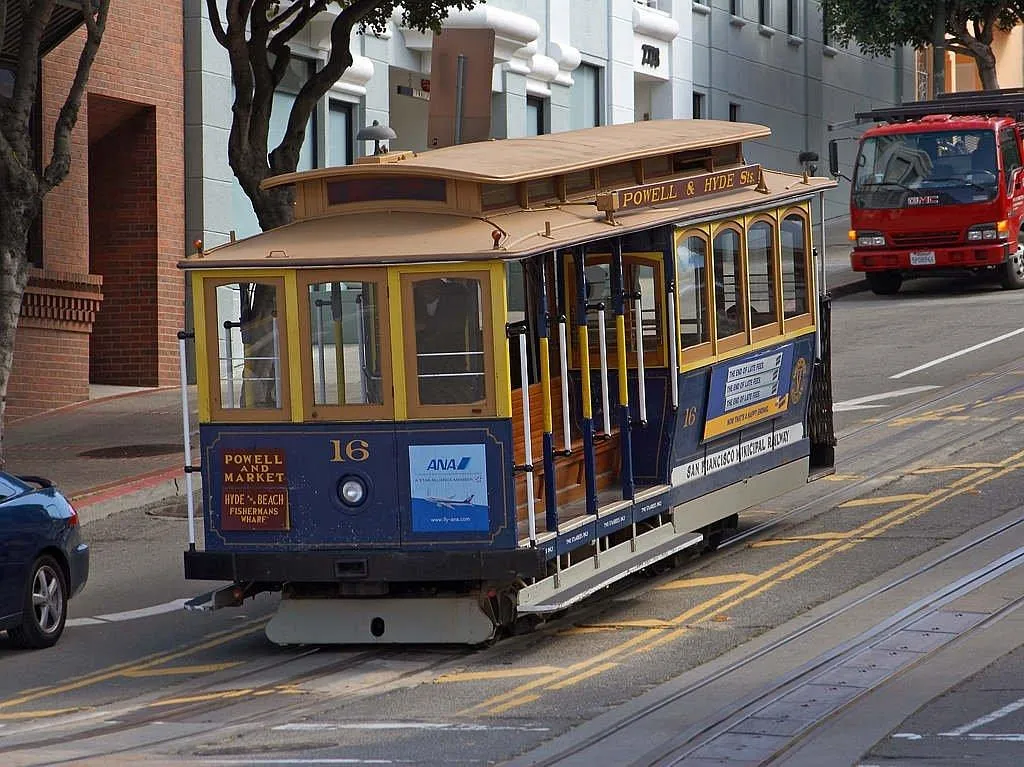
The California Street cable car line was originally built in 1878 by Leland Stanford, partner in the Central Pacific Railroad. It is the oldest cable car line still in operation in San Francisco. That longevity isn’t just a historical footnote – it reflects how reliably the route has served its corridor for nearly 150 years.
It’s the oldest of the three remaining cable lines, but there are no big curves on California Street, no dramatic steep grades, no turntables where the cars are swung around. What it offers instead is consistency. A predictable, steady connection between a dense residential hill and the city’s commercial core.
The Geography That Makes Driving Impractical
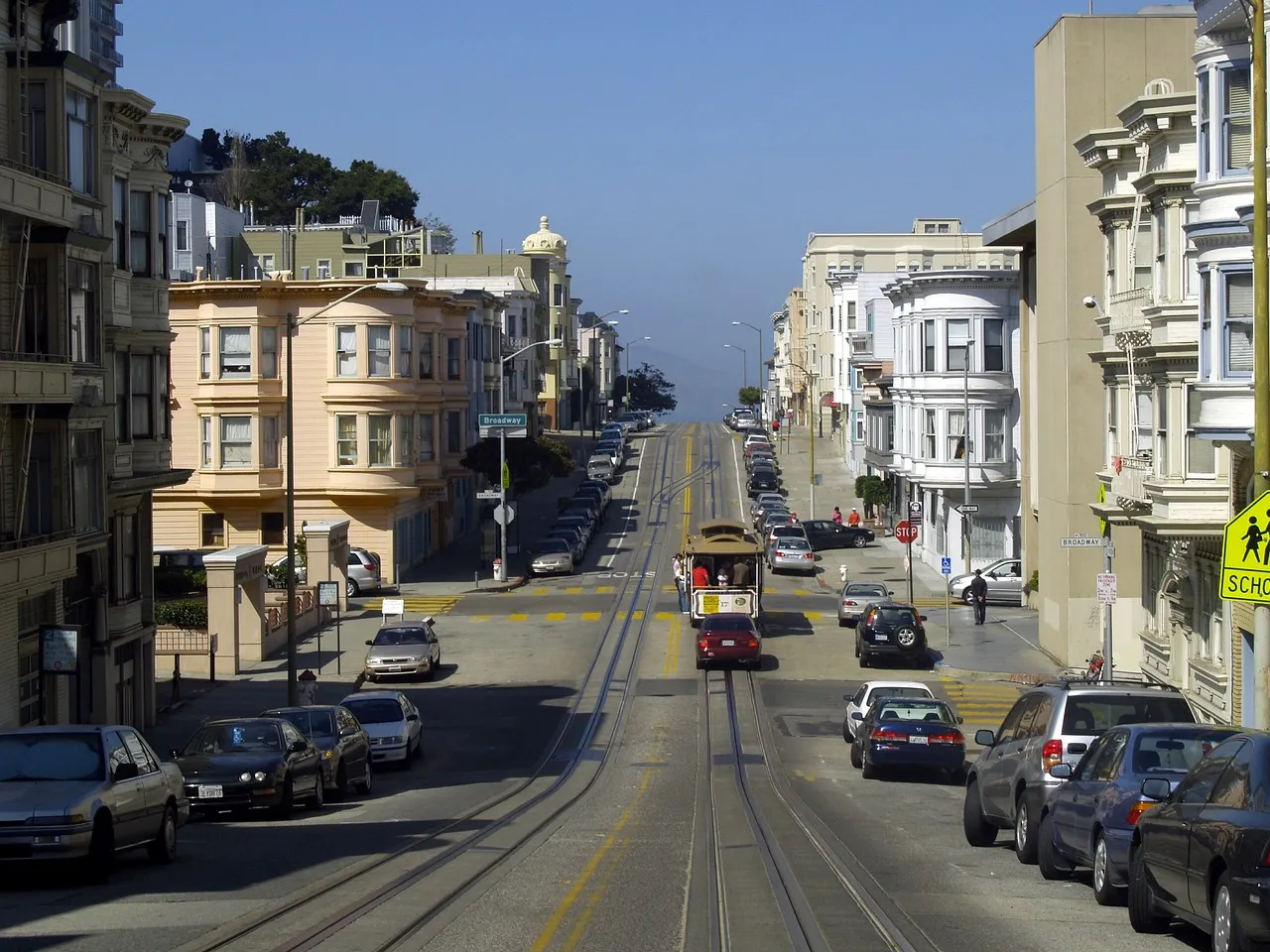
Nob Hill isn’t just steep – it’s steep in a way that makes parking difficult, traffic slow, and the walk from a garage genuinely unpleasant. The cable car threads directly through the problem. Running east to west from the Financial District to Van Ness Avenue, this line takes you through the upscale neighborhoods of Nob Hill, passing luxury hotels, Grace Cathedral, and historic mansions.
The area where the cable cars operate is well-served by a large number of buses and trolleybuses that often give residents better options for their trips. Still, for the specific corridor along California Street, the cable car remains the most direct and often fastest option during peak hours when traffic stacks up on the surrounding streets.
How the Ride Actually Works
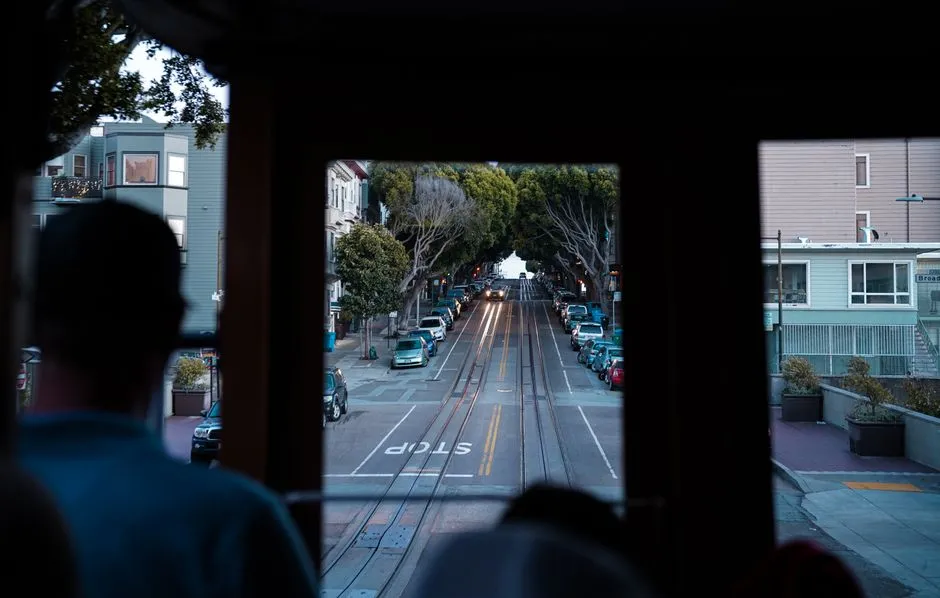
The route is approximately 1.4 miles long, taking about 16 minutes. All three cable car lines run daily from 7:00 a.m. to 10:30 p.m., and the cars run about every 10 minutes on average. For a commuter timing their morning, those numbers are practical enough to plan around.
The corner where California runs into Market Street has everything: the Embarcadero BART and Muni Metro subway station, historic streetcars passing by, the striking Hyatt Regency Hotel, the Ferry Building, the Financial District, and the end of a cable car line. It’s an intermodal hub that most commuters simply treat as a normal part of their morning.
The Cost of Riding and the Pass That Makes It Smart
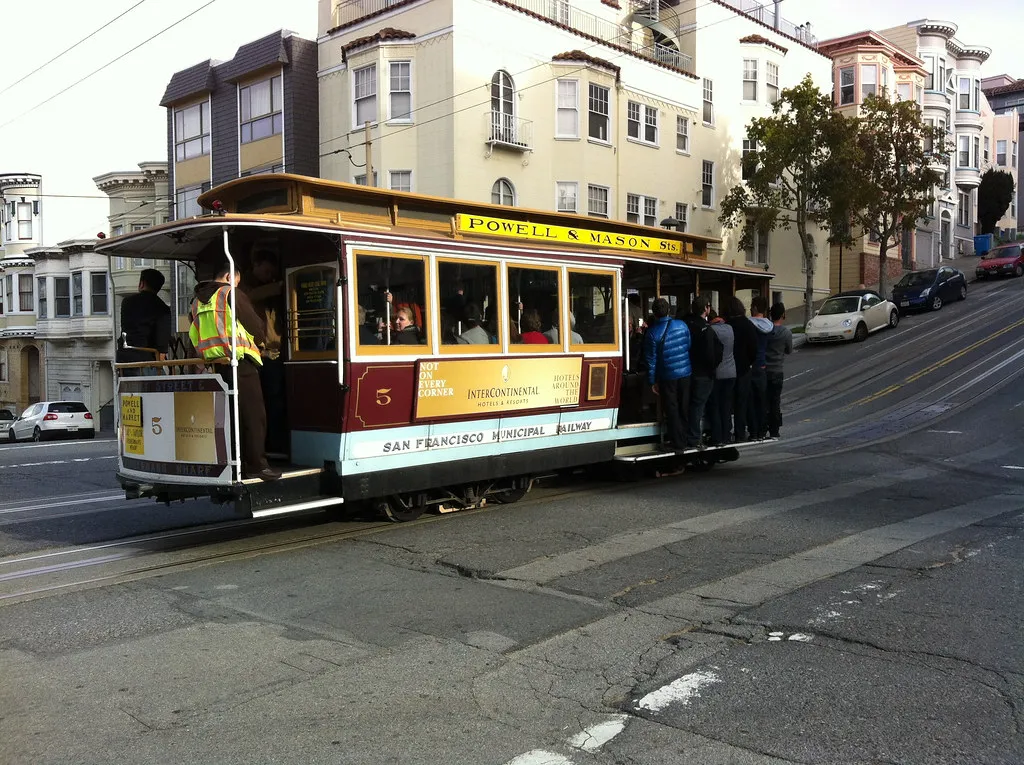
Cable cars cost $9 one way, with no transfers, unless the rider has a Muni Passport or a Muni monthly pass. At face value, that’s steep for a single leg of a commute. The math changes considerably for those who already hold a pass.
As of August 2025, monthly passes cost $86 for adults, $43 for low-income residents through the Lifeline Pass program, and $43 for seniors and people with disabilities. For residents who commute regularly and hold a monthly pass, the California line effectively becomes free to use on the way in and out of work each day.
No Long Queues, Unlike the Powell Lines
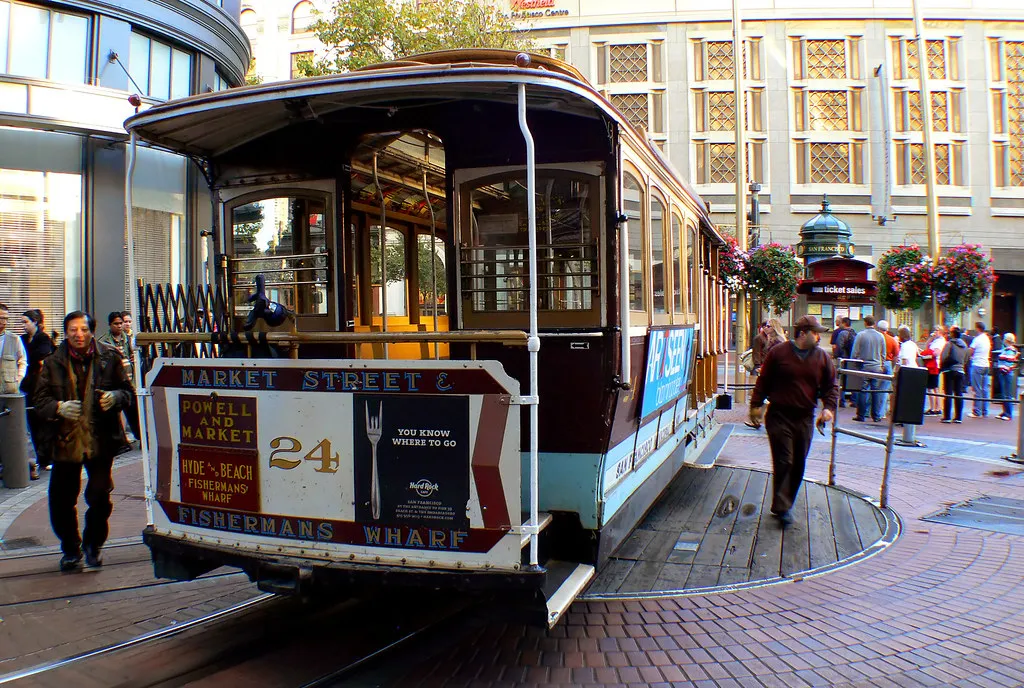
During busy times, the wait to board a cable car on the Powell lines can often reach two hours or more. The California line simply doesn’t share that problem. Its passenger mix skews local, the stops are spread across a quieter corridor, and the turnaround point near the Embarcadero draws far less foot traffic than the Powell-Market intersection.
There are no big crowds on the California line. Instead of waiting at the busy end-of-the-line terminals, riders can hop on at less crowded stops along the route, with Nob Hill and Chinatown stops tending to have fewer people waiting. That’s a genuine advantage when you’re trying to get to a meeting on time.
A System That Carries Millions, with a Complicated Recovery
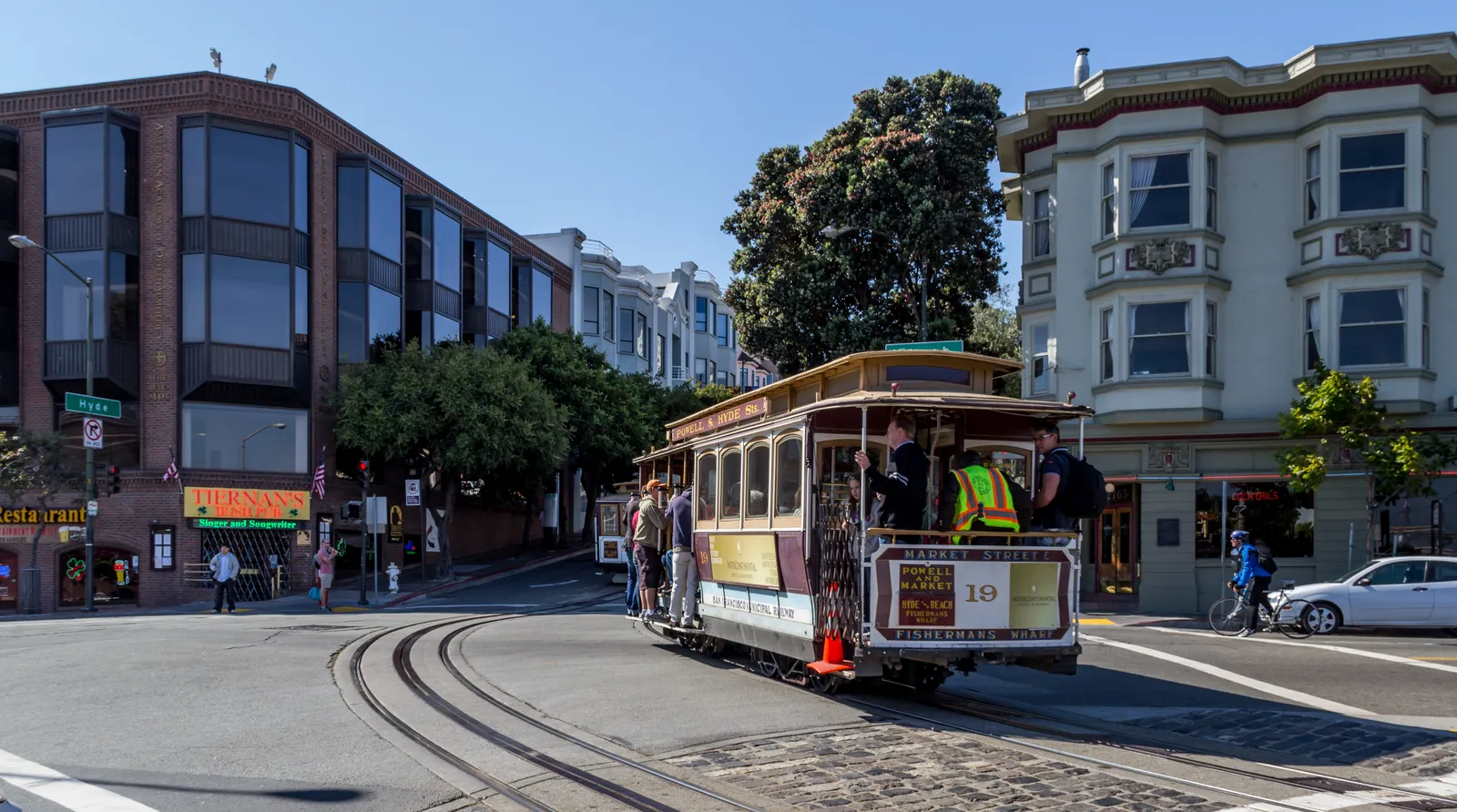
It is estimated that as many as seven million people use the cable car system every year. The pandemic disrupted those numbers significantly, however, and the recovery has been uneven. The ridership recovery of the city’s cable cars has mirrored San Francisco’s sluggish tourism and downtown economic recovery.
Transit riders in the United States took 7.7 billion trips on public transportation in 2024, a seven percent increase over 2023, though ridership returned to only 79 percent of 2019 levels by December 2024. The California line’s commuter base has given it more stability than the tourist-heavy Powell routes during this period, since office workers on Nob Hill and in the Financial District have more reason to ride consistently.
What the Gripman Knows That the GPS Doesn’t
There’s a practical intelligence built into this route that no navigation app can replicate. The California line’s gripmen and conductors manage a vehicle with no engine, no brakes in the conventional sense, and no steering – just the grip on an underground cable moving continuously at a steady 9.5 miles per hour. The physical skill involved is real, and the system that makes it work has barely changed since the 1870s.
In 1869, a Scottish-born engineer named Andrew Hallidie was inspired to find a better way for people to travel up San Francisco’s steep hills. His solution of continuous motion cables installed under the city’s streets that could be grabbed onto by the cable car hasn’t changed much in 150 years. Locals who ride it daily often say they trust the system precisely because it has had that long to prove itself.
A Living National Landmark That Still Has a Job to Do
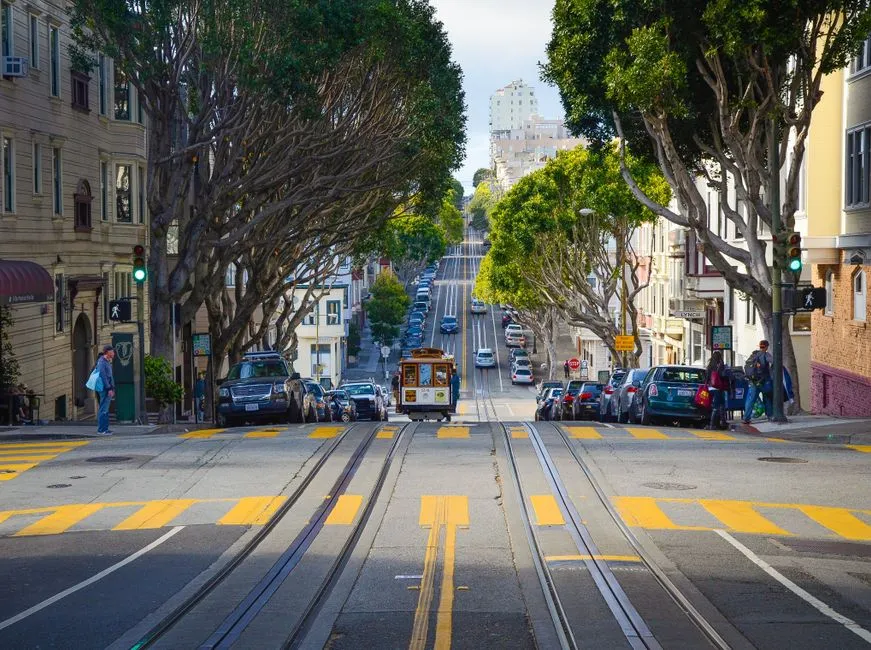
The San Francisco cable car system is the world’s last manually operated cable car system and an icon of the city. That designation carries weight, but it can also create a misleading impression – that the cars are preserved purely for sentiment, like a museum piece that occasionally runs.
The system serves neighborhoods including Chinatown, the Embarcadero, the Financial District, Nob Hill, North Beach, Russian Hill, and Union Square. The cable car pulley system received infrastructure upgrades in spring 2025, a sign that the city is maintaining the line with functional longevity in mind, not just preservation. For the people who step on at California and Kearny at 8 in the morning, briefcase in hand, it’s simply the commute.
The Takeaway
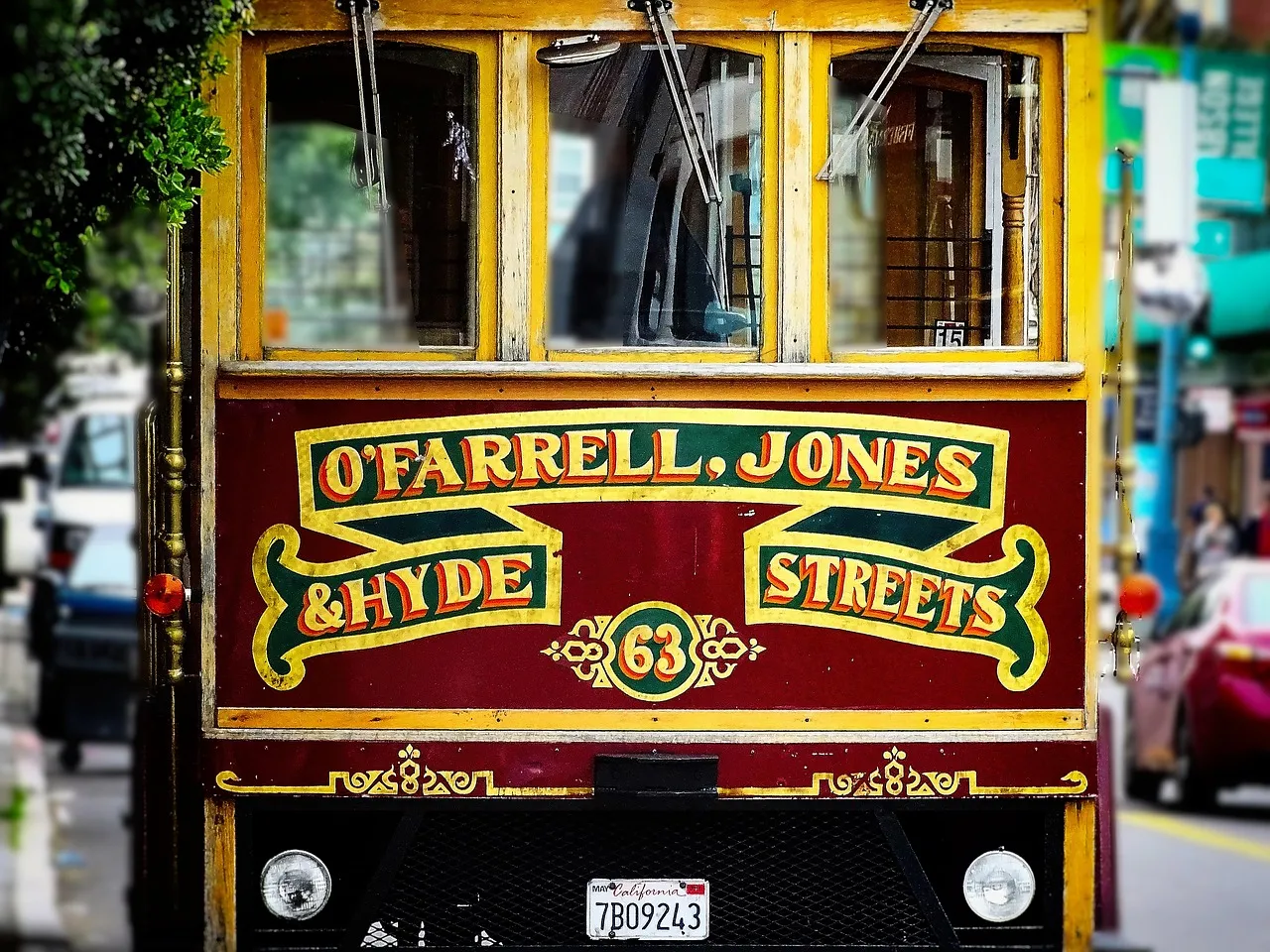
San Francisco’s California Street cable car line occupies an unusual position: it’s genuinely historic, genuinely useful, and genuinely underrated. Visitors who discover it often describe it as the version of the cable car experience that finally felt real – unhurried, unscripted, and shared with people who live there.
For locals, there’s no mystery to it. The city’s hills haven’t changed, the route hasn’t changed, and the cable underground is still moving at the same steady pace it always has. Sometimes the most sensible way to get somewhere is the oldest one.
AI Disclaimer: This article was created with the assistance of AI tools and reviewed by a human editor.