
There are parts of Northern California that never quite made it onto the mainstream tourist map, not because they lack anything, but because they never needed the attention. Ferndale, tucked deep into Humboldt County’s Eel River Valley, is one of those places.
It sits just far enough off the main highway to be overlooked, and close enough to ancient redwood forests to feel like a town that grew up in their shadow. Once you’ve been there, it’s genuinely hard to explain to someone who hasn’t.
A Town That Began in a Glade of Six-Foot Ferns
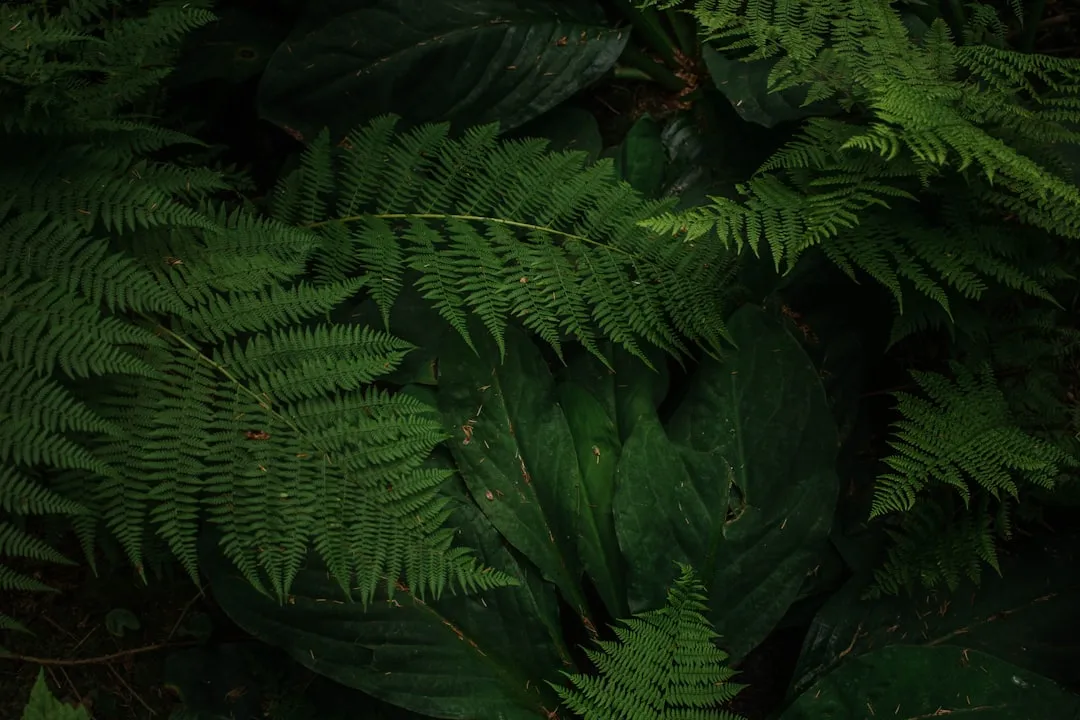
On August 25, 1852, brothers Seth and Stephen Shaw crossed the Eel River by canoe and proceeded up its tributary, the Salt River, eventually arriving at a level area at the base of the surrounding hills. Before that settlement, Ferndale was a glade of giant ferns reaching more than six feet, surrounded by alder, willow, Sitka spruce, Douglas fir, and coast redwood. The area was populated by the southern Wiyot people, centered along the Eel River, where they caught lamprey eels, salmon, and sturgeon in iris leaf fish nets.
Seth Louis Shaw remained on his claim and, in 1854, began construction of the first large house in the area. He named his home Fern Dale, and when it became the first post office, the new settlement adopted the name. That origin story, quiet and practical as it is, captures something essential about Ferndale’s character.
The Butterfat Palaces of Main Street
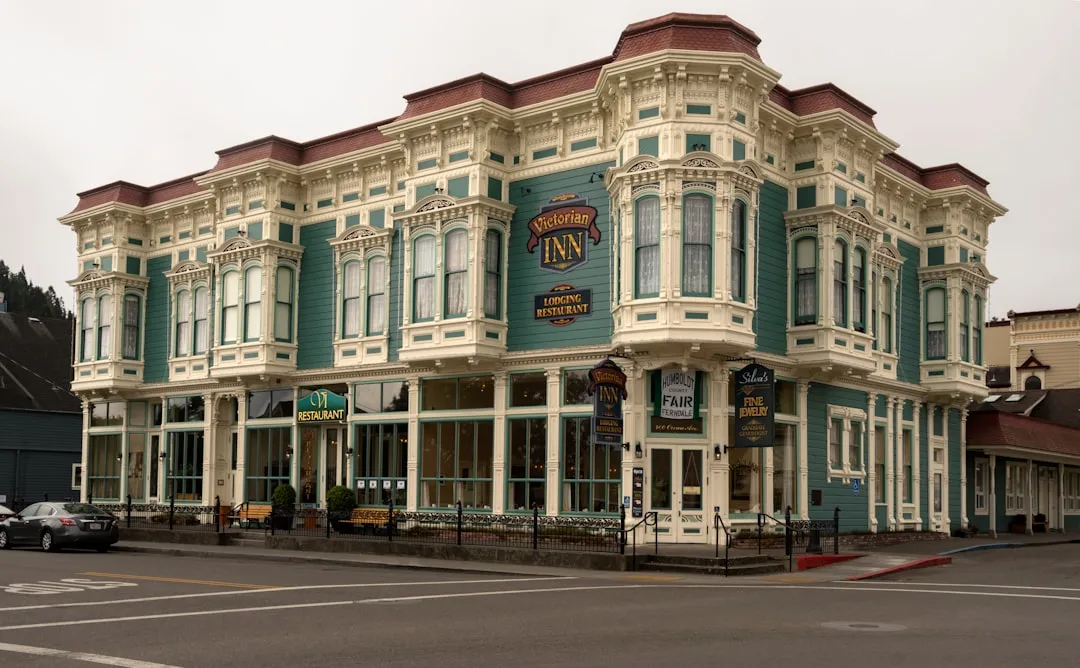
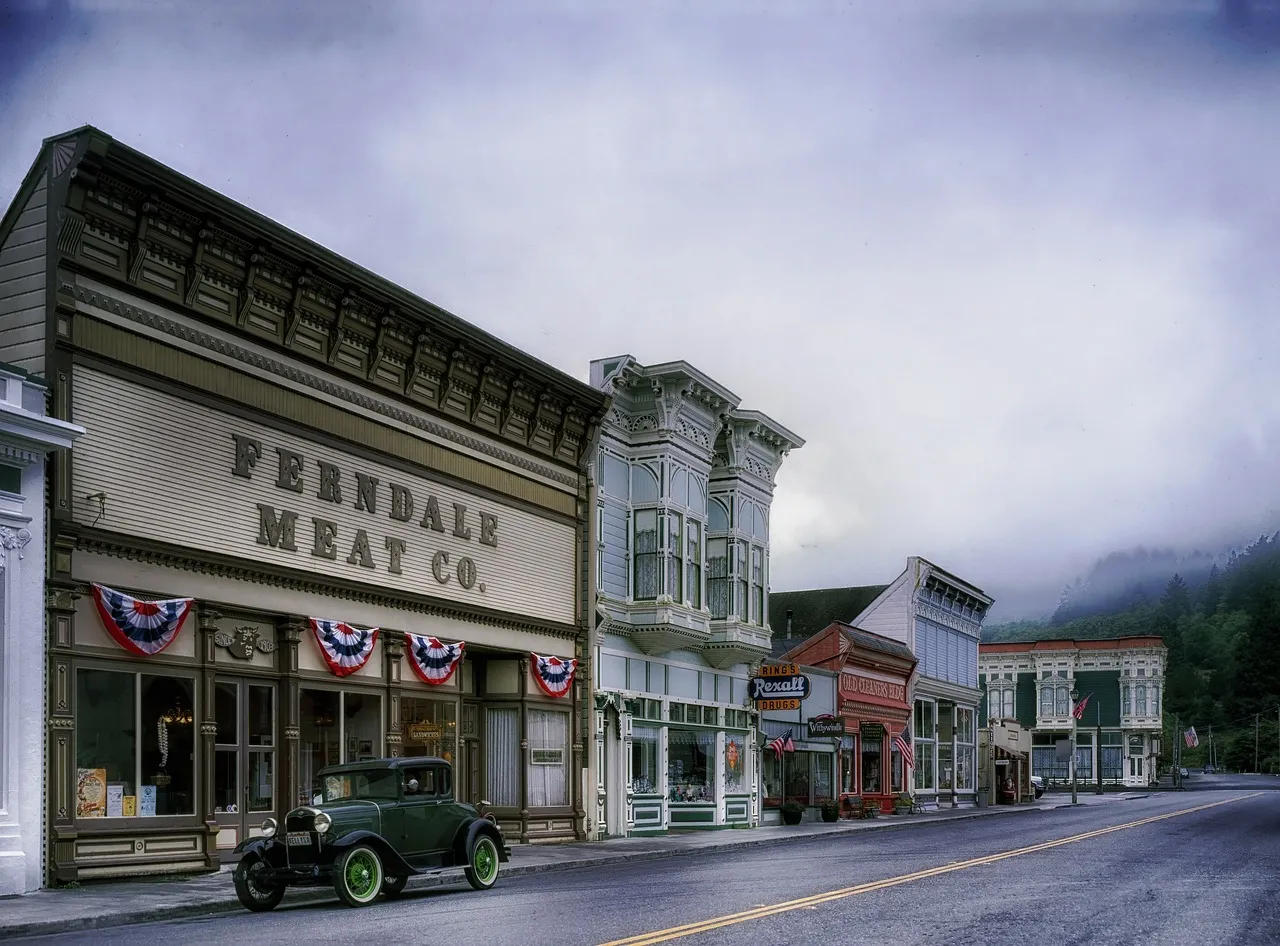
Nestled in a verdant pastoral valley near the Northern California Redwoods, Ferndale was founded in 1852 and soon became home to a prosperous dairy industry that led to the construction of the splendidly ornate buildings known today as “Butterfat Palaces.” The dairy-farming Danes arrived in the 1870s and brought practices from their homeland. Each small neighborhood of dairymen formed its own cooperative creamery, and by 1890 there were eleven separate creameries operating in the immediate Ferndale area.
Ferndale butter was considered the finest in the state, bringing premium prices in San Francisco, and the town acquired its first nickname: “Cream City.” Today, the elaborate Victorian facades those dairy profits built still line Main Street, looking very much as they did in the 1880s.
The Entire Town Is a Historic Landmark
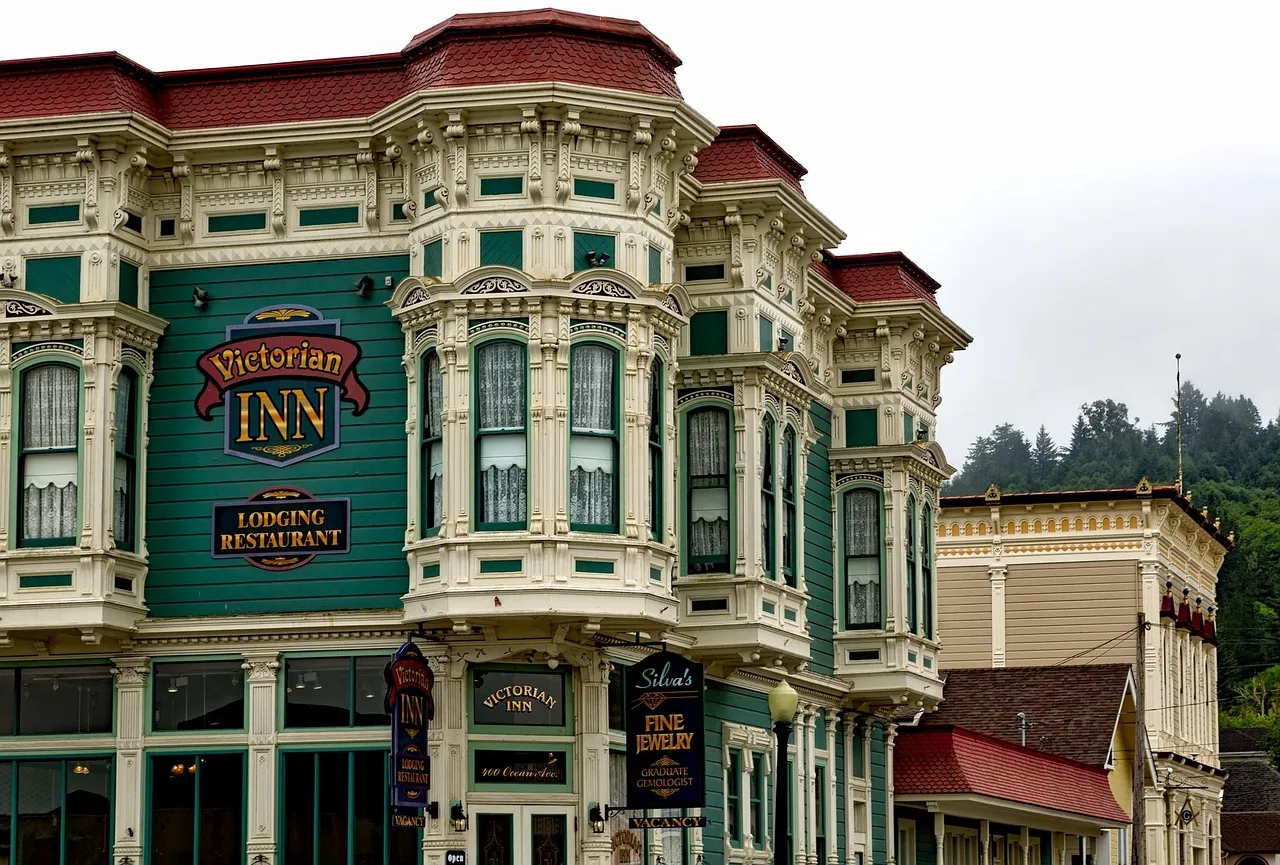
Ferndale is home to so many extraordinary examples of historic architecture that California designated the entire town as State Historic Landmark No. 883. In fact, the entire town resides on the National Register of Historic Places. That’s not a distinction many American towns of any size can claim, let alone one with fewer than 1,400 residents.
Ferndale earned its Victorian Village reputation from its concentration of late-19th- and early-20th-century homes, churches, commercial buildings, and civic structures, with the grandest residences known as Butterfat Palaces because many were built with wealth connected to the dairy industry. The small town is filled with independent boutiques, cozy cafes, antique shops, and locally owned businesses, and a leisurely walk through downtown reveals colorful storefronts, welcoming locals, and a relaxed atmosphere.
Surrounded by Ancient Redwoods on All Sides
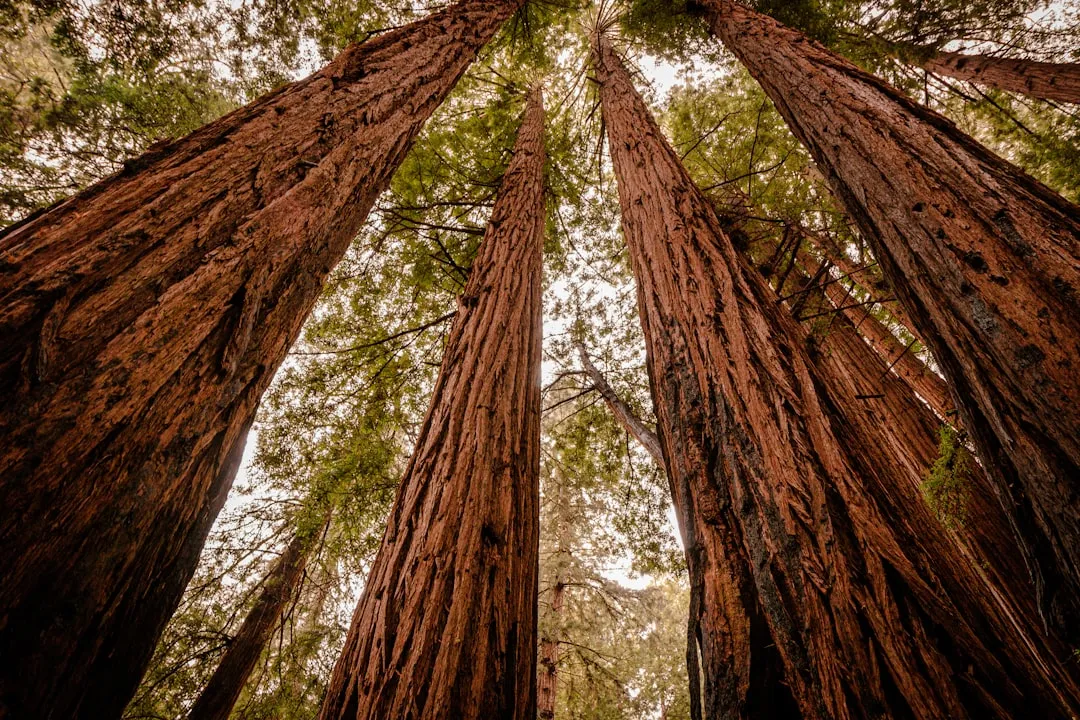
Ferndale is located between Humboldt Redwoods State Park and the Redwood National and State Parks, meaning visitors have the benefit of exploring one or more parks depending on how much time they have. The oldest cataloged living redwood in the region clocks in at 2,200 years old, a number that quietly reframes your sense of time.
The Redwood National and State Parks are a complex of one national park and three California state parks located along the coast of northern California. The United Nations designated them a World Heritage Site in 1980 in recognition of the rare ecosystem found there. Ferndale is one of the most convenient and charming bases for exploring this UNESCO-designated landscape.
Where the Kinetic Sculpture Race Was Born
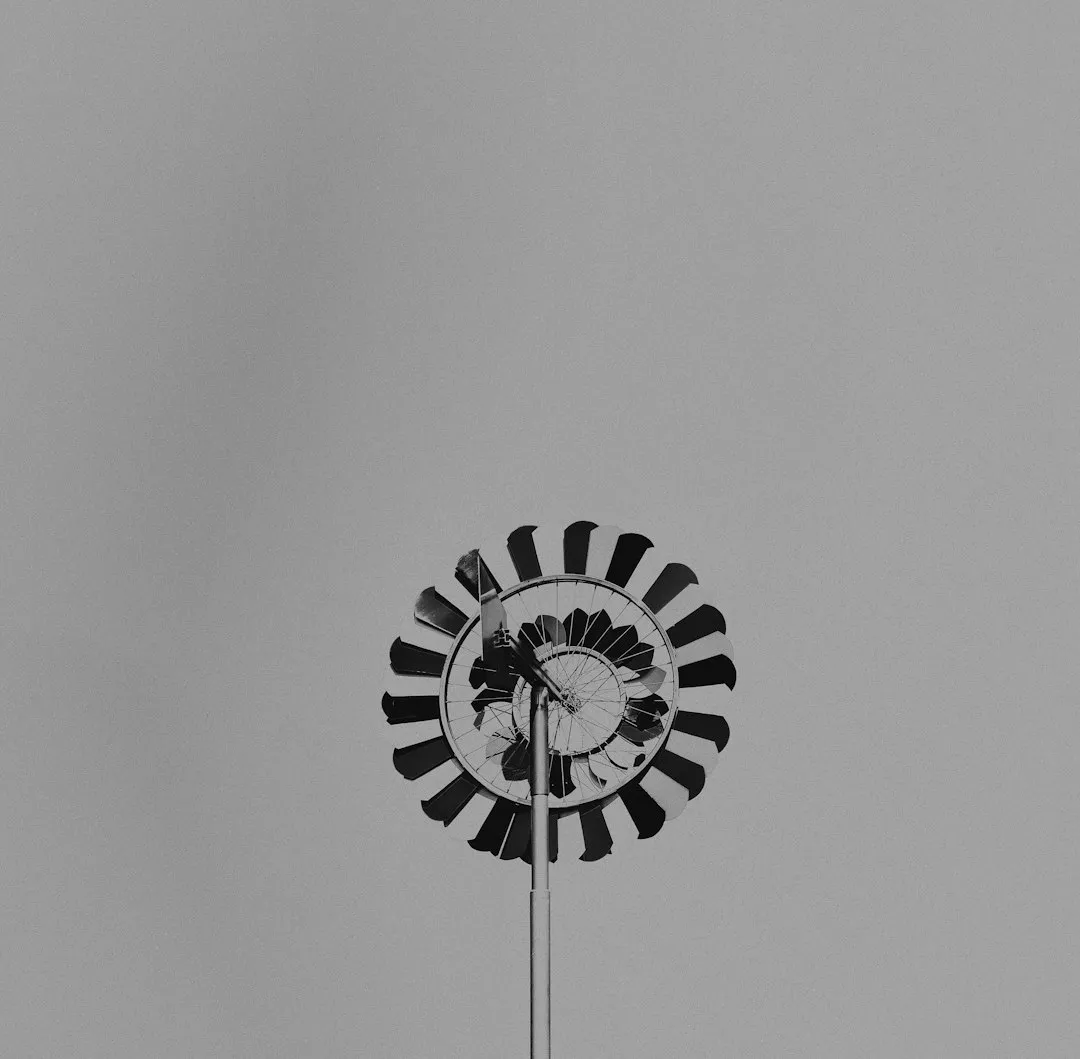
Founded by metal sculptor Hobart Brown in 1969, the Kinetic Grand Championship grew from a two-block dash down Main Street Ferndale into a three-day marathon spanning over 40 miles of Humboldt County’s towns, beaches, trails, and rivers every Memorial Day Weekend. The event is also called the “Triathlon of the Art World” because art and engineering are combined with physical endurance during a three-day cross-country race that includes sand, mud, pavement, a bay crossing, a river crossing, and major hills.
The Kinetic Grand Championship, Humboldt County’s beloved three-day extravaganza celebrating art, engineering, and pageantry, takes over the North Coast with its spectacle of human-powered sculptures, with around 40 teams piloting their machines over 50-plus miles from Arcata to Ferndale seeking glory and the title of Grand Champion. The madness concludes in Ferndale, the birthplace of the sport, with one last water crossing through the Eel River before the final push down Main Street.
A Cultural Life That Grew from Isolation

Isolated from the rest of the county, Ferndale developed an active social and cultural life of its own, much of it centered around its churches, of which five buildings constructed prior to 1900 can still be seen today. There were also a number of fraternal organizations, local musical, dramatic, and literary societies, and several large public halls used for dances, local entertainments, and the presentations of traveling theatrical companies.
Ferndale has long been a hub of Humboldt County artistic creation: galleries and studios line historic downtown, much of the town’s ornate architecture was saved thanks to area artists, and kinetic sculpture racing, now a worldwide phenomenon, was born here in 1969 when two local artists and friends raced their modified man-powered machines down Main Street. The creative energy here doesn’t feel curated or performed. It feels genuinely rooted.
Russ Park and the Southernmost Sitka Spruce Grove
For a tiny rural town with a population of around 1,372, Ferndale is home to an astonishing roster of amenities, and visitors can hike through the southernmost stand of Sitka spruce in Russ Park and stroll the sands of secluded Centerville Beach, the northernmost point on the Lost Coast.
Russ Park is often overlooked by visitors who spend all their time on Main Street, which is understandable but worth correcting. The trail system winds through old-growth spruce and redwood, and the sense of quiet up there is something most people spend their whole vacation chasing. It’s a ten-minute walk from the center of town.
The Ferndale Historic Cemetery
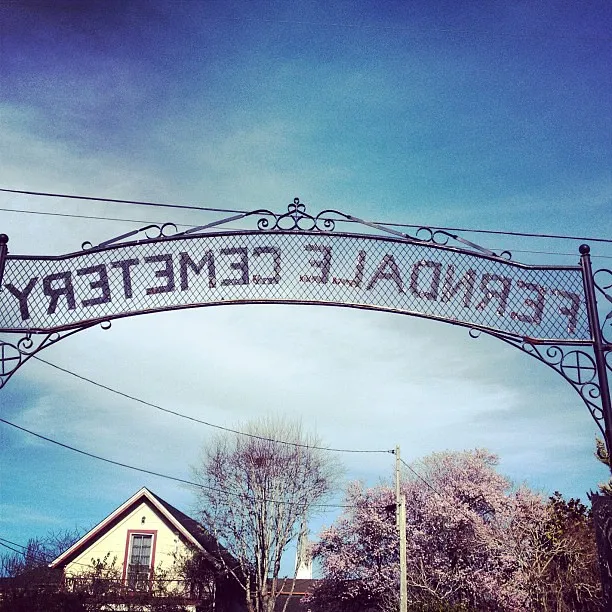
The Ferndale Historic Cemetery offers a quiet glimpse into local life, both past and present. Two blocks from Main Street, the cemetery, which was founded in 1868, sprawls up a redwood-capped hill behind the Old Steeple, a Victorian church turned beloved music venue. There are several mausoleums and rows of unique headstones, obelisks, and memorial statuary.
For those who appreciate the kind of history that doesn’t come with a gift shop, the cemetery is one of the most genuinely moving places in town. The hill gives a sweeping view of the valley below, and on clear days the pastoral farmland stretches out toward the coast in a way that makes Ferndale feel completely self-contained, like a world someone built by hand and then quietly preserved.
The Humboldt County Fair and a Long Local Tradition
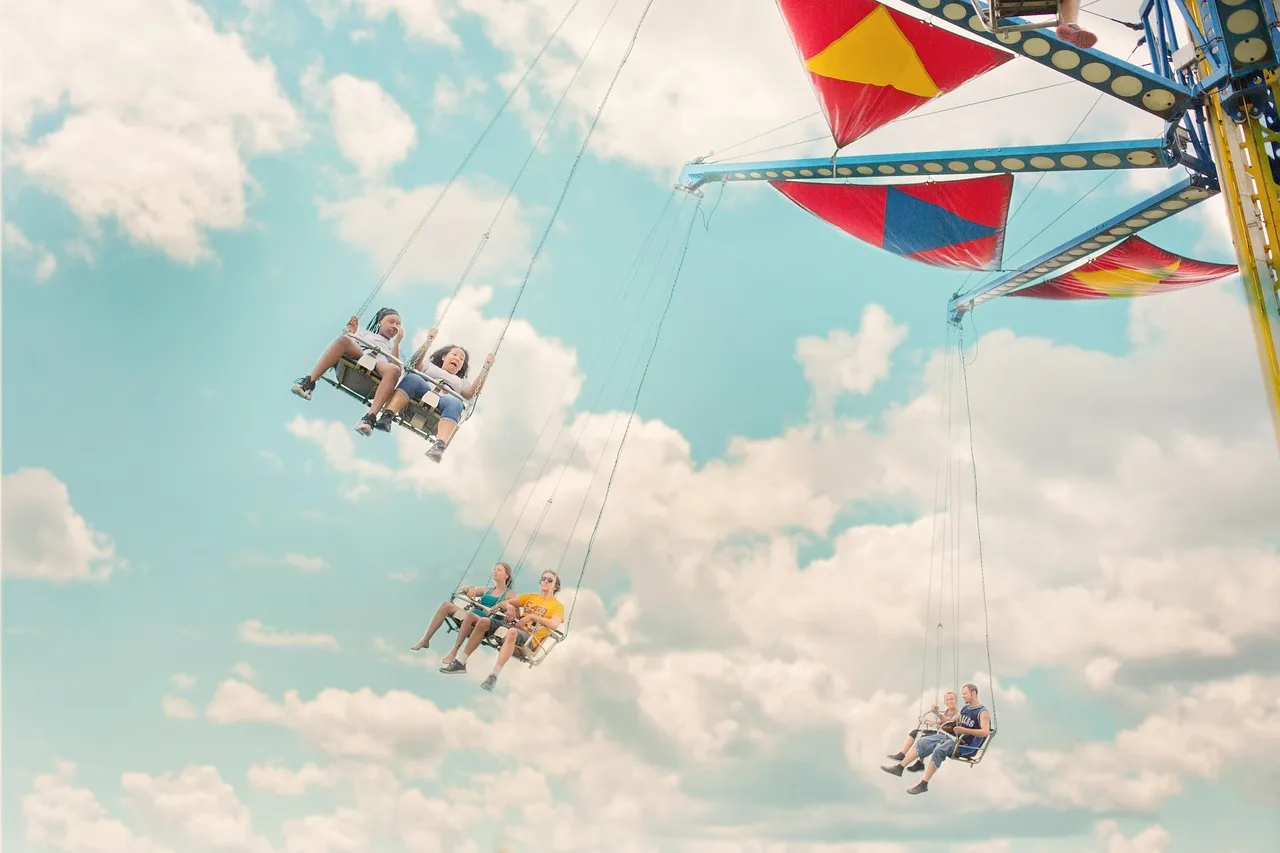
The Humboldt County Fair has partnered with the Kinetic Universe to produce events that celebrate Ferndale’s long association with art and community, including the first-ever Kinetic Obstacle Exhibition Derby. The fair has its own deep roots, with a 128-year tradition of horse racing that defined the event for generations. Ferndale’s fairgrounds carry that kind of layered local history that accumulates slowly over decades, not through branding or deliberate preservation efforts, but simply through people continuing to show up year after year.
The fair draws visitors from across the county each August, and it remains one of those events where the crowd is mostly local, which tells you something real about the health of the community. Ferndale supports its own traditions with genuine enthusiasm.
Getting There Is Part of the Experience
Ferndale is located in Humboldt County in Northern California, within the Eel River Valley and Redwood Coast region, about 20 miles from Eureka by road. The drive from the highway winds through dairy pastures and creek bottoms, and there’s a brief stretch where the valley opens up and you can see the Victorian church steeples of Ferndale before you actually arrive. It’s one of those approaches that earns its destination.
Northern California differs from the south because of the region’s cooler climate with fogged-in coastline and lush, green forests, and nowhere is that more apparent than on the Eel River Valley road to Ferndale, where the fog often sits low on the hills well into mid-morning. Pack layers. The Pacific influence here is real and constant.
The Takeaway
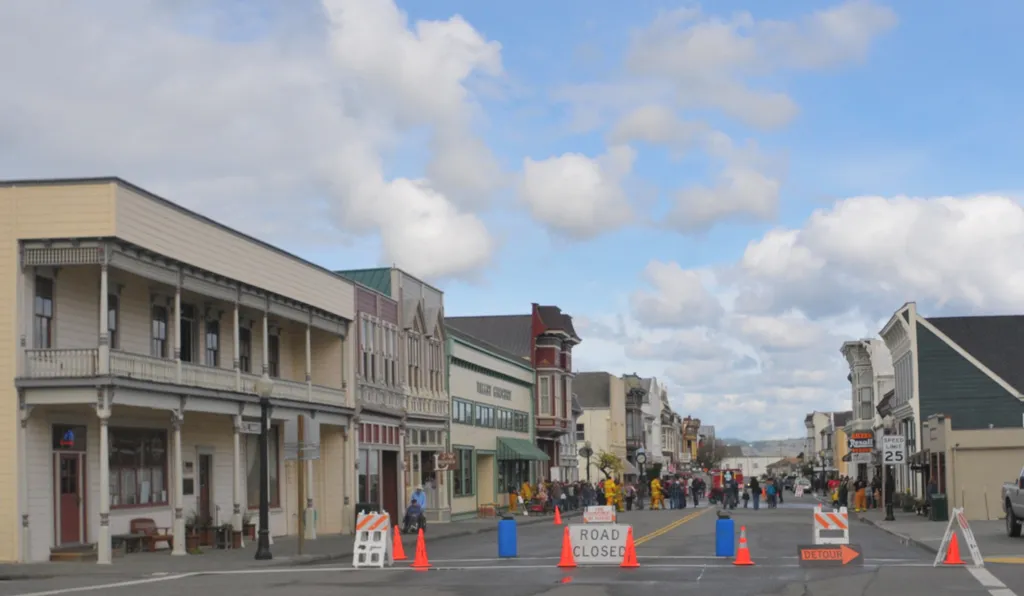
Ferndale is not undiscovered. Locals in Humboldt County know exactly what they have. What it remains is unhurried, unperformed, and genuinely itself. Tucked away on California’s remote Redwood Coast, historic Ferndale is a hidden oasis of small-town charm, enchanting scenery, and spirited North Coast culture.
A town that was built on butter, shaped by isolation, and held together by a community that invented its own art form deserves more than a quick drive-through. Spend a night. Walk the cemetery hill at dusk. Let Main Street slow you down. That’s what it was built for.
AI Disclaimer: This article was created with the assistance of AI tools and reviewed by a human editor.