
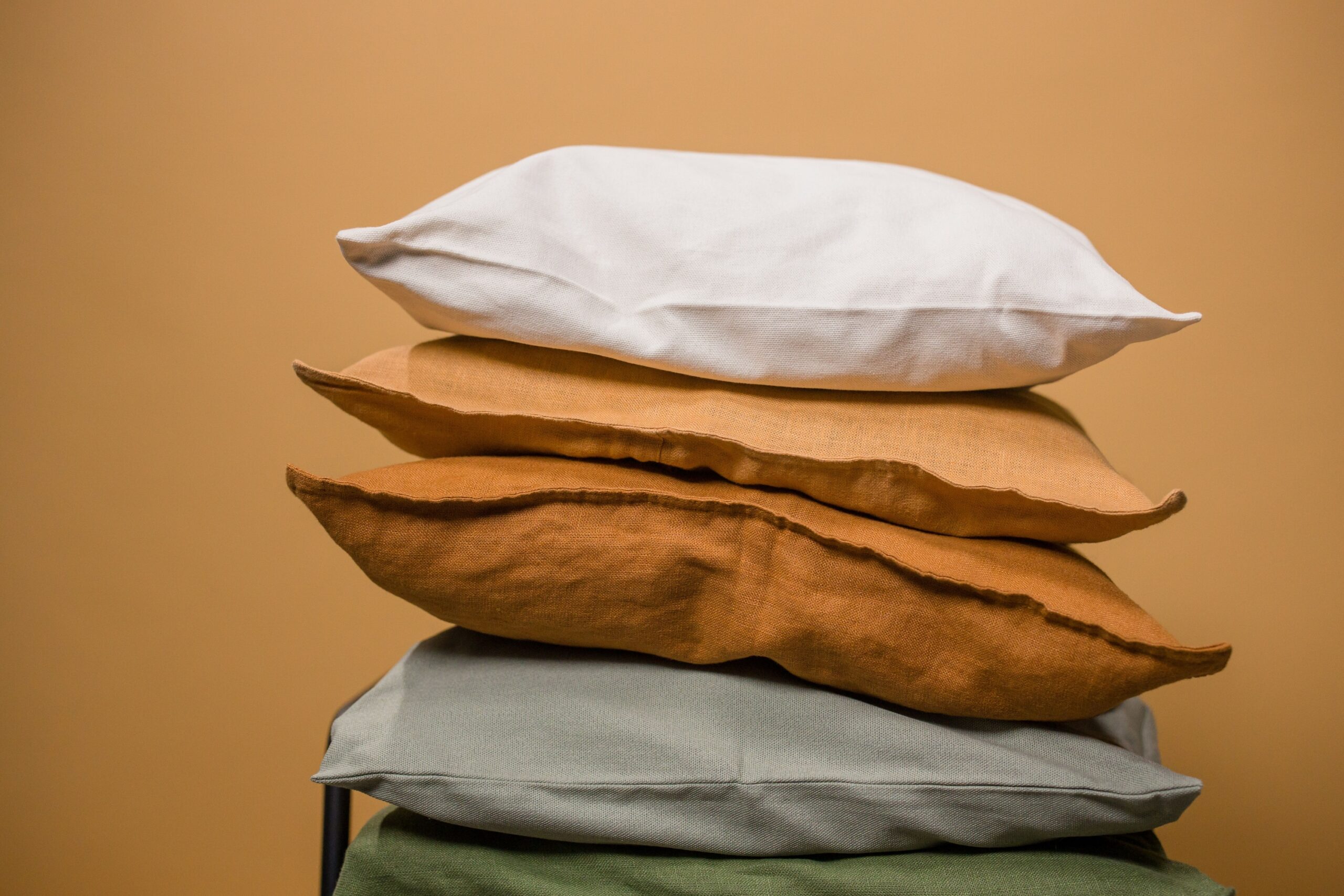

Most of us have experienced that quiet surprise of sinking into a hotel bed and thinking, “Why can’t my pillow feel like this?” It happens so consistently that it can’t just be the novelty of travel. There’s something genuinely different going on, and the answer is a lot more specific than you might expect.
According to a survey by Hotels.com, an impressive seventy-three percent of respondents reported sleeping better in a hotel room than at home. That’s not a small margin. It points to a combination of deliberate choices hotels make around materials, maintenance, and design, most of which the average person never thinks about when buying a pillow at a retail store.
Hotels Buy Commercial-Grade Pillows, Not Retail Ones
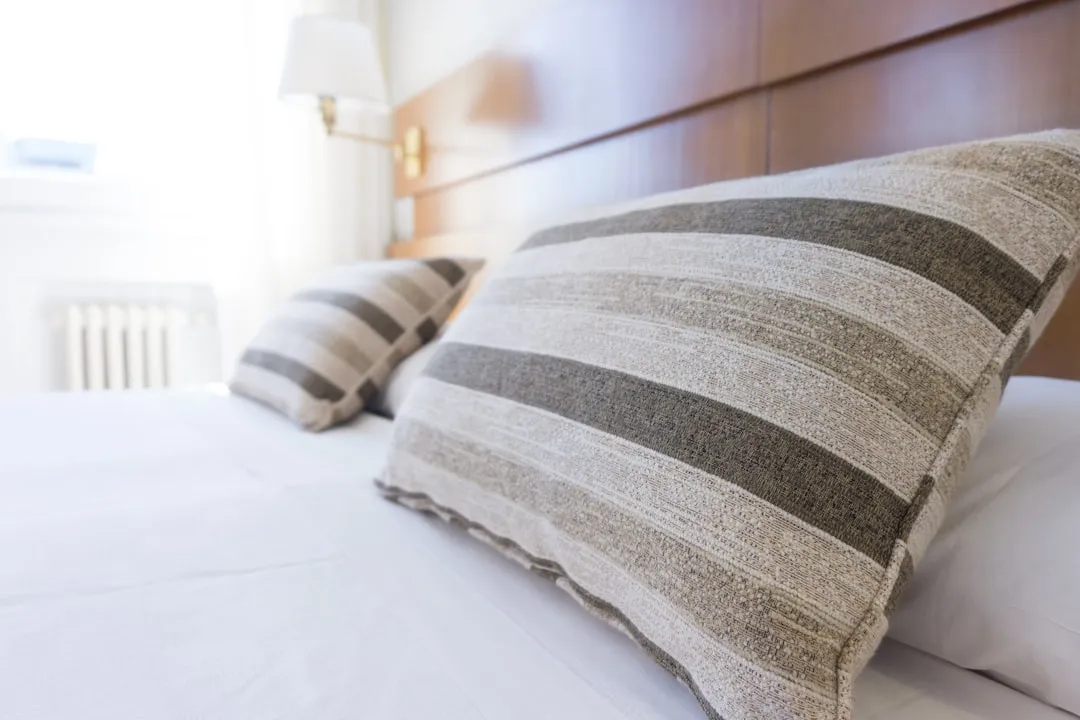
Hotels use commercial-grade pillows designed for durability and consistent performance across diverse users, specifying precise fill ratios, higher-quality materials, and superior construction methods. This is a critical distinction. Retail pillows are sold on appearance and price point. Hotel pillows are bought in bulk based on measurable performance data and repeat guest satisfaction.
Most importantly, hotels choose based on measurable guest satisfaction data, not marketing trends. That kind of purchasing discipline is rare in a typical home environment, where a pillow is often selected quickly and replaced slowly.
The Fill Material Is Usually Far Superior
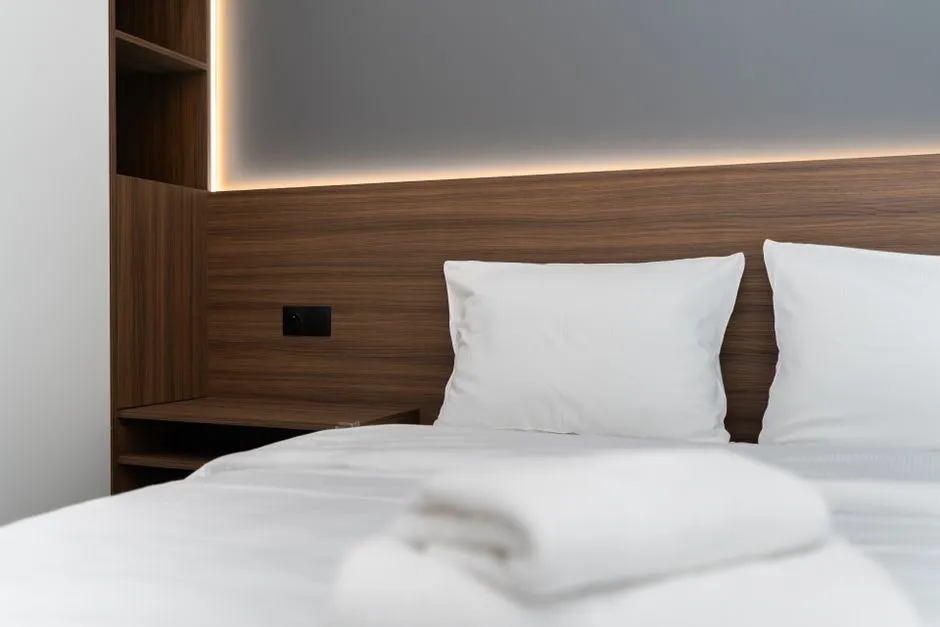
Most hotel pillows are made from down, feather, memory foam, or down-alternative fibers. Premium properties tend to favor natural fills, while mid-range hotels lean heavily on carefully engineered synthetic alternatives. Either way, the materials chosen are a step above what you’d find in an average superstore.
The core of a premium hotel pillow typically consists of mainly feather, which is firmer, surrounded by mainly down, which is softer. These layers are known as chambers, and it’s the precise ratio of feather to down that determines how comfortable and supportive a pillow feels. That kind of structural thinking rarely goes into pillows sold at a general retailer.
Natural Down Breathes in a Way Synthetics Often Don’t

Down and feather is naturally breathable, allowing up to three to four times more air circulation than synthetic-filled pillows, so moisture can escape more easily. That difference in airflow has a direct effect on how cool and comfortable you feel through the night. Sleeping hot, even mildly, disrupts sleep quality in ways people rarely attribute to their pillow.
Each feather’s organic composition wicks moisture away from skin while allowing heat to dissipate, and natural materials create air circulation that prevents the heat buildup commonly experienced with memory foam. It’s an elegant, passive system, and it works quietly in the background every time you shift in your sleep.
Down-Alternative Technology Has Caught Up Considerably
PrimaLoft® is considered the closest down alternative to white goose down, a silky-smooth polyester blend that mimics the billowy softness of down, and it is also hydrophobic, meaning it does not absorb water, making drying quick and easy. Hotels that can’t or won’t use natural fills for budget or allergy reasons often turn to materials like these.
EnviroLoft® is a fiber comprised of thick polyester strands for exceptional fluffiness and is famous for hospitality bedding due to its durability and price point, while Spira, a fiber made of cluster puff balls, offers excellent volume and is used in many hotel bed pillows. These aren’t generic polyester. They’re engineered specifically for the hospitality industry, which means they outperform most budget pillow fills found in typical home settings.
The Pillow Is Overstuffed on Purpose
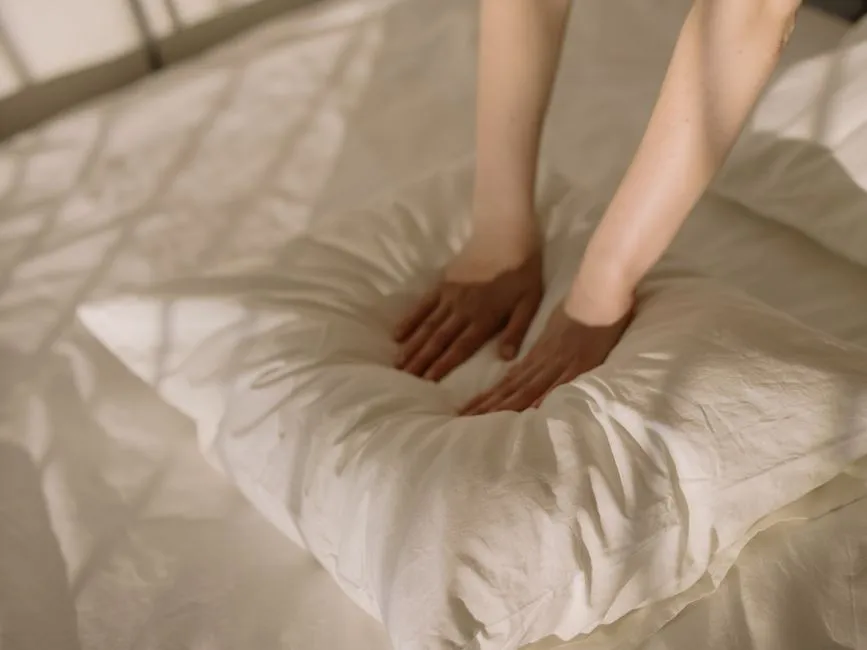
Hotels often use standard, queen, and king-sized pillows, selecting based on the mattress size and guest requirements, with the standard for hotel pillows tending to be slightly larger and thicker than regular home pillows. That extra loft isn’t an accident. It’s engineered to maintain shape and support consistently, even after repeated compression and washing.
The extra fullness, often called overstuffing, not only helps maintain shape but also provides more consistent head and neck support. At home, most people buy pillows that feel fine in the store but flatten out within a few months, and they simply live with it rather than replacing them.
Hotels Replace Pillows Far More Often Than You Do

Hotel pillows absorb the most daily wear of any bedding item. They are compressed every night, fluffed every morning, and often laundered more frequently than residential pillows. As a result, hospitality pillows have a shorter usable lifespan. To counter this, hotels operate on structured replacement schedules that most people never think to apply at home.
Most hotels replace their pillows every one to two years, though this varies significantly by property tier and occupancy rate. Budget hotels operating at high occupancy may cycle through pillows every twelve months, while luxury properties often extend replacement to eighteen to twenty-four months by using higher-quality fills and protective encasements. Compare that to the average home, where pillows are kept for years well past their functional life.
Pillow Protectors Play a Bigger Role Than Most Guests Realize
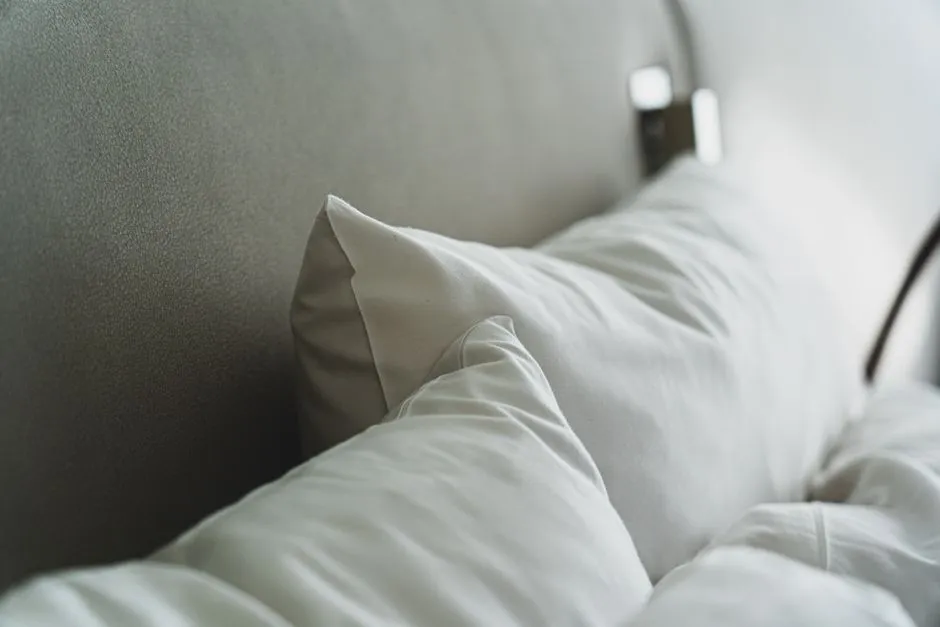
One reason hotel pillows feel exceptionally good is because they are encased in high-quality pillow protectors, and these protectors serve multiple functions, including maintaining the cleanliness and hygiene of the pillow. They also act as a physical buffer, reducing how much the outer pillow cover actually contacts the fill directly.
Hotel pillow protectors are replaced every twelve to eighteen months under standard operating conditions, with laundering required after every single guest checkout, a schedule widely endorsed by hospitality hygiene consultants and property management auditors as of 2026. That level of structured care keeps the core pillow feeling newer for longer, and it’s a habit most households simply don’t maintain.
Daily Housekeeping Maintenance Keeps Pillows Fresh and Full
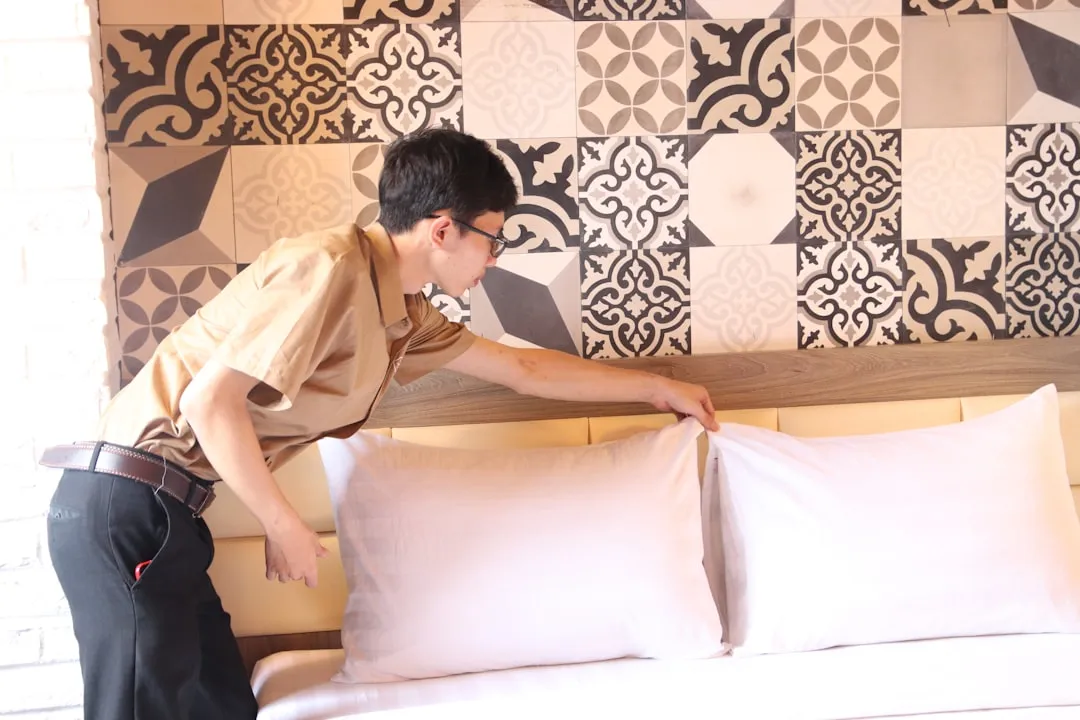
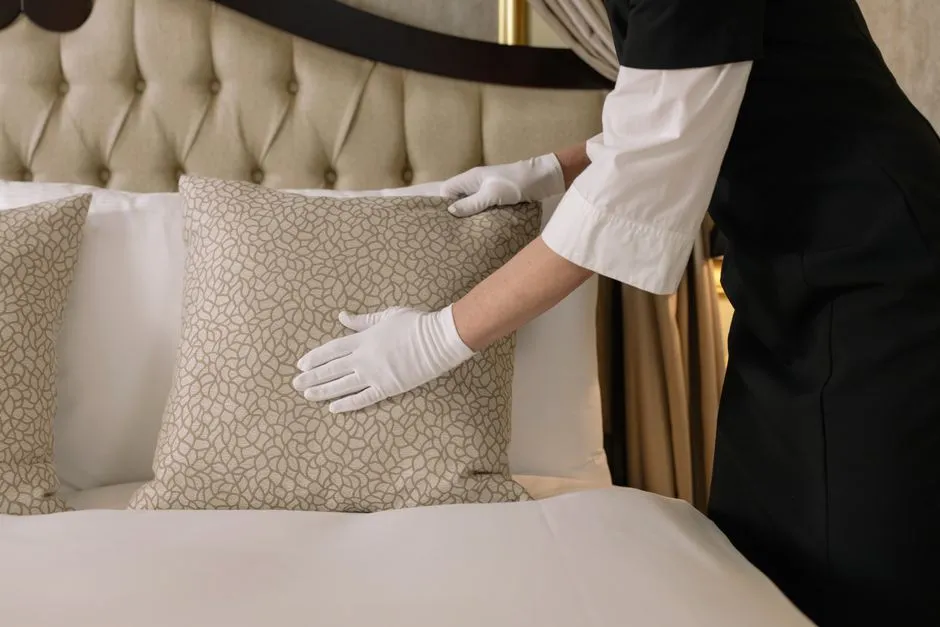
Hotel pillows benefit from daily maintenance from housekeeping staff. Every morning, a pillow is manually fluffed, repositioned, and checked for visible wear. That daily attention redistributes fill material and prevents clumping, which is exactly what happens to a neglected pillow left on a home bed for months.
Down and feather gently contours to your head while still feeling soft and springy, and when the next guest checks in the hotel pillow is like new again, perfectly fluffy and full in appearance. The physical ritual of daily fluffing isn’t trivial. It makes a measurable difference in how the pillow performs night after night.
Sleep Position Matching Is Built Into the System

A good hotel picks pillows that are cozy for various sleeping positions. Back sleepers benefit from flatter, sometimes softer pillows, while side sleepers typically find comfort in thicker, harder pillows, and the best pillows for stomach sleepers are soft ones. Many hotels offer a pillow menu or at minimum stock a variety of firmness levels to accommodate different guests.
When we lay down to rest, our spine should maintain its natural alignment, meaning our head should rest squarely on our shoulders without tilting in any direction. The wrong pillow, too high or too low, can lead to an unnatural bending of the neck, which puts pressure on the nerves, leading to discomfort or pain. Hotels account for this. Most home sleepers don’t actively assess whether their pillow firmness still matches their preferred sleeping position.
The Psychology of Novelty Makes It All Feel Even Better

The seventy-three percent who said they slept better in a hotel is probably down to a few factors, including being able to switch off from daily stresses and a quieter room than at home. In other words, the pillow itself is doing real work, but it’s operating inside a broader environment that’s designed for rest. Clean lines, controlled temperature, minimal noise, and no pending to-do list all lower the body’s arousal levels before sleep even begins.
The pillow benefits from that context. At home, the same pillow would have to fight harder against the psychological noise of daily life. It’s worth remembering that comfort is always partly subjective, and a relaxed mind is more easily satisfied. Still, the materials and maintenance differences are real, and they matter independently of any psychological effect.
The Takeaway
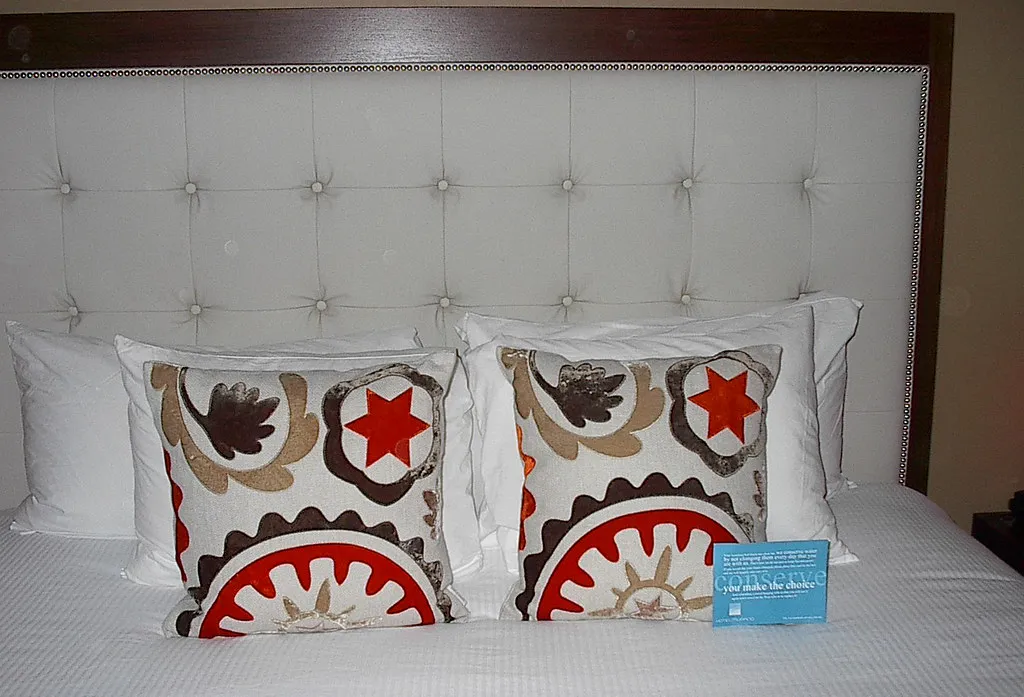
The gap between hotel pillows and home pillows is genuinely structural. It comes down to commercial-grade materials, engineered fill ratios, consistent laundering, regular replacement, and daily hands-on maintenance. These aren’t luxury secrets. They’re disciplined habits applied at scale.
The National Sleep Foundation notes that regular pillow replacement is a simple step to improve sleep hygiene and reduce allergens in your sleep environment, and recommends replacing pillows every one to two years. Most people stretch that window considerably further. The good news is that once you understand why the hotel pillow feels the way it does, recreating that experience at home becomes a matter of deliberate choices rather than luck.
AI Disclaimer: This article was created with the assistance of AI tools and reviewed by a human editor.