
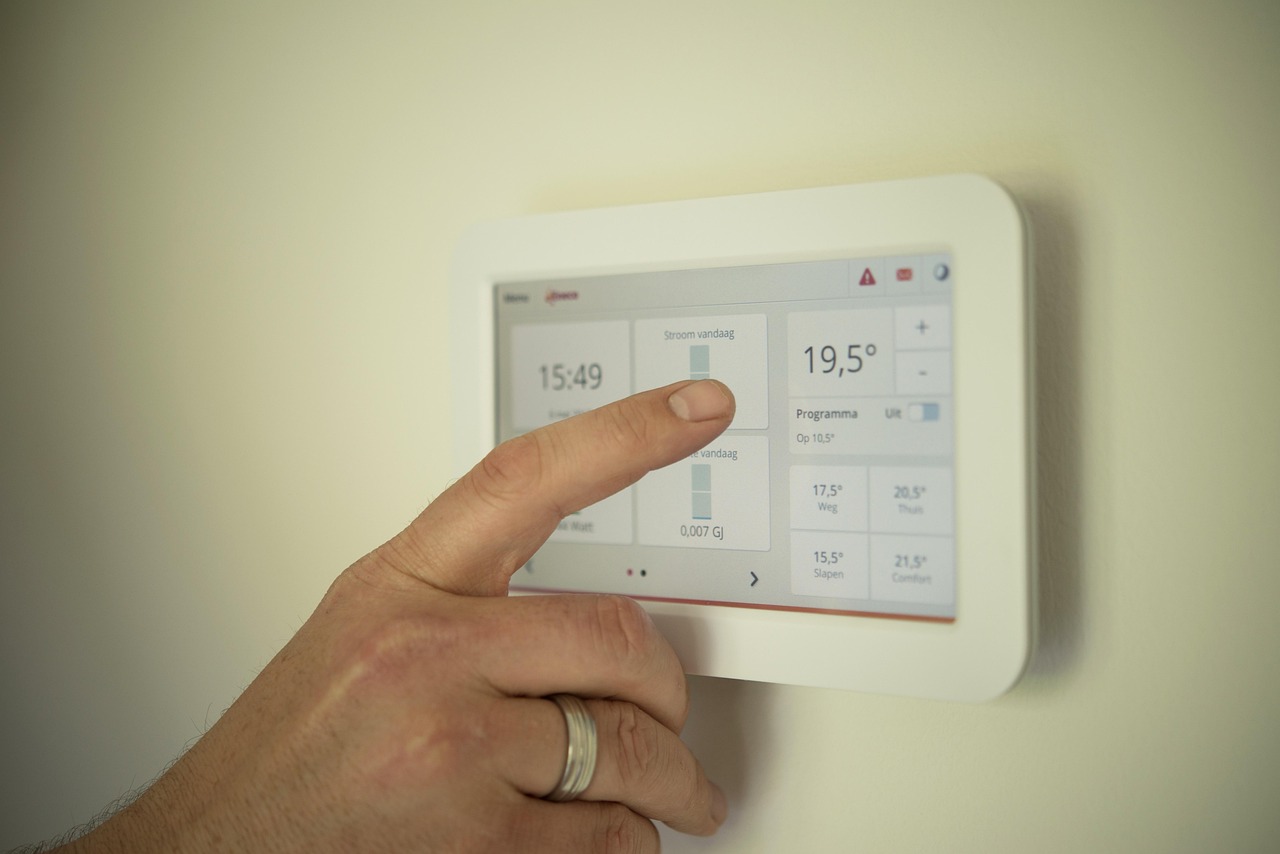
The Thermostat Is Only Measuring One Tiny Spot
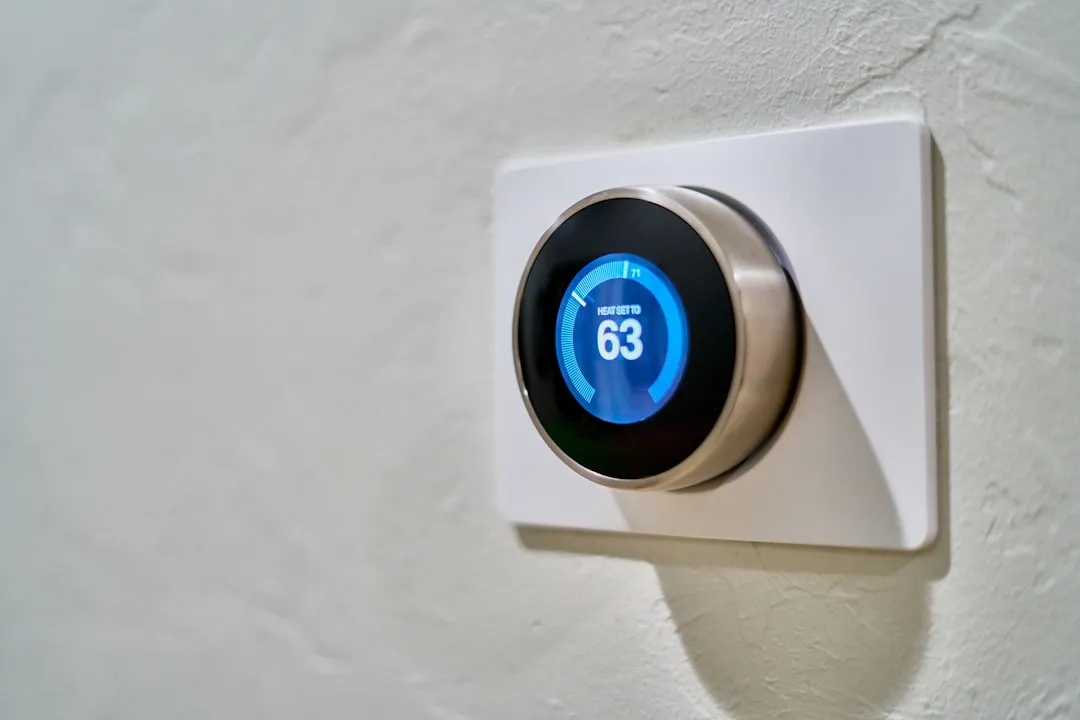
A thermostat can only measure the temperature of the air within a few inches of its sensor. That reading reflects conditions at one point on one wall, which may bear very little resemblance to the temperature at your bed, your desk, or the floor under your feet.
The number on the display usually reflects the temperature near the thermostat, not necessarily the way every room feels. Air movement, humidity, sunlight, room layout, blocked vents, dirty filters, and leaky ducts can all affect how comfortable a space feels.
A thermostat mounted near the bathroom door reads whatever’s coming off the tiled floor, not what the sleeping guest feels. Mount one too close to the PTAC return and it reads the supply air instead of the room. The sensor is not lying. It’s just not measuring where you are.
The Air Around You Is Stratified, Not Uniform

A natural process called thermal stratification means the air temperature in any room varies by elevation. The air near the floor is cooler than the air at head height, which is cooler than the air near the ceiling.
You perceive the average of what your body encounters, which feels warmer or cooler than what the thermostat reports. In a hotel room, where the thermostat is often mounted at mid-wall height, the reading can sit several degrees warmer than what you experience near your feet or near a cold exterior wall.
This gap matters more in hotel rooms than at home because the rooms tend to be smaller, with harder surfaces that don’t buffer temperature swings the way furniture-filled residential spaces do. Cold air settles, and you sleep in it.
Radiant Cold from Surfaces Isn’t Captured by Any Thermostat

The convective part of thermal interaction is mainly related to air temperature and humidity, while the radiative part is primarily driven by surrounding surface temperatures. Room thermostats have been employed to gauge thermal comfort levels since the late 19th century. However, a fundamental limitation persists: they measure only air temperature, neglecting the intricate effects of surrounding surface temperatures on human perception.
Measuring and controlling human thermal perception-related parameters within the built environment is crucial for ensuring occupant comfort. The human body is sensitive to both convective and radiative thermal effects. Mean radiant temperature represents the comprehensive radiant thermal impact individuals perceive in their surroundings.
In practical terms, a cold window, a concrete exterior wall, or a tile floor draws heat away from your body through radiation, making you feel colder even when the air temperature reads perfectly fine. Hotel rooms tend to have more hard, cold surfaces than homes, amplifying this effect considerably.
Hotel HVAC Systems Are Built for Efficiency, Not Precision

Large hotels use centralized HVAC systems that serve dozens or hundreds of rooms. To prevent overheating in sun-exposed southern wings while maintaining heat in northern ones, managers often default to cooler baseline settings.
Key developments include the integration of occupancy sensors in the majority of premium hotel thermostats, and major chains are adopting centralized energy management systems that interface with room thermostats, enabling remote temperature caps during unoccupied periods. Those caps often keep rooms cooler than guests expect.
Data from more than 100 air conditioning units found that roughly four out of five hotel units cannot cool a room below 19°C, and even with the thermostat set to 19°C, the actual room temperature rarely drops below about 21.5°C. The number on the panel and the physical ceiling of the system are often two different things entirely.
The Thermostat Deadband Means the Room Drifts Before Anything Kicks In
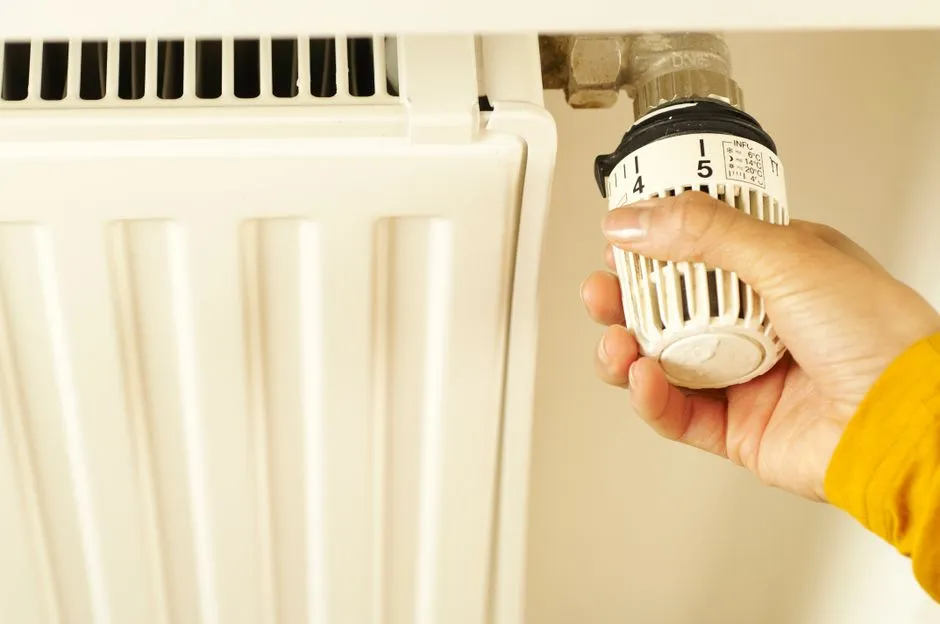
The thermostat deadband set too wide means the unit waits for a 2 to 3 degree swing before kicking on, so the room drifts noticeably before anything happens. It can feel like the air conditioning is ignoring you.
This design is intentional from an energy standpoint. Constant cycling is hard on equipment, so systems are tuned to tolerate a range before responding. The guest sets a temperature and expects the room to hold there. The system allows a several-degree swing around that point.
In older PTAC units – the kind found in millions of hotel rooms across North America – older units with original efficiency ratings near 5.0 degrade to roughly 3.0 after fifteen or more years of service. Dirty filters and coils accelerate that decline. Most hotels don’t put HVAC on the housekeeping checklist, so the drift happens slowly across months.
Hotel Rooms Are Kept Cooler by Default as a Universal Policy
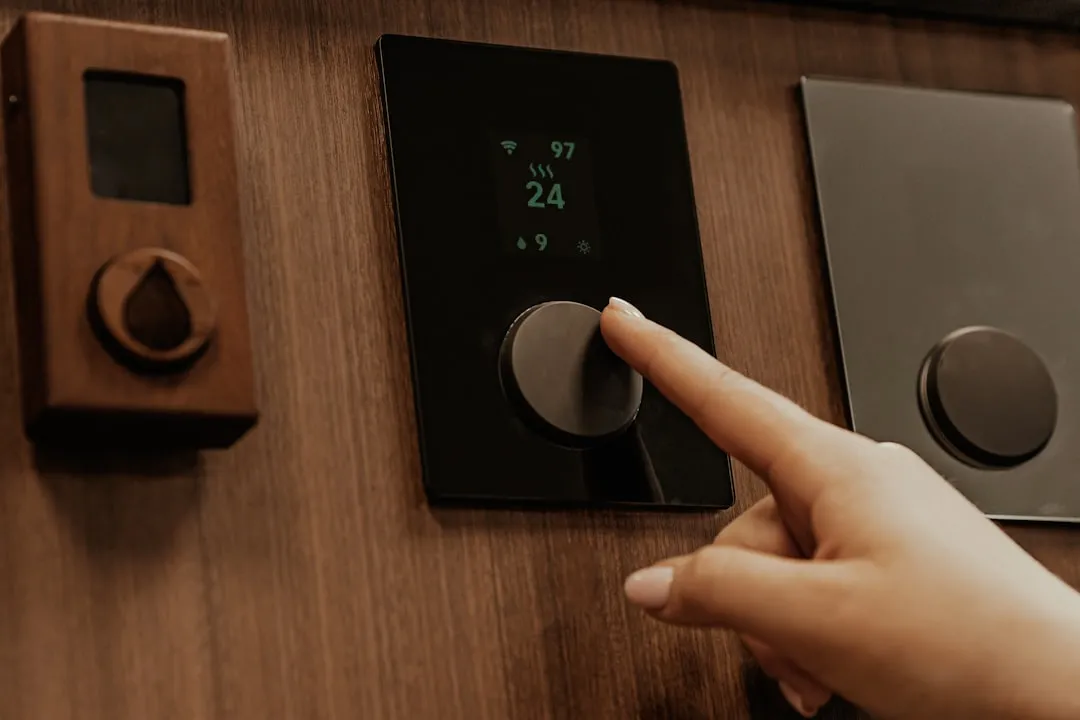
Unlike homes where occupants are consistent, hotel rooms cycle through guests with different preferences. Cool settings are seen as more universally tolerable than warm ones, reducing guest complaints about stuffiness. A warm room is a complaint waiting to happen. A cool room can be fixed with a blanket.
Guest rooms sit vacant about 60% of the time, even when booked, while the HVAC system runs on fixed schedules, conditioning empty air at full cost. When a room transitions from empty and set back to occupied, it may not have fully recovered to the target temperature by the time a guest walks in.
When the system detects a door entry, it calculates the time needed to recover the room to comfort temperature and begins the process immediately. By the time a guest reaches the elevator and walks to their floor, the room is theoretically at the correct temperature. The setback is designed to be completely invisible to the guest experience. In practice, recovery is imperfect, and the gap is often felt.
Low Humidity Makes Cold Air Feel Even Colder

Keeping the temperature at 68°F is not comfortable for a lot of people. If the humidity is still high, you feel cold and clammy. Raise the thermostat setpoint and the room starts to feel warm and sticky. It’s hard to find a middle ground that’s comfortable.
Comfort requires accurate temperature control and humidity around 40 to 50 percent, along with ample ventilation to dilute pollutants and odors. Many hotel rooms operate outside that humidity sweet spot, which pushes perceived temperature below the displayed reading.
Thermal well-being is shaped by airflow, surface temperature, humidity, radiant exchange, and personal insulation – not a single number on a locked screen. The thermostat captures one variable out of five. That’s a significant limitation in any real comfort calculation.
The Materials in Hotel Rooms Work Against Warmth
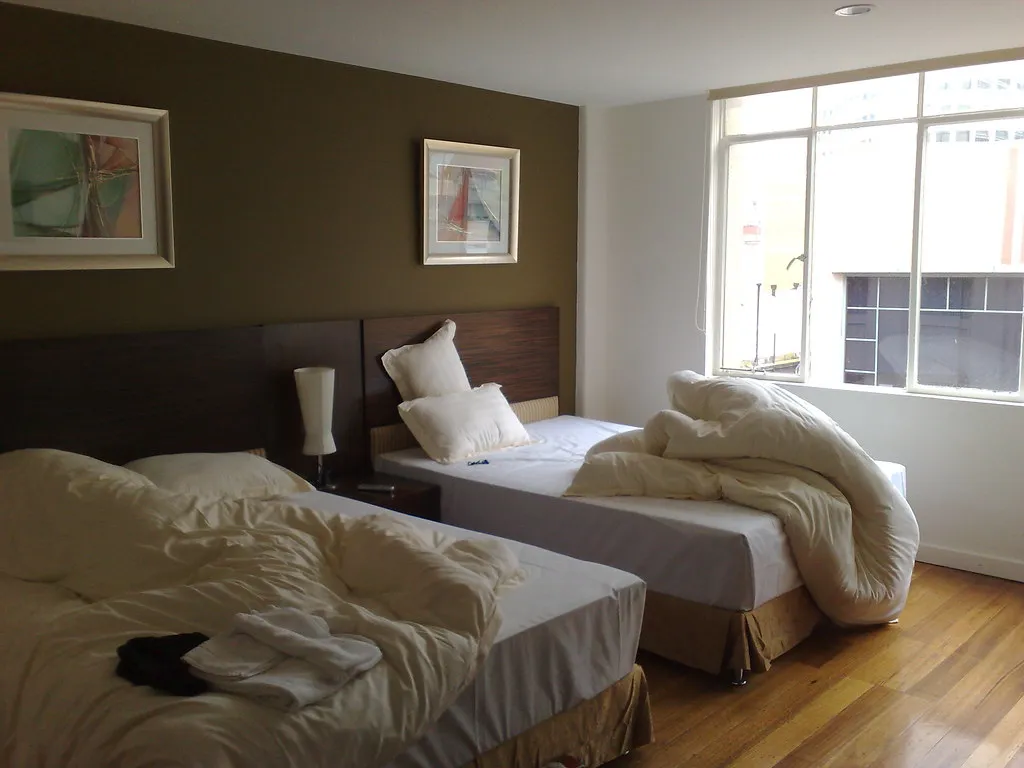
Hotel rooms typically feature hard surfaces: tile floors, glass, and metal frames that radiate cold, as opposed to the wood, fabric, and rugs found at home that retain warmth. This isn’t accidental. Hard surfaces are easier to clean, more durable under heavy use, and more hygienic. The tradeoff is a room that feels cooler than the temperature display suggests.
Rooms with large windows, skylights, older insulation, exterior walls, or exposure to afternoon sun can gain or lose heat faster than interior spaces. Corner rooms or top-floor rooms often have the most exposure and the most dramatic difference between what the thermostat says and what the body feels.
Sealed windows in modern hotels also prevent guests from making simple adjustments. Ventilation in hotel rooms typically involves sealed windows, fixed airflow, and poor localized control – so the only lever available is the thermostat, even when the thermostat is only telling part of the story.
Occupancy Setback Programs Leave Rooms Behind
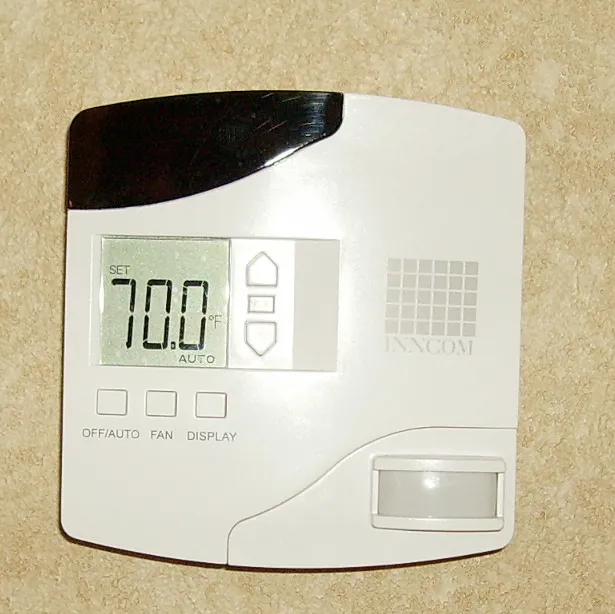
When a guest leaves the room, it goes into a setback mode where hotel management has predetermined settings to maximize energy savings. Management can further increase savings by blocking heating and air conditioning completely during peak load periods if the room is empty.
Major chains adopting centralized energy management systems interface with room thermostats, enabling remote temperature caps typically between 68 and 78 degrees Fahrenheit during unoccupied periods. These programs are genuinely effective at cutting energy use, but they create a lag that guests sometimes walk into.
The display still shows the guest’s last selected temperature, even while the system quietly holds the room several degrees away from it. Some building owners and automation programmers intentionally introduce calibration offsets into sensors to save energy, with the thought that if a guest is used to 70 degrees, the space may sit at 72 but the display will show 70. That gap is policy, not malfunction.
Aging Equipment Quietly Underperforms the Numbers It Displays
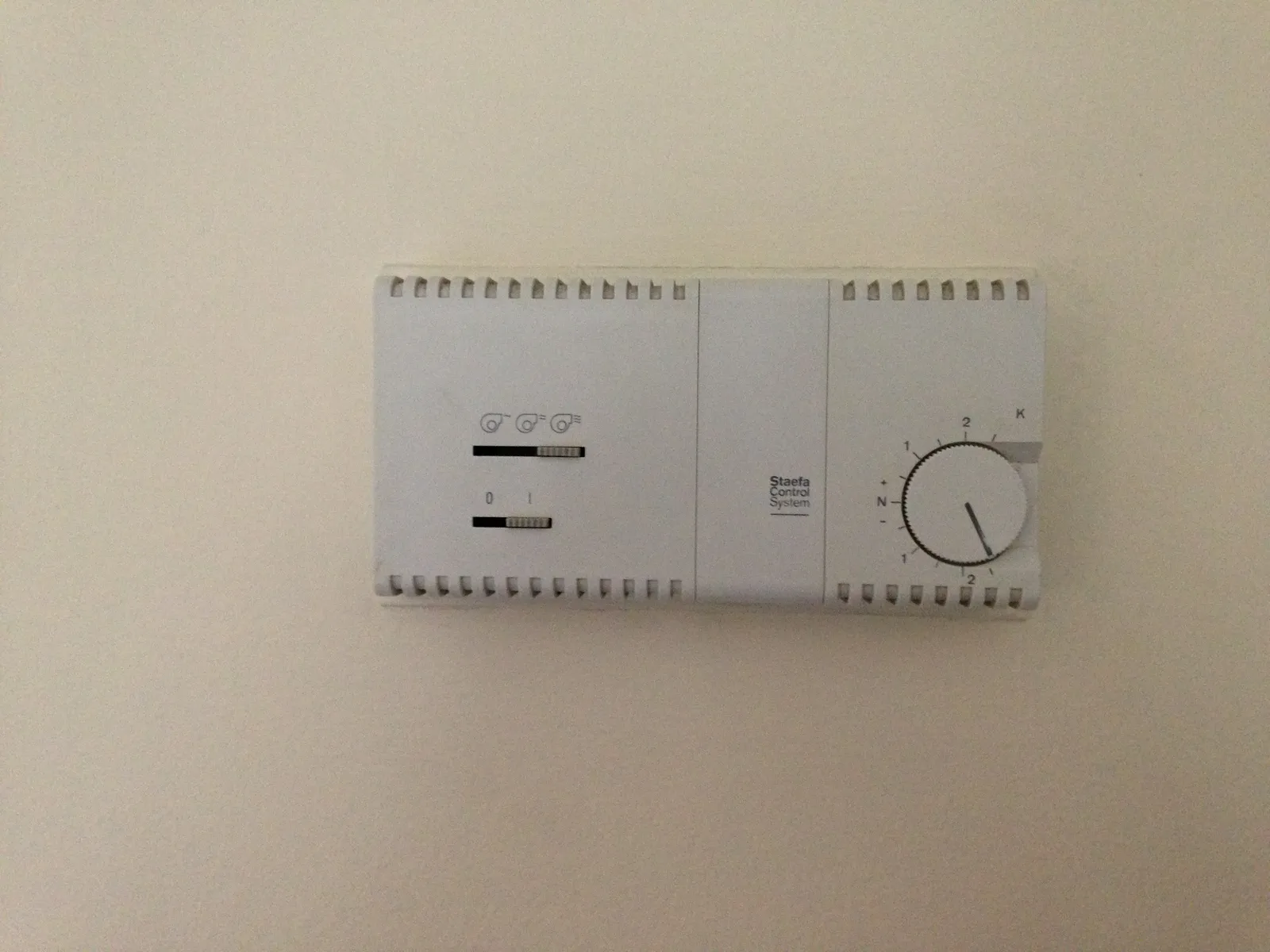
Older PTAC units with original efficiency ratings near 5.0 degrade to roughly 3.0 after fifteen or more years of service. Dirty filters and coils accelerate that decline. The unit may still respond to thermostat commands and still display a target temperature, but its physical ability to hit that target has quietly eroded over years of use.
Maintenance issues including fouled cooling tower tubes, broken belts, improperly programmed pump drives, and room temperature sensors out of calibration all reduce refrigerating capacity without any visible warning to the guest. The thermostat still reads 68. The room stubbornly stays at 72.
With modern smart platforms, a property manager can see in real time which units are overcooling, which rooms are consuming more energy than expected, and where equipment may be failing before a guest ever notices. Alert thresholds can be set for temperature spikes in mechanical rooms or any unit failing to recover to setpoint within expected time. The problem is that many hotels have not yet made that investment.
The Gap Is Closing, But Slowly
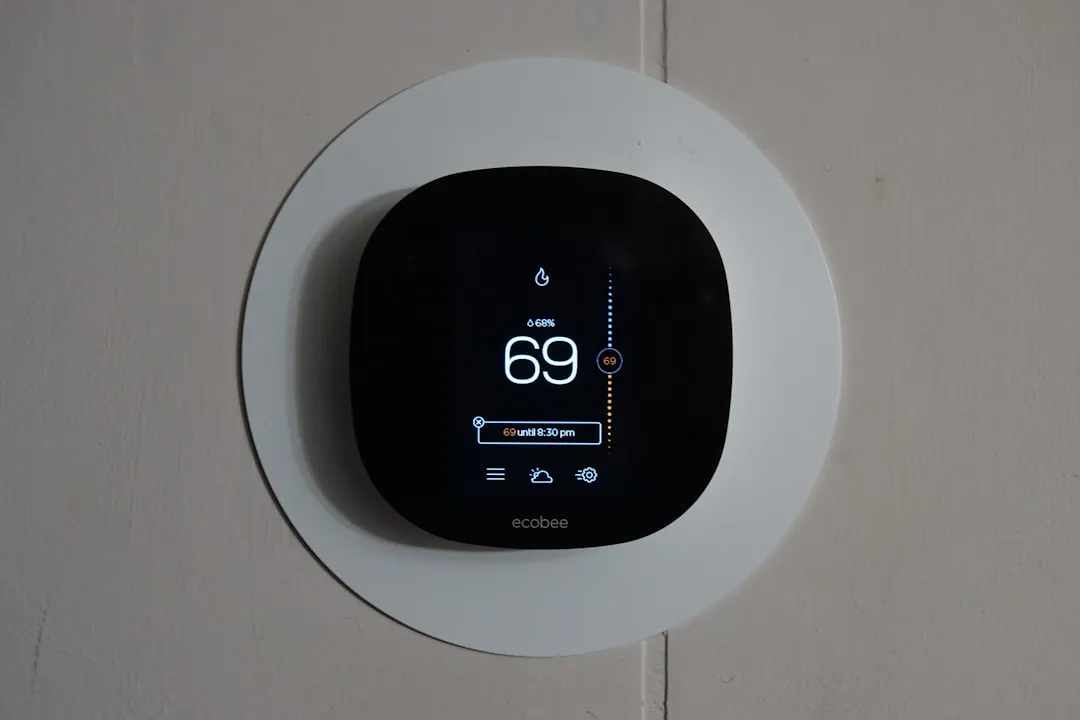
AI-powered smart thermostats designed for hotels use sensors to track temperature, humidity, air quality, and guest presence, adjusting settings automatically for optimal energy use. These systems represent a meaningful step beyond the single-point air temperature reading that has defined hotel comfort for decades.
The global hotel thermostat market is projected to reach 3.8 billion dollars by 2028, growing at a rate of 7.2 percent from 2023, driven largely by sustainability initiatives and rising energy costs. Pressure from both guests and regulators is pushing the industry toward systems that actually measure comfort, not just air temperature.
The technology to close the gap exists. Research suggests that real-time mean radiant temperature measurement has potential integration into room thermostats to improve human comfort while optimizing building energy utilization. Whether that reaches the average hotel room quickly enough to matter for today’s travelers is a different question.
What You Can Actually Do About It
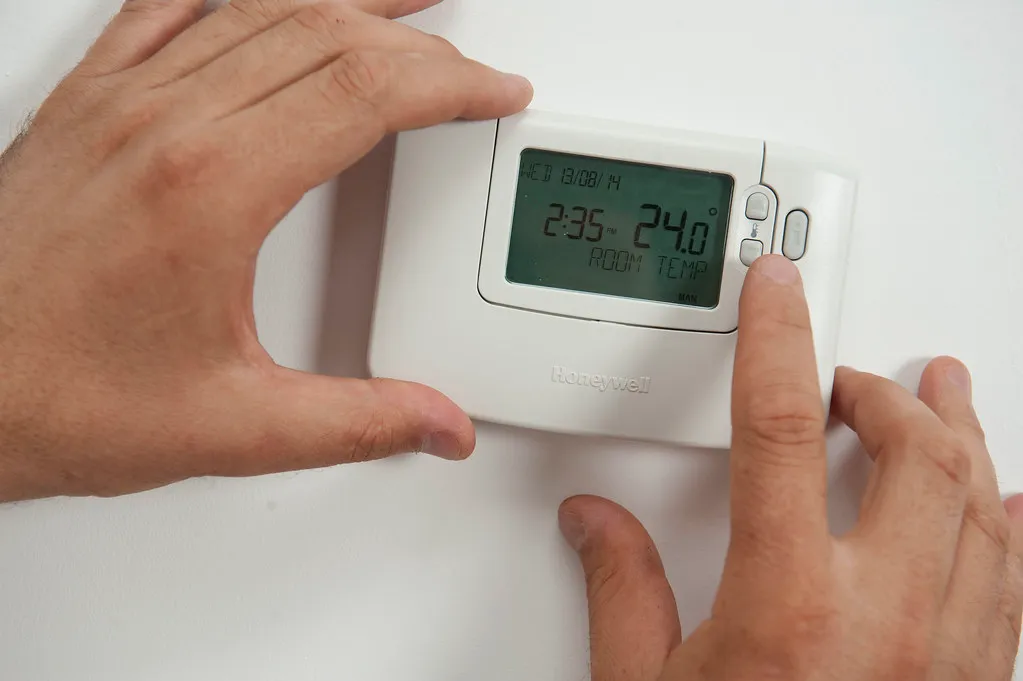
Understanding the physics helps. The thermostat in your room is not broken, and the hotel is not necessarily deceiving you. The number is real – it just doesn’t describe your full thermal environment. Thermal well-being is shaped by airflow, surface temperature, humidity, radiant exchange, and personal insulation – not a single number on a locked screen.
Practical adjustments can make a genuine difference. Hotel hallway temperatures are often 5 to 8 degrees Fahrenheit warmer than guest rooms due to constant foot traffic and lighting. Leaving your door ajar even two inches creates a convection loop where warm hallway air spills into the room. This can raise perceived temperature by up to 3 degrees without changing the thermostat reading at all.
Closing curtains keeps cold radiant surfaces from stealing your body heat through the window glass. Wearing socks matters more than turning up the thermostat by two degrees, because the floor is almost always the coldest surface in the room. The thermostat tells you one number. Your body is calculating something considerably more complicated.
A Quiet Mismatch Between Expectation and Reality
AI Disclaimer: This article was created with the assistance of AI tools and reviewed by a human editor.