

The Real Reason Hotel Blackout Curtains Fail
Most people assume that if a curtain is labeled “blackout,” it will produce a dark room. That assumption is where things go wrong. Standard blackout curtains block 85 to 99 percent of light through the fabric itself, but leave measurable edge gaps that can allow 10 to 50 lux of light into a bedroom. The fabric works. The installation around it usually doesn’t.
Rod placement is the single most impactful factor. Most curtains are mounted too close to the window frame, which leaves a wide gap at the top and sides. In hotels, this problem compounds because curtains are often designed for appearance first and light control second.
Why Even a Little Light Can Ruin Your Sleep

The threshold for biological disruption is far lower than most people assume. Melatonin suppression begins at light levels as low as 5 to 10 lux, which is dimmer than a candle across a room. That thin strip of streetlight sliding through a curtain gap is genuinely enough to interfere with your body’s sleep chemistry.
Research consistently shows that even low-level light during sleep suppresses melatonin, raises heart rate, and increases insulin resistance. A 2024 NIH-backed study published in Sleep found that indoor light at night was linked to poor sleep across multiple dimensions in nearly 47,800 women. These aren’t minor inconveniences. They’re measurable physiological changes happening while you think you’re resting.
The Hanger Trick: The Simplest Fix Already in the Room
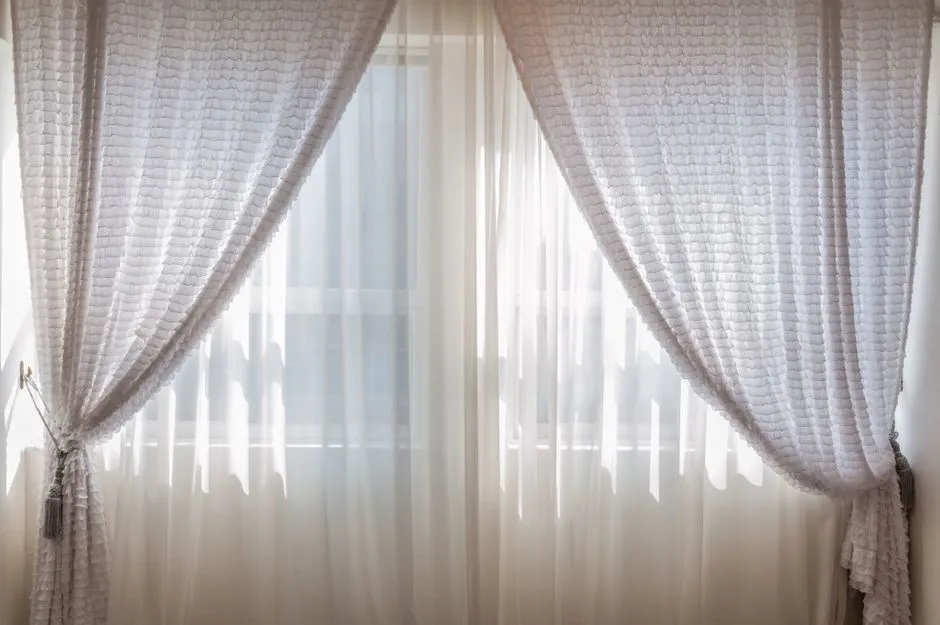
The solution is often hanging in the closet. Take a pants hanger with clips and use those clips to pinch the two curtain panels together, closing the center gap. You may need two hangers if the windows run from floor to ceiling. It takes about 20 seconds and costs nothing.
Curtains that don’t close completely also create a privacy concern, not just a light one. A quick fix is to grab the hangers with clips from the hotel closet and fasten them to eliminate any gaps in the drapes. The clip hanger trick has quietly become one of the most shared travel tips in frequent-flyer communities precisely because it works so reliably.
The Towel Trick for Door Light

The center curtain gap isn’t the only light leak in a hotel room. The gap under the hallway door is just as disruptive, and corridor lighting in hotels tends to stay on all night. A rolled towel placed at the bottom of the door blocks out light seeping in from the hallway and also reduces noise. Both problems solved with one bathroom towel.
The hotel bathroom is actually a useful supply room for this kind of fix. Placing a towel in front of the door gap is perhaps less elegant than the hanger trick, but it is an effective way to block light nonetheless. Paired together, the hanger and the towel handle the two most common light sources in any hotel room.
Packing Small: Clothespins and Gaffer Tape
Experienced travelers tend to pack a few small items specifically for light control. Clothespins, binder clips, magnets, or the clips from hotel hangers all work to close gaps in curtains completely. A few wooden clothespins add almost no weight to a bag and solve problems across multiple scenarios, from curtain gaps to keeping snack bags sealed.
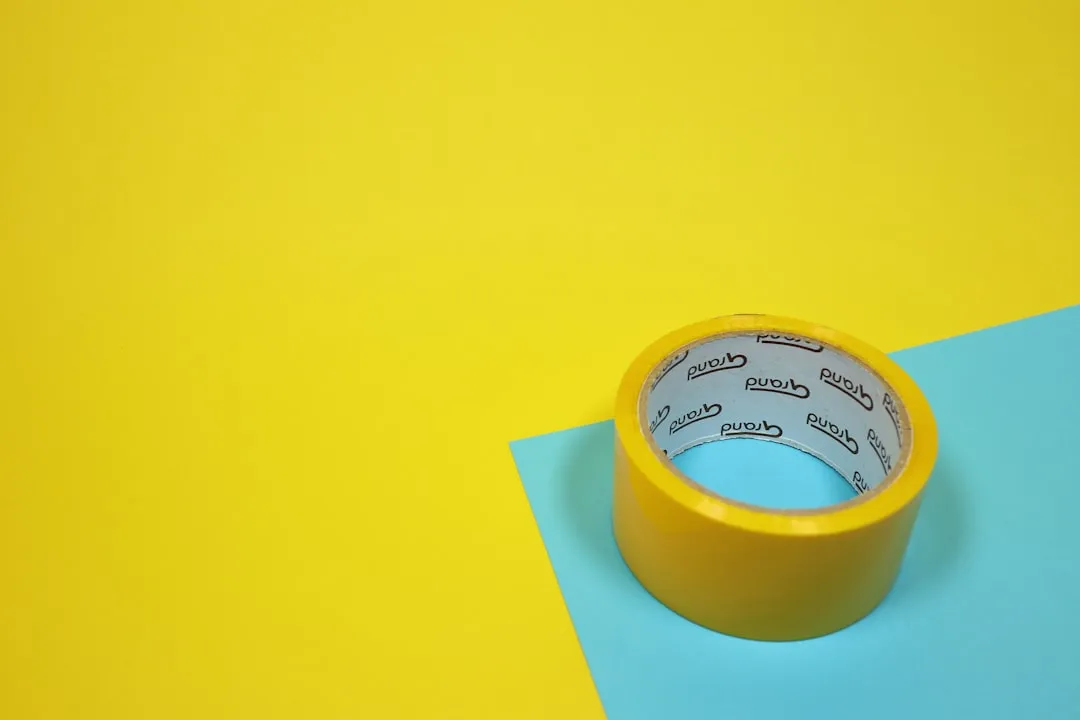
Gear for dealing with gapping curtains and glowing LEDs can be lightweight and small, including duct tape, hair clips, safety pins, and even a small survival blanket. Gaffer tape in particular is useful for covering the small blinking indicator lights on televisions and smoke detectors, which are surprisingly bright in a dark room. The clinical recommendation for truly restorative sleep is below 1 lux, darker than you can see your hand in front of your face. Every light source matters.
The Science Behind Why Travel Sleep Is Already Compromised
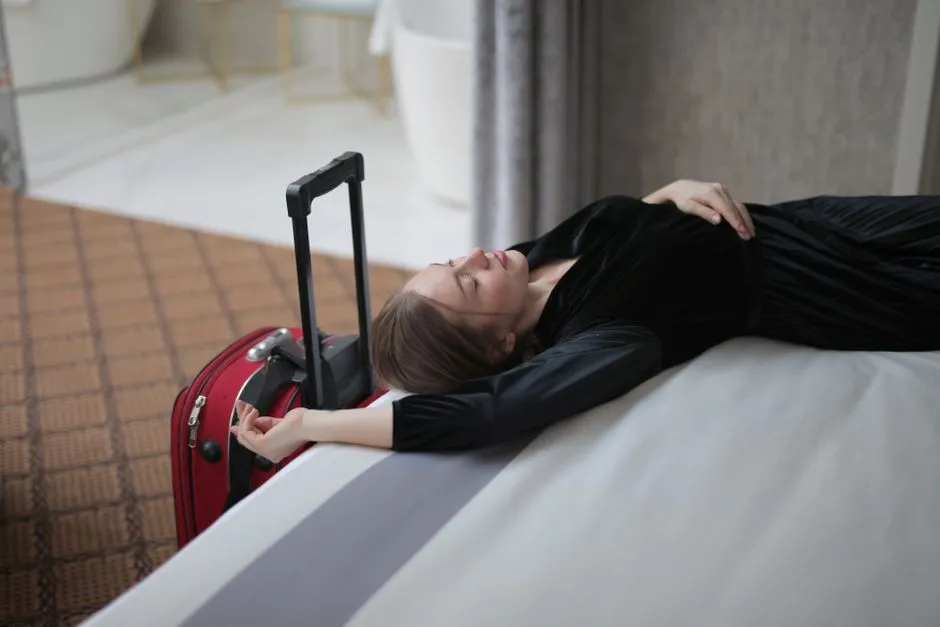
Sleep disruption during travel often begins the night before departure with early awakening. Sleep duration is shorter during and immediately following travel but tends to return to baseline after roughly two days. Changes in sleep timing and architecture, however, recover considerably more slowly. This means your body is already working against you when you check in.
Crossing time zones disrupts the circadian rhythm, the internal clock that regulates when you feel alert and when it’s time to sleep. This rhythm is influenced by light exposure, mealtimes, and daily routines. Given that context, the last thing a jet-lagged traveler needs is light flooding through a curtain gap at 4 a.m.
How Hotels Are Starting to Take This More Seriously

Prioritizing rest has become a measurable business decision for hotels. Properties are responding with specialized sleep programs, premium bedding, and even sleep coaching services, turning quality sleep into a marketable, high-value amenity. The hospitality industry has recognized that a poorly rested guest leaves a poor review, regardless of everything else the property offers.
Sleep quality is one of the criteria most closely correlated with a hotel’s overall score on booking platforms. Stray light leads to early waking, which leads to lower average reviews and lower revenue per available room. Flawless blackout is considered one of the best cost-to-impact improvements a hotel can make, alongside acoustics and bedding. Progress is happening, but it’s slow, and the room you’re in tonight may not have caught up yet.
The Eye Mask as a Backup Strategy
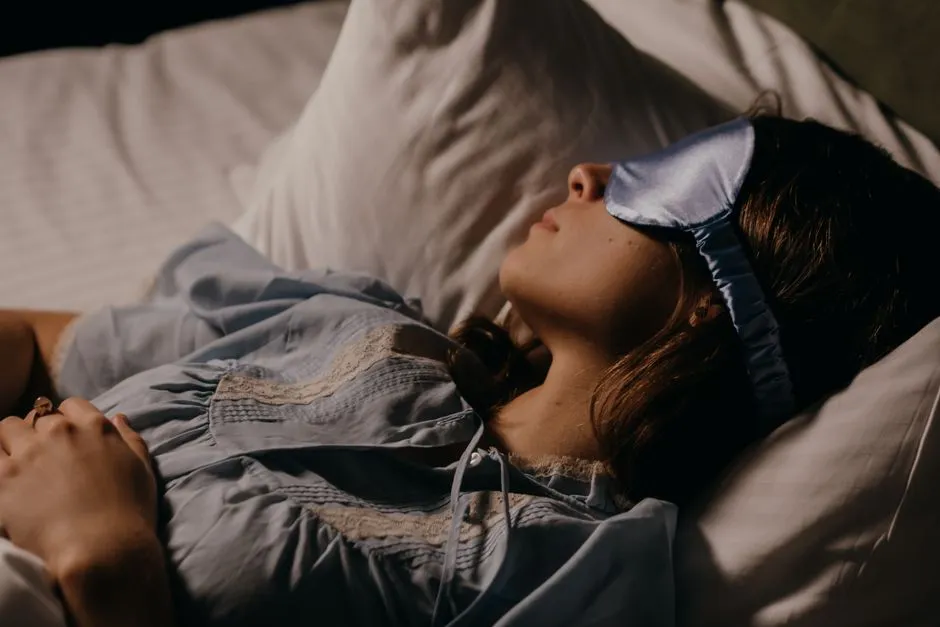
Sometimes the curtains simply cannot be fixed with what’s available in the room. Tall windows, unusual rod placements, or curtains with no overlap at all can leave even a resourceful traveler with limited options. In those cases, a quality sleep mask is the most reliable fallback.
A 2025 randomized controlled trial tested an eye mask-based blackout protocol on sleep quality and melatonin levels in ICU patients and found significant improvements in sleep quality and melatonin levels compared to standard care. If the environment can’t be controlled, shielding the eyes directly achieves the same biological goal. A mask that fits well and blocks light from the sides, not just directly in front of the eyes, is the one worth packing.
Handling the Other Glow Sources in the Room
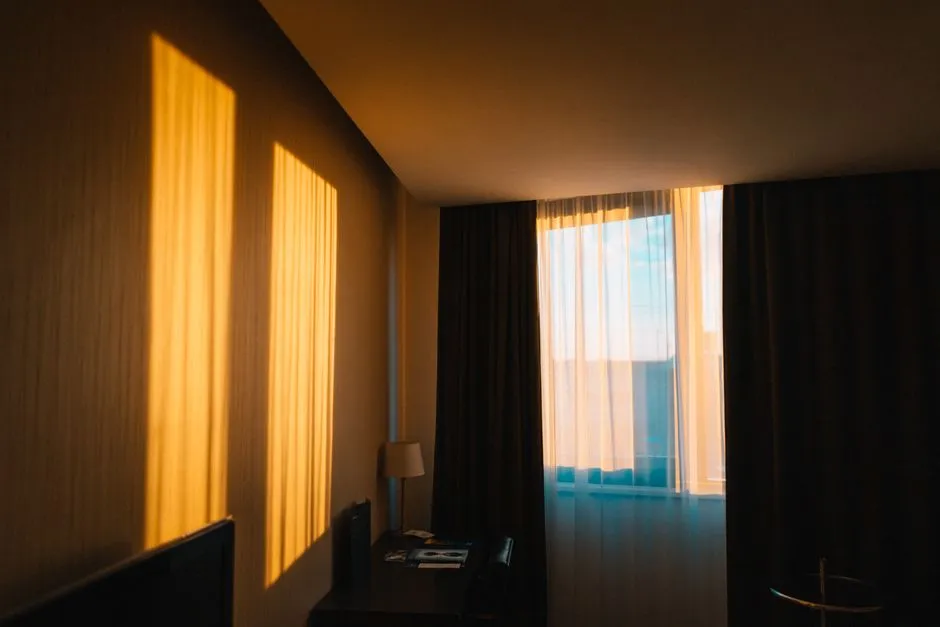
Once the curtains are sealed and the door gap is covered, most travelers notice something they hadn’t before: the room is still not truly dark. Television standby lights, alarm clock displays, phone charger indicators, and smoke detector blinks all contribute to what adds up to a surprisingly bright ambient environment.
Advance preparation for covering annoying hotel room lights can mean asking for an extra set of towels at check-in, grabbing a brochure or two from the lobby, and keeping a luggage tag from a flight since it can be stuck over indicator lights. Small squares of gaffer tape or even a few adhesive bandages work well for covering LED indicators without damaging anything. Unplugging the TV entirely eliminates several light sources at once.
What a Truly Dark Room Actually Does for You
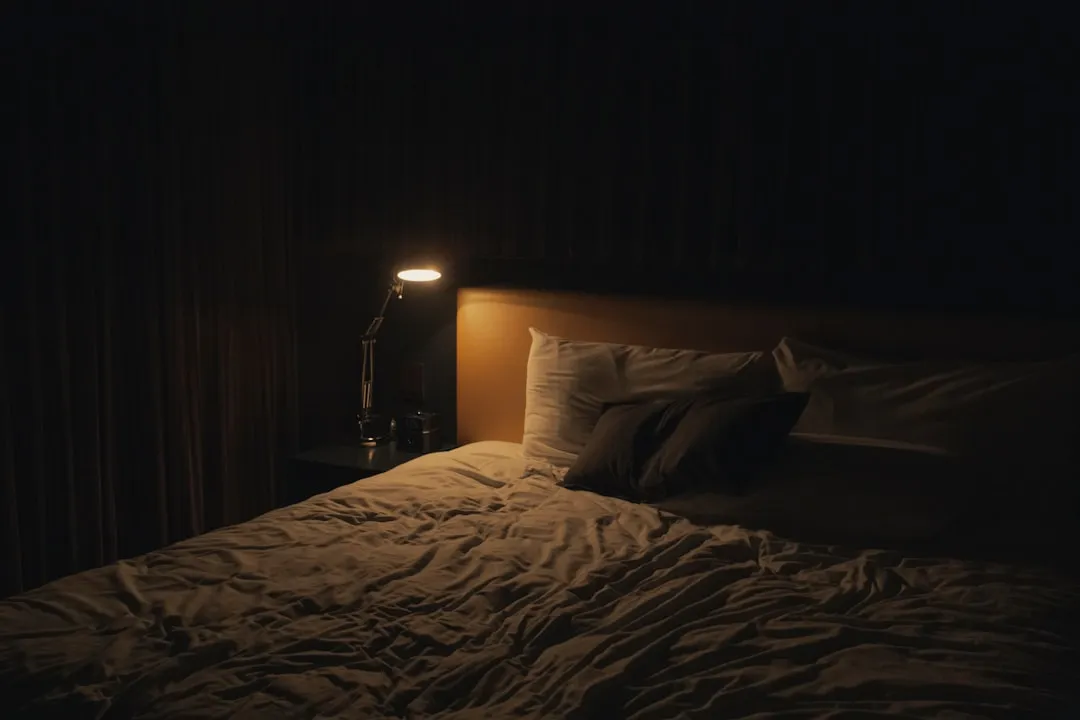
A 2022 study published in PNAS by Northwestern University researchers found that sleeping in even moderate room light at 100 lux versus near-darkness at less than 3 lux increased heart rate, decreased heart rate variability, and raised insulin resistance after just one night. These are not small effects from a single night of slightly bright sleep. They’re the kind of changes that compound across a long trip.
Surveys show that blackout curtain users report falling asleep roughly 20 minutes faster on average. On a business trip where the next day involves important meetings, or on a vacation where you’d actually like to feel rested by morning, those 20 minutes matter. The dark room you can engineer in five minutes with a hanger and a towel is genuinely worth the effort.
The Takeaway
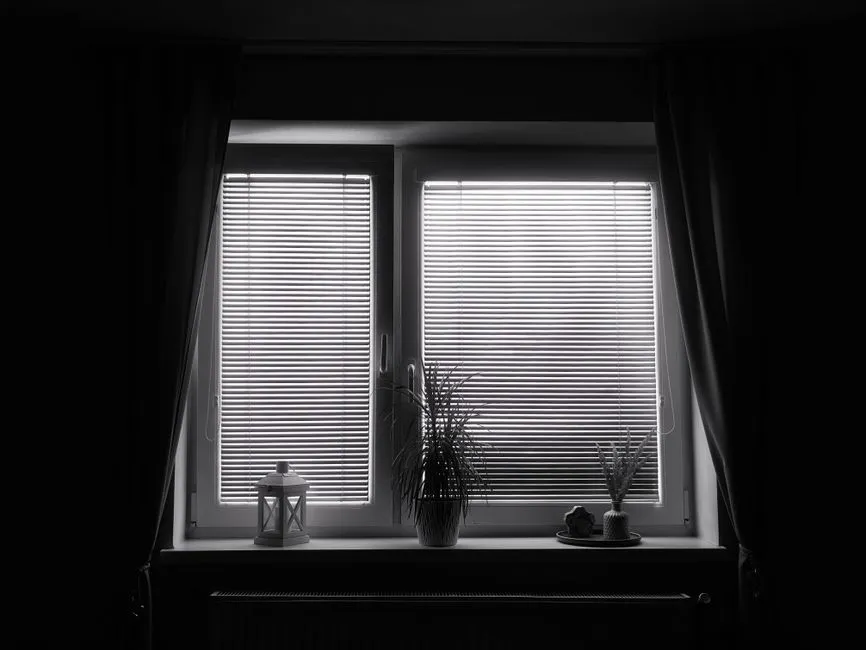
Hotel blackout curtains aren’t broken. They’re just installed in a way that leaves gaps, and those gaps let in far more light than your sleeping brain can tolerate. The fix doesn’t require anything special: a pants hanger from the closet, a rolled towel from the bathroom, and maybe a couple of clothespins tucked into your bag for good measure.
Sleep quality while traveling is already working against you due to unfamiliar environments, time zone shifts, and changed routines. Giving your body the darkness it genuinely needs is the single simplest intervention available. Light control helps maintain your natural circadian rhythm, and preventing disruptions from streetlights or early morning sun can make a meaningful difference in how rested you feel. The hanger is waiting in the closet. Use it.
AI Disclaimer: This article was created with the assistance of AI tools and reviewed by a human editor.