

Overpacking the Day Bag

The instinct to bring everything “just in case” is completely understandable, especially if you’ve never done a port day before. The problem is that a heavy bag will weigh you down and make your port day significantly less enjoyable. A day of walking cobbled streets, climbing ruins, or wading into the sea becomes genuinely miserable with a backpack that digs into your shoulders.
Walking off the ship with just your phone and a credit card seems simple until you need sunscreen, get caught in a downpour, or realize there’s nowhere nearby to buy water – port towns near cruise terminals aren’t always well stocked with convenience stores. The sweet spot is a compact, organized day bag with only what you’ll actually use on shore.
Leaving Your Documents in the Wrong Place
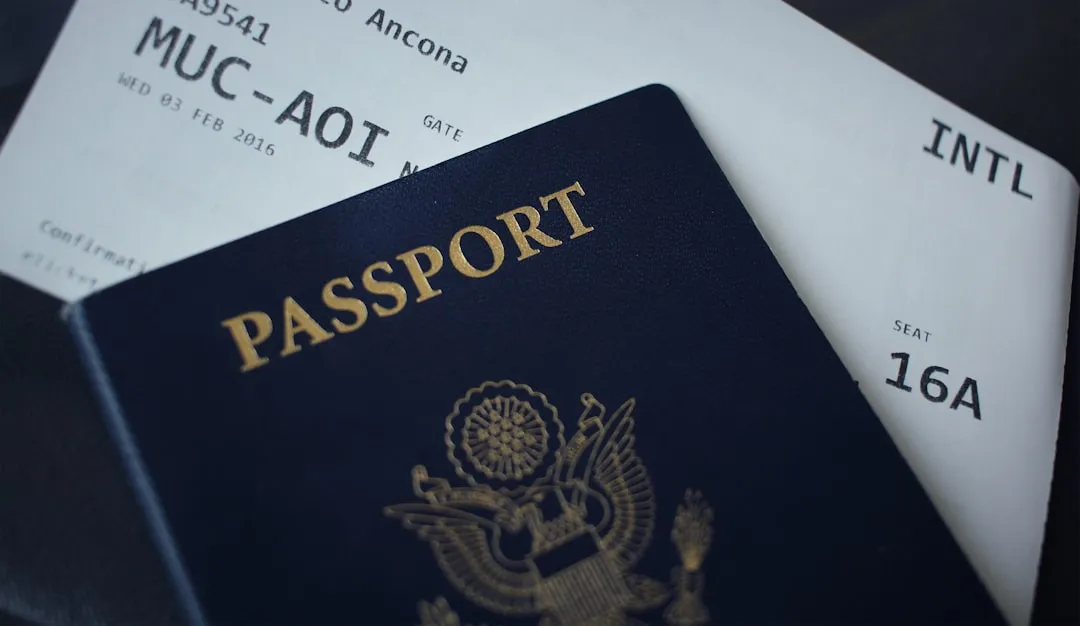
A surprisingly common error is leaving documents in checked luggage. Your passport, boarding pass, and medications must travel in your carry-on. If your checked bag is delayed or lost, you need those items immediately. On port days specifically, most experienced travelers recommend leaving your actual passport locked in your cabin safe.
Carrying a copy of your passport and leaving the original on the ship is widely recommended for port days. A photocopy or a photo of your passport on your phone offers enough identification for most port-day situations without risking the loss of an original document that would derail your whole trip.
Using the Wrong Sunscreen Near Reefs

This one catches a lot of first-timers completely off guard. Some of the most stunning beach destinations, such as St. Thomas, Bonaire, and Aruba, have restrictions or outright bans on sunscreens containing oxybenzone and octinoxate due to their harmful impact on coral reefs – meaning your usual sunscreen may not only be discouraged, but may also be illegal to use.
In Cozumel, for example, reef-safe sunscreen is mandatory – the area is part of the Mesoamerican Barrier Reef and the marine park requires reef-safe, biodegradable sunscreen for all water activities. Sunscreens containing oxybenzone and octinoxate are banned outright. The fix is simple: look for reef-safe or mineral sunscreens whose active ingredients are zinc oxide, titanium dioxide, or a combination of both.
Not Bringing Enough Small Bills

On port days, bring small bills in local currency for tips, market purchases, and small vendors who do not accept cards. This sounds obvious in hindsight, but many first-timers step ashore with only large notes or rely entirely on their credit cards. The reality at most ports is that street food vendors, taxi drivers, and small market stalls are cash-only operations.
Some cruisers withdraw a large amount of local currency at once, thinking they’ll use it across multiple ports. Others carry only large bills and struggle when street vendors and taxi drivers can’t make change. Small denominations are essential for tips, local food, and transportation. Bring what you expect to spend that day plus a modest buffer, and leave the rest locked in your cabin safe.
Forgetting a Portable Charger

A dead phone on a port day is a real problem. Navigation, excursion confirmations, ship return times, photos – your phone handles all of it. Most port towns don’t offer convenient charging options mid-excursion, and you won’t always have access to a cafe with outlets. A portable phone charger is a recommended essential item in virtually every credible port-day packing checklist.
A compact, lightweight power bank takes up almost no space in a day bag and can save the day if your battery drains during a long walking tour or a delayed return journey. It’s one of those items you’ll never regret bringing and will desperately miss if you don’t.
Carrying Valuables That Don’t Need to Leave the Ship

A relaxing beach day can go sideways quickly when you realize your bag has been rifled through while you were in the water. Unattended bags on the sand are easy targets, and a lost wallet or phone can disrupt the rest of your vacation. First-timers often make the mistake of bringing items ashore that simply don’t need to come.
Carry your wallet and cellphone in a zippered purse or backpack, preferably with interior compartments where you can hide valuables. Don’t put them in your back pocket or an open bag that someone can easily reach into. Better still, expensive jewelry, extra credit cards, and anything irreplaceable should stay locked in your cabin safe for the day.
Not Packing a Light Rain Layer

Tropical ports can go from brilliant sunshine to a sudden downpour in the space of twenty minutes. Many first-time cruisers don’t account for this, assuming warm weather means dry weather. A light packable rain jacket or a small poncho weighs almost nothing and takes up minimal space in a day bag. A light rain jacket or poncho is a consistently recommended port-day essential.
Getting soaked during an excursion is rarely dangerous, but it can be thoroughly miserable – especially if you’re hours away from returning to the ship. A breathable rain layer also doubles as wind protection on boat excursions, which is a bonus most people don’t think about until they’re shivering on a catamaran.
Ignoring Luggage Weight Guidelines

This mistake mostly happens at embarkation but shapes the entire trip, including what you can realistically carry off the ship on port days. General baggage weight and size limit guidelines suggest each checked bag must weigh no more than 50 pounds and measure no more than 62 linear inches, though enforcement varies between mainstream, luxury, and river cruise lines. The issue isn’t usually the cruise’s enforcement – it’s the airline’s.
Airlines and cruise terminals enforce baggage weight rules, and an overweight bag at the airport costs extra fees and slows you down at the worst possible time. Cruisers who overpack their main luggage often find they’ve brought too many clothes to the ship, leaving their day bag crammed and their cabin storage chaotic. Traveling lighter on the whole trip makes every port day more manageable.
Skipping the Night-Before Pack

Rushing to pack a day bag on the morning of a port day is where most small but significant items get forgotten. Sunscreen, the waterproof phone case, the medication you need mid-afternoon – these are the things that slip through the cracks when you’re scrambling before the gangway opens. Pack a small backpack the night before each port day. Check the weather forecast and include the basics so you’re prepared for whatever the day throws at you.
It also helps to keep a running port-day kit – a small pouch or zip bag with the recurring essentials – that you simply add to each evening. This way, sunscreen, a charger, and a small first-aid item are always already in the bag. You only need to add destination-specific items like cash in the right currency or a tour confirmation.
Assuming Port Shops Will Have What You Need

There’s a quiet assumption among many first-time cruisers that if you forget something, you can just buy it in port. Sometimes that’s true. Often, it isn’t. Port towns near cruise terminals aren’t always well stocked with convenience stores, so relying on them for basic supplies can leave you without what you need. When a ship docks in a smaller or more remote port, the shops nearest the pier tend to be souvenir-focused, not practical-supply focused.
Even in busier ports, mineral reef-safe sunscreen, quality insect repellent, or a replacement phone charger might not be available or could cost several times what you’d pay at home. The safest approach is to treat your day bag as self-sufficient. Assume the port won’t have what you need, pack accordingly, and be pleasantly surprised if it does.
The Takeaway

Port days reward preparation without demanding perfection. The goal isn’t to pack for every possible scenario – it’s to cover the most likely ones without weighing yourself down in the process. A compact, purposeful day bag built the night before, with reef-safe sunscreen, small bills, a portable charger, a rain layer, and your valuables safely left behind on the ship, will get you through nearly any port day with comfort to spare.
The cruisers who enjoy port days most aren’t the ones who pack the most. They’re the ones who thought it through the night before and stepped off the gangway ready to move lightly through whatever the destination had waiting for them.
AI Disclaimer: This article was created with the assistance of AI tools and reviewed by a human editor.