
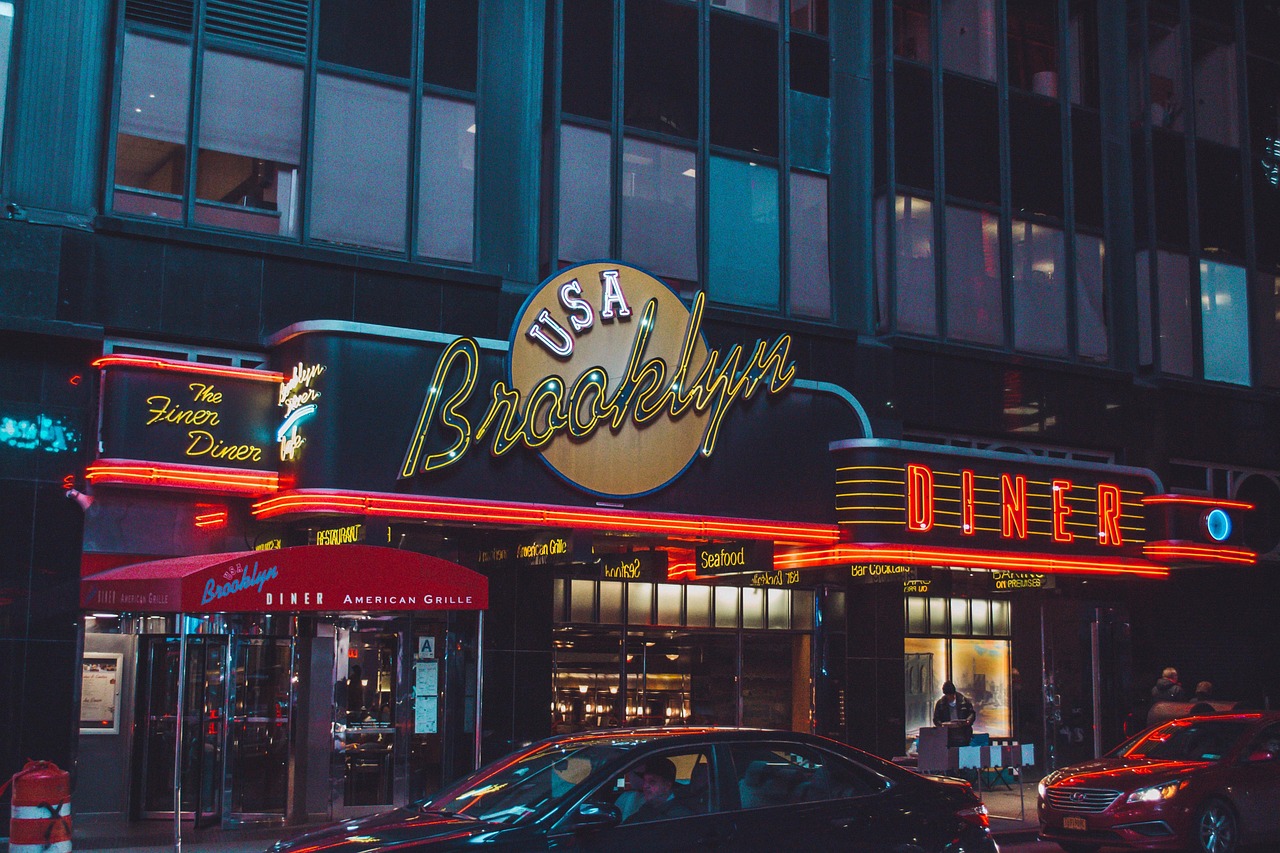

A Gathering Place That Went Beyond the Menu
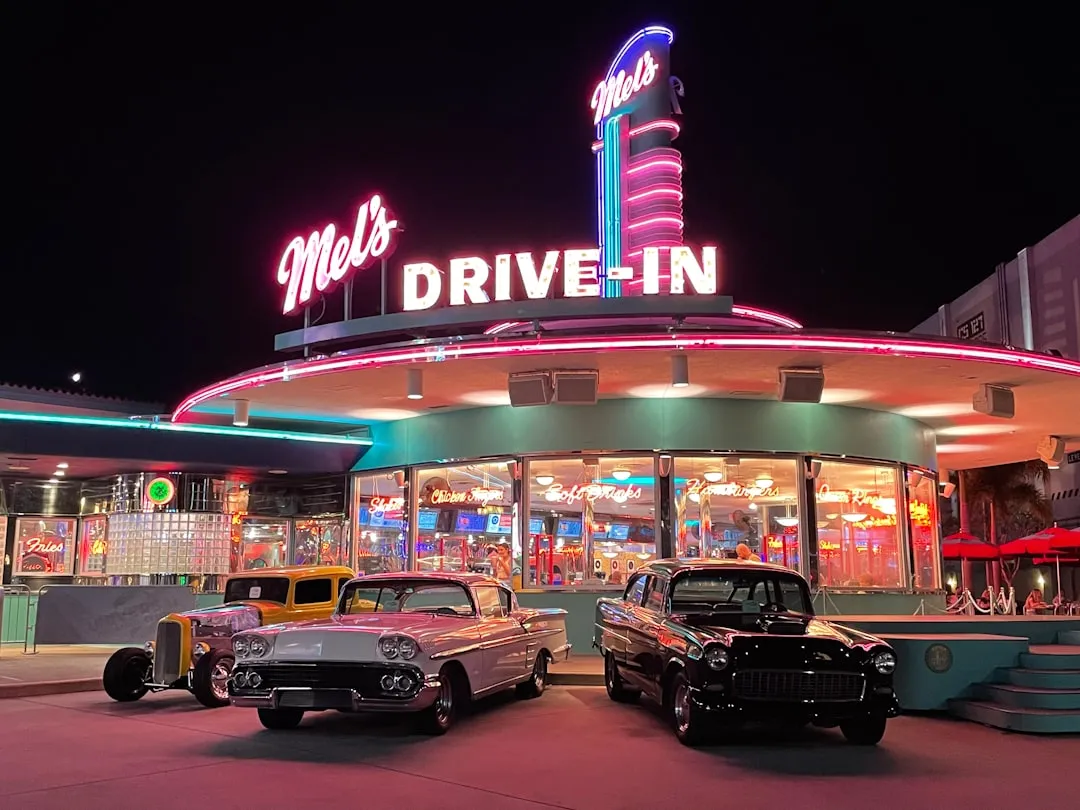
The local diner was never really just about food. The diner has never been just about the food: it was a symbol of community, a place to discuss news and local events, to meet the neighbors, to argue politics and religion, to study, and, yes, to eat. That kind of informal social infrastructure is difficult to replicate, particularly in rural and small-town settings where there aren’t many other shared public spaces.
For much of the 20th century, seemingly small institutions including diners, bars, family restaurants, and corner cafés served as the informal social infrastructure of suburban and urban America. These were the sites where people mixed across generational and economic lines, where you could overhear a conversation wildly different from your own, where children learned to behave in public, and where adults remembered the value of showing up and being present.
They were unpretentious, inexpensive, and abundant. Because they belonged to their neighborhoods, they carried meaning. That sense of belonging, rooted in a specific place and a specific community, is precisely what’s hardest to find once it disappears.
How the Diner Became an American Institution
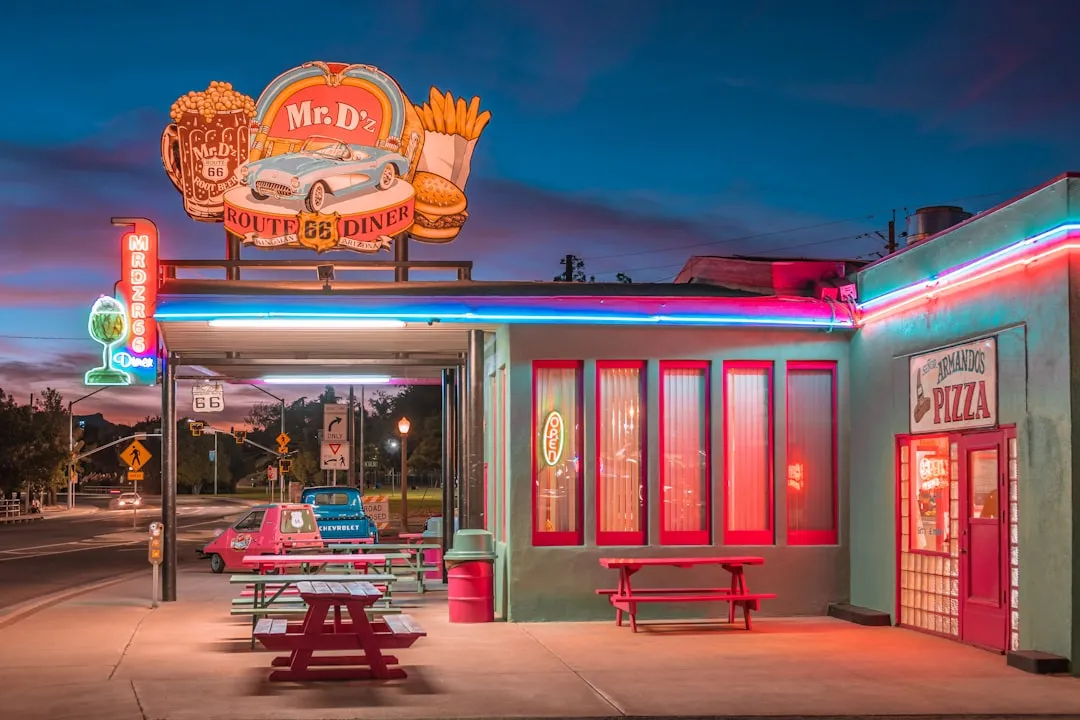
The American diner once stood like a beacon on the roadside, its chrome siding glinting beneath fluorescent lights, promising hot coffee, a warm booth, and a sense of belonging at any hour of the night. For decades the diner was more than a place to eat; it was a social anchor where shift workers, travelers, night owls, and local regulars crossed paths.
After World War II, the diner reached its peak. Soldiers returning home sought inexpensive meals and places to gather, and highways carved new routes across the nation. Diners stood ready for the movement, offering predictable comfort along unfamiliar roads.
The staff often knew customers by name, remembering how they liked their hash browns or whether they preferred rye or sourdough toast. That kind of personal familiarity built loyalty over years and decades, sometimes across multiple generations of the same family.
The Slow Retreat of Independent Restaurants
The numbers behind the decline of independent dining are sobering. At the end of 2025, there were 412,498 independent restaurants across the country, according to data from Technomic. The number of independents declined by 2.3% in 2025, reflecting a net loss of about 9,500 restaurants.
Meanwhile, the Top 500 restaurant chains grew their unit count by 1.5%, adding about 3,600 units to reach a total of about 239,538 locations. Those chains represented about 35% of the restaurant industry as a whole. The contrast is stark: while large corporate brands expand, the independent businesses that define local character are quietly contracting.
Full-service independents were hit hardest, contracting by more than two and a half percent compared to less than two percent for the limited-service segment. Sit-down diners, the classic Main Street variety with counter stools and laminated menus, fall squarely in that struggling full-service category.
The Cost Pressures That Are Pushing Diners to the Edge
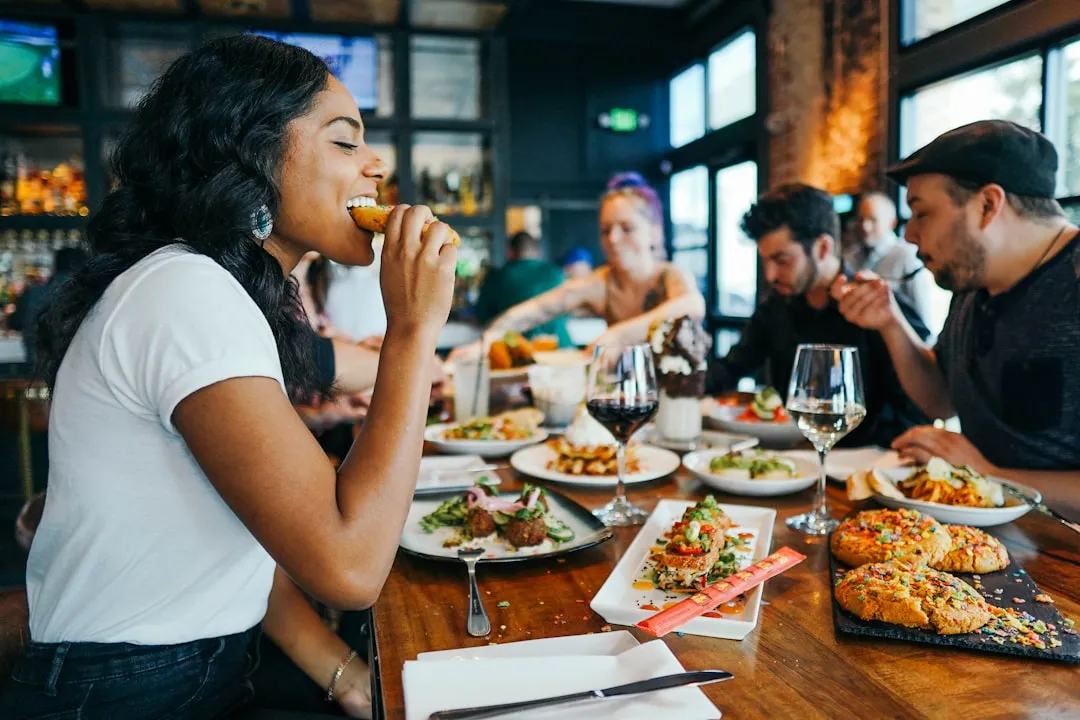
More than nine in ten operators are feeling the pinch from food, labor, insurance, and overall inflation, according to the National Restaurant Association’s State of the Industry report. Further, more than eight in ten feel significant strain from credit and debit card processing fees, as well as energy and utility costs.
Independent restaurants drive $3.53 trillion in total economic output in 2024 and employ one in ten American workers, yet they are being squeezed on every side. For a small-town diner operating on thin margins in a community that may have already lost jobs in manufacturing or agriculture, that pressure can be insurmountable.
Among the most telling data points: 42% of operators said their businesses weren’t profitable in 2025, while 60% said their business conditions had deteriorated, and just 15% said they were better than they were in 2024. These aren’t struggling newcomers. Many of them are decades-old institutions.
When Customers Pull Back, Diners Feel It First
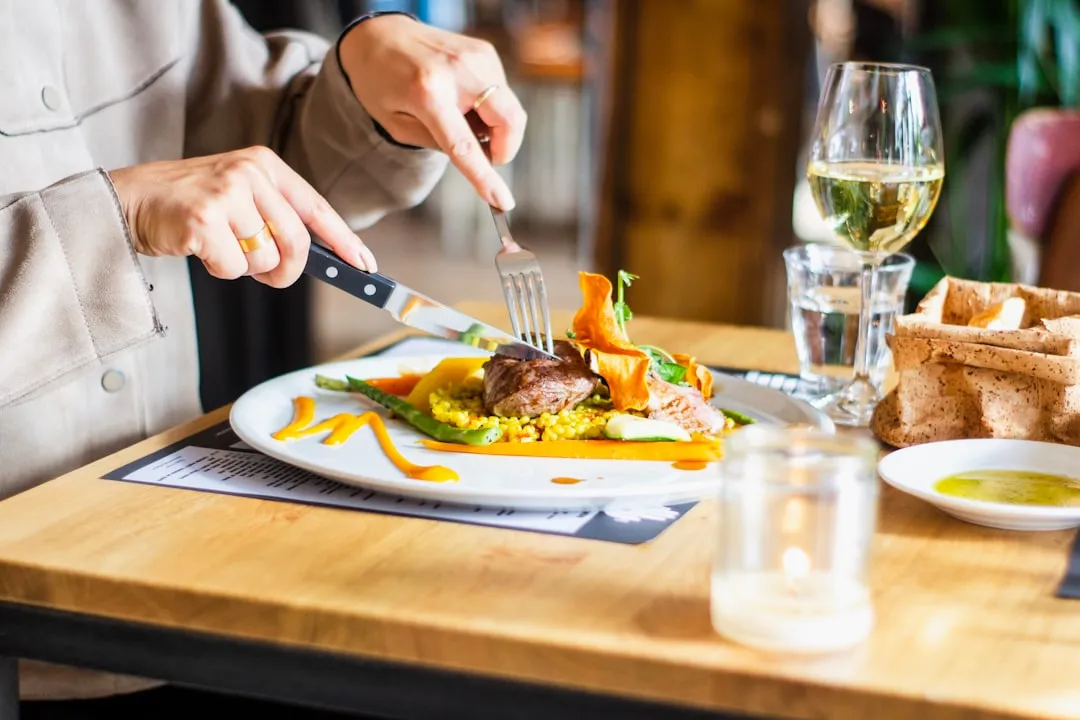
Consumer behavior has shifted considerably since the inflationary surge of the early 2020s. U.S. restaurant visits fell for the first ten months of 2024, according to Black Box Intelligence. Diners, which rely on high-frequency repeat visits rather than occasional special-occasion dining, feel that pullback more acutely than most.
In late 2024, nearly one in three Americans said they did not plan to eat at a restaurant in the next week, the highest rate since early 2021, according to CivicScience data from October 2024. That’s a telling signal about how cautious consumers had become, even as their desire for community hadn’t diminished.
Eat-in occasions as a share of U.S. foodservice dollar sales fell from 56% in 2011 to 51% in 2019, and dipped further to 35% in 2025, according to Euromonitor data cited by Restaurant Dive. That is a seismic shift for establishments whose entire identity is built around the act of sitting down together.
The Generational Handoff That Isn’t Happening

Greeks and other immigrants fueled the explosion of diners in post-World War II America. While their children used to be happy to have the business handed down to them, that’s no longer the case. Younger family members are pursuing other careers, and when a longtime owner retires or passes away, the diner often closes with them rather than passing to the next generation.
Running a diner requires long hours, physical stamina, deep community roots, and a tolerance for financial uncertainty that fewer people are willing to accept. The business model that worked for a family willing to work seven days a week doesn’t translate easily to hired management, especially when labor costs keep rising.
Notably, nearly all respondents in the James Beard Foundation’s 2025 Independent Restaurant Industry Report reported increasing staff wages in 2024, up from 84% in 2023, reflecting the ongoing rising cost of labor. For a diner employing a small team on a local budget, that kind of cost increase doesn’t leave much room to maneuver.
Fast Food and Chains Changed What Towns Expect
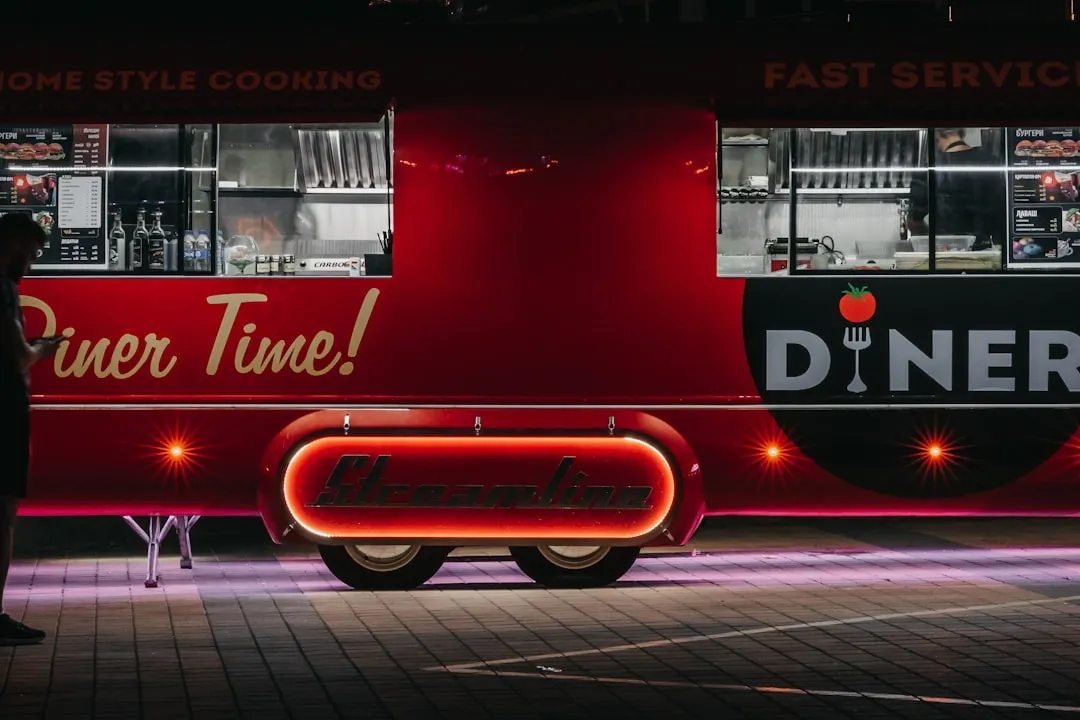
Fast food chains expanded with relentless precision, offering standardized meals and consistent branding. They promised speed above everything else, a promise that resonated with a society moving fast. Once a drive-through opened on the edge of town, the diner on Main Street began to feel slower and less convenient to at least part of the community.
Convenience stores aggressively expanded into prepared foods; delivery apps extended the reach of small mom-and-pop restaurants; and food trucks further fragmented the market. The diner, which once had no real competition in its niche, now competes with multiple formats it was never designed to fight.
Somehow, great diners continue to persevere in the face of the corporate chains that threaten downtowns all across America. These diners aren’t just a nostalgic pastime; they’re the epitome of authentic small businesses, kept afloat by local loyalty rather than the internet. That loyalty is real, but it’s not always enough.
Main Street Is Losing Momentum More Broadly
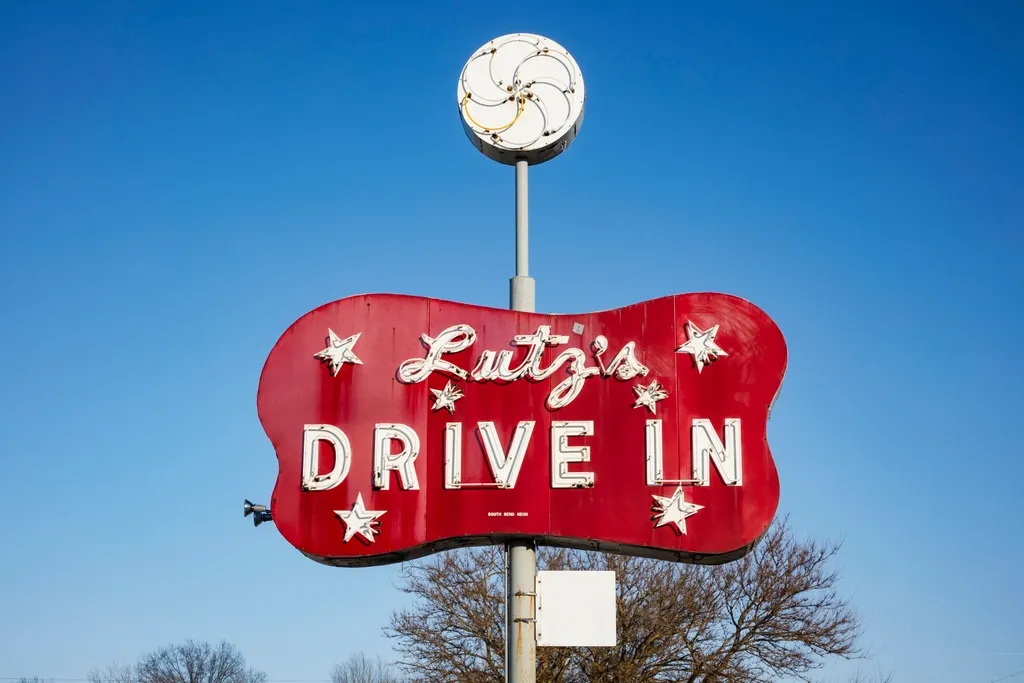
The diner’s decline doesn’t exist in isolation. It reflects a wider softening of the small-town commercial landscape. In the twelve months from September 2024 through September 2025, Main Street grew just 0.9%, compared with 1.2% for U.S. businesses as a whole. The gap may seem small, but it marks a reversal: for most of the past decade, Main Street had run ahead.
The number of workers at Main Street businesses slipped 0.3%, which is the first decline outside the pandemic years. When foot traffic decreases and employment on Main Street shrinks, the diner loses both its customer base and some of its identity as a place where working people gather before or after a shift.
A closer examination reveals that smaller restaurant chains, including those with 50 or fewer units, are plateauing or declining in unit count. The pattern runs from the smallest family-owned diner to the regional chains that once anchored communities across the country.
What Disappears When the Diner Closes
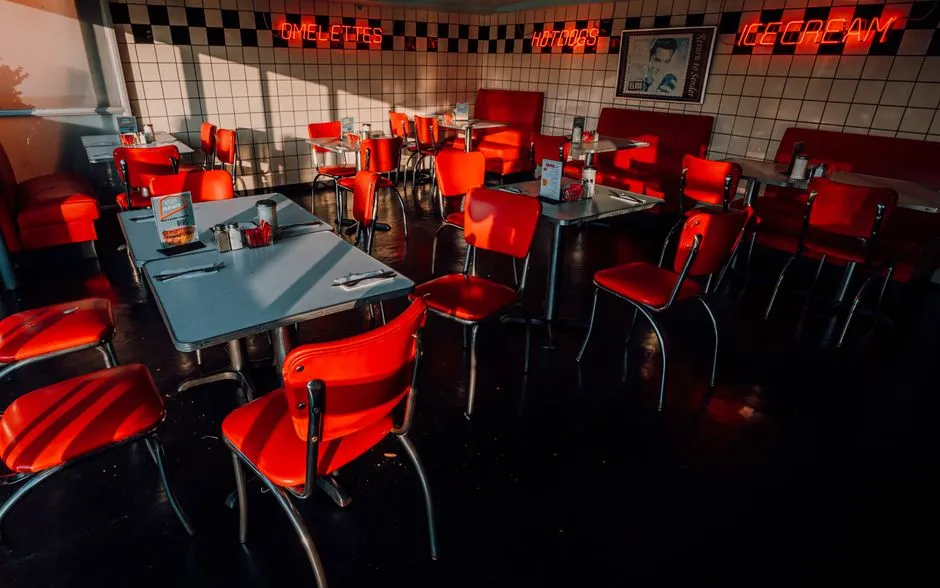
The loss of a local diner isn’t merely a business story. It’s a civic one. America is quietly losing the third places that once helped sustain everyday community life. In small towns with limited public gathering spaces, those losses register in ways that are hard to quantify but easy to feel.
There aren’t many places left like the local diner. It’s one of the uniquely great American food experiences, and one that still exists in the wake of urbanization and the move toward a digital world. Yet as much as people love them, one fact is clear: diners are disappearing.
When the counter stools empty out for the last time, what goes with them is the daily ritual of neighbors sharing the same space, the unhurried morning coffee, the cook who knew your order by heart. These things don’t migrate to a delivery app or a drive-through window.
The Diners Still Holding On
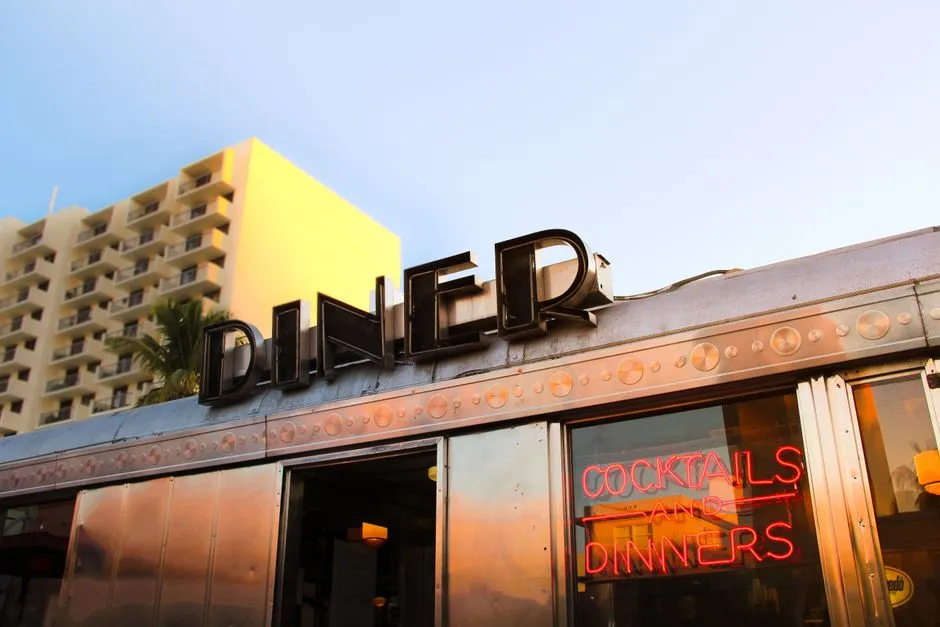
Part of the attraction of the diner is its rejection of any trace of trendiness, providing comfort and stability to its customers. They don’t do farm-to-table, deconstructed dishes, or fusion cuisine. More like meat and potatoes, non-artisanal coffee, and pie. That stubbornness, often treated as a weakness, is also part of what makes the survivors beloved.
The diners that endure tend to share a few things in common: deep ties to their communities, ownership that treats regulars like family, and menus that haven’t changed much in decades. They don’t necessarily win on social media. They win because the town has decided they matter.
Abandoned diners are being bought, renovated, and reopened. Museums are springing up featuring food culture and diner history. An example of this revival is The American Diner Museum in Lincoln, Rhode Island, focused on celebrating and preserving the cultural and historical significance of the American diner as a unique American institution. The fact that preservation efforts exist at all signals how much this tradition means to people.
What Could Still Be Done
Saving the small-town diner isn’t simply a matter of nostalgia. It requires honest attention to the forces working against it. Restaurant owners are navigating additional cost pressures such as minimum wage increases across more than twenty states and policies like California’s FAST Act. While higher wages and benefits correlated with improved business performance, they also necessitated menu price increases, creating a challenging balance between operational sustainability and customer affordability.
Local communities play a role too. Choosing to eat at a diner rather than a chain, supporting local businesses during tough months, and advocating for small business-friendly policies are choices that accumulate over time. The diner can’t survive purely on sentiment, but sentiment can be one part of what keeps the lights on.
According to the James Beard Foundation’s Independent Restaurant Industry Report, created in collaboration with Deloitte, the challenges facing small and midsized restaurants remain significant but so does their ability to adapt. For some diners, adapting means adding breakfast delivery. For others, it means simply continuing to open at five in the morning, which has always been enough before.
A Quiet Loss Worth Taking Seriously
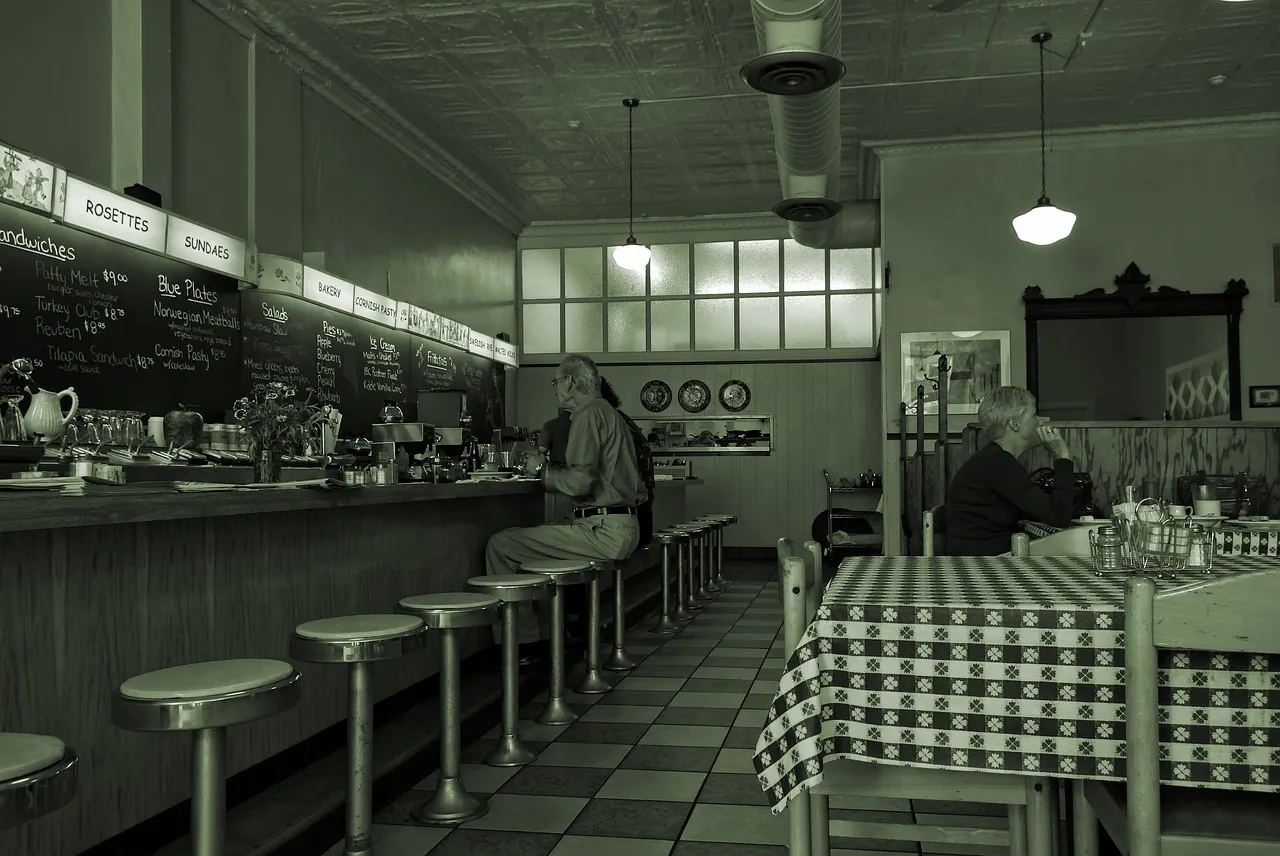
The disappearance of the small-town diner from Main Street rarely makes headlines. There’s no bankruptcy filing large enough to generate national coverage, no iconic brand collapsing in a single moment. It’s quieter than that. A sign goes dark. A building sits empty. The town adjusts, because it has to.
What gets lost in that adjustment is harder to name but not hard to recognize. It’s the kind of place where a stranger felt welcome before they’d said a word, where the news of the day circulated before anyone had opened their phone. That informal civic life, humble as it seemed, was doing real work.
The decline of this institution, which shaped so much of American daily life, did not happen all at once. Instead, it arrived through a combination of cultural shifts, economic forces, and the slow fading of a tradition that once felt unshakeable. Recognizing that is the first step toward deciding whether it’s worth fighting for.
AI Disclaimer: This article was created with the assistance of AI tools and reviewed by a human editor.