
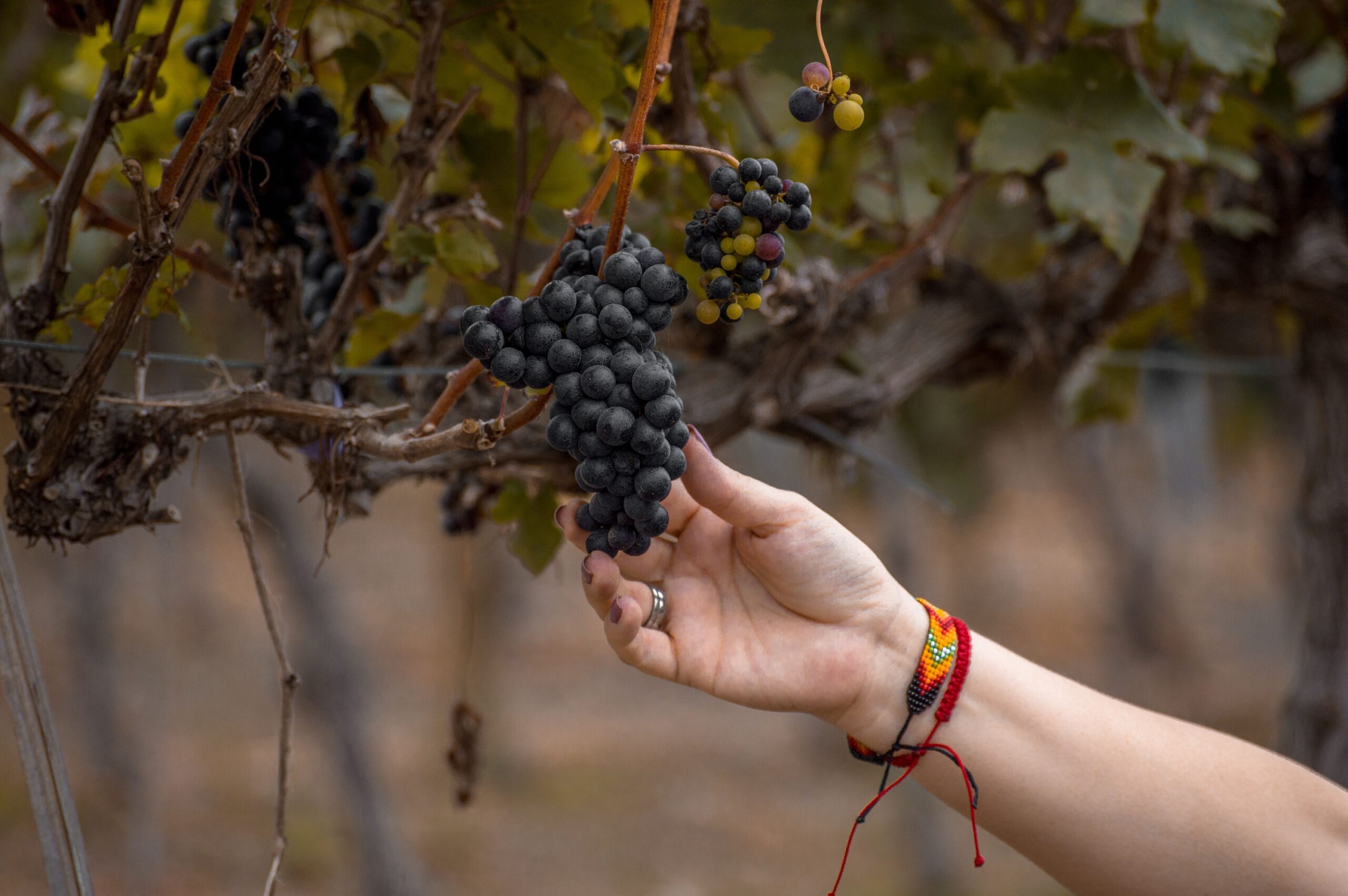

The Harvest Window Is Narrower Than You Think
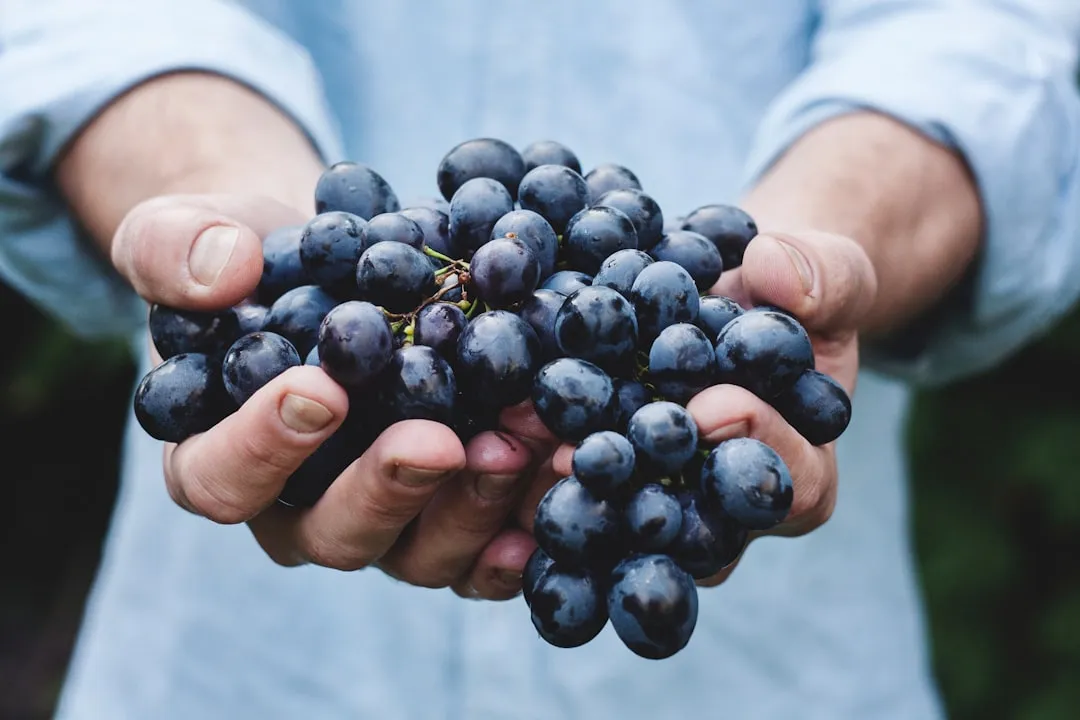
Most people imagine harvest as a long, leisurely season. In reality, the timing is surprisingly compressed. The harvest window is often just a few days to one week for optimal quality, because once grapes reach peak ripeness, there’s no room for delay.
Harvest timing is the winemaker’s most critical decision, directly affecting the quality and characteristics of the final wine. That pressure creates an energy on the vineyard that visitors rarely see anywhere else. It’s urgent, communal, and completely alive.
Why the Third Week of September Is the Sweet Spot
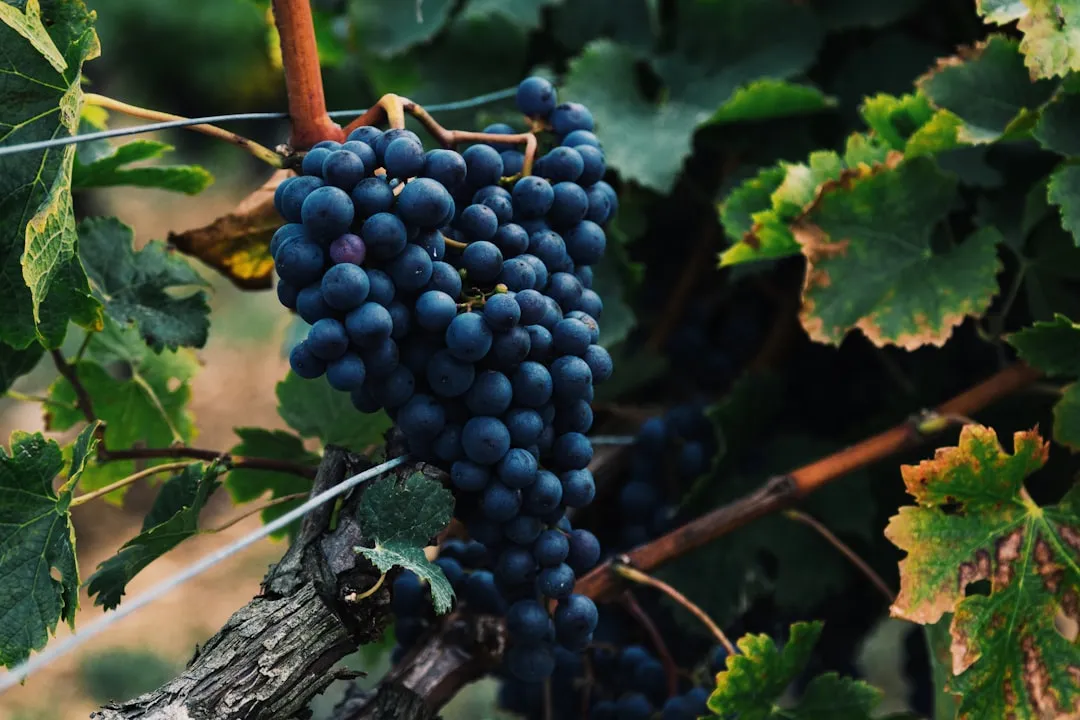
In the Northern Hemisphere, which includes renowned wine regions like France, Italy, Spain, and California, the harvest season generally starts in late August and runs through October, depending on the specific grape variety and the weather conditions each year. Within that window, the third week of September tends to concentrate the most action across the widest range of regions simultaneously.
For European wine country, peak harvest weeks in major regions align closely during this period: Tuscany runs from roughly mid-September to mid-October, Bordeaux from mid-September to mid-October, and Burgundy from late September into mid-October. Arriving in the third week of September places you at the beginning of all three, which means you witness the rush without missing any of it.
Oregon Finished Earlier Than Usual in 2025
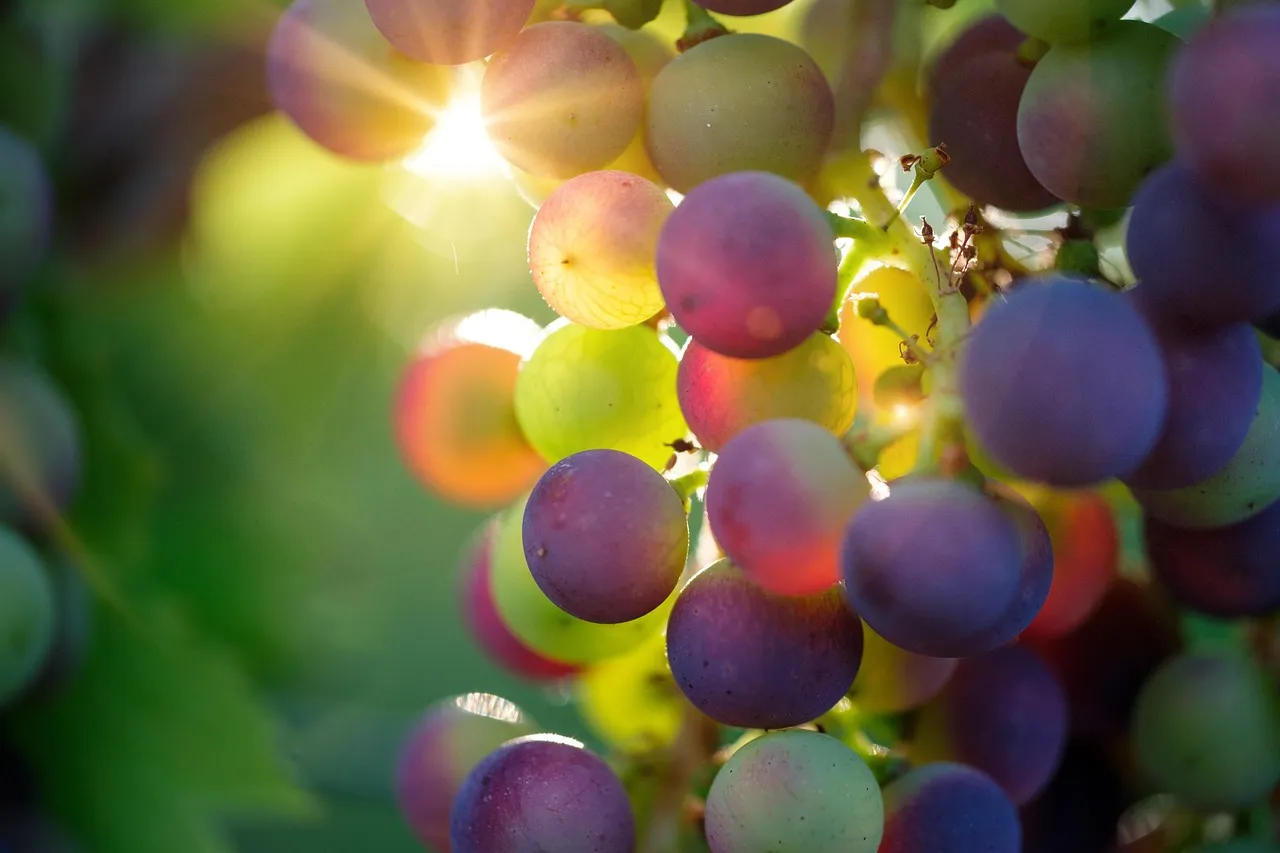
The 2025 growing season in Oregon unfolded as an accelerated and compact vintage, marked by an early start to ripening, with many producers reporting budbreak, bloom, and veraison all advancing ahead of typical timing. By harvest, the pace was unmistakable, with many respondents finishing primary picking one to two weeks earlier than normal.
Harvest windows in Oregon ranged from roughly August 25 through early to mid-October, consistently earlier than average across regions and varieties. As grapes were harvested, winemakers generally reported excellent flavor development and high overall integrity of the fruit. The lesson for travelers is clear: check regional harvest reports before you book, because the calendar is shifting.
Napa Valley: The Buzz Starts in August
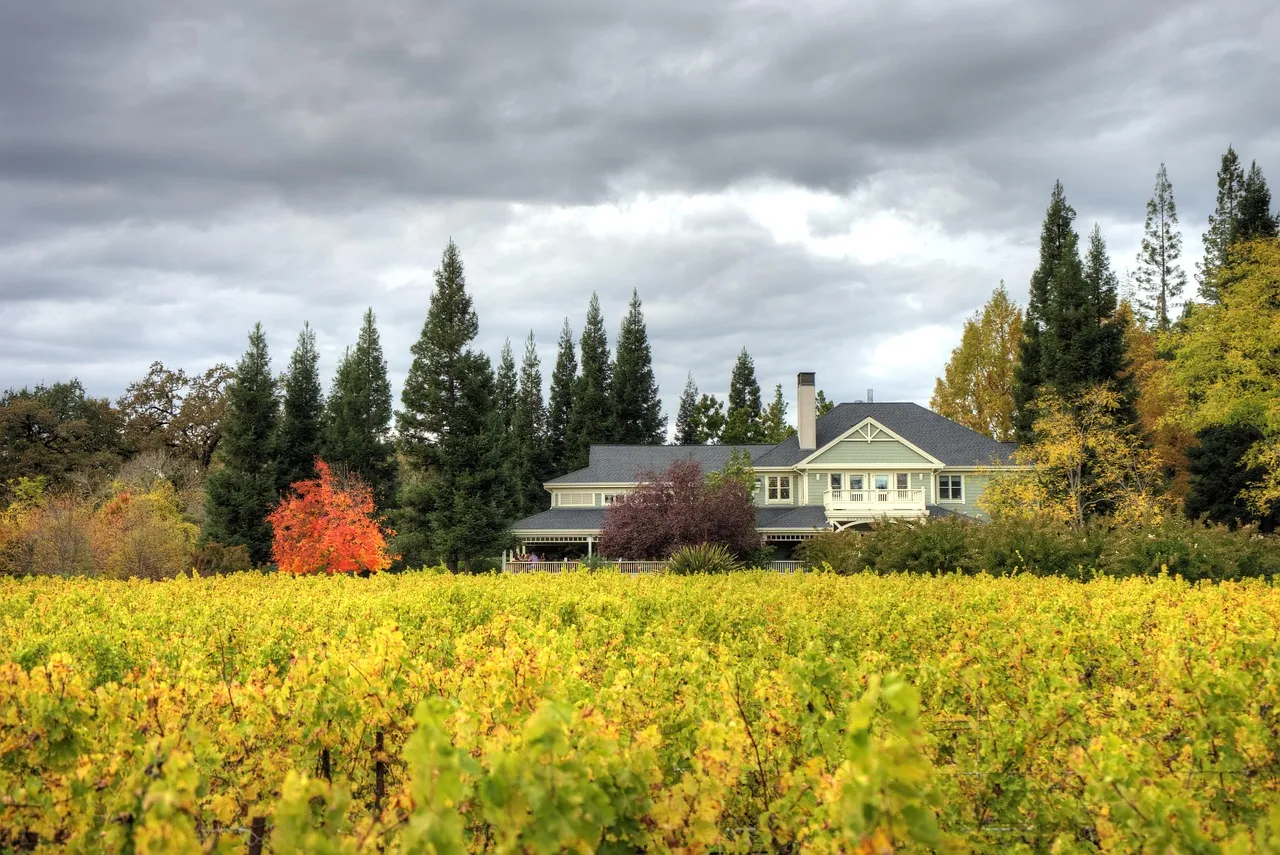
Each year between August and October, Napa Valley celebrates the newest crop of grapes coming off the vines. In 2025, the first grapes were picked on August 14, and from then through October the valley buzzed with excitement as the year’s new crop made its way from vine to barrel.
Between August and October, there’s something in the air as Napa transforms with the buzz of vineyard workers, the scent of fresh grapes. The best visitor experiences, though, happen once the earliest white varieties are in and the focus shifts to Cabernet Sauvignon. That’s when cellar doors open their most interesting access programs and winemakers actually have a moment to talk.
Paso Robles: October Has a Different Kind of Energy
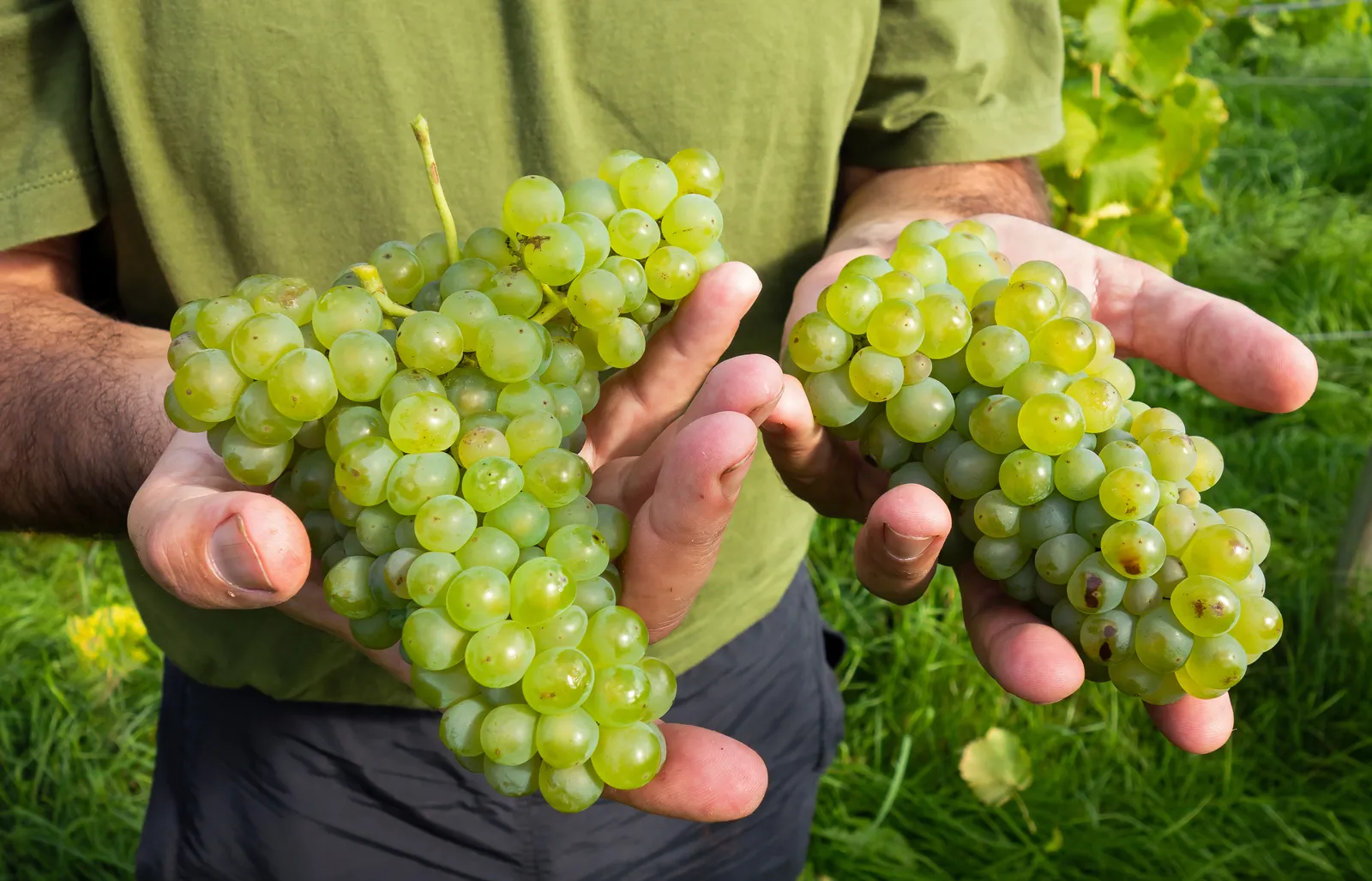
October traditionally has exceptional weather in Paso Robles, with days that are warm and nights that are cool, making it a perfect time to take in the incredible colors, sights, and aromas of harvest. The region also makes the most of this season deliberately.
During Harvest Wine Month, wineries host individual events throughout October, with most taking place during the featured weekend of October 17 to 19. Visitors can look for vineyard tours, winemaker dinners, grape stomps, live music, and other hands-on experiences to celebrate the harvest season. For those who want structure and variety, this is one of the most well-organized harvest visitor programs in the country.
Many California wineries harvest between midnight and early morning because the cooler nighttime temperatures help concentrate and preserve the fresh fruit aromas and flavors and stabilize sugar levels. That round-the-clock rhythm gives the whole region a distinct 24-hour pulse during peak harvest weeks.
France’s Vendanges: A Moving Target Worth Chasing
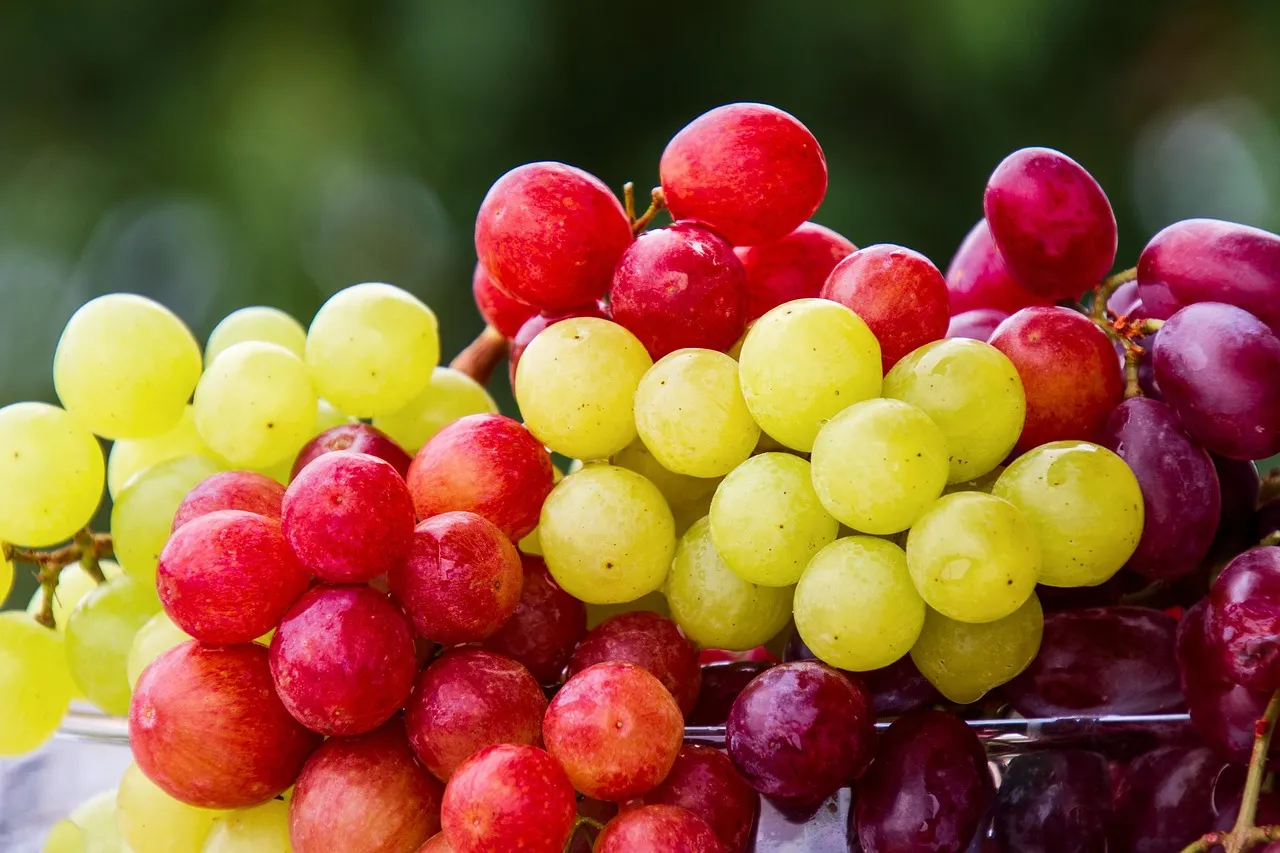
The grape harvest in France isn’t a single date but a moving mosaic across regions, varietals, and weather patterns. In Champagne, vendanges often begins as early as late August. Burgundy tends to follow in early to mid-September, while Bordeaux, with its later-ripening Cabernet Sauvignon, can stretch into October.
Burgundy harvest dates shift with vintage and climate. If you want to take part in the harvest as a guest, most domaines cannot accommodate full workdays for visitors, but the right partners can offer meaningful, safe immersion: a short picking session, time at the sorting table, and a harvest-style lunch. Booking through a specialist wine travel company is the most reliable way to access these private moments.
Tuscany’s September Rhythm Is Unmatched
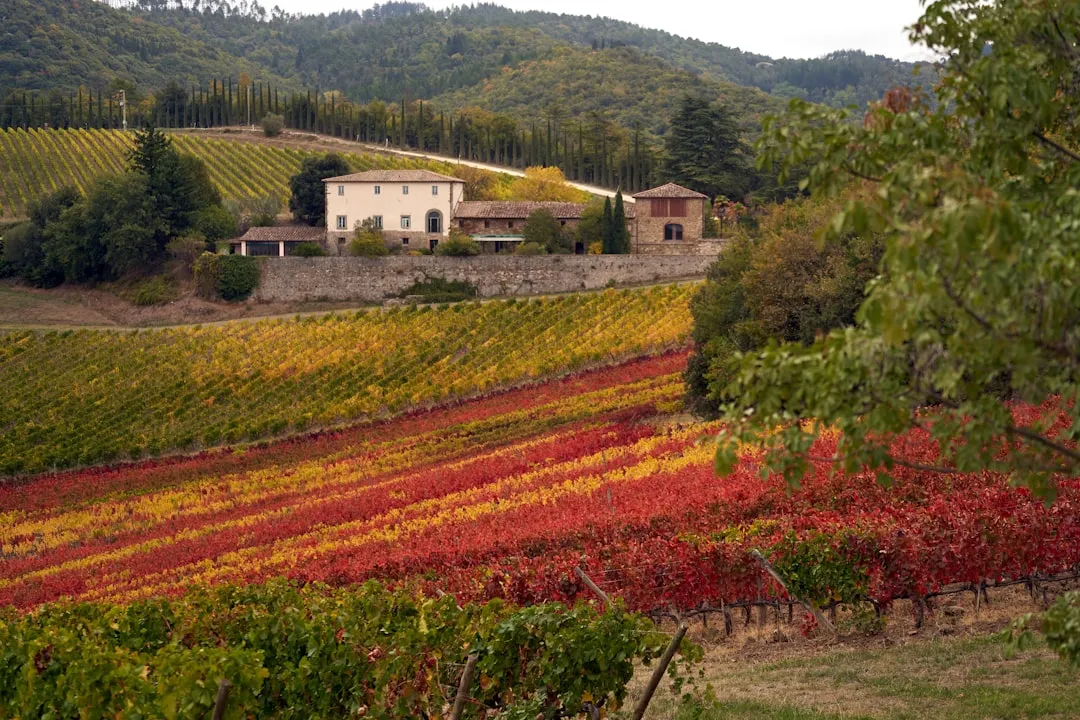
Italy’s harvest season sees grapes ripening between late August and mid-October, which coincides with some of the year’s most beautiful weather in Tuscany and Umbria. The combination of golden light, cooling evenings, and the smell of fermenting Sangiovese drifting from cellar doors is genuinely hard to replicate at any other time of year.
September is an excellent time to visit Tuscany as the vineyards are beautiful and there is excitement in the wine villages with the start of the harvest. Chianti is the region most established for wine tourism, and many estates open up for general tours during this period. Mid-September, when picking is at its peak, is when you’ll find estates most willing to share what they’re doing and why.
What Harvest Workers Actually Do During That Week
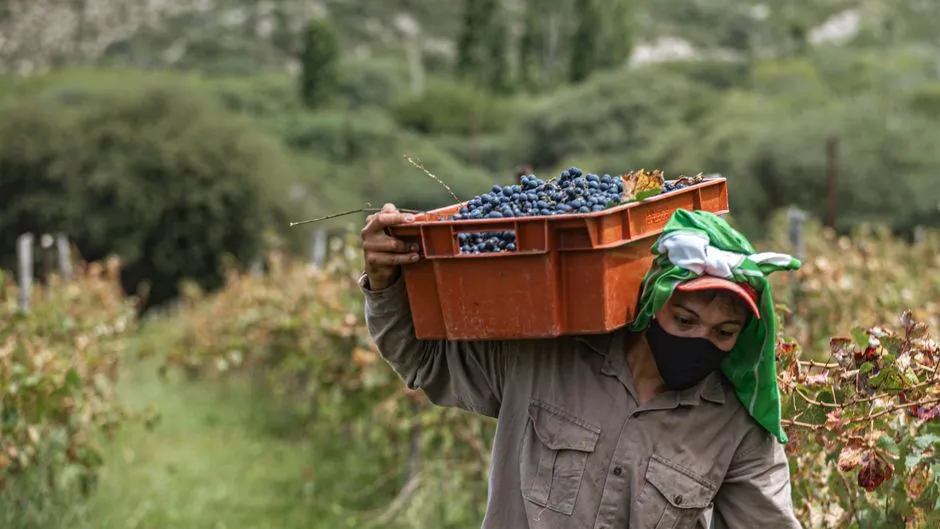
During harvest, vineyard workers race against time to preserve the perfect balance of acid and sugar, whole clusters of grapes are crushed and de-stemmed in the heart of the afternoon, and young barrels are opened early so that the winemaking professionals can get a fresh taste of what the next vintage will bring.
Winemakers assess sugar levels measured in Brix units, acidity, tannin development within the grape bunches, and flavor progression to determine the optimal picking window. Visitors who arrive during this decision-making phase often find winemakers at their most candid, because the science and the instinct are working simultaneously and there’s a lot to talk about.
Practical Tips for Visiting During Peak Harvest
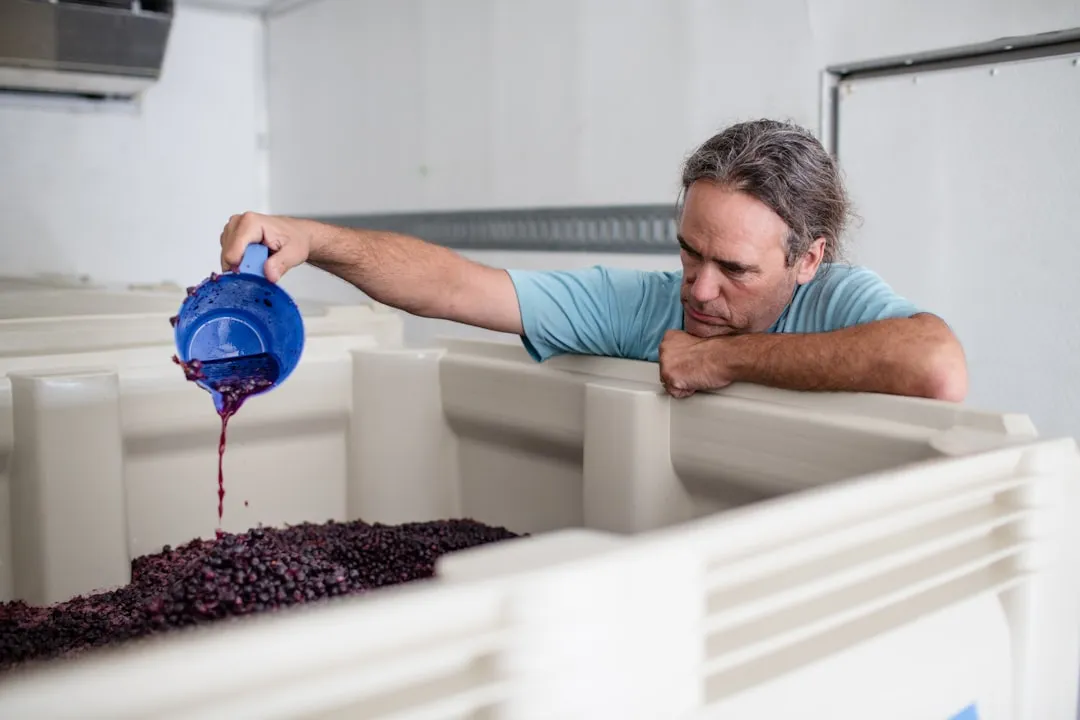
Wineries can often accommodate impromptu tours or tastings during the week because of the lighter traffic. If you’re a wine enthusiast looking for a quieter, more educational experience, weekdays during harvest might be your best option. The contrast between a weekday visit and a Saturday during peak harvest season is substantial.
Agriturismo in Tuscany, quintas in the Douro, and estate guesthouses in Alsace typically sell out three to four months ahead for peak harvest weeks in late September to mid-October. Accommodation books faster than tasting reservations, so that’s where to start your planning. Wear layers and sturdy shoes, as you may be walking near vineyards or outdoor crush pads. Winery staff love sharing what’s happening during harvest, so don’t be shy about asking questions.
Climate Change Is Quietly Shifting the Best Week
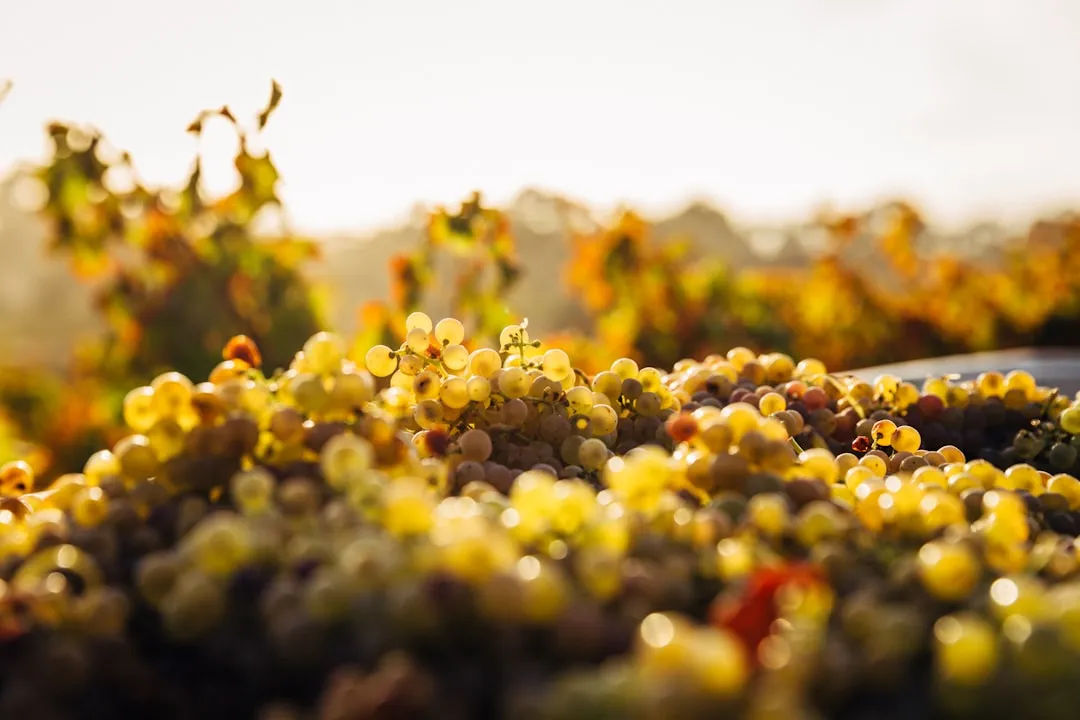
Climate change continues to affect the grape’s growing season, pushing harvest earlier in certain regions. This isn’t a distant concern for winemakers; it’s already reshaping when visitors should book their trips. Current data indicates that climate change has shifted harvest dates earlier in many regions, and what used to start in mid-September now often begins in late August for the same grape varieties.
The shift means that travelers who relied on September as a guaranteed sweet spot may need to adjust. Checking regional harvest reports in July or early August before a September or October trip is increasingly worthwhile. The best week is still there; it’s just moving slightly earlier each year in many of the world’s most celebrated wine regions.
The Takeaway
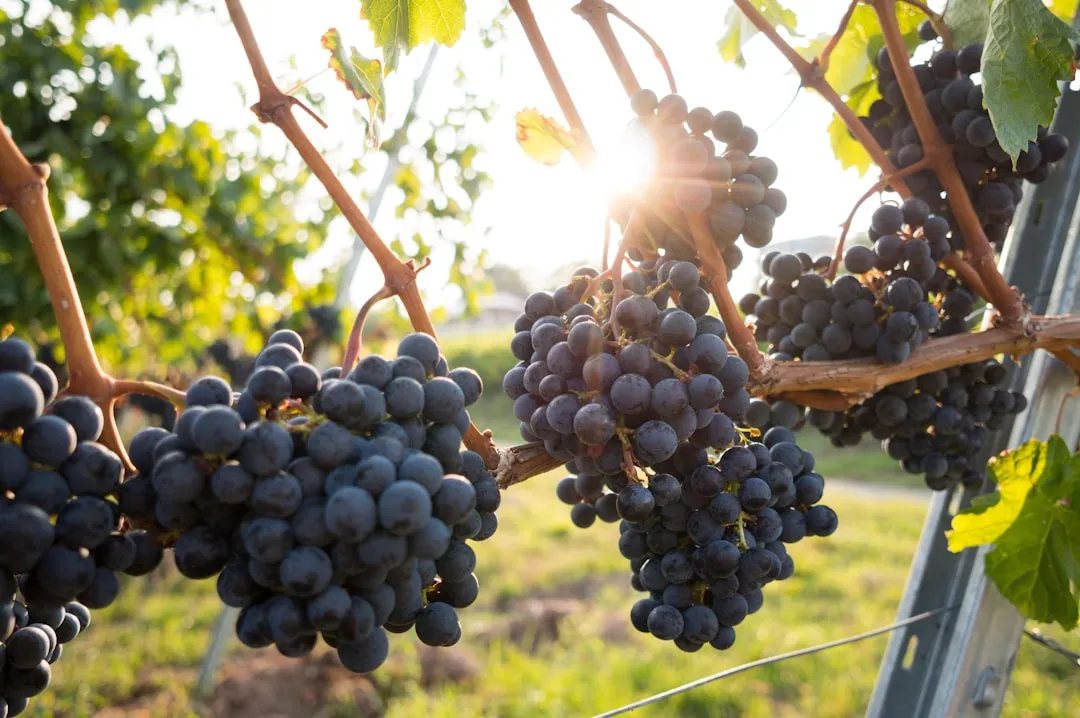
Harvest week is one of those travel windows that delivers more than it promises. The scenery is extraordinary, the access is unusually personal, and the energy of a vineyard at full tilt is something you simply don’t get any other time of year. Whether you’re drawn to Burgundy, Napa, Paso Robles, or Tuscany, the logic is the same: go during the picking, not after it.
The people who spend every harvest on their feet in the vines, moving row by row through the most important weeks of the winemaking calendar, have a very clear opinion about when visitors should arrive. They’ll tell you: come now, while the grapes are still on the vine and the whole beautiful urgency of it is real.
AI Disclaimer: This article was created with the assistance of AI tools and reviewed by a human editor.