
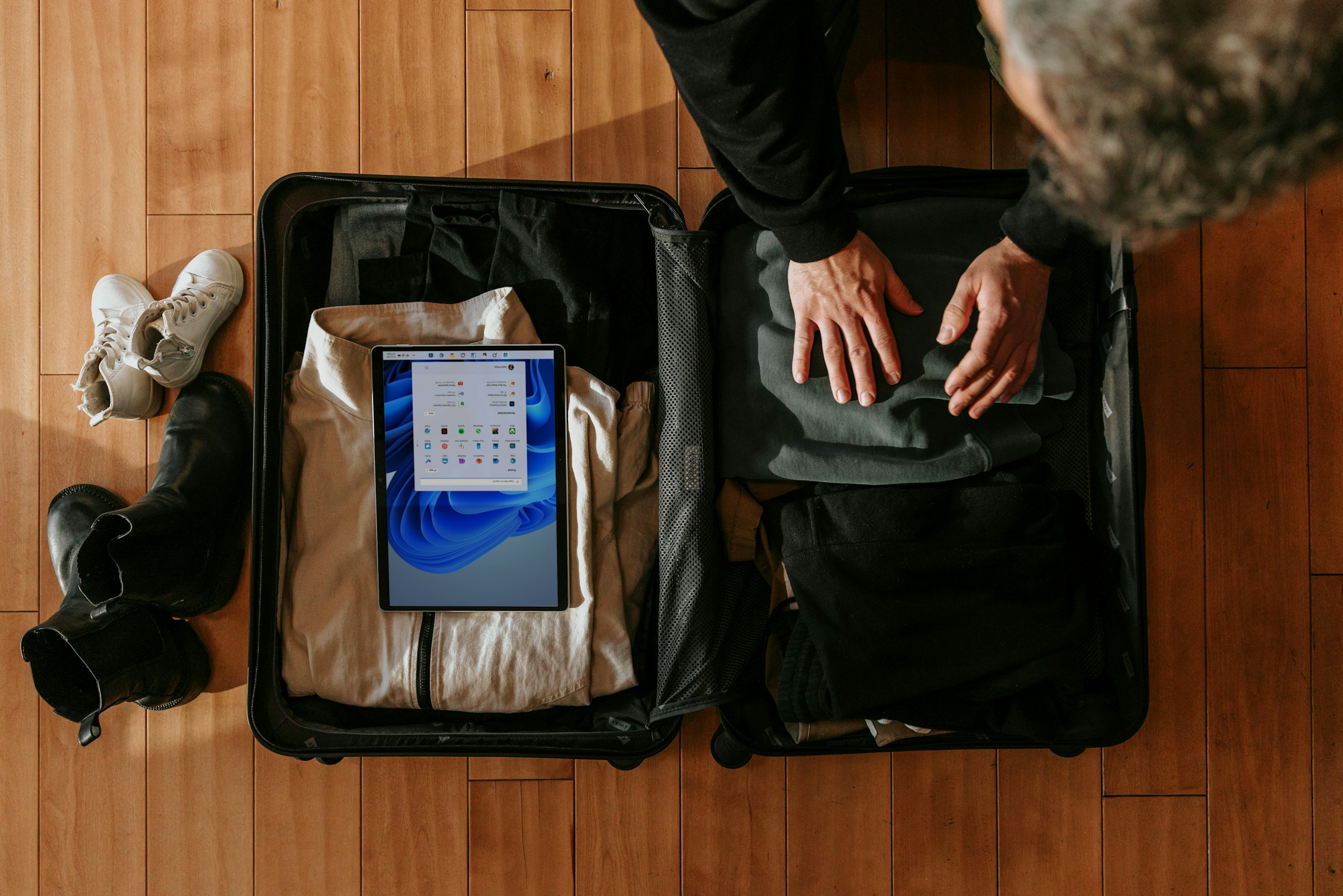

Most people know they packed too much the moment they wrestle their suitcase into the overhead bin. A weekend trip somehow demands what looks like two weeks of supplies, and yet, on the flight home, half of it never left the bag. This is one of travel’s most persistent contradictions, and it happens to nearly everyone, regardless of how many trips they’ve taken.
The reasons aren’t purely practical. Experts across psychology, behavioral science, and travel research have been piecing together why this pattern holds so stubbornly, even among seasoned travelers. The answers reveal something genuinely interesting about how we think, what we fear, and how our brains misjudge the future.
It’s One of Travel’s Most Stubborn Habits
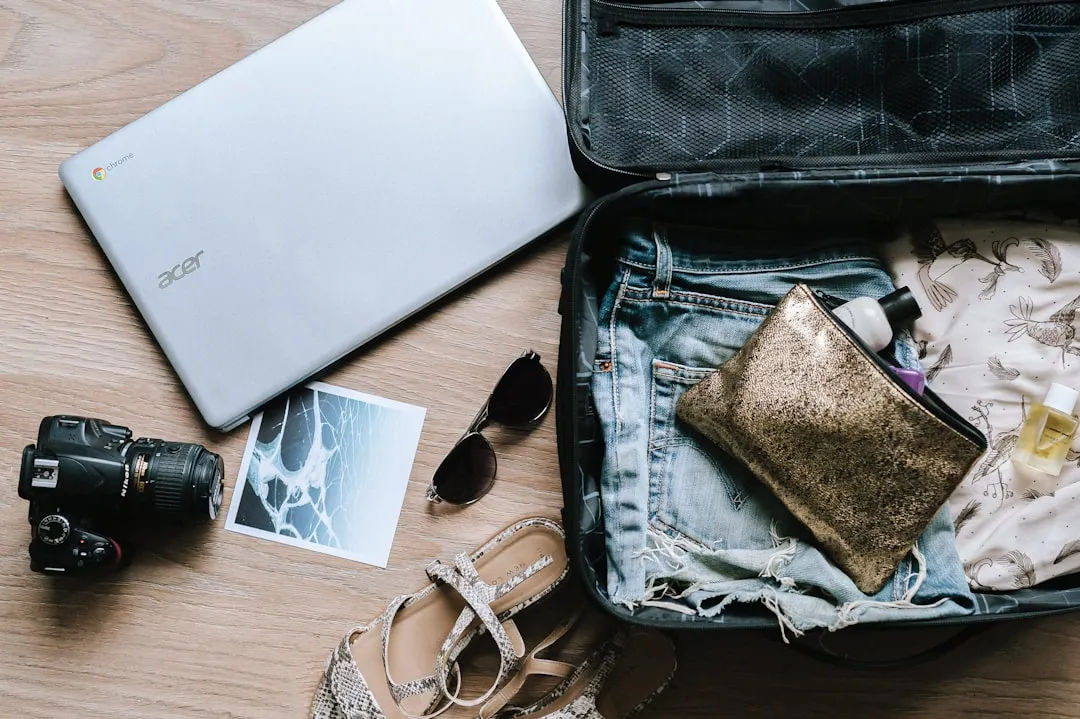
Roughly seven in ten people admit to having overpacked for a trip, and about four in ten say they’ve come home with clothes they didn’t even wear. That’s a remarkable figure. It means most people pack items they consciously know, somewhere in the back of their mind, they probably won’t use.
According to Global Rescue Traveler Sentiment and Safety Survey data, nearly one in three respondents admitted they brought too much luggage, and those numbers have remained remarkably consistent: thirty-five percent in September 2024, and similar figures going back to early 2023. The habit doesn’t seem to erode with experience. Other research paints an even broader picture, with one study finding that more than seventy percent of people have overpacked, and a separate Global Rescue survey finding that roughly three quarters of respondents admit to doing so.
Anxiety Is the Real Driver, Not Forgetfulness

Experts agree that the inclination to overpack, driven by an urge to prepare for countless “just in case” scenarios, is rooted in anxiety and the loss of control that comes with leaving one’s personal space. This is a meaningful distinction. It’s not that people are disorganized. It’s that packing becomes a way of managing worry rather than preparing practically.
Overpacking typically arises out of psychological factors such as anxiety and fear of the unknown, which compel travelers to pack more since the act itself comes with feelings of safety and control. Filling a suitcase, in that sense, is a coping mechanism. Travelers don’t want to be placed in an unexpected situation, and they believe it is always better to have more than they may need, often growing too attached to their belongings and believing that familiar items will make it easier to relax far from home.
The “Just in Case” Mindset Has a Name
Loss aversion is a behavioral cognitive bias where a loss is perceived as more psychologically impactful than a gain of equivalent value. Applied to packing, this means the imagined discomfort of not having something feels far heavier than the real inconvenience of hauling extra weight. The brain treats a missing item as a small catastrophe, while the extra bag straps digging into your shoulder barely register in advance.
Not because these things are likely needed, but because the imagined regret feels vivid. Psychologists who study decision-making have found that people are often more motivated to avoid future regret than to pursue convenience, and that imagined “I should have brought it” moment becomes powerful enough to justify extra luggage. It’s a very human miscalculation, and it happens before the suitcase is even opened.
Unfamiliar Destinations Make It Worse
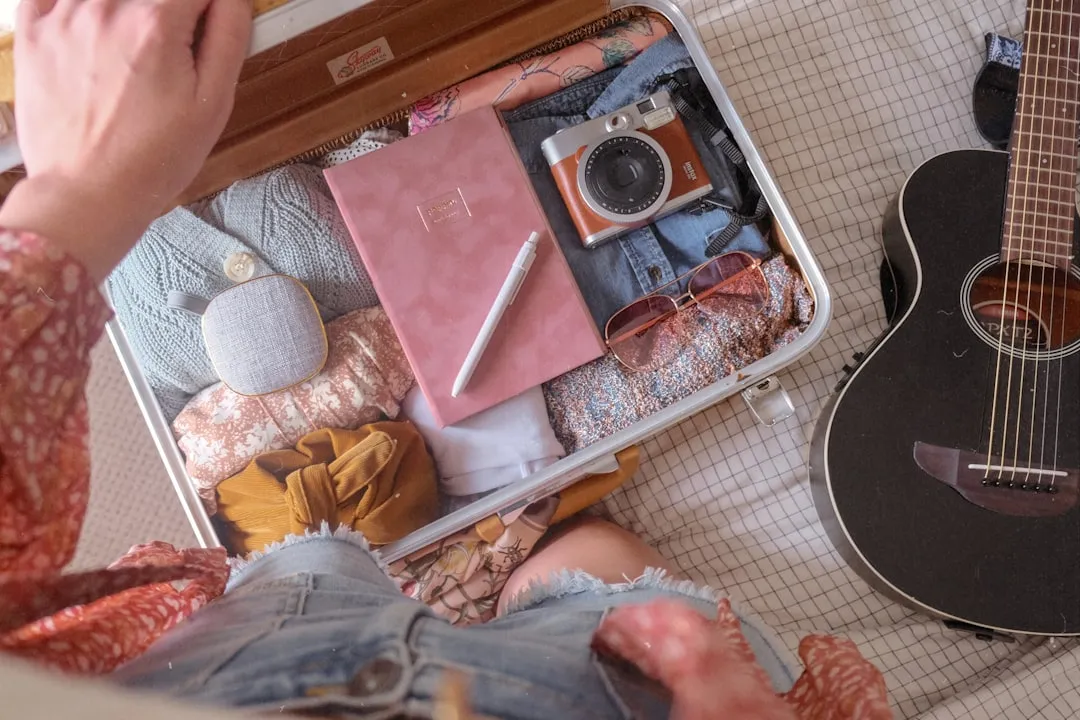
The inclination to overpack is rooted in anxiety and the loss of control that comes with leaving one’s personal space, and the extent of that anxiety may depend on factors such as the level of familiarity with the destination and the length of the trip. Traveling somewhere new introduces a layer of uncertainty that the brain instinctively tries to buffer against, and more unknown territory means more “just in case” items in the bag.
Research participants often rationalized what to take in terms of necessities, good-to-have items, luxuries, things to buy on the way, and things not needed at all. The less that is known about the destination, the more objects end up in the “good-to-have” category. This explains why even experienced travelers can still overpack when heading somewhere genuinely new. Familiarity is its own kind of packing strategy.
Packing More Feels Like Being More Prepared
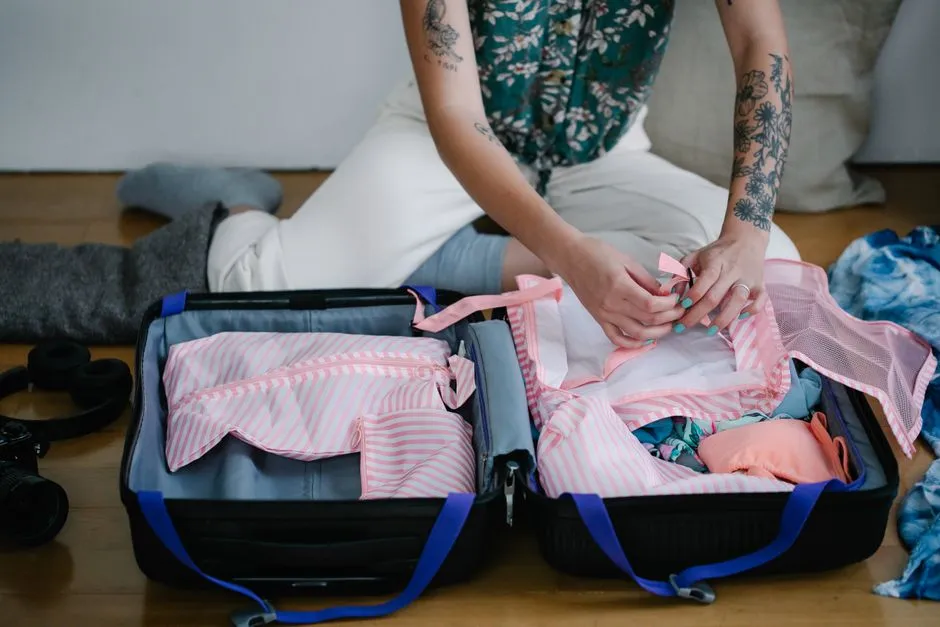
Many psychologists agree that people who tend to overpack do so because they derive comfort and a sense of security from a covering-all-the-bases approach. The logic feels sound in the moment: more options, fewer problems. The trouble is that this mental math rarely accounts for the weight, the fees, or the energy spent managing extra belongings once you’ve arrived.
Anxiety and stress levels tend to rise when people travel because they are not in their comfort zone and are surrounded by different people, which can cause some travelers to carry a greater number of familiar items from home, sometimes from a subconscious desire to bring something of themselves and their life to a new place. There’s something almost touching about it, even if it costs you thirty dollars at the airline counter.
A Lack of Trust in Your Own Resourcefulness
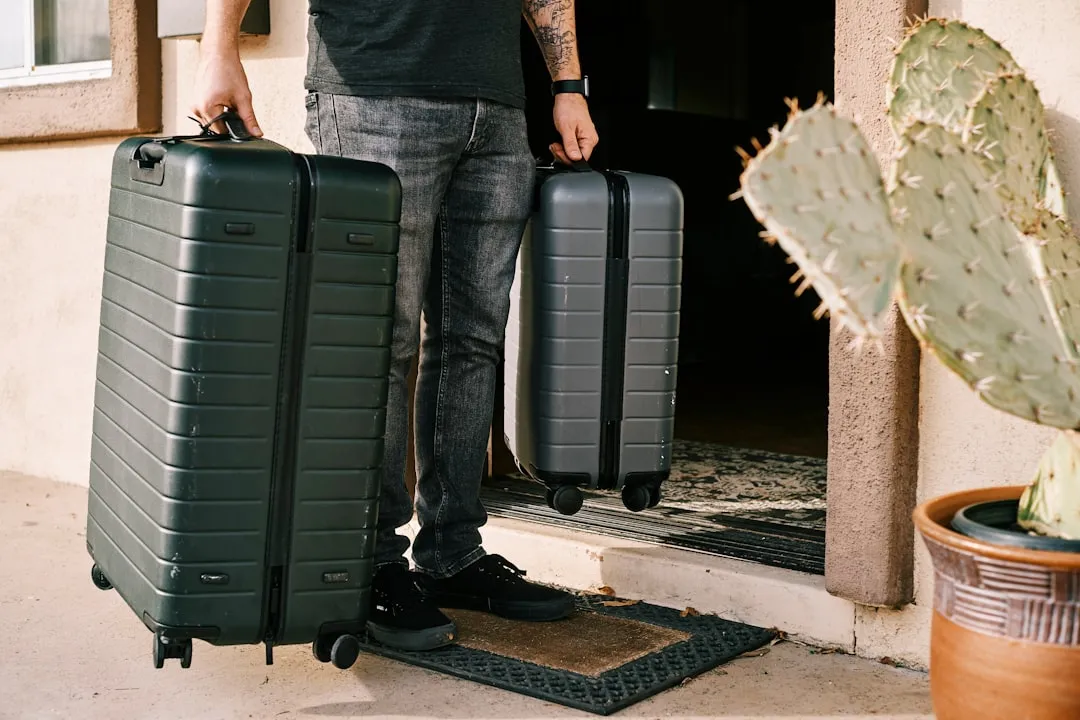
Overpacking is fueled by “not really understanding the value” and utility of what you’ve packed. Self-doubt about our resourcefulness can lead to overpacking, since rather than trusting our ability to adapt, we opt for excess to avoid being caught off-guard. This connects to a broader pattern in how we underestimate our own flexibility as humans. Most travelers are far more capable of improvising than they give themselves credit for.
The feeling of no-room-for-error is very common and often triggers worries that forgetting something will bring about future discomfort. In reality, you can usually get what you need at your destination, and even if not, nothing is ever ruined because you lack the right pair of shoes. That reminder is easier to absorb after the trip than before it.
Packing Is More Stressful Than Most People Admit
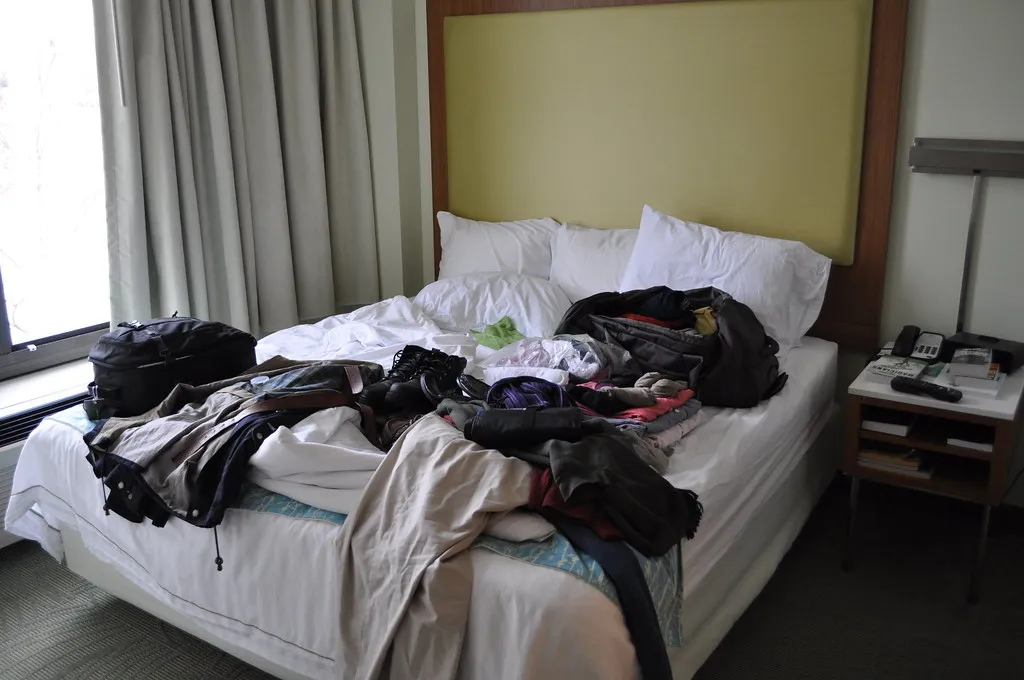
A 2021 OnePoll study showed that nearly seventy percent of Americans surveyed were stressed out by packing, and they rated packing as more stressful than actual travel, with the only thing more stressful than deciding what to bring being getting through airport security. For something as mundane as filling a bag, those are striking numbers. They suggest that packing taps into anxieties that go far beyond the act itself.
The irony of overpacking is that people who bring too much still forget things. The vast majority of people, roughly eighty-five percent, say they worry about forgetting things when packing for a trip, and people forget an average of two essential items each time they pack. More volume does not reliably produce better results. People spend an average of fifty-three dollars to replace items they forgot to pack when on a trip.
Age and Gender Play a Real Role
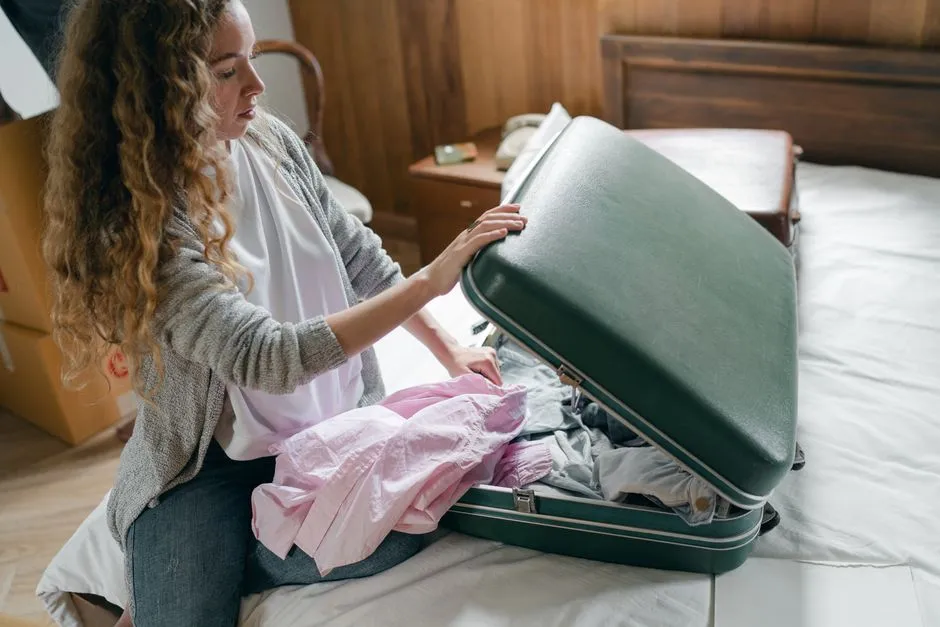
When it comes to overpacking, roughly six in ten Britons pack more than they need for a holiday, and women are more likely to overpack, with over two thirds saying they packed too much, compared to about half of men. The pattern isn’t universal, but it’s consistent enough across surveys to suggest real behavioral differences in how different groups approach packing.
Younger travelers tend to overpack more, with three quarters of eighteen to twenty-four year olds saying they overpack for holidays. Those aged twenty-five to thirty-four admit to being the worst for overpacking toiletries, while those aged fifty-five to sixty-four show a surprising tendency to overpack shoes. Every age group has its own version of the habit, which suggests it’s less about youth and inexperience and more about the particular anxieties of each life stage.
Overpacking Actually Creates the Stress It’s Meant to Prevent
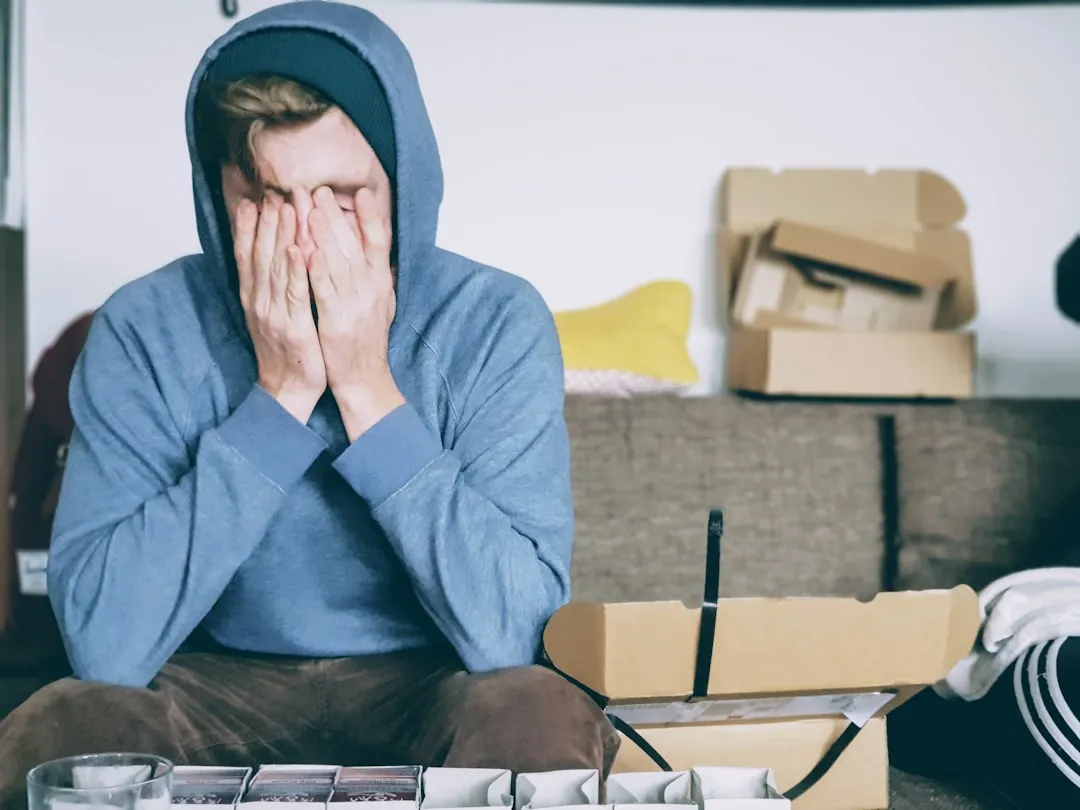
Ironically, the attempt to reduce stress through packing more often has the opposite effect. Heavy luggage becomes a burden in transit, added bags mean higher airline fees, and managing too many items increases frustration throughout the journey. The very thing people reach for to feel more comfortable ends up making travel harder. That’s a genuine psychological trap, and recognizing it is the first step out of it.
Experts say anxiety, attachment to home, and fear of being unprepared are the core fuels of overpacking habits. When those emotional drivers are addressed, the packing list tends to shrink naturally. The bag gets lighter not because of better organization, but because the traveler trusts the trip a little more.
Lists Help, But Only If You Actually Use Them
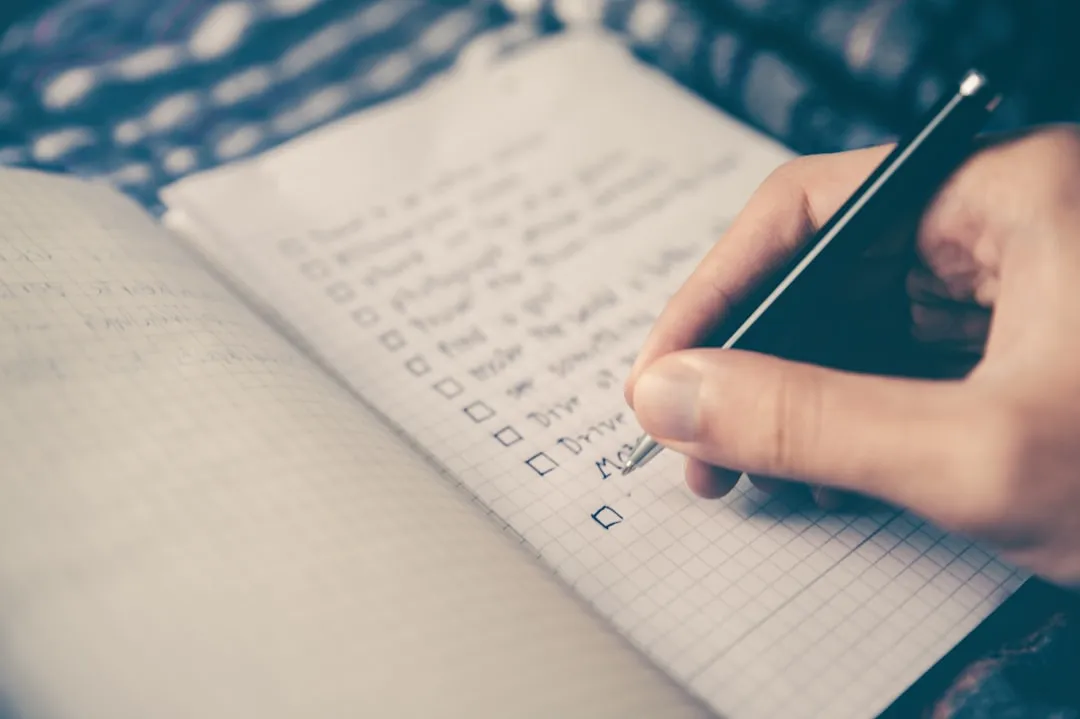
About seven in ten travelers make a list of what they need to pack for each trip, and over three quarters say a packing list makes them less likely to forget things. Lists work. They convert an emotional, open-ended process into something finite and reviewable. The challenge is that most people make lists, then keep adding to them right up until departure, undoing much of the benefit.
A survey of over fifteen hundred Americans in September 2024 explored what people pack for different types of trips and the most commonly forgotten items. Among the findings: people forget an average of two essential items per trip even with lists in hand. The implication is clear: packing well isn’t just about adding items, it’s about having the discipline to remove them.
The Takeaway
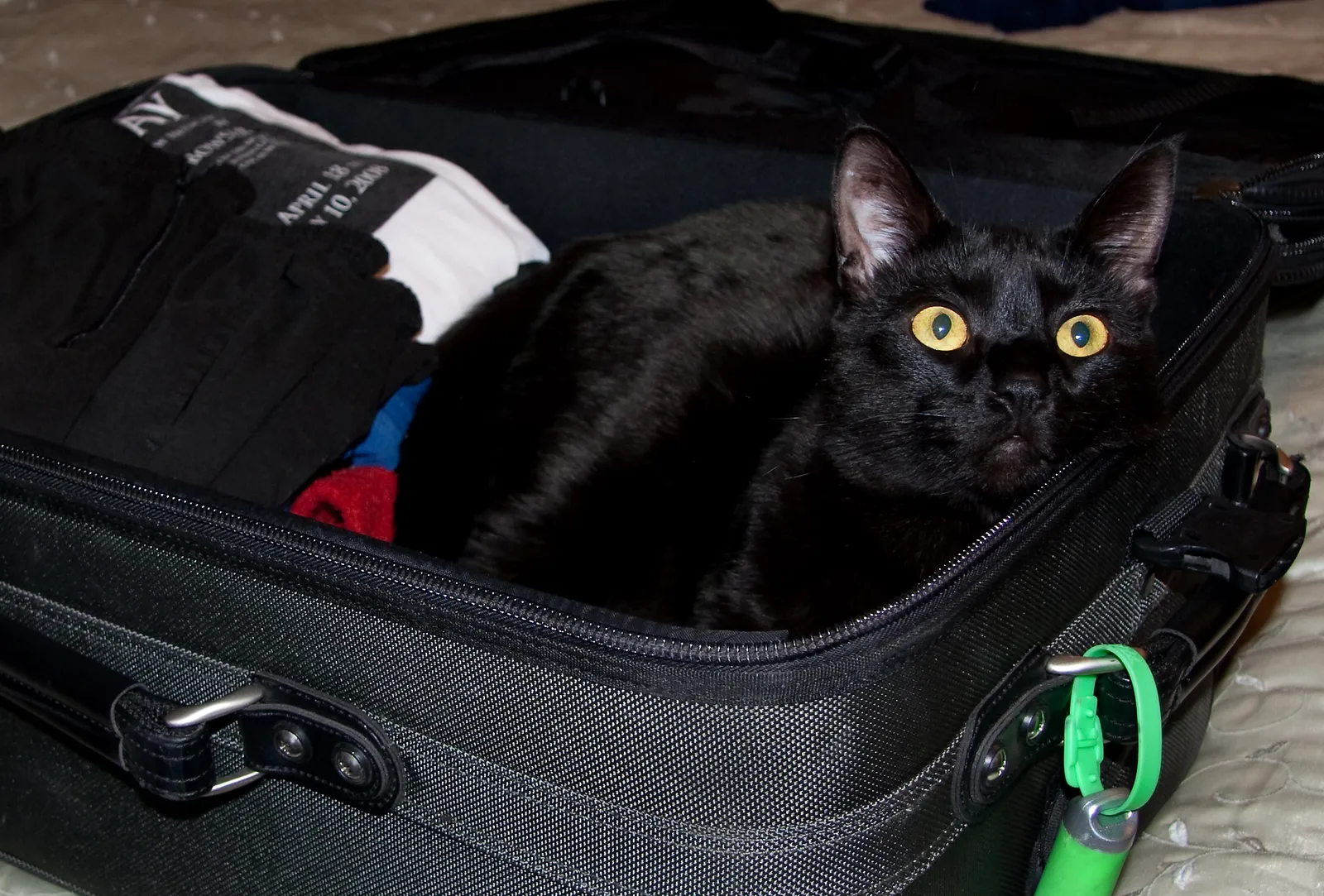
Overpacking for a short trip isn’t really about not knowing how to fold a shirt. It’s about fear, uncertainty, and a brain that genuinely struggles to imagine a future self coping without options. Understanding that doesn’t make the suitcase lighter on its own, but it does shift the conversation from logistics to self-awareness.
The lightest travelers aren’t necessarily the most minimalist by nature. They’ve usually just learned, through experience, to trust themselves a little more on the road. That trust takes time to build, but it’s worth more than an extra pair of shoes that never leaves the bag.
AI Disclaimer: This article was created with the assistance of AI tools and reviewed by a human editor.