


The Savings Are More Significant Than Most People Realize
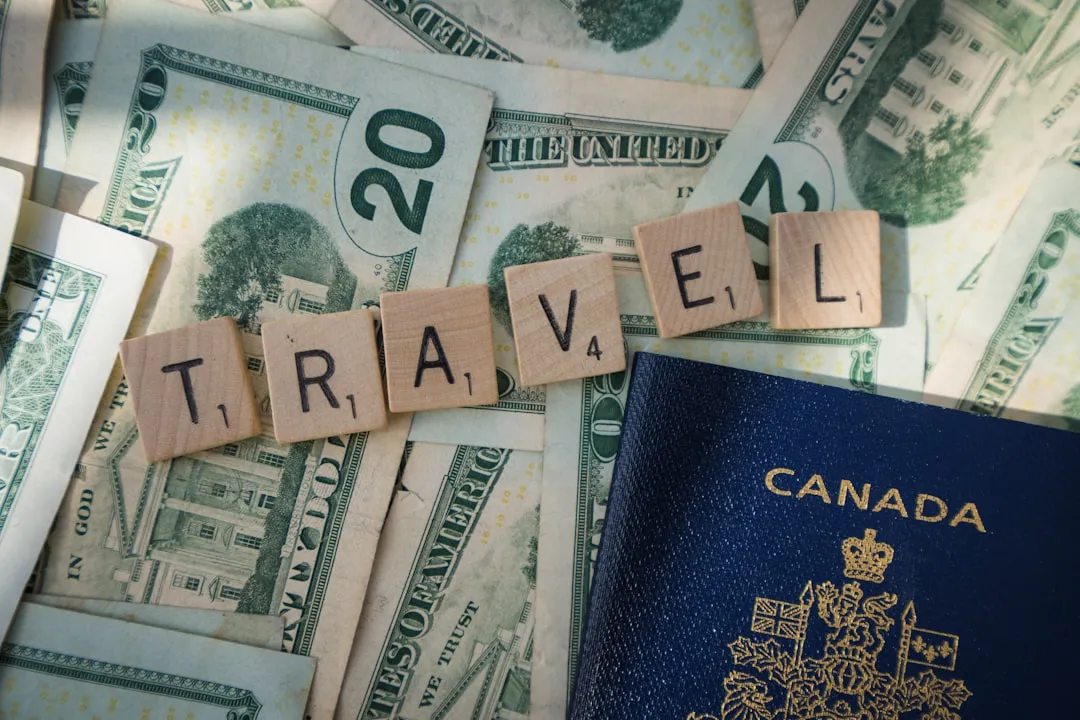
The financial case for off-peak travel is stronger than most casual travelers expect. Flights can be up to roughly half the price cheaper, and hotels often drop rates by thirty percent or more. Those aren’t marginal differences. Over the course of a week-long trip, the gap can fund an entirely separate getaway.
Domestic travelers have saved an average of thirty-two percent, or roughly $112 off airfare, by shifting trips from peak summer months to September or October. That’s a meaningful figure, not a rounding error. Certain cities, including Seattle, Vancouver, Boston, and Chicago, see average wintertime daily hotel rates around forty percent lower than in summer.
Other tourist activities like excursions and restaurants also commonly offer special discounts during the off-season, meaning the savings compound quickly across a full trip budget. So the savings aren’t just on flights and hotels. They tend to stack at nearly every level of a trip.
Reward Points Go Much Further Off-Peak

For travelers who use airline miles or hotel points, the off-peak advantage extends well into the loyalty program world. Airlines including Aer Lingus, British Airways, and Korean Air use mileage charts with peak and off-peak seasons; Aer Lingus, for example, offers a one-way economy seat from Dublin to New York, Boston, or Chicago for 20,000 points during peak season, while the same flight costs just 13,000 miles off-peak.
Travelers can save up to 12,500 Avios each way simply by planning off-peak travel accordingly. That kind of gap in award pricing is rarely discussed in mainstream travel advice, but it’s very real. If you’re sitting on a stock of miles, the off month is often when those miles are worth the most.
Fewer Crowds Changes the Entire Character of a Place

Roughly seven in ten respondents in Intrepid Travel’s survey said they were actively avoiding peak-season trips, entering what many in the industry now call the era of shoulder-season and off-season travel. That shift reflects something genuine: the experience of a place is fundamentally different when you’re not sharing it with an overwhelming volume of other visitors.
During peak season, attractions can be booked out months in advance, and long lines can steal significant time from your day. The low season is often a different story: with fewer tourists to compete with, you get quicker queues and experience more of what you came for. That Venetian canal, that Moroccan medina, that national park trail, they all reveal themselves differently without a crowd pressing in.
Service Becomes More Personal, Not Just Faster

Traveling during less busy times allows you to receive more personalized and friendly service. Restaurant waiters, hotel receptionists, and shop assistants tend to be more open and relaxed when they’re not overwhelmed by mass tourism. This isn’t a small thing. The quality of human interaction during a trip shapes memory more than most people account for when they’re planning.
This also facilitates a closer connection to local culture. Conversations with locals can become more meaningful, and you’ll have more time to explore lesser-known spots favored by residents rather than visitors. There’s a real difference between being served and being welcomed, and the off month narrows that gap considerably.
You Get Closer to Authentic Local Life

Travelers increasingly want to connect with the culture, learn about a country’s history, and try local food. Recommending overcrowded destinations, especially during peak season, is likely to disappoint, as it becomes harder to find authenticity. This is a tension that destination managers are increasingly grappling with openly.
Among Millennials and Gen Z, roughly four in five prioritize unique, authentic experiences over popular tourist attractions. The off-season, almost by default, delivers more of what this growing segment of travelers is actually looking for. With fewer tourists around, you have the opportunity for more intimate experiences: trading stories with a waiter who isn’t overwhelmed, walking peaceful streets beside those who actually live there, savoring local flavors during unhurried meals.
Booking Flexibility Becomes a Genuine Asset
Without crowds of other travelers to contend with, you can book things at the last minute, change your plans at the drop of a hat, and access accommodations and activities that you might have to book months in advance during high season. For spontaneous travelers, that freedom alone justifies the timing.
According to Expedia’s 2024 Air Travel Hacks Report, the optimal booking window for domestic off-peak trips is roughly one to three months in advance, while international travel rewards those who plan two to eight months ahead. Those are significantly shorter lead times than peak-season bookings typically require, and they leave room to adapt as plans evolve. Off-peak windows commonly include midweek departures, early morning and late-evening flights, and shoulder seasons between high-demand holiday periods.
The Environmental Impact of Your Visit Is Lighter

Outside of the peak summer months there is less mass consumption, so key resources like water are spread across fewer people. Waste products like air pollution and trash don’t compound together with millions of others, easing the pressure off the environment. That matters most at destinations that are already under ecological strain.
Mass tourism during peak seasons can have a negative impact on the environment and local communities. Traveling off-season helps to relieve pressure on destinations, reduces the strain on natural resources, and supports local economies year-round. The Maldives, the Greek islands, and the Himalayan foothills are just a few examples where the off-season visit carries meaningfully less ecological cost.
Local Economies Benefit More Directly from Off-Peak Visitors

Traveling in the low season helps alleviate the difficult seasonal imbalance that many tourism-dependent communities face. Increases in business help families sustain themselves through the low season. With every restaurant you eat in, accommodation you stay at, and shop you buy from, you’re contributing to the local economy at a time when that contribution matters most.
Everyone benefits from the experience: travelers have an amazing trip, less densely visited areas get an economic boost, and popular destinations experience a reduction in the strain caused by mass tourism. Off-peak travel, done thoughtfully, turns tourism into something closer to genuine exchange rather than extraction.
A Growing Movement Is Making Off-Peak the Default

Travelers are increasingly avoiding peak seasons and heavily visited destinations to better experience local culture and avoid contributing to overtourism. Roughly half of advisors from travel agency Virtuoso say their clients are adjusting plans due to climate change, with about three quarters reporting increased interest in shoulder-season or off-peak travel. This isn’t a niche preference anymore. It reflects a broader rethinking of what a good trip actually looks like.
Governments and tourism boards worldwide are implementing new measures to tackle overtourism, including entry fees, visitor caps, and cruise restrictions. Popular destinations like Venice, Mount Fuji, and Greece are introducing policies to manage crowds, preserve cultural landmarks, and support sustainable tourism. Travelers are encouraged to consider off-peak travel and responsible tourism practices. The quiet month, in other words, is becoming a smart strategic choice as much as a personal one.
The Weather Narrative Is Often Overstated
The most common objection to off-peak travel comes down to weather, and it’s worth examining honestly. Many destinations have “off” months that are genuinely pleasant, just different. Southern Spain in November is mild and uncrowded. Kyoto in late February already carries the early promise of spring. Portugal in March offers cool, clear days at a fraction of the July price point.
Weather during the off-season is described as “less predictable” rather than simply worse, which is a meaningful distinction. Less predictable doesn’t mean unpleasant. It means packing a layer and staying flexible. For many travelers, a slightly overcast morning at an empty ruin beats a blazing midday at a ruin packed with tour buses. Weather is worth researching, but rarely worth treating as a dealbreaker on its own.
The Takeaway

Off-peak travel rarely gets the attention it deserves, partly because it requires resisting the gravitational pull of shared calendars and collective assumptions about when a place is “best.” The data on savings is clear, the cultural case is compelling, and the sustainability argument grows stronger with each overcrowded summer.
The off month isn’t a compromise. For a growing number of thoughtful travelers, it’s the preference. A destination experienced without the noise of peak season reveals something closer to what it actually is, and that version of a place is often the one worth traveling for.
AI Disclaimer: This article was created with the assistance of AI tools and reviewed by a human editor.