


Every year, millions of couples face the same quiet conversation: where do we go this time? For some, it starts with a map and an open evening. For others, it starts with a memory, a place that already meant something, and the quiet pull to go back. Anniversary travel has become one of the most consistent rituals in modern relationships, not just a celebration but a kind of reset button couples reach for deliberately.
There’s a reason certain travel formulas feel so reliable they get repeated, year after year. They’re not accidents. They’re patterns that tend to work, rooted in what couples actually need from shared time away. Here’s what those patterns look like in practice.
The Market Behind the Milestone

The global anniversary travel market reached USD 42.7 billion in 2024, reflecting a robust consumer appetite for bespoke romantic experiences and milestone celebrations. That number isn’t trivial. It signals that couples are treating anniversary travel less like a nice-to-have and more like a genuine relationship investment. The market is projected to grow at a compound annual rate of 8.3% from 2025 to 2033, forecasted to reach USD 85.1 billion by the end of that period.
A key driver of this growth is the increasing prioritization of experiences over material gifts, particularly among millennial and Generation X demographics, with couples opting for travel as a means to celebrate relationship milestones rather than traditional presents. The shift is clear and sustained.
Why Couples Return to the Same Destinations
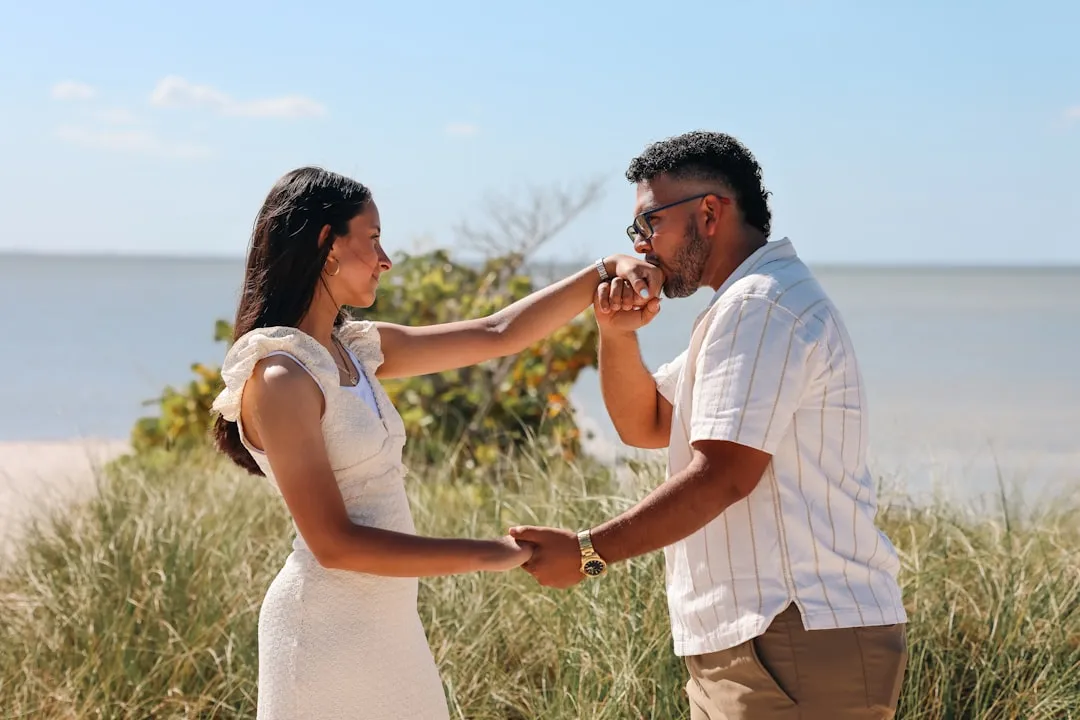
There’s a particular comfort in returning to a place that already carries meaning. A beach town where you celebrated year three feels different at year seven, and that contrast is part of the appeal. Traveling to a meaningful destination highlights how special the shared time is, and years later, this strong boost to a relationship can serve as an anchor of joy, a memory that couples can revisit to positively impact their mood and bring a smile to each other’s faces.
While a couple may only have one wedding or one honeymoon, they have an entire life of anniversaries to celebrate and an unlimited number of romantic vacations to enjoy together. Returning destinations become chapters, not repetitions. Each visit layers new meaning onto a familiar place.
The Science of Traveling Together

When couples step outside their routine, they activate new neural pathways associated with excitement and reward. Traveling together offers opportunities to face challenges, solve problems, and create memories that release bonding hormones like oxytocin and dopamine, reinforcing emotional closeness. This isn’t just romantic language. It’s measurable.
Researchers found that getaways were linked to higher relationship satisfaction; partners traveling together and engaging in self-expanding activities showed higher relationship satisfaction even after their holidays ended. A trip with a partner that included novel activities predicted higher post-vacation romantic passion. Notably, any couple can benefit, regardless of how long they have been together.
Quality Over Quantity: What the Research Actually Says
More trips aren’t necessarily better. Studies found that it was the quality of trips, specifically the extent of engaging in new activity, and not how many trips a couple took, that actually enhanced relationship health. This finding quietly reframes the entire anniversary travel conversation. One well-chosen trip beats a calendar full of forgettable ones.
Research found that higher individual self-expanding experiences on vacations predicted higher post-vacation romantic passion and relationship satisfaction for couples traveling with their partners. The practical takeaway: building something genuinely new into an anniversary trip, even a familiar destination, keeps the relationship benefits intact.
How Long Couples Are Actually Staying

Roughly 46% of respondents in a 2026 survey said that four to five nights is the ideal length for a short romantic getaway. That sweet spot is long enough to decompress but short enough to keep the budget manageable and the anticipation alive. It also aligns with how most working couples structure their time off.
A travel platform tracking honeymoon and anniversary bookings observed a year-on-year increase in spending, with five-night stays remaining the preferred duration, with couples blending comfort and value while opting for private dining experiences, couple spa rituals, and creative workshops. Five nights has quietly become the default for couples who want depth without overstretching.
Where Couples Are Actually Going

Hawaii maintains its position as the all-time most popular destination for romantic travel in 2026, with Italy ranking second and Japan rising to third. The average honeymoon and anniversary budget sits around $6,500. Europe’s cultural pull continues to draw couples who want history, food, and atmosphere in a single trip.
In 2024, roughly four in ten couples stayed within the US for their major romantic trip, while nearly one in five chose the Caribbean and a similar share traveled to Europe. The domestic option keeps growing in appeal, partly for cost and partly because the US genuinely offers enormous variety, from Hawaii to the Gulf Coast to New England in autumn.
The Sustainability Shift in Romantic Travel
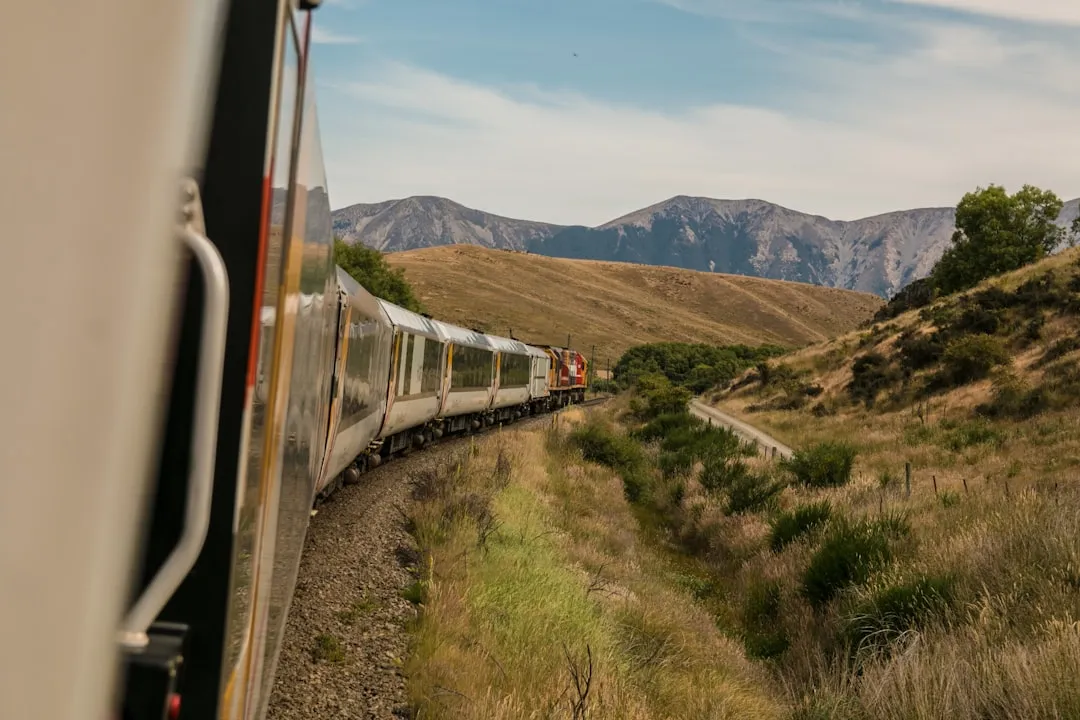
Couples are increasingly choosing train routes over short-haul flights for European anniversary trips, with rail bookings for romantic travel in Europe rising roughly 38% year over year. This isn’t just an environmental choice. Train travel tends to be slower, more scenic, and more conducive to the kind of unscheduled conversation that couples rarely get at home.
Sustainable travel means destinations focused on conservation and hotels that aim to protect and preserve their surrounding environments. Green certifications are becoming standard differentiators rather than premium extras, with a majority of romantically motivated travelers now factoring environmental credentials into their accommodation choices.
How Couples Plan Together

Roughly 73% of couples plan their romantic trips together equally, according to 2026 survey data. That joint ownership matters more than it might seem. When both partners are invested in the planning, the trip carries more shared meaning before anyone even packs a bag. The anticipation itself becomes part of the experience.
Spontaneity was found to be a key element of successful couple travel, with nearly three quarters of respondents noting its importance, and 70% of couples revealing they discuss travel plans weekly, highlighting a strong desire for connection through shared adventures. Planning doesn’t mean rigid. Leaving space for the unexpected is part of the formula.
The Generational Divide in Anniversary Travel

Among Gen Z couples, 43% say finishing a major life goal like paying off debt or buying a home is worth a celebratory couple’s trip, compared to just under 9% of Baby Boomers. Baby Boomers, meanwhile, are more than twice as likely to plan major romantic trips just one to three months in advance compared to Gen Z. The motivations are different, but the destination is the same: time away that feels earned.
Gen Z couples tend to be more budget-conscious but still expect elevated experiences, often favoring micro-weddings, all-inclusives, and shorter planning timelines. Millennials remain the most experience-driven, prioritizing cultural immersion, multi-stop itineraries, and once-in-a-lifetime trips planned well in advance. Neither approach is wrong. Both reflect a shared understanding that the trip matters.
The Real Formula: Connection Over Occasion

In 2024, roughly 60% of couples agreed their primary motivation to take a major romantic trip was to create memories and connect on a deeper level. Not to mark a date on a calendar. Not to post a photo. The occasion provides the excuse, but the underlying need is simpler and more universal than any destination can fully capture.
Travel removes couples from daily stressors and immerses them in fresh environments where connection comes naturally. Personalizing itineraries with activities that resonate with a couple’s shared history enhances the experience meaningfully, and engaging in new experiences together fosters emotional closeness and relationship satisfaction. The formula, when you strip it back, is remarkably consistent: go somewhere that means something, try something new while you’re there, and stay long enough to actually exhale.
The Takeaway

Anniversary travel works because it creates a protected pocket of time that belongs only to the two of you. The destination matters less than the intention behind it. Whether it’s a return to a beloved coastal town or a first trip to a city you’ve both been saving for years, the act of choosing it together already does a kind of quiet work on the relationship.
The couples who keep coming back to this formula aren’t chasing novelty for its own sake. They’ve discovered that showing up for each other, in a new place or a familiar one, is what actually compounds over time. That’s the formula. Remarkably simple, surprisingly durable.
AI Disclaimer: This article was created with the assistance of AI tools and reviewed by a human editor.