
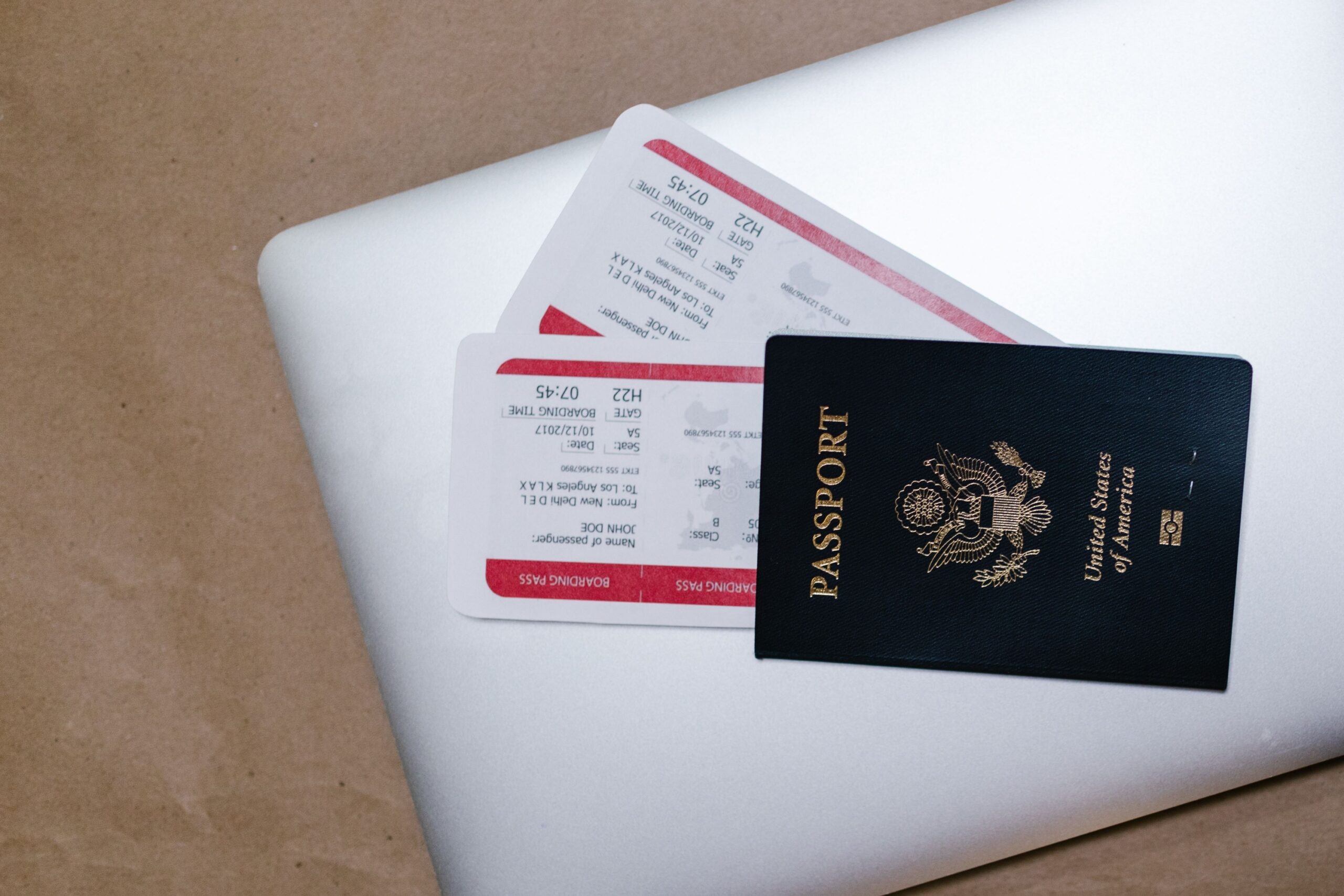

The Myth of the Early Bird Discount

Airlines open their booking windows roughly eleven to twelve months before departure, which can make an early purchase feel like a savvy move. But while airlines release their schedules about a year in advance, you are generally not getting a better deal by booking that far out. In fact, you may pay significantly more. The instinct to lock in a seat the moment flights become available is understandable, but it regularly leads travelers to overpay without realizing it.
The early bird doesn’t always get the worm, especially when it comes to booking flights. Booking more than half a year before your flight actually deprives you of the opportunity to take advantage of discounts and deals that pop up in the weeks and months leading up to departure. That said, booking too early does come with one genuine perk: a wider selection of seats and flight times.
What the Data Actually Says About Domestic Flights

According to the 2025 Expedia Air Hacks Report, the best deals on domestic flights appear when you book 34 to 86 days before travel. Booking in this window can save you up to 25% compared to booking last minute. That’s a meaningful gap, and it directly contradicts the instinct to book the moment flights open.
Analysis from Google Flights backs this up: domestic flight prices are typically at their lowest 21 to 52 days before travel, and on average, flight prices bottom out 38 days before departure. Think of it this way: that’s just over a month out, not six months. Booking a domestic trip in January for a March departure may actually cost you less than booking it in October.
International Flights: The Counterintuitive Sweet Spot
You might assume that it’s always better to book an international flight farther in advance than a domestic one, but some research shows the opposite. Based on Expedia’s data, you’ll get the best prices if you book international travel 18 to 29 days before your trip. That finding surprises almost everyone who hears it.
In a big surprise, one study found that those who book a mere 18 to 29 days before departure saved 17% compared to flyers who booked more than three months out. Expedia found that buying international airline tickets with only 18 to 29 days’ notice can save you 17% compared to booking with at least three months’ advance notice. Of course, not everyone has the flexibility or nerve to wait that close, and factors like visa requirements and accommodation availability also matter.
The Goldilocks Window: Not Too Early, Not Too Late

After nearly a decade of tracking airfare across millions of routes, data points to a clear pattern: booking too early and booking too late both tend to cost more. The sweet spot falls between one to three months before departure for domestic flights and two to eight months for international travel. Travel platform Going refers to this as the “Goldilocks Window,” a term that has caught on precisely because it captures the nuance so well.
The Goldilocks Window is the timeframe that’s “just right”: not so early that you’re paying a premium for planning convenience, and not so late that seats are scarce and prices spike. Think of it as the zone where airlines are still trying to attract bookings without the desperation pricing that comes right before departure. Finding that zone takes a bit of patience, but the savings are real and consistent across multiple data sources.
How Airline Dynamic Pricing Actually Works

Academic research on airline revenue management shows that modern dynamic pricing lets airlines adjust fares repeatedly over the lifetime of a ticket, rather than keeping early prices consistently low. This is the core reason the “book early, save money” logic breaks down. Fares are not set once and then simply held. They move constantly.
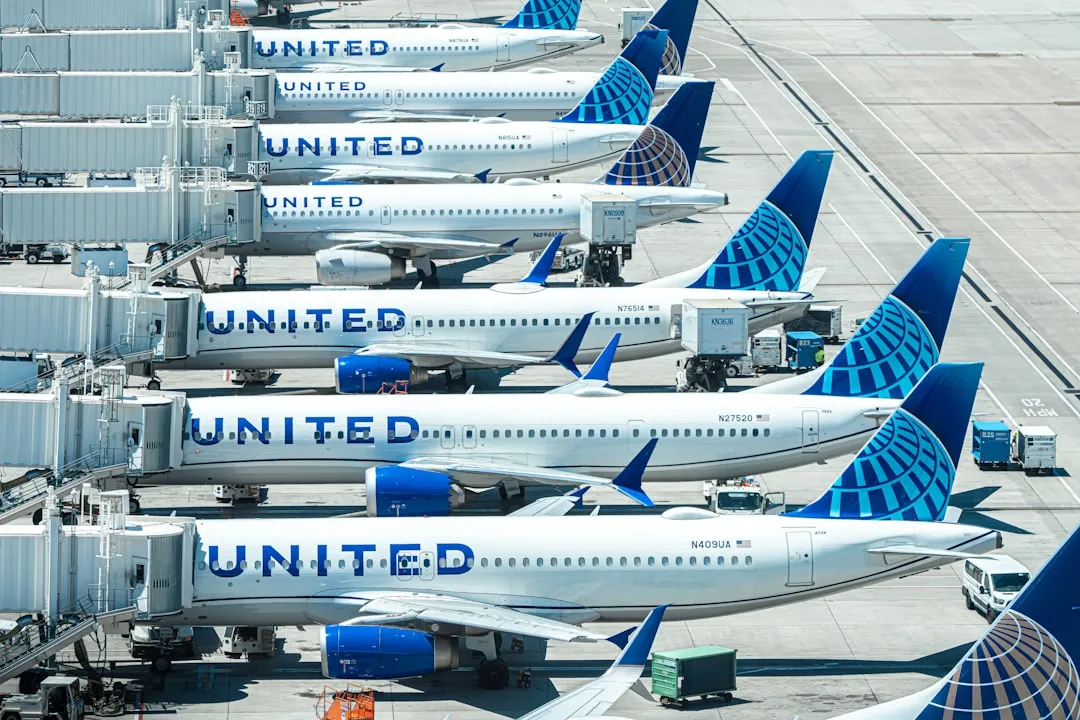
United Airlines has aggressively moved away from old pricing systems and implemented dynamic models driven by machine learning, allowing for real-time pricing changes that react to demand and competitor actions. Many airlines still rely on rules-based systems that automatically adjust prices according to seat availability or booking timelines, with fares increasing as specific inventory thresholds are met or as the departure date approaches. The practical takeaway is that airlines are far better at pricing than most travelers give them credit for.
The Last-Minute Deal: Another Myth Worth Retiring

On the other end of the spectrum sits an equally stubborn myth: that waiting until the last possible moment will force airlines to slash prices just to fill seats. Many people mistakenly believe that prices drop at the last minute because airlines will want to fill unsold seats. That rarely happens; in fact, usually it’s the opposite, as flights are full and travelers looking for a last-minute flight often need to get on that flight regardless of cost.
CheapAir’s annual airfare study found that waiting until the final week can cost up to 59% more than booking in the sweet spot. Research has also observed that airlines commonly bump prices 21, 14, and 7 days before departure, making the final stretch before a trip the most expensive window of all. Award miles are sometimes an exception to this rule, but for cash fares, the math is consistently unkind to last-minute bookers.
Holiday Travel Has Its Own Rules

Airfare peaks about four months from departure for some routes, and waiting could save you around 10%. For domestic airfare around Thanksgiving, the time frame for low prices is 26 to 59 days ahead of travel, with the lowest prices falling 45 days out. Planning holiday travel is where most travelers feel the most pressure to book early, sometimes months and months ahead out of genuine anxiety about availability.
According to Google Flights, October is the best time to book holiday flights. That’s a specific, actionable data point. Booking your December holiday travel in October, rather than in July, is likely to get you a better price. It runs against the grain of conventional wisdom, but it’s what the numbers consistently show.
The Day You Fly Matters More Than the Day You Book

The day you fly matters more than the day you book. Tuesday, Wednesday, and Saturday are usually the cheapest days to fly. This is a meaningful distinction that often gets lost in conversations about booking strategy. Shifting your departure by even one day can produce noticeable savings without requiring any elaborate timing strategy.
Flying on Monday, Tuesday, or Wednesday is 13% cheaper than flying on Friday, Saturday, or Sunday. This discount is even more pronounced when looking at domestic flights only, where you can save 20% by flying on a Monday, Tuesday, or Wednesday versus a weekend. When you combine smart departure-day selection with booking inside the Goldilocks Window, the savings stack up in a way that no single tactic alone can match.
There Are Genuine Exceptions to the Rule

Some trip types genuinely do require booking further in advance, not necessarily for price, but for availability. Aurora borealis viewings in Nordic countries, Alaska, and Iceland require booking four to ten months in advance. If you want to experience the Cherry Blossom Festival season, booking your flights four to ten months in advance for Japan destinations is also advisable. These are cases where demand is tied to a narrow, predictable natural window, and seats genuinely disappear.
Booking far in advance might not save you money, but planning ahead could have other advantages, like being able to select multiple seats together for your whole family. If seating logistics, specific routes with limited frequency, or time-sensitive events are your priority, early booking still makes sense as a planning decision. Just don’t expect it to automatically translate into the lowest fare.
What Smart Travelers Are Doing Instead

The Points Guy advises travelers to book one or two months ahead of time for domestic flights and three to five months ahead of time for international flights. That range aligns closely with what Expedia, Google Flights, and Going all recommend, which is reassuring in a space full of conflicting advice. Setting a fare alert for your route and monitoring it across that window is now far easier than it used to be.
Expedia’s 2025 Air Hacks report says Sunday is the best day to book travel, though the difference between days is modest compared to the impact of how many weeks out you book. The most effective approach in 2026 is a combination of timing, flexibility on departure days, and a willingness to set alerts rather than panic-buying the moment a route becomes available.
The Takeaway

The belief that booking months in advance guarantees the lowest fare is not just a harmless myth. It can cost travelers real money, sometimes hundreds of dollars on a single ticket, while giving them a false sense of having done the savvy thing. The evidence from Google Flights, Expedia, CheapAir, and Going all points toward the same conclusion: there is a window, and it is far closer to departure than most people expect.
Responsible travel planning means understanding not just where you’re going, but how to get there wisely. The best airfare strategy is built on patience, data, and a bit of flexibility. Book too early and you’re paying for the privilege of certainty. Book too late and you’re paying for the privilege of desperation. The sweet spot, as it turns out, has been sitting quietly in between all along.
AI Disclaimer: This article was created with the assistance of AI tools and reviewed by a human editor.