
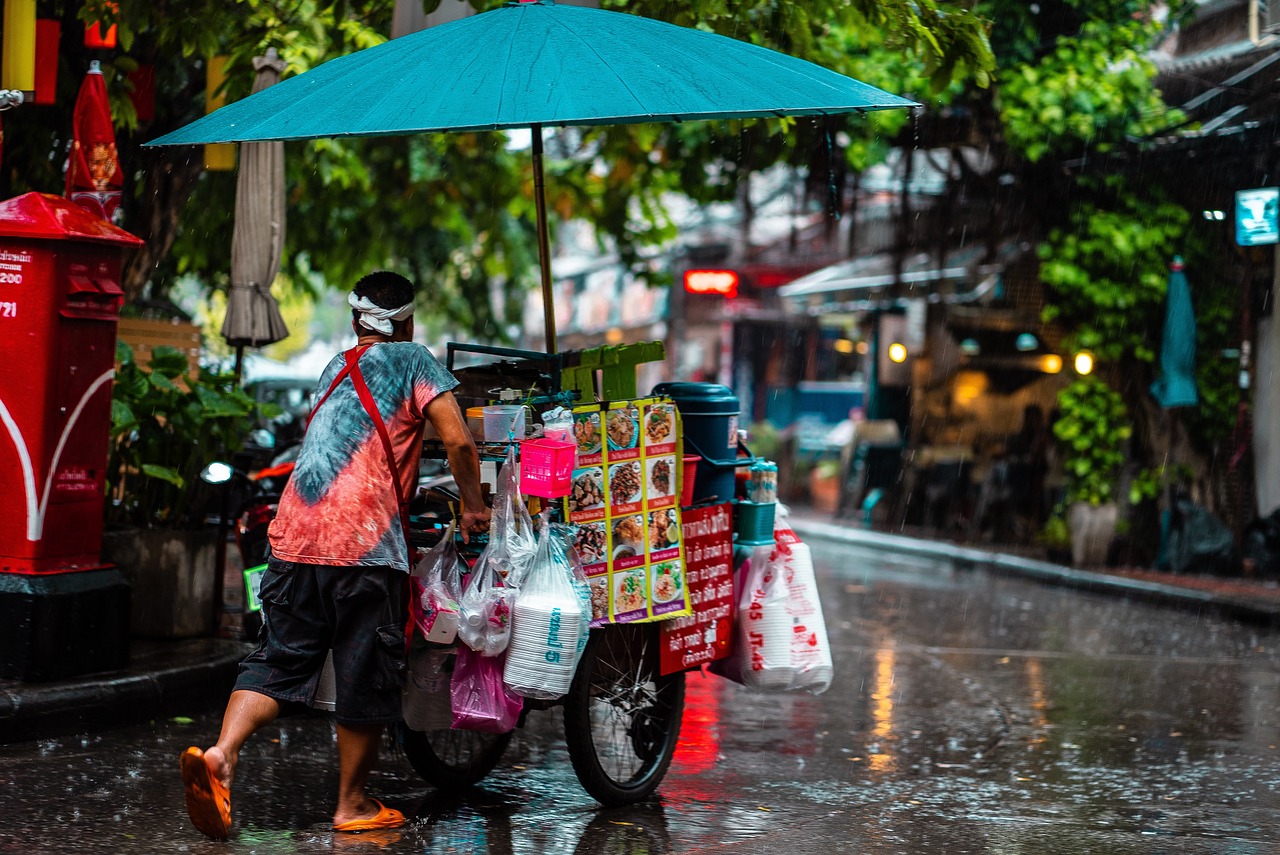

A Market That Feeds the World, One Family at a Time
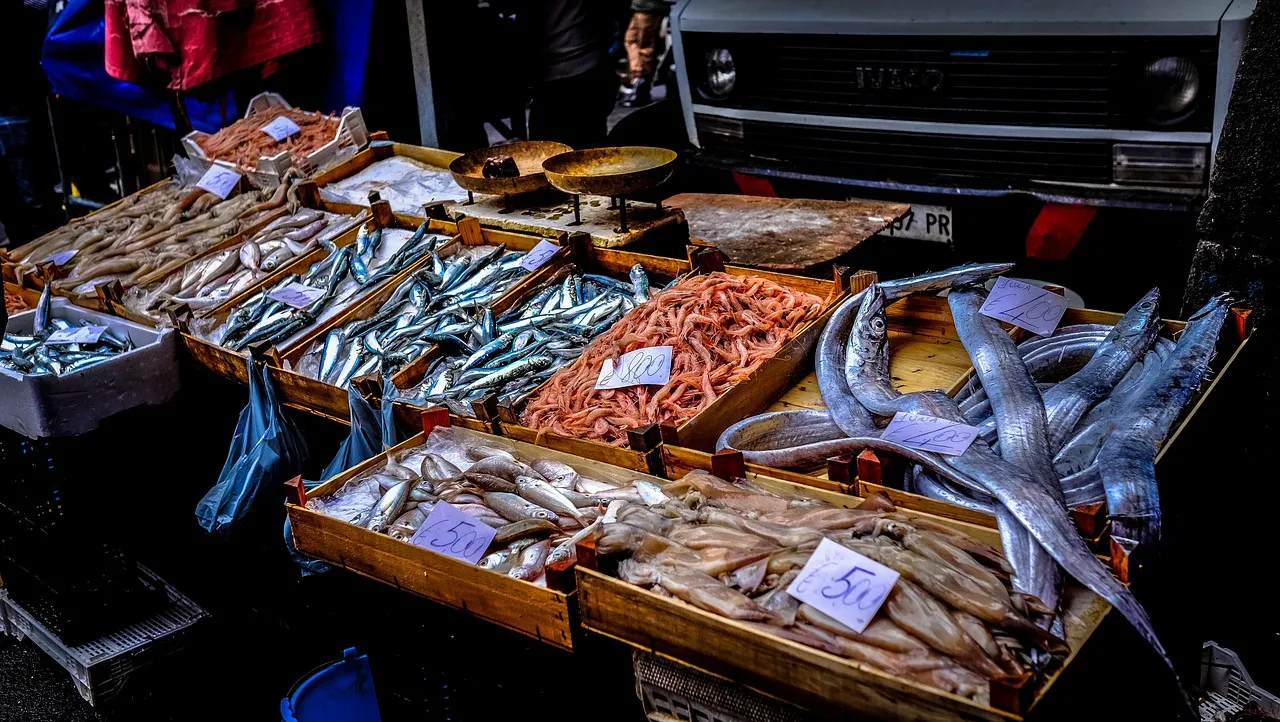
The global street food market was valued at USD 249.55 billion in 2024 and is projected to expand at a compound annual growth rate of 8.5% through 2032. That is a staggering number for an industry that, at its core, still often runs on a single family’s knowledge of a single dish.
2024 was a positive year for street stalls and kiosks, with their popularity emerging from a shift in consumer preferences toward variety, innovation, authenticity, and casual dining at affordable prices. Yet for multi-generational vendors, authenticity isn’t a trend to chase. It’s simply what they’ve always done.
The Ancient Roots of the Open-Air Stall
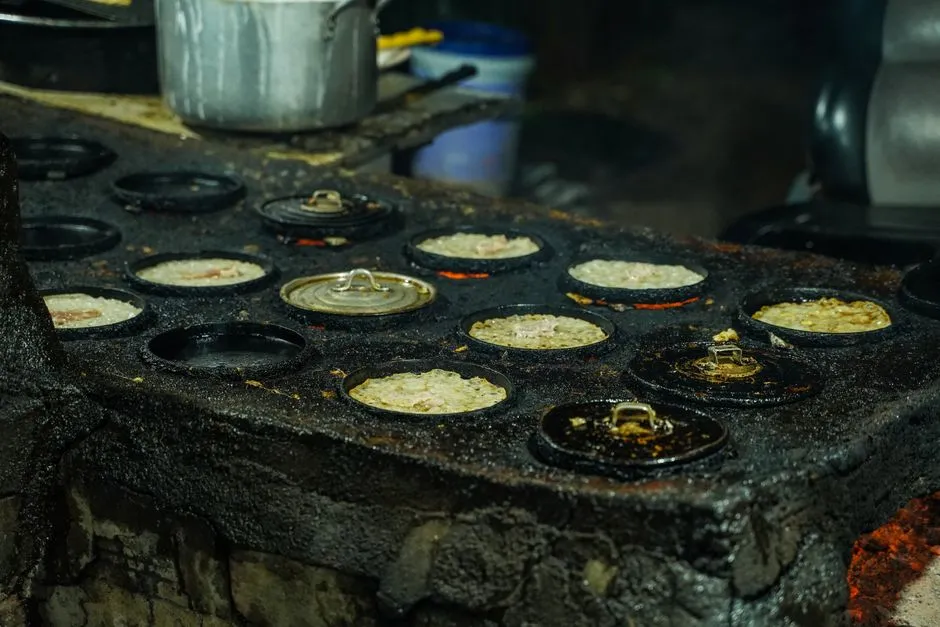
Street food has existed since the dawn of civilizations, with the earliest urban spaces witnessing vendors selling breads, olives, and meats in bustling marketplaces. In ancient Rome, thermopolia served ready-to-eat food, and archaeological evidence from Pompeii reveals these establishments on nearly every street corner, patronized by Romans of all social classes.
Street food vendors have long relied on recipes and techniques handed down through generations, ensuring that traditional flavors are preserved for future generations. These age-old practices are a vital link to the past, providing continuity in a rapidly changing world. By maintaining these culinary traditions, street food serves as a living archive of cultural heritage.
Family Ownership as the Backbone of the Stall Economy
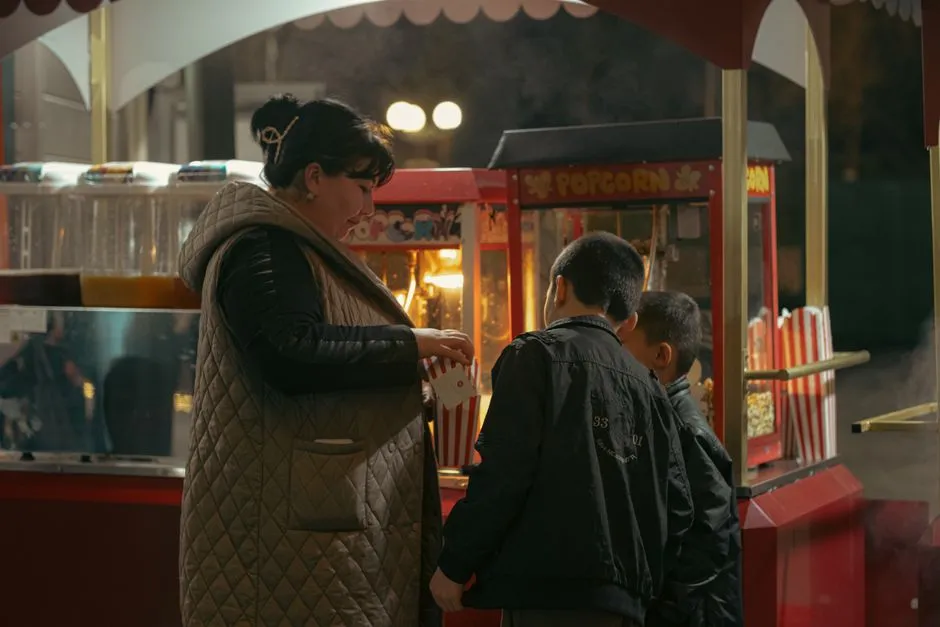
The street food industry protects traditional recipes that run through ancestry lines. Food stalls are often owned and handled by a family, making the business an opportunity for multiple generations in the present and the future. Current generations are able to learn about where they have come from and where their country is going, culturally and socially.
As people moved across the globe, they carried their culinary heritage with them. Setting up food stalls or carts often provided a vital economic foothold in a new land, while also serving as a way to preserve cultural identity and connect with others from their homeland. Over time, these immigrant dishes often weave themselves into the fabric of their new cities, enriching the local street food scene immeasurably.
Singapore’s Hawker Culture: A Civic Institution Built on Inheritance
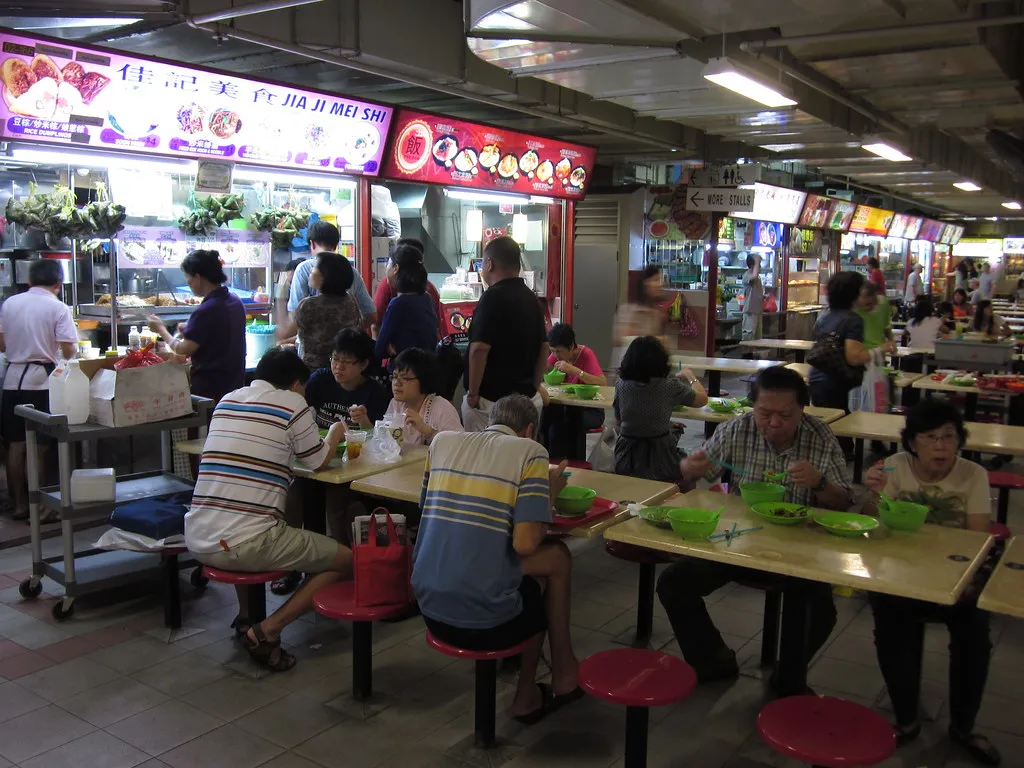
Few cities have elevated street food into a national ethos quite like Singapore. The island-state’s hawker centres, sprawling open-air food courts anchored by hundreds of individual stalls, are more than just a convenience. They’re a civic institution. UNESCO’s inscription of hawker culture as Intangible Cultural Heritage in 2020 formalized what locals have long known: that shared tables, affordable plates, and multicultural recipes are the backbone of everyday life here.
Many of Singapore’s most celebrated hawker stalls are second or third-generation operations. The child who once stood beside a parent watching woks flare is now the one holding the ladle, often fiercely protective of the original recipe. That continuity is precisely what UNESCO recognized.
Egypt’s Koshary Stalls and the Meaning of Everyday Inheritance

In Egypt, koshary is not a trend or a novelty. It is a daily, familiar constant, served in bustling downtown shops, eaten in quiet homes, and shared across neighborhoods where people may disagree on politics but rarely dispute comfort food.
On December 10, 2025, UNESCO inscribed “Koshary, daily life dish and practices associated with it” on the Representative List of the Intangible Cultural Heritage of Humanity. Koshary is sustained not only by recipes but also by people: cooks, vendors, supply chains, and the informal knowledge that moves through families and workplaces. The stalls selling it are rarely new ventures. Most have a family name attached, and a family history running behind the counter.
How Migration Wrote New Chapters Into Old Recipes
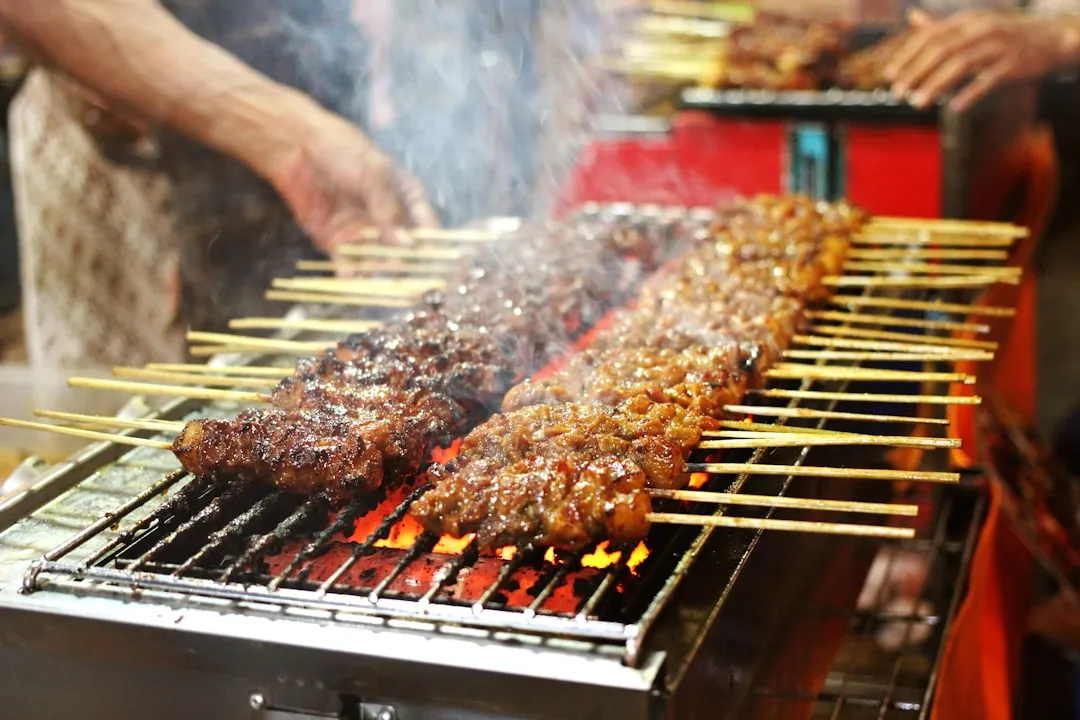
When indentured laborers from India arrived in Trinidad, they brought roti-making skills that merged with Caribbean ingredients to create doubles, a street food now synonymous with Trinidadian identity. In Vietnam, French colonialism introduced baguettes, which Vietnamese vendors transformed into bánh mì by filling them with local ingredients like pickled vegetables, coriander, and pâté. These fusion dishes tell migration stories more accurately than any history book.
What makes these stories remarkable is how precisely they survive. A family selling doubles in Port of Spain today may trace their recipe back through three generations. The colonial disruption that created the dish is now, generations later, a source of pride and livelihood.
UNESCO Recognition and the Global Push to Protect Culinary Lineage
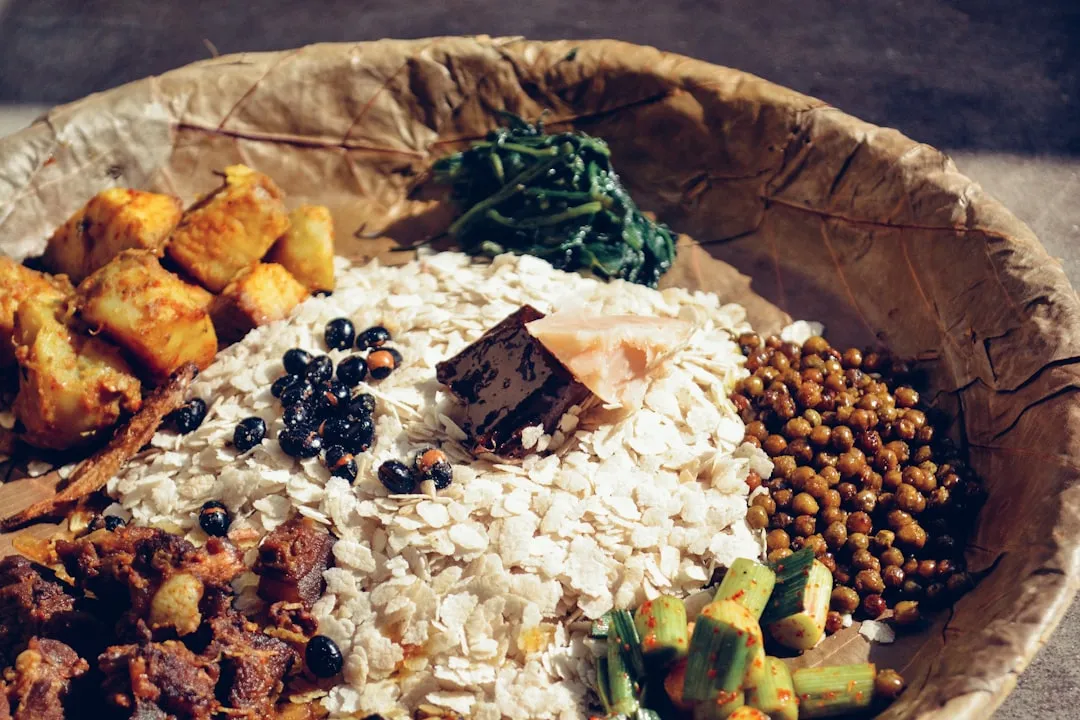
Italian cooking was officially recognized as an “intangible cultural heritage” by UNESCO on December 10, 2025, joining French gastronomy, Mexican cuisine, and Japanese washoku cuisine on UNESCO’s list of global cultural gems.
In December 2024, UNESCO announced 11 new food-related additions to its prestigious Intangible Cultural Heritage of Humanity list, recognizing centuries-old gastronomic practices that have shaped communities worldwide. These designations matter for street food families because recognition brings protection, visibility, and often, a new generation willing to carry the tradition forward rather than walk away from it.
The Economics Behind the Generational Commitment
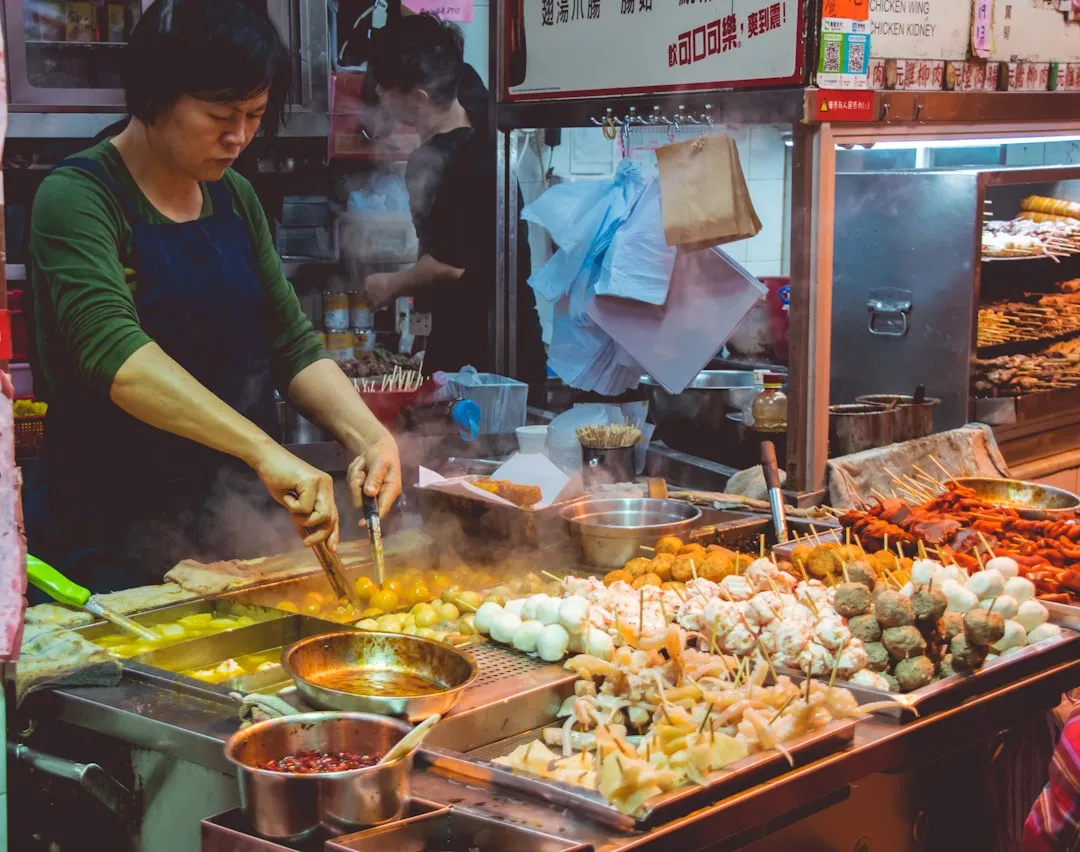
Roughly more than half of consumers worldwide visit street food stalls multiple times a month. About a third of dining choices are influenced by inflation, making street food’s economical pricing a key success factor. For a family that has run a stall for decades, this is the kind of steady, loyal demand that makes passing the business on a rational as well as emotional decision.
Street foods are not only appreciated for their unique flavors, convenience, and affordability; they also contribute to the economy of the country, the perseverance of cultural and social heritage of society, as well as the potential for maintaining and improving the nutritional status of populations. A family stall, viewed through that lens, is genuinely more than a food business. It’s a piece of social infrastructure.
The Quiet Pressures Threatening Generational Continuity
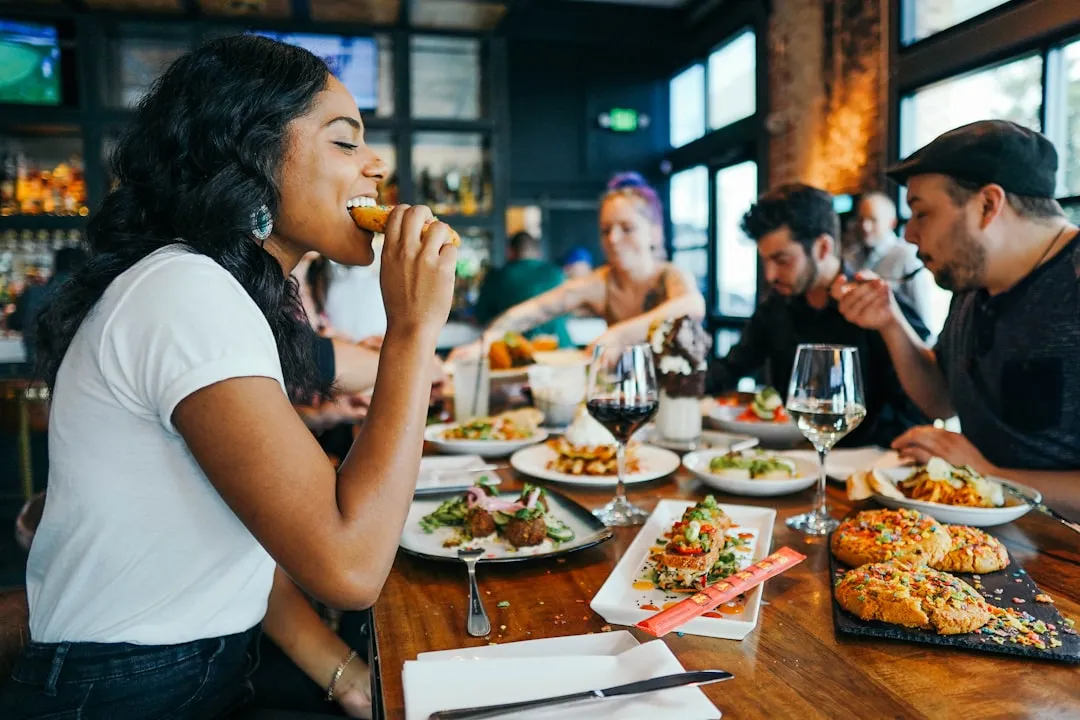
Not every family’s next generation wants to inherit the ladle. Rising urban rents, long working hours, and the lure of other careers put real pressure on these businesses. Traditional family-run food businesses, long the backbone of community dining, face a harsh economic climate in a market increasingly polarized between premium and budget options.
Mobile ordering, AI, and delivery platforms are transforming street food operations, and adapting to those tools while protecting the essence of a century-old recipe is a genuine tension. Families that manage it well tend to keep their stalls alive. Those that resist entirely risk losing their audience to newer, more visible competitors.
Why the Story at the Stall Matters as Much as the Food
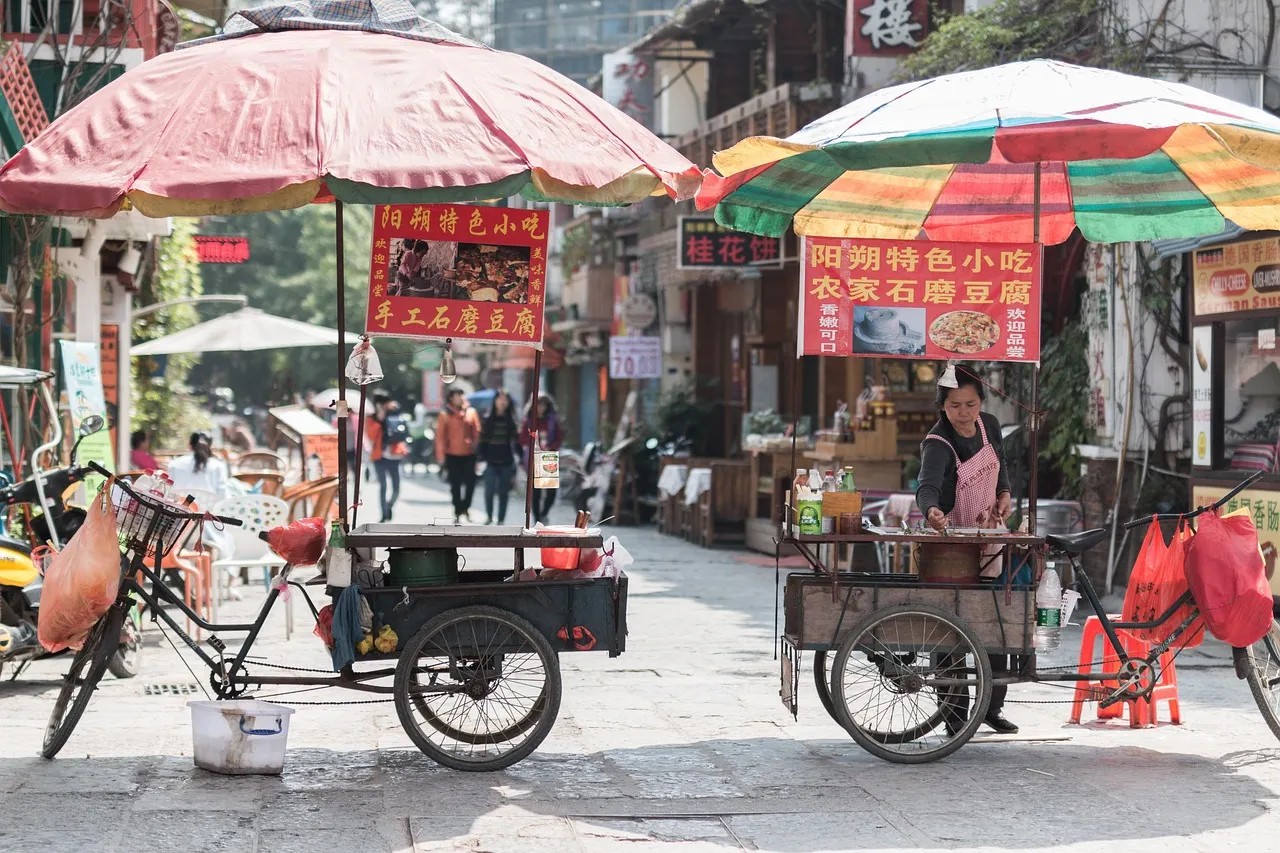
In an increasingly globalized world, street food plays a crucial role in preserving cultural heritage and traditions. From the preservation of ancient cooking techniques to the passing down of secret family recipes, street food vendors serve as custodians of culinary history, ensuring that the flavors of the past continue to thrive in the present.
This is exactly what UNESCO describes: food as collective ritual, born from community life, not from a formal setting. Here, recipes travel by word of mouth, and the recipe book is the memory of the people behind the stalls. When you ask a vendor how they learned their craft, the answer is rarely a cooking school. It’s almost always a name. A grandmother. A father. An aunt who woke before dawn every morning for thirty years.
The Takeaway
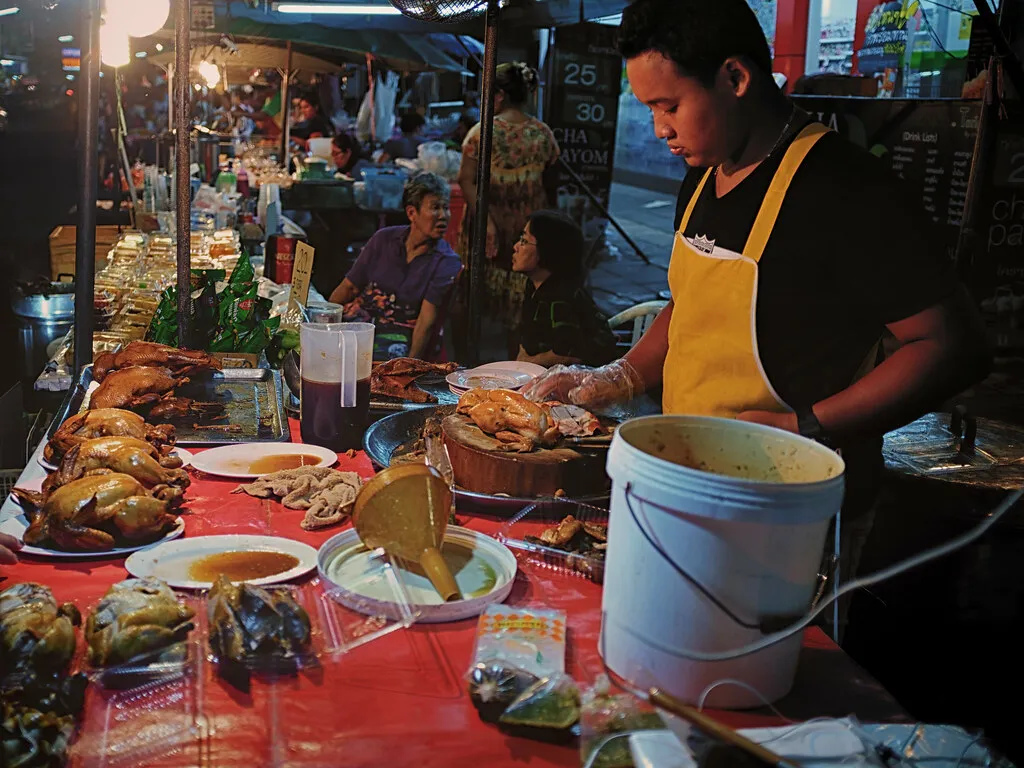
A street food market is easy to pass through quickly, eyes on your phone, food in hand. Slow down, though, and the stalls start to reveal themselves differently. The worn edges of a cart, the particular way a vendor folds a wrapper, the spice blend that smells oddly like somewhere far away. These are not accidents of commerce. They are the accumulated decisions of families who chose, generation after generation, to keep something alive.
The next time you eat at a stall that’s been there longer than you’ve been alive, you’re not just having lunch. You’re part of a chain that stretches back further than any menu can explain. That’s worth a moment of genuine appreciation, perhaps more than a five-star review.
AI Disclaimer: This article was created with the assistance of AI tools and reviewed by a human editor.