

The Arrival Numbers Tell a Real Story
Lombok is experiencing a dramatic tourism resurgence, with total visitor arrivals surging over fifty-one percent compared to pre-pandemic levels. The island welcomed more than 3.6 million tourists in 2024, marking a significant milestone in its evolution from Bali’s quieter neighbor to a destination in its own right.
This growth reflects Indonesia’s broader tourism boom, which saw 13.9 million international visitors nationwide in 2024, a nineteen percent year-over-year increase. Still, Lombok’s growth feels different from a typical rush. The appeal is slower, quieter, and more deliberate.
The provincial tourism office projects 2.5 million domestic and international tourist arrivals across Lombok and neighbouring Sumbawa Island in 2025. Momentum is clearly building, though the island still retains a sense of space that many travelers are actively seeking out.
A Destination That Stands on Its Own
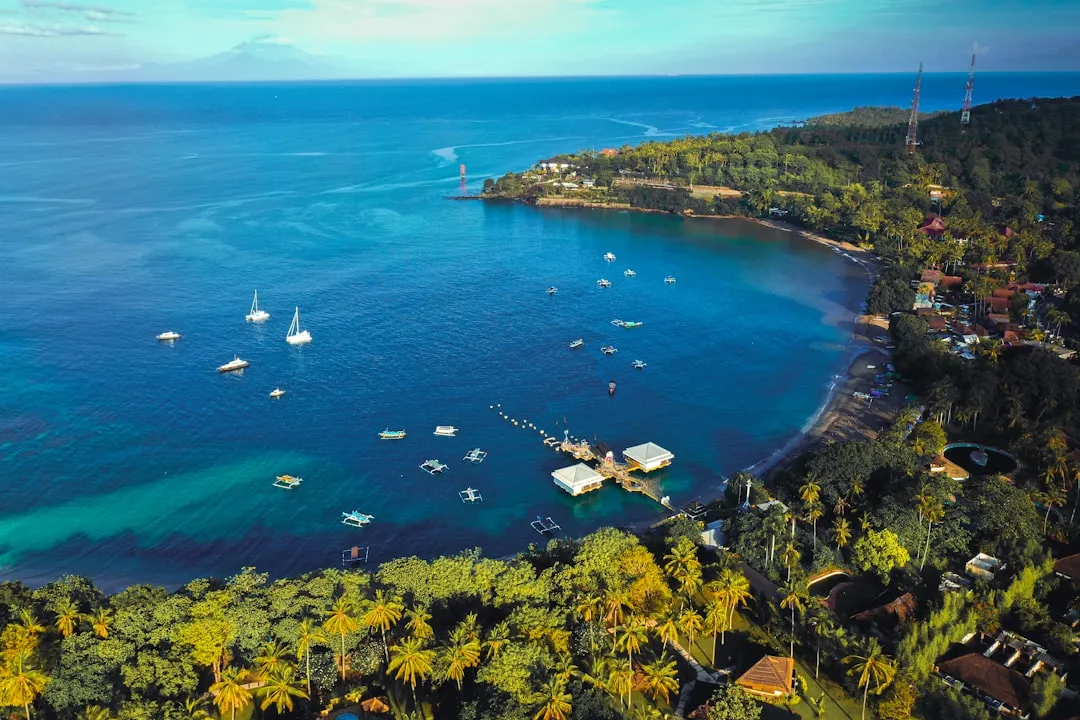
Beyond Bali, Lombok is rapidly gaining attention as Indonesia’s next big tourism hotspot. Offering rugged coastlines, world-class waves, and a slower pace of life, the island is increasingly seen as a premium alternative to Bali.
Lombok enchants with untouched beaches, emerald rice terraces, and waterfalls like the striking Tiu Teja. The landscape is genuinely varied, which helps slow travelers settle in rather than tick off a list of highlights.
The Indonesian Tourism Master Plan identified Lombok as one of the few Indonesian destinations capable of offering a complete tourism experience within one island. That assessment has held up. You can hike a volcano, swim a turquoise bay, eat in a family warung, and observe centuries-old weaving traditions, all without leaving.
Mount Rinjani: The Trek That Changes People
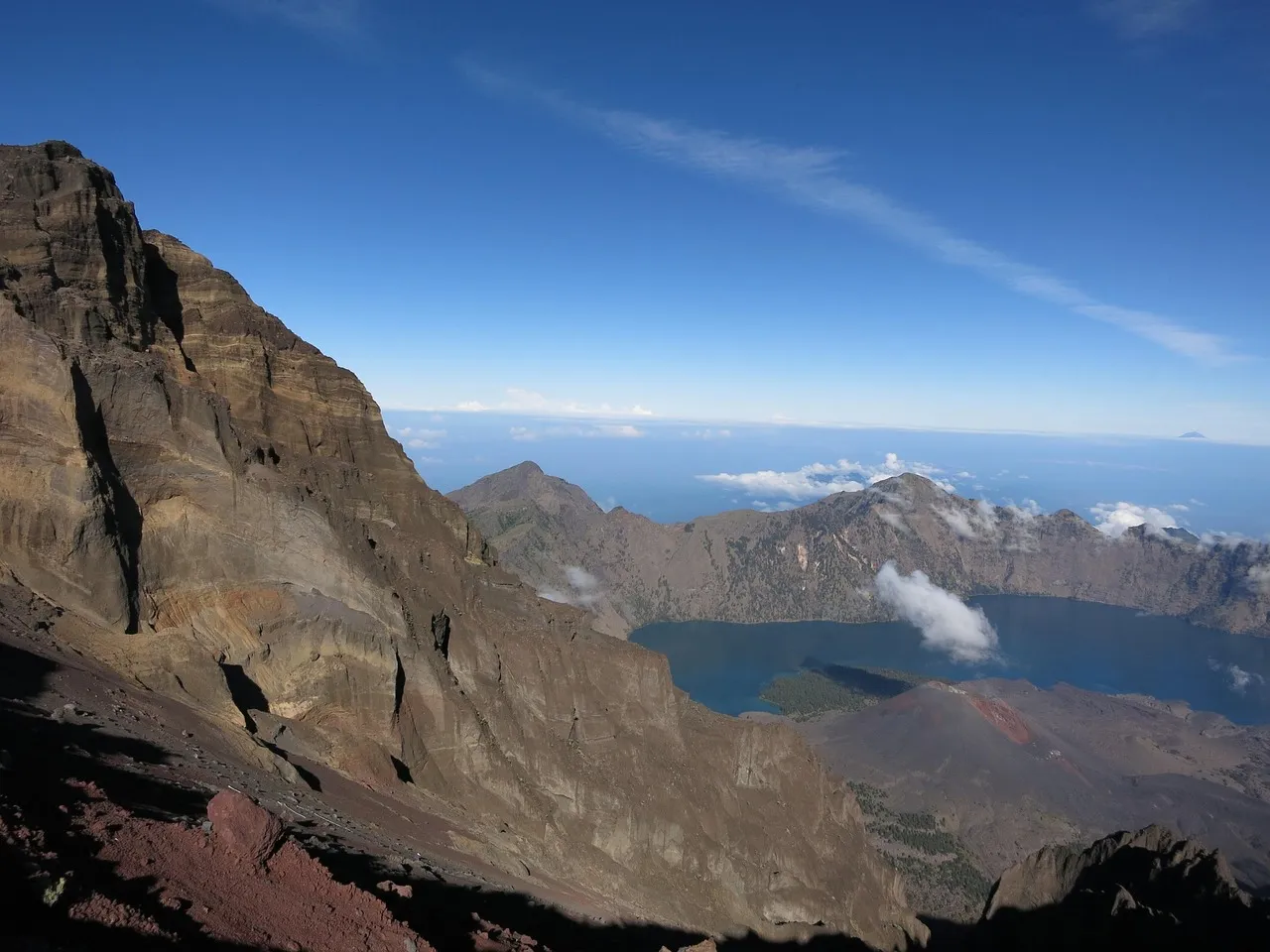
Mount Rinjani, Indonesia’s second-highest volcano, has become Lombok’s most visited natural attraction in 2025, reflecting the global rise in nature and adventure tourism. The summit sits at over 3,700 meters, and the caldera lake below it ranks among the most visually arresting sights in the entire archipelago.
Tour operators offer routes from two-day summit treks for time-limited visitors to three-day routes that include Segara Anak lake and hot springs. Each trek is guided by trained professionals and supported by local porters who share knowledge of the Sasak people’s traditions.
Mount Rinjani’s trekking routes close annually for three months from January, due to seasonal weather hazards and ecological recovery efforts. The closure affects all six main trails including those in Senaru, Sembalun, and Central Lombok. This annual pause ensures hiker safety amid heavy rains and landslide risks and allows for critical trail maintenance. Plan around it, and the reward is entirely worth it.
Sasak Culture: The Living Heart of the Island

Lombok’s cultural heritage lives on in traditional Sasak villages such as Sade, Ende, Sukarara, and Banyumulek. These villages showcase authentic architecture, handwoven tenun textiles, and locally crafted pottery that have been preserved for generations.
Visitors can watch women weaving songket, learn about traditional marriage customs, and buy handicrafts directly from artisans, supporting the local economy and helping preserve Lombok’s cultural heritage. This is not a performance staged for tourists. It is daily life, and the distinction matters.
Lombok’s Sasak weaving villages such as Sade and Ende showcase authentic craftsmanship passed down for generations. Islamic and Balinese influences are preserved through architecture, festivals, and daily life. Walking through these communities offers a window into a way of living that remains remarkably intact.
Tetebatu and the Interior Villages
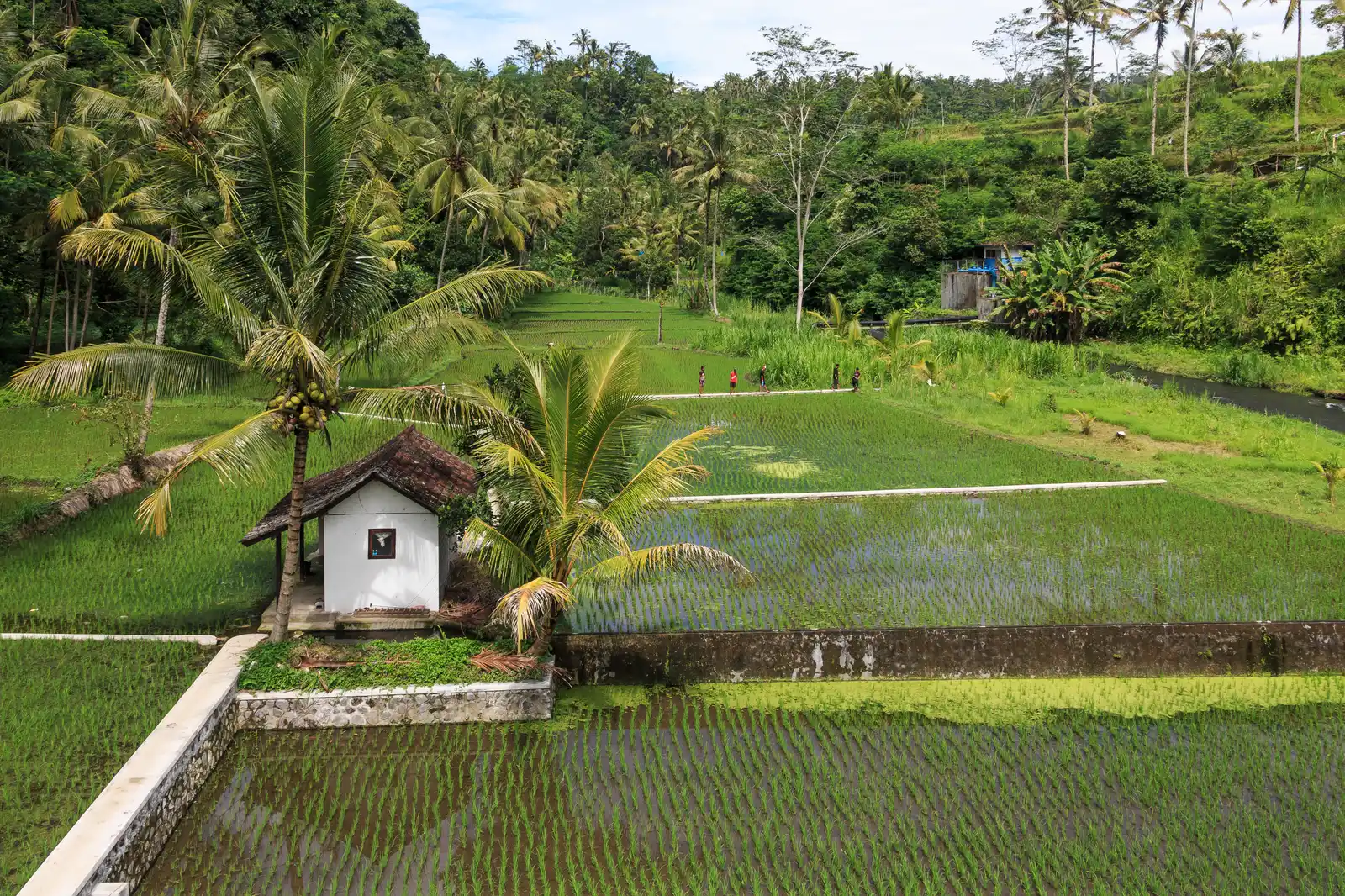
Tetebatu offers Sasak village life and waterfalls, while Sembalun Valley’s scenic hills reward those who choose to hike them. These inland areas are where slow travelers tend to plant themselves for days at a stretch, and it’s easy to understand why.
In Tetebatu, visitors can walk through rice fields, visit local coffee plantations, or join a cooking class with a Sasak family. The combination of culture and nature makes it a must-visit for travelers seeking genuine experiences.
The villages around Tetebatu move at a rhythm that feels genuinely restorative rather than artificially slowed down for tourist consumption. Mornings arrive with mist over the rice fields and the sound of roosters, not motorbike tours.
The Gili Islands: Three Very Different Moods
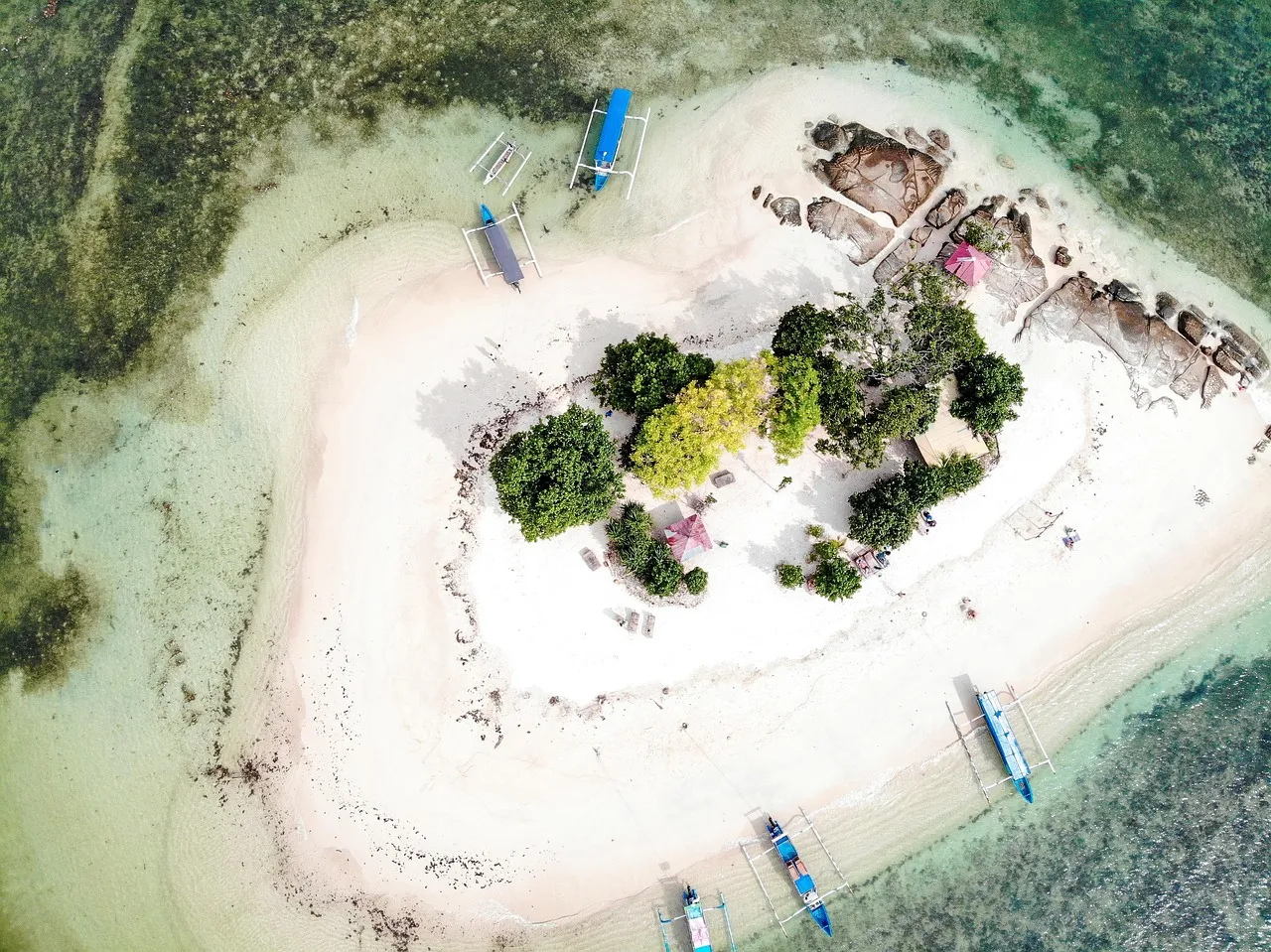
The three Gilis, Gili Trawangan, Gili Meno, and Gili Air, are garnering consistent prominence. According to Travel + Leisure, the Gili Islands emerged among the most searched travel destinations on Google by users in the U.S. in 2024.
Gili Meno, the smallest and quietest of the three, is a romantic escape with beautiful beaches, secluded resorts, and a relaxed atmosphere. Gili Air has a laid-back feeling with boutique accommodations, yoga studios, and beach cafes while still maintaining a social feel.
For those seeking a quieter and less-developed island experience, the “secret” Gili islands, including Gili Nanggu, Tangkong, Sudak, and Kedis, offer pristine beaches and calm waters. These small islands have limited facilities, making them better suited for day trips rather than overnight stays. For slow travelers who’ve already seen the main Gilis, these smaller ones offer real solitude.
The South Coast and Its Surf Beaches
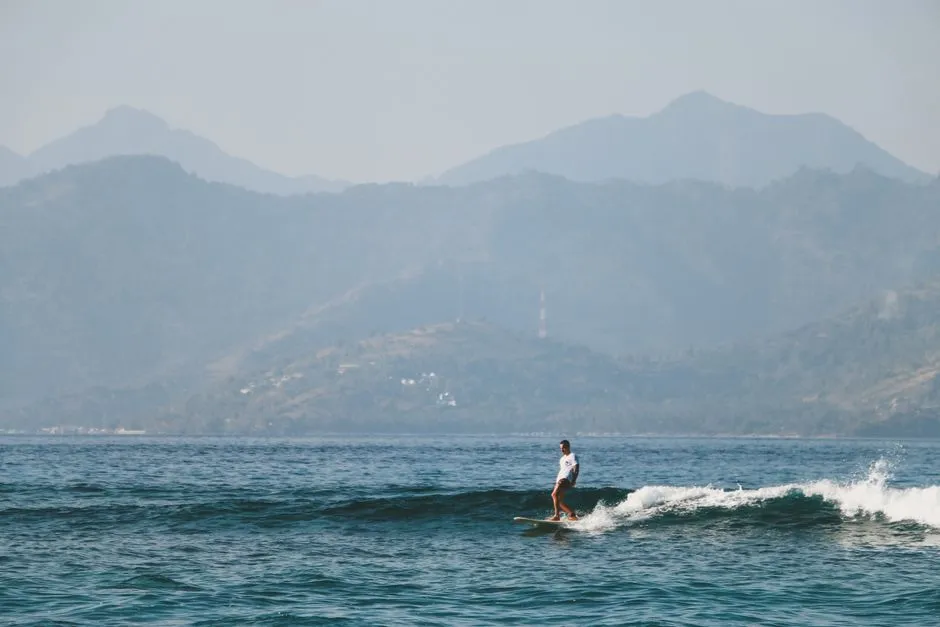
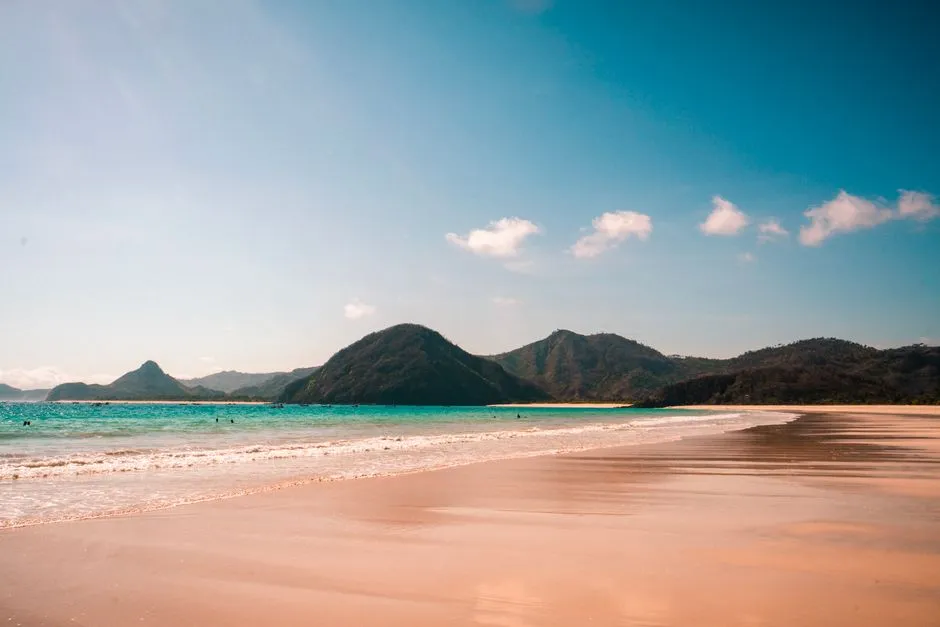
Lombok’s southern coast is lined with sheltered white-sand beaches that come with sensational waves. Kuta Lombok is the top surfing hub, while Selong Belanak has gentle waves that are especially suitable for beginners. Pantai Mawi has strong currents that will challenge and delight advanced surfers.
Beyond development zones, Lombok retains its charms with pristine hidden beaches like Serangan, Mawi, and Mawun offering tranquil escapes away from crowds. Waterfall lovers can explore secluded cascades including Tiu Sekeper and Jeruk Manis, accessible via jungle treks.
The southern coast shifts personality every few kilometers. A beach that’s busy with learner surfers in the morning can feel deserted by late afternoon, especially outside peak season. That variability is part of the pleasure.
Sustainable Tourism Taking Root
Lombok is quickly becoming a hotspot for eco-conscious travelers thanks to a surge of new sustainable villas crafted with local materials like bamboo and reclaimed teak. These developments prioritize green energy, including solar power and rainwater systems.
Sustainable tourism efforts in Lombok are designed to enhance local communities, preserve the environment, and share these natural and cultural treasures responsibly. This vision is being realized through the Indonesia Tourism Development Project, an initiative of the Government of Indonesia supported by the World Bank.
By December 2024, projections from the ITDP show that infrastructure improvements will benefit 1.6 million people in Lombok, enhancing sustainable development efforts across the island. The investment is not purely cosmetic. It is reaching communities that depend on a healthy, long-term tourism economy.
Getting There and Getting Around
As 2026 approaches, Indonesia’s rising island destination is preparing for unprecedented tourism growth driven by expanded air connectivity, infrastructure investment, and favorable policy reforms. For travelers, investors, and local communities alike, the changes underway promise to reshape Lombok’s position in Southeast Asia’s competitive tourism landscape.
The island’s international airport is expanding its reach with new flight routes linking Lombok directly to major Asian cities and Australia. For those who prefer the scenic approach, fast ferries from Bali depart from ports like Sanur or Padang Bai.
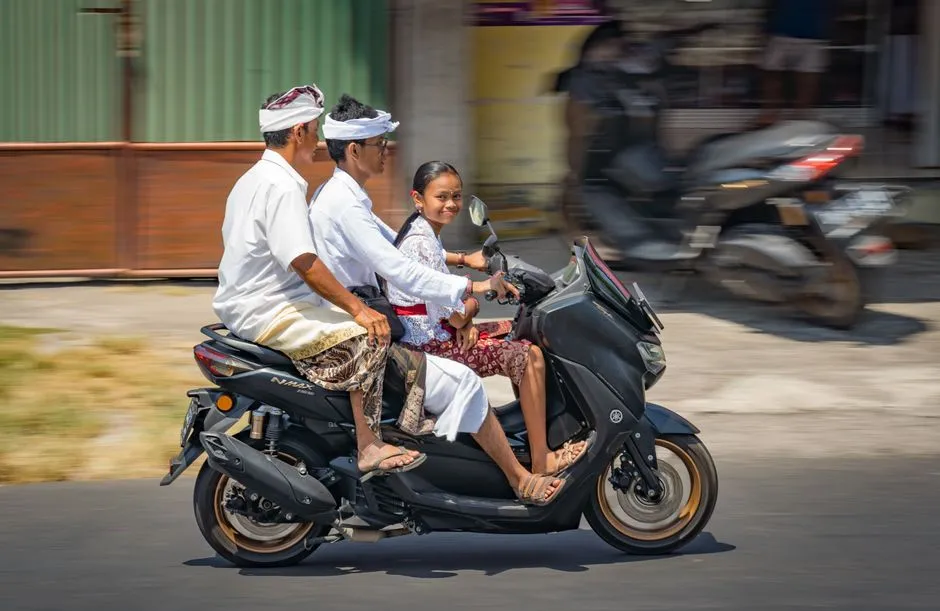
Scooter rental is extremely common, affordable, and offers the most flexibility for getting around. Unlike Bali, Lombok has no ride-hailing apps, so two wheels remain the most practical option. The roads are generally quiet, excellent quality, and the pace of driving is unhurried. That last detail alone says a lot about the island’s temperament.
When to Go and How Long to Stay
The shoulder season, which includes April, May, and October, offers a good balance between cost and weather. During these months, there is less rainfall than the wet season, and tourist crowds haven’t reached their peak or are starting to thin out. Prices for flights and accommodations are moderate, making it a good time to enjoy Lombok without dealing with peak season crowds.
For first-time visitors, spending around six to eight days in Lombok is recommended. This gives enough time to visit many of the main attractions independently or with organized tours. Slow travelers, almost by definition, tend to stay longer. The island rewards that patience.
There is something to be said for an island that doesn’t feel like it’s rushing you out. Lombok has a generous quality to it. The more time you give it, the more it offers back.
A Quiet Confidence
AI Disclaimer: This article was created with the assistance of AI tools and reviewed by a human editor.