
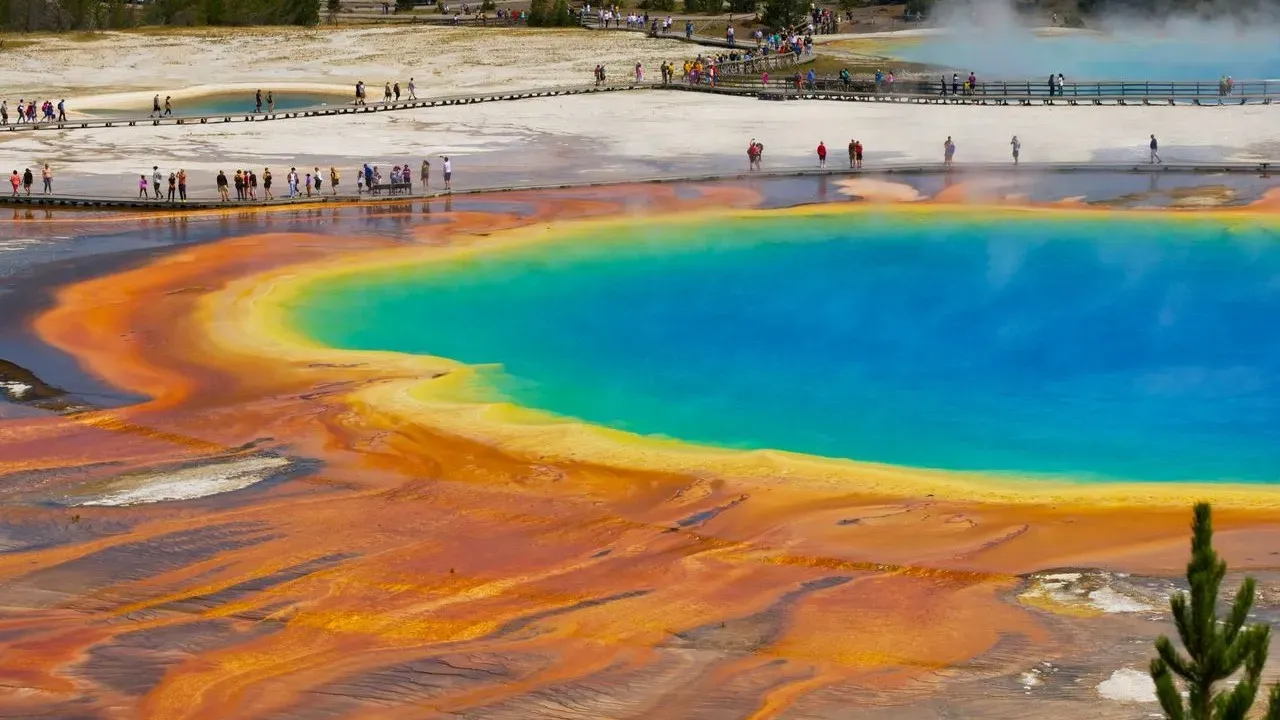

Across the country, travelers are turning to search engines in greater numbers to learn about protected landscapes that have shaped the American experience for generations. A fresh look at online query data places Yellowstone National Park at the forefront of that interest, with more searches than any other site in the system over the past twelve months. The finding arrives alongside a documented rise in attention to the nation’s wild places, suggesting that many people are once again drawn to the idea of spending time in these shared public lands. ([1])
A Landscape That Invites Repeated Discovery
Yellowstone’s scale and variety set it apart even among its peers. The park spans three states and encompasses geothermal features found nowhere else on the same scale, from the predictable eruptions of Old Faithful to the vivid mineral terraces that change with every shift in light. Bison herds move across open valleys, while wolves and grizzlies remind visitors that this remains a functioning ecosystem rather than a curated exhibit.
Those who return year after year often speak of noticing new details on each visit: the way steam rises differently after a snowfall, or the subtle shift in wildflower timing from one season to the next. Such layers of experience help explain why the park continues to hold attention long after the first photograph is taken.
Signs of Renewed Attention to Public Lands
Search interest in national parks overall has climbed noticeably in recent months. The increase coincides with National Park Week and comes as many families and individuals look for ways to connect with nature that feel both accessible and meaningful. Data compiled for the occasion showed a 27 percent rise in queries related to these destinations, pointing to a wider appetite for time spent outdoors.
This pattern matters because national parks belong to everyone. When more people seek information about them, it often translates into greater support for their care and for the communities that border them. The trend also underscores how these places serve as anchors for both recreation and quiet reflection in a fast-moving world.
Practical Steps for a Considerate Visit
Those planning a trip can begin by checking current conditions and reservation requirements well in advance. Entrance fees remain modest for most parks, and certain dates, such as the August observance of the National Park Service’s anniversary, offer fee-free entry as a way to encourage broader participation.
Travelers who approach these visits with preparation tend to have more rewarding experiences. Simple choices, like traveling during shoulder seasons, sticking to established trails, and learning basic wildlife safety guidelines, help protect both the landscape and fellow visitors. Local outfitters and park rangers often provide the most reliable guidance on how to move through these environments respectfully.
Looking Ahead With Purpose
The sustained interest in Yellowstone and its counterparts suggests that Americans continue to value these spaces as part of the national identity. As more people seek them out, the opportunity exists to deepen that connection through mindful travel that supports conservation and nearby communities alike. In that sense, the surge in searches may mark the beginning of many future journeys rather than an end in itself.
AI Disclaimer: This article was created with the assistance of AI tools and reviewed by a human editor.