
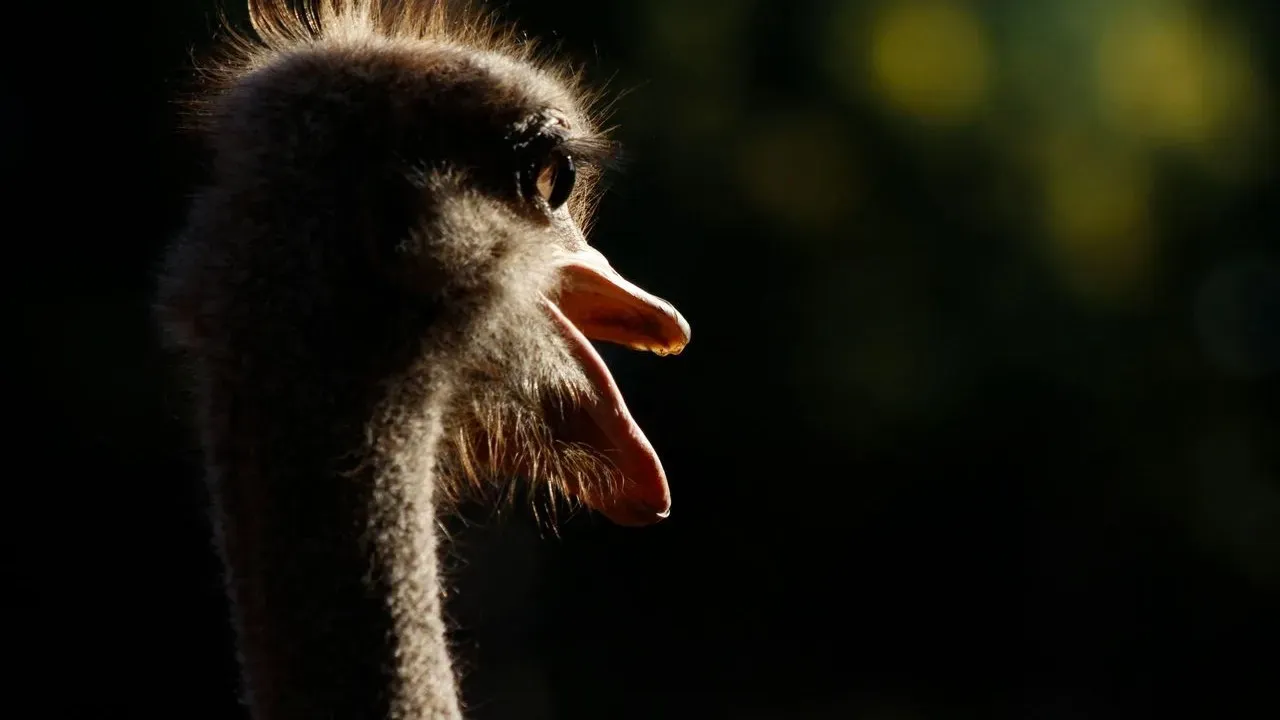

Danville, Kentucky – Brent Williams developed a severe allergy to red meat after repeated tick bites, yet his craving for a proper burger never faded. Four years ago, a friend’s suggestion to raise ostriches gave him both a practical solution and a new livelihood at Alpha Roost Farms. The result is a growing agritourism draw where visitors can learn about these remarkable birds and sample meat that many with similar allergies describe as the closest thing to beef they have tasted in years. ([1])
A Personal Path to Ostrich Farming
Williams, a nutritionist who spent much of his life on livestock farms, received his diagnosis seven years ago after a sudden reaction to a steak sandwich. The condition, known as alpha-gal syndrome, leaves those affected unable to tolerate meat from mammals while poultry and seafood remain safe. Ostrich, though a large flightless bird, produces meat that is red, iron-rich, and similar in flavor and texture to beef. When Williams first cooked an ostrich steak at home, the experience brought back memories he thought were lost. He now partners with farm owner W.D. King to raise more than 400 birds, with plans to reach 700 by next year. The operation recently added a new barn for hatchlings, reflecting steady expansion driven in part by demand from people seeking safe alternatives.
Why Ostrich Meat Appeals to So Many
Ground ostrich sells for more than twenty dollars a pound, with premium cuts exceeding forty dollars, yet buyers travel across Kentucky and beyond to obtain it. At local markets such as Dry Branch Farm in Danville, customers report genuine relief at finding a product that satisfies long-missed cravings without triggering symptoms. The Alpha-Gal Association lists ostrich among recommended substitutes. Larger operations, including Clark Ostrich Farm in Texas with roughly 1,200 birds, report weekly inquiries from restaurants and stores in unexpected regions. This interest has prompted several producers to increase their herds in the coming year.
Experiencing Ostrich Farms as Agritourism
Alpha Roost Farms and similar operations welcome visitors interested in the birds’ care, free-range needs, and the story behind the meat. Travelers can observe the nine-foot-tall animals, learn about sustainable raising practices, and purchase fresh cuts directly. Such visits offer a tangible connection to a niche American agricultural story that blends personal resilience with practical innovation. The current wave of interest follows an earlier boom-and-bust cycle in the 1990s, when inexperience led to overstocking and eventual collapse. Today’s established farms understand the space and handling these birds require, creating more stable enterprises that curious travelers can explore responsibly.
Looking Ahead for Farm Visitors
Ostrich farming remains a small but expanding segment of U.S. agriculture, with roughly ten to fifteen sizable operations nationwide. For those planning trips through central Kentucky or other regions with active farms, a stop offers both a distinctive meal and insight into how individuals adapt to health challenges through thoughtful enterprise. The experience underscores the quiet appeal of purposeful agritourism rooted in real stories and careful stewardship.
AI Disclaimer: This article was created with the assistance of AI tools and reviewed by a human editor.