

The Numbers Behind the Shift

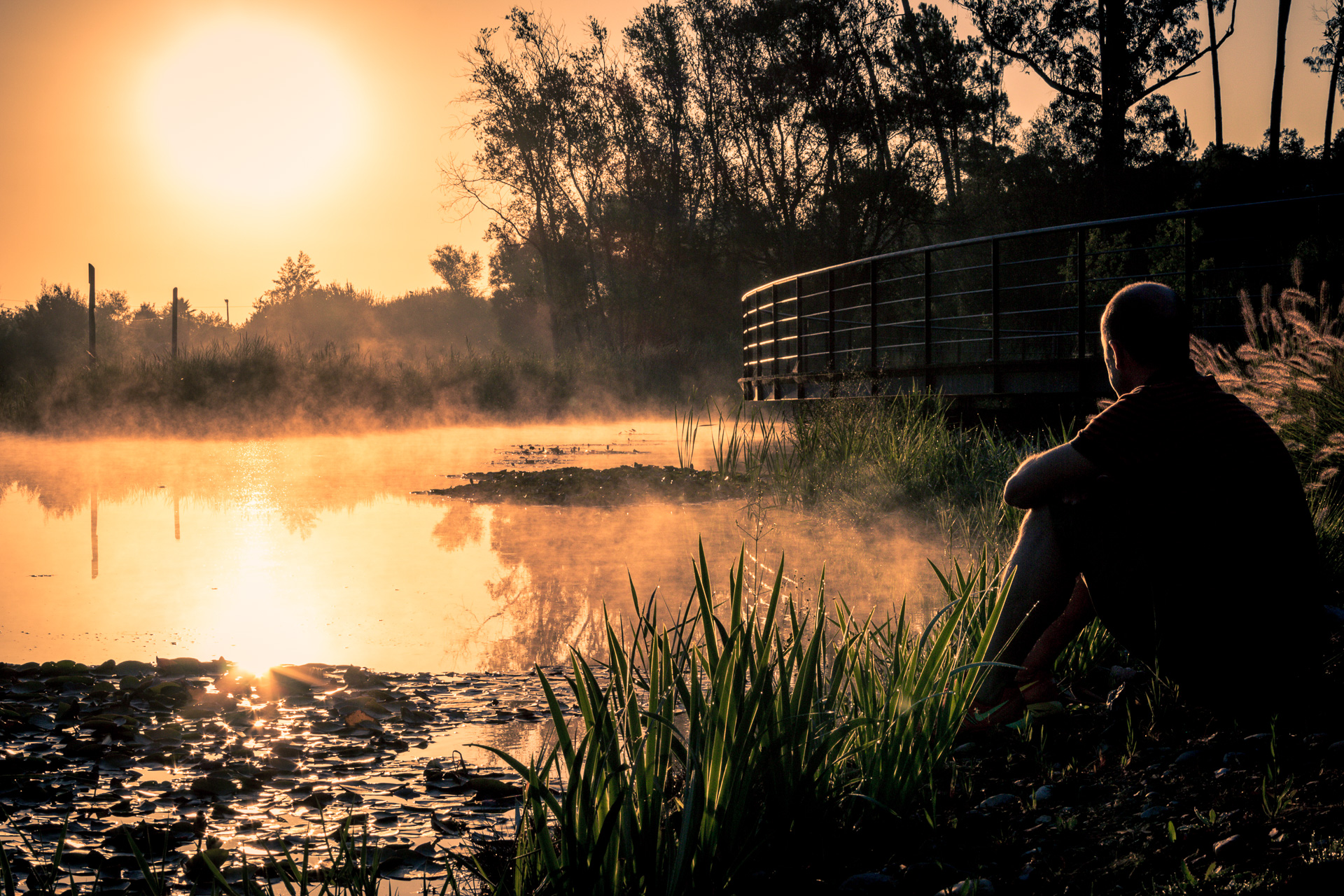
The digital detox tourism services market was valued at USD 65.02 billion in 2025 and is expected to grow at a compound annual growth rate of 24.5% from 2026 to 2034. That’s a striking trajectory for a category that barely existed a decade ago. According to the 2025 Hilton Trends Report, roughly more than one in four adults planning to travel intend to reduce their social media use during holidays, and the luxury home-rental platform Plum Guide has noted a 17% rise in searches for unplugged, tech-lite properties.
Unplugged, the UK’s first dedicated digital detox escape company, recorded a 25% increase in bookings in 2024 compared to 2023, while searches for “calming nature” increased by 340%, illustrating the growing appeal of recharging in serene environments. These figures aren’t aspirational projections. They’re bookings made by real people who decided a forest cabin made more sense than a treatment menu.
Screen Time Has Reached a Tipping Point

In early 2024, the global average screen time was nearly 7 hours per day, and for Gen Z it was 9 hours or more. That’s before accounting for work screens, which most people don’t include in personal estimates. A Pew Research Center study found that 28% of adults report being online “almost constantly,” with younger generations exceeding that rate, and the cost is becoming increasingly clear: anxiety, poor sleep, burnout, and disconnection from the present moment.
A major 2025 Shift report revealed that 62% of users experience digital burnout either occasionally or regularly, with tech professionals reporting the highest rates at 37% regular burnout, and 34% of Gen Z experiencing it regularly. When burnout is that widespread, a single massage appointment starts to feel like a bandage on something that needs much more room to breathe.
What a Cabin Actually Offers That a Spa Cannot

Some retreats emphasize nature immersion through cabins with no Wi-Fi or phone service, while others offer structured programs with meditation, yoga, and guided wellness activities. The meaningful difference isn’t the activity itself – it’s the sustained absence of interruption. A spa day, however luxurious, rarely exceeds a few hours before guests return to a fully connected world.
A cabin weekend removes the option to check in. That constraint, which can feel uncomfortable at first, is precisely what makes it therapeutic. Research highlights the toll of prolonged digital exposure and emotional fatigue from continuous digital engagement, with digital burnout negatively affecting general psychological health across somatic, anxiety, social, and depressive dimensions, suggesting that managing these precursors is essential for preserving mental and physical health.
The Corporate World Is Taking Notice

Unplugged has noticed more employees going off-grid to beat burnout and has multiple companies signed up for its corporate employee wellness program, allowing businesses to offer digital detoxes to their employees – with a 70% utilization rate, compared to an average of just 17% utilization for other wellbeing benefits. That gap is telling. Subscription apps and gym allowances go largely unused, while cabin detox weekends are being claimed at a rate that surprises even the companies offering them.
Some workplaces are pivoting with email-free Fridays, mental health days, and flexible messaging expectations, with these initiatives helping to reduce burnout and restore cognitive clarity. The cabin retreat fits naturally into this broader rethinking of how organizations care for the people who work for them.
Nature Itself Is Part of the Treatment
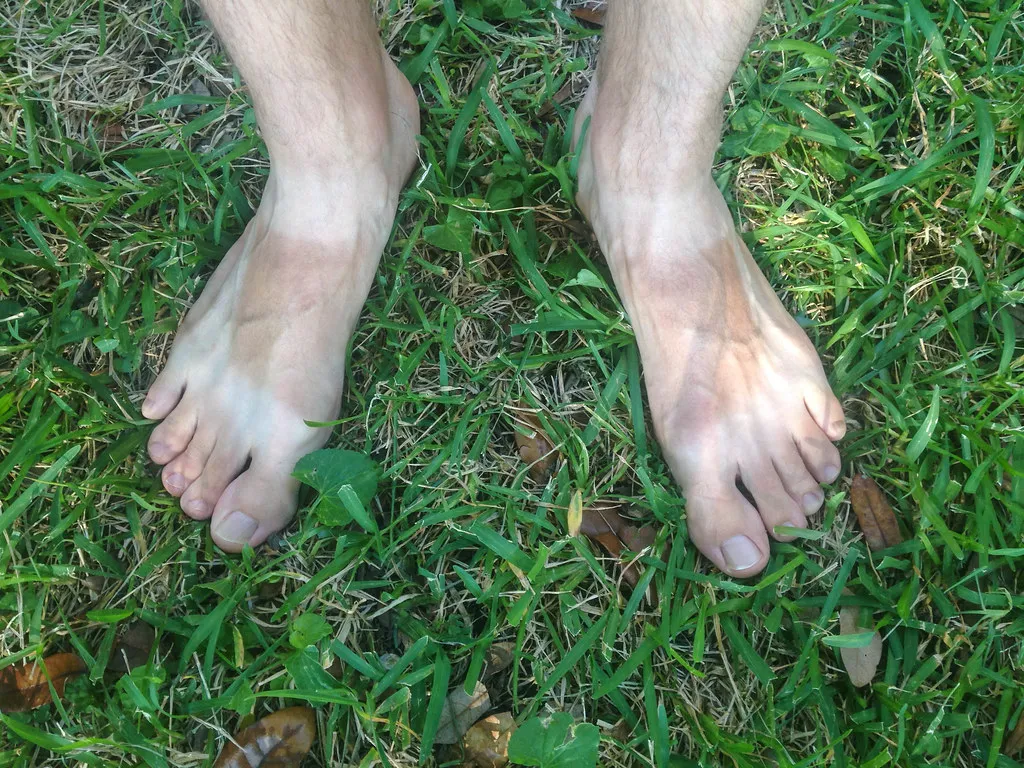
Wellness in nature is a popular trend for those in need of a break from city life or constant connectivity, as spending time in nature is a sensory experience that naturally relieves pressure and stress and allows time to reflect. Forests, rivers, open skies – these aren’t decorative backdrops. They’re genuinely regulating for the nervous system in ways that a spa treatment room, however elegantly designed, tends not to replicate.
Travel trends reflect a growing desire for digital detoxing as individuals seek respite from technology by reconnecting with nature, and nature bathing is rising sharply with Gen Z, with searches for relaxing in nature increasing by 32% as they opt for serene environments such as forests, countrysides, and nature parks. The word “bathing” is apt here – it suggests full immersion rather than a brief visit.
Sleep Is the Underrated Core Benefit
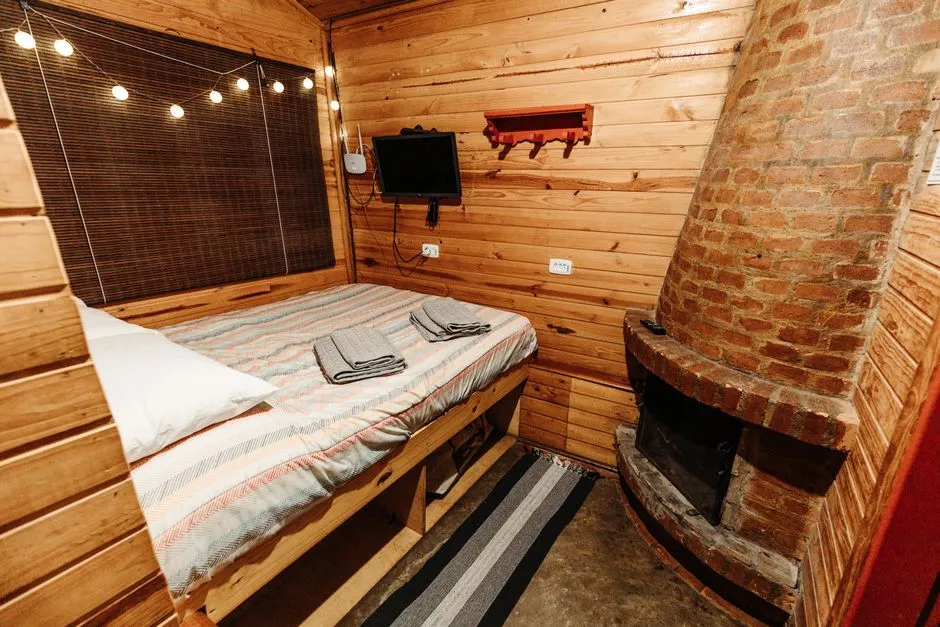
Blue light emitted by phones, tablets, and laptops suppresses melatonin, the hormone responsible for helping you fall and stay asleep, and using screens within an hour of bedtime significantly delays REM sleep and shortens total sleep duration. Cabin stays remove this variable entirely. Without a phone glowing on a nightstand, sleep tends to arrive earlier and run deeper.
Lack of restorative sleep doesn’t just leave you groggy – it can worsen symptoms of anxiety, depression, and emotional dysregulation. This means a night or two of genuinely uninterrupted sleep in a quiet forest cabin can produce measurable, lasting relief that a two-hour massage simply won’t deliver. Rest at that depth is rare in daily life. That’s why people are starting to seek it out deliberately.
The Global Wellness Summit Has Legitimized the Trend

The digital detox and analog experience trends are transforming travel, with digital detox cabins in nature feeling more aspirational than spa palaces, according to the Global Wellness Summit’s 2025 wellness trends report. That’s a significant statement from an organization that has historically championed high-end spa culture. The framing has shifted from indulgence to intentionality.
The global wellness tourism market hit 990 billion USD in 2025 and is projected to reach 2.4 trillion USD by 2035, driven by longevity travel, sauna culture, digital detox retreats, and a luxury shift toward radical simplicity. Radical simplicity is an interesting phrase for an industry long associated with elaborate amenity lists. It signals that consumers are redefining what luxury actually means.
Behavior Change That Outlasts the Weekend

According to data from Unplugged, 83% of guests plan on implementing better digital habits after their detox, such as setting screen time limits or having a phone-free evening once a week. This is one of the most compelling arguments for the cabin format over a spa day: the experience tends to shift perspective in ways that persist. People return with different habits, not just a temporary sense of calm.
Digital detox focuses on intentionally spending time engaging in activities that forego the use of digital devices, and functions as a kind of mental therapy that promotes relief, relaxation, and productivity. The productiveness that follows is often what surprises people most. After two days offline, creative thinking tends to return in ways that the always-on mode quietly suppresses.
Accessibility Is Widening the Appeal
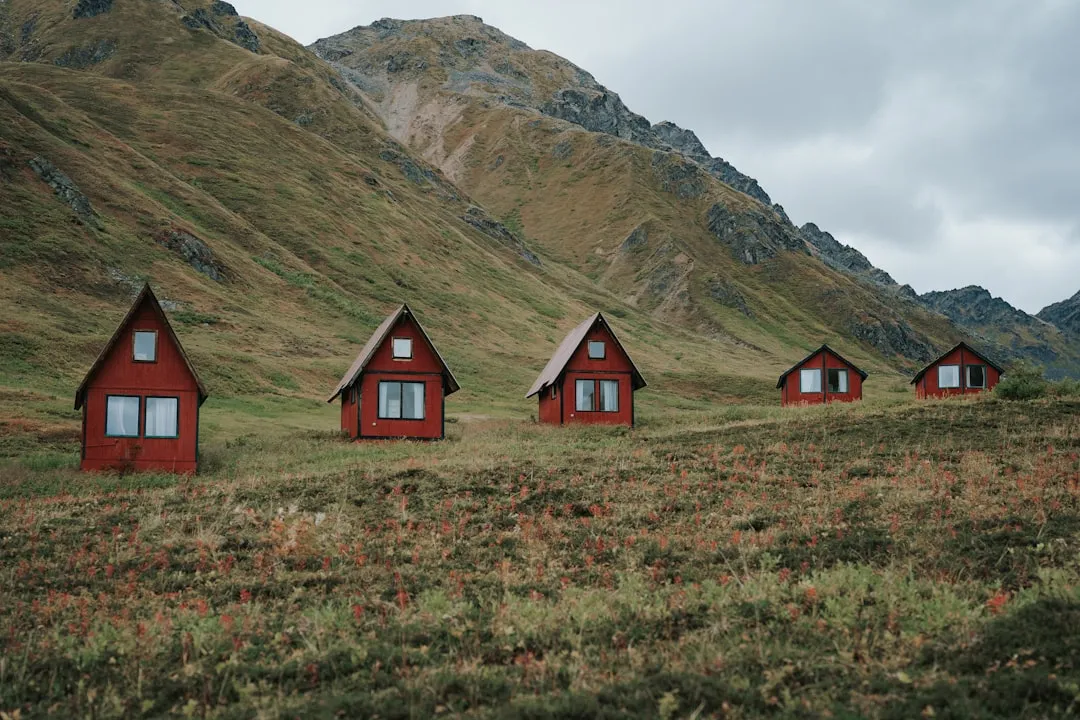
Options range from intimate cabins hidden in remote forests to lavish resorts designed to ensure devices remain out of sight and out of mind. The price range has also broadened considerably. Unlike high-end spa resorts, which have historically catered to a narrow segment of luxury travelers, off-grid cabin rentals can be found across a wide spectrum of budgets, from basic woodland cabins to thoughtfully designed retreat centers.
Since its inception, Unplugged has expanded to include 19 cabins and has gained popularity among busy professionals seeking respite from their hectic routines. Similar operators have launched across North America and Europe, meeting demand that continues to grow faster than supply. The format is proving durable precisely because it isn’t built around luxury amenities – it’s built around absence.
Solo Travel and the Rise of Going It Alone

Unplugged has recorded an increase in solo travel, where guests will go on a digital detox alone, and solo travel offers numerous advantages, including increased confidence, independence, and self-exploration, as well as the chance to embrace boredom and solitude, which is excellent for creativity and improved cognitive function. Solo cabin weekends occupy a specific and growing need: time that belongs entirely to one person, with no social performance required.
There’s something honest about checking into a cabin by yourself, putting your phone in the provided lockbox, and sitting with whatever emerges. It’s not dramatic. It’s not photogenic. That’s entirely the point. Some travel agents who arrange such trips say that guests feel they have richer experiences because they’re so immersed without the distraction of their devices. Richness through subtraction – it turns out that’s harder to find than most people expect, and more valuable once found.
The Quiet Case for Doing Less, Better
The traditional spa trip isn’t disappearing. It still serves a purpose, and for many people it remains a genuinely restorative experience. What’s changing is the assumption that it’s the default answer to exhaustion. Disconnecting from screens isn’t just a trend – it’s therapeutic, with extensive research linking excessive screen and device use with increased anxiety, sleep disturbance, and disrupted attention patterns.
Demand at the top of the wellness market is climbing, with 90% of luxury travelers naming wellness a key booking factor in 2025, up from 80% a year earlier, according to ILTM. Yet within that expanding market, what travelers increasingly define as wellness is shifting away from elaborate treatments toward genuine stillness. The cabin in the woods – no signal, no agenda, no notifications – represents something the spa industry is still learning to compete with: not more, but genuinely less.
That turns out to be a harder thing to sell. It may also be the thing people need most.
AI Disclaimer: This article was created with the assistance of AI tools and reviewed by a human editor.