

The Temperature Window Is Genuinely Ideal
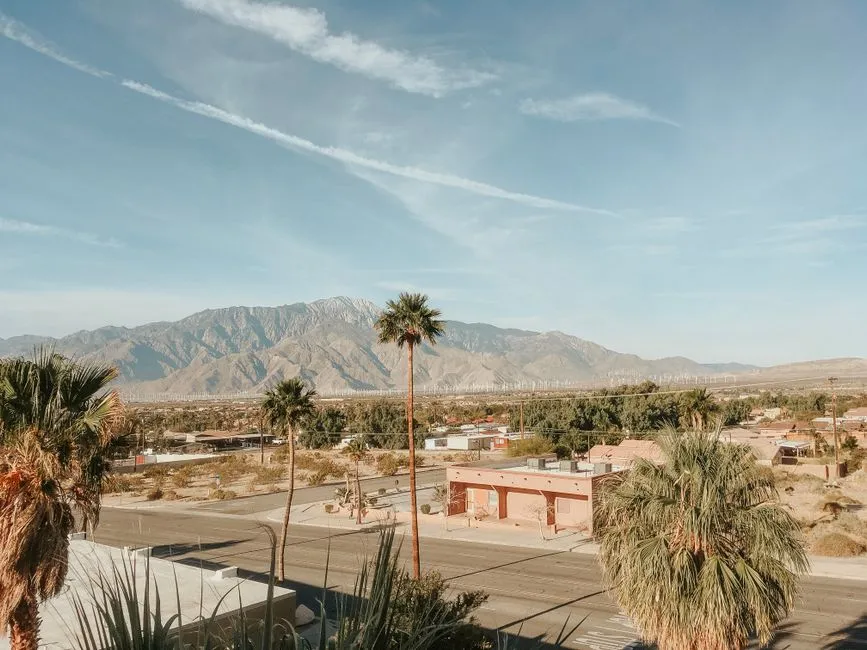
One of the most practical arguments for visiting the desert in early spring is simply the temperature. In desert regions like the Coachella Valley in California, average daily high temperatures in spring climb from the low seventies into the low nineties Fahrenheit, covering a range that most travelers would consider comfortable for outdoor activities. That is a meaningful contrast to the peak summer months, when desert temperatures in the American Southwest can easily climb well past 110 degrees Fahrenheit.
Spring in the desert runs from late February through late April, and temperatures during this period are mild with little rain. Mornings in particular can feel almost cool, making long hikes or sunrise drives far more enjoyable than they would be in June or July. The desert rewards early risers at any time of year, but in early spring that reward is especially generous.
Wildflower Blooms Can Be Spectacular
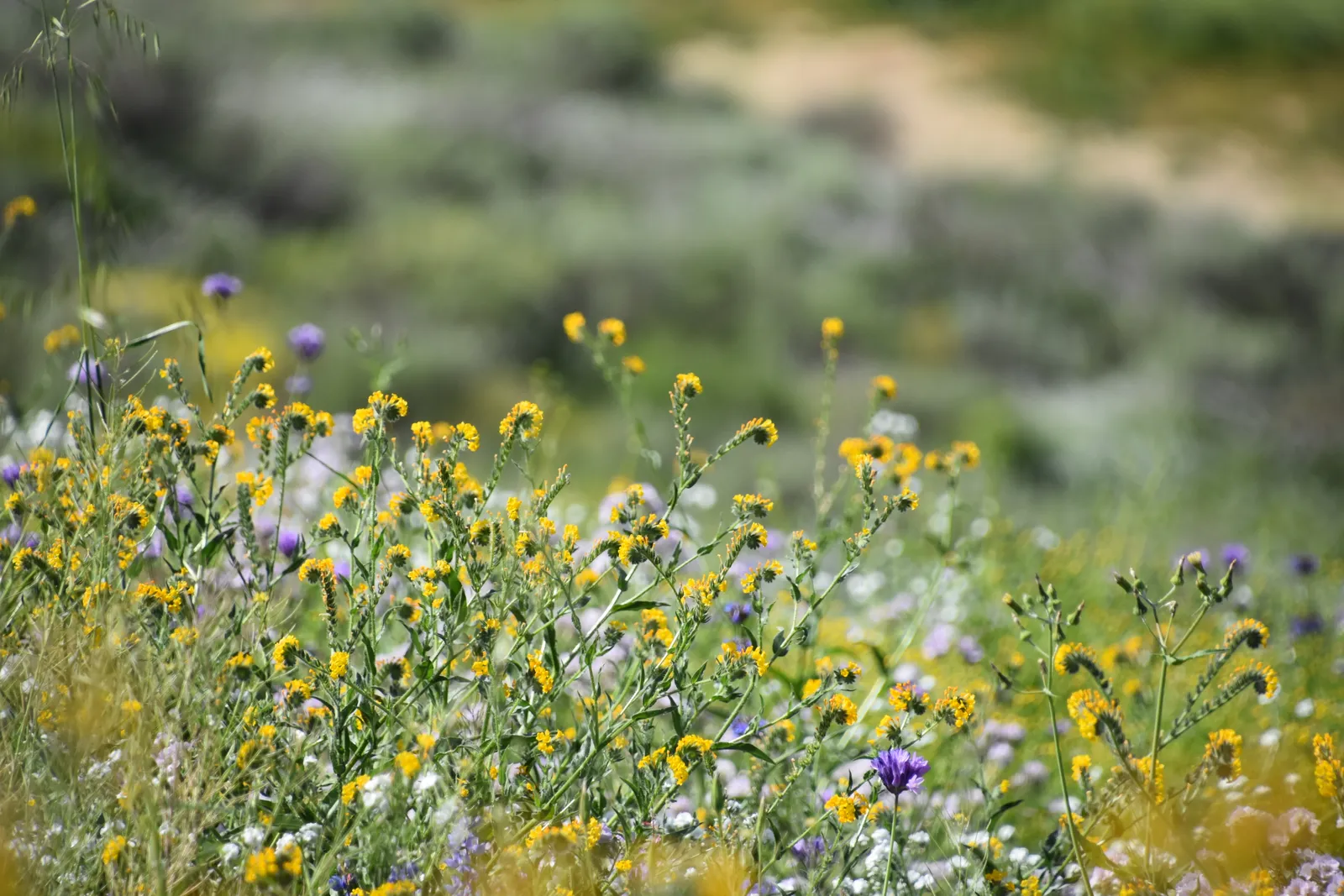
Winter annuals such as poppies, lupines, and owl clover create the vast carpets of color for which the Sonoran and Mojave deserts are so famous, and this event typically occurs between late February and mid-April, usually peaking around mid-March. The timing varies by elevation and latitude, and no single year looks quite like another. That variability is part of what makes it special.
Annual wildflowers are highly dependent on rainfall. Massive and widespread displays occur only about once a decade, when the winter rainy season is both earlier and wetter than normal, while good localized shows happen every three or four years. Even in a modest bloom year, the contrast between flowering ground cover and the spare desert landscape is striking. A good bloom cannot be reliably predicted more than a week or two before it begins, and it lasts at peak beauty for no more than two weeks.
The Science Behind the Blooms Is Fascinating
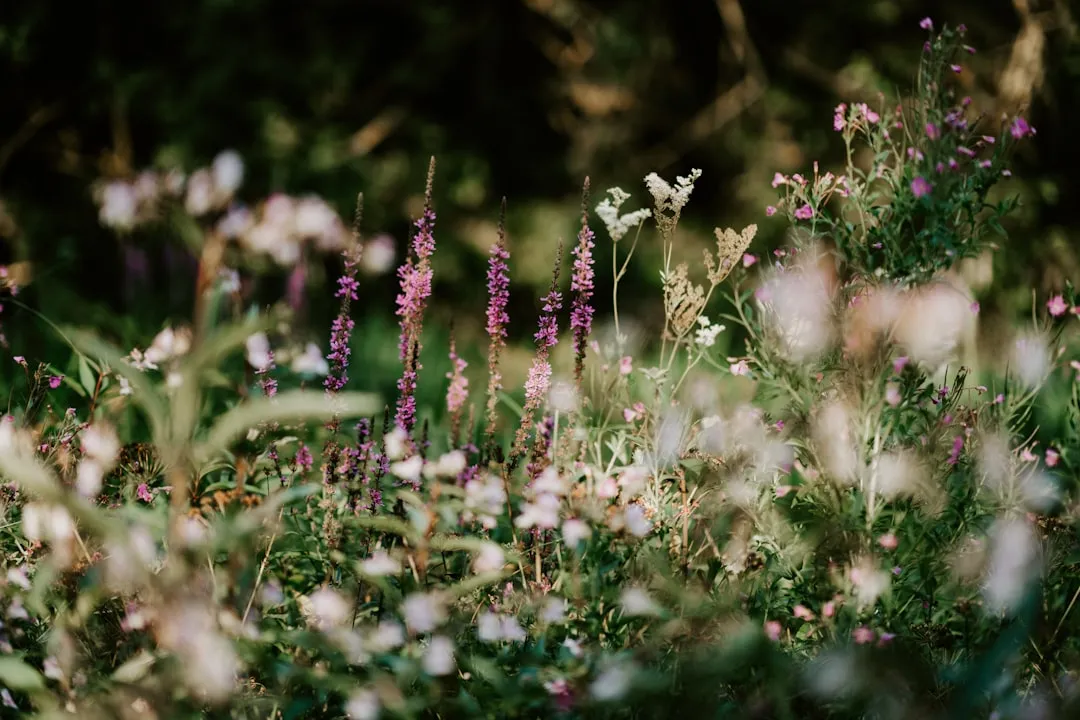
Spring-blooming annuals must actually germinate in the autumn – a crucial fact that most people don’t know. The critical germination window is probably between late September and early December, though it differs across species. What visitors see in March is the result of conditions that were set months earlier. A triggering rain of at least one inch must occur during this autumn window, the earlier the better after summer heat has waned.
Understanding this cycle makes you appreciate the blooms differently. You are not just looking at flowers. You are seeing the delayed result of precise climatic timing, a process that the desert has refined across thousands of years. The key factor influencing whether wildflowers will bloom in abundance is the amount of rain that falls in the winter and early spring months.
Crowds Are Noticeably Smaller Than in Peak Season
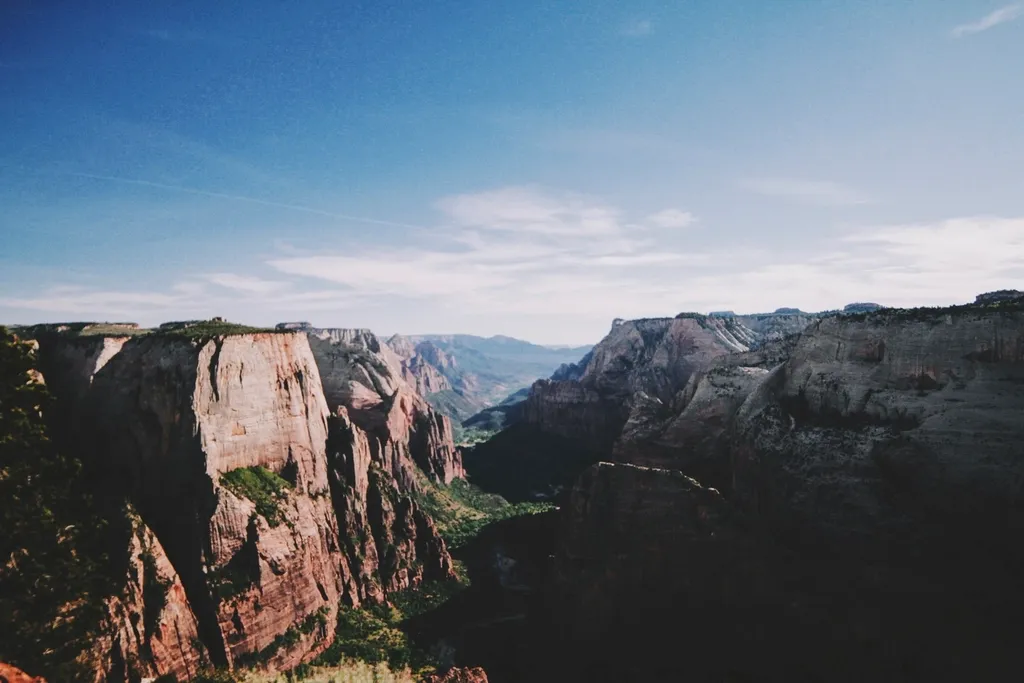
Spring and fall offer smaller crowds and pleasant weather at desert parks, and April is a great time to explore parks like Zion and the Grand Canyon before the summer rush. That advice holds broadly across desert destinations in the American Southwest. By the time summer arrives, some of these parks require timed entry permits simply to manage the volume of visitors arriving each day.
More visitors are spreading out their trips throughout the year rather than concentrating visits in the peak summer months, and spring and fall have seen significant increases in attendance. Even with that trend, early spring in the desert still feels quieter and more personal than the summer high season. Trails that are genuinely congested in July feel like they belong to you in March.
Photography Conditions Are at Their Peak
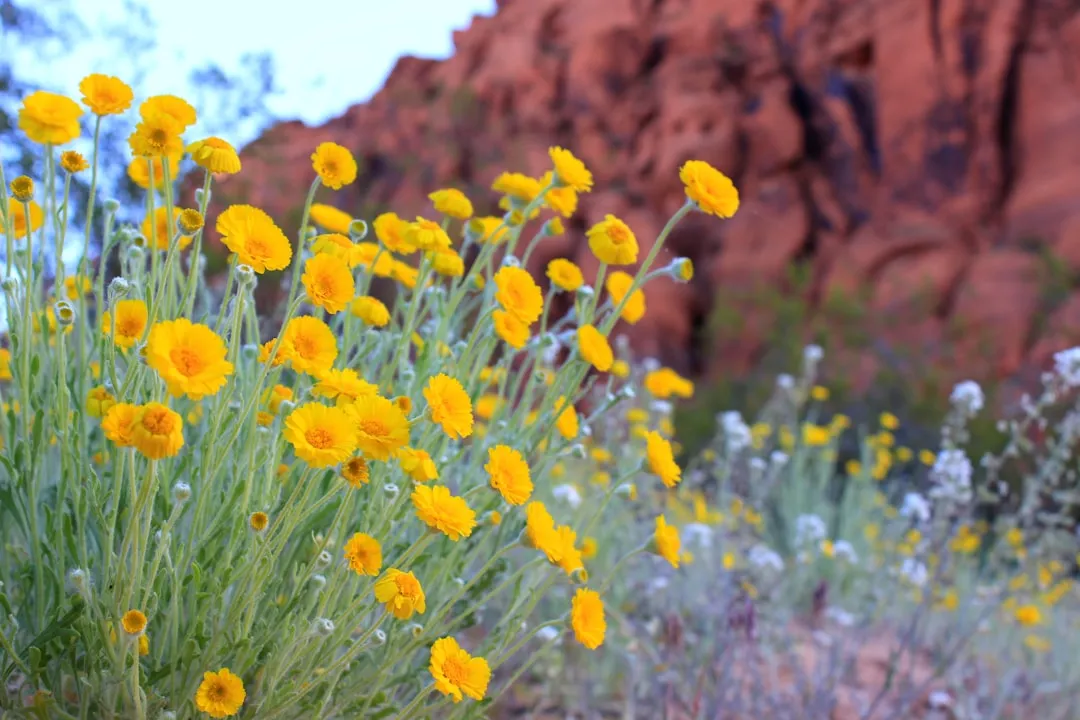
Photographers who have worked in the desert across multiple seasons consistently favor early spring for a reason: the light. Summer haze, dust, and the brutal midday glare that flattens desert landscapes are largely absent. The sun angle in early spring produces long shadows and warm tones during golden hour that last longer than in summer months.
The combination of wildflowers, clear skies, and manageable temperatures creates compositions that simply are not available at any other time of year. The Sonoran Desert has two flowering peaks, and there is almost always something in bloom during this period. Wide-angle landscapes with carpets of color in the foreground and stark rock formations in the background are the defining images of the desert in spring, and they are almost exclusively a product of this narrow seasonal window.
Wildlife Is More Active and Visible
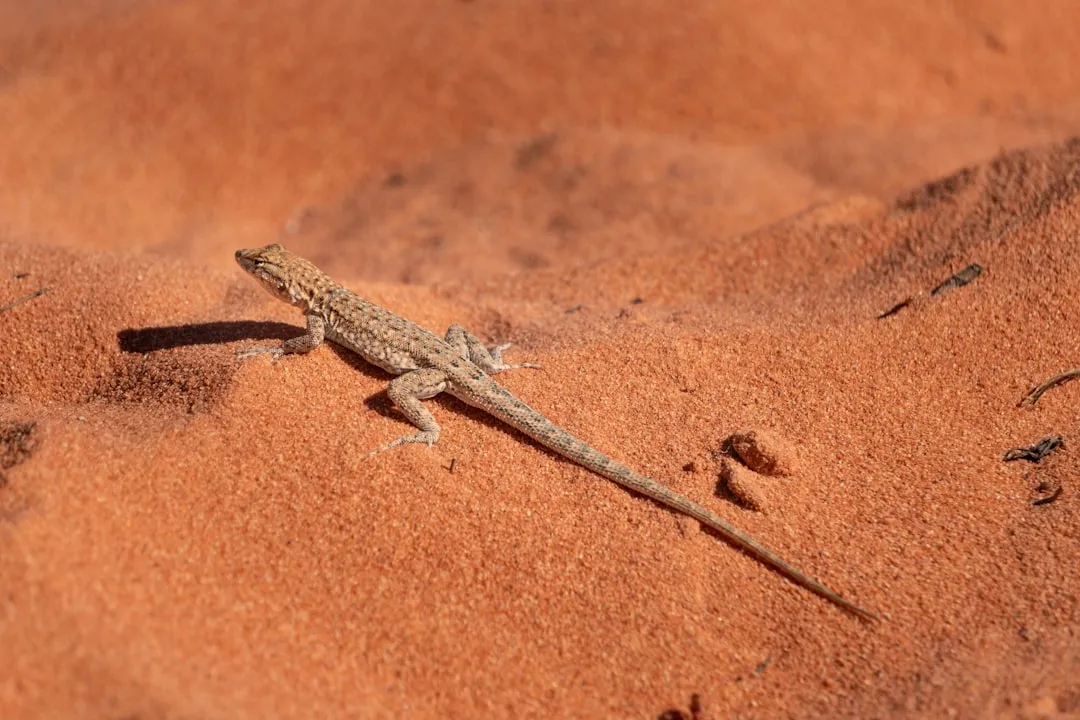
Desert wildlife follows the same logic as desert plants: early spring is a period of heightened activity before summer forces most creatures into conserving energy. Reptiles begin emerging from their winter dormancy as soil temperatures rise. Birds are actively migrating through desert corridors, and species that are nearly invisible during summer heat are easier to spot in the gentler temperatures of March and April.
Coyotes, jackrabbits, roadrunners, and various raptor species are all more visible during the cooler parts of early spring mornings. The desert’s reputation as a place of absence and silence is, in part, a summer reputation. In early spring, the ecosystem is working hard, and paying close attention rewards visitors who take the time to slow down and observe.
Hiking Is More Rewarding and Safer
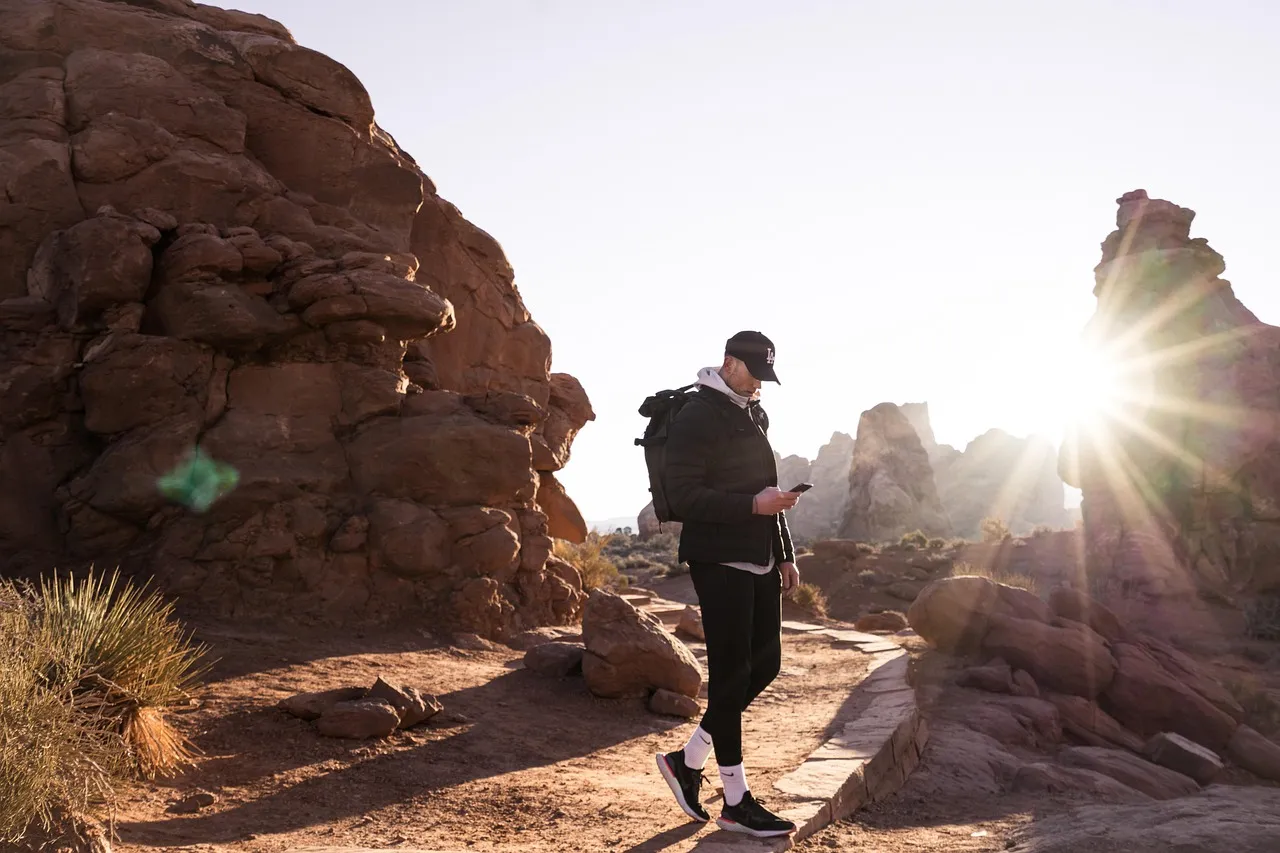
Heat-related illness is a real and well-documented risk in desert environments, particularly for visitors who underestimate the demands of desert hiking. The early spring window essentially removes that variable for most of the day. Hikers can set out later in the morning and stay on trail longer without the urgency that summer heat imposes.
The humidity in desert environments is below forty percent for most of the year, which means early spring temperatures, even on warmer days in the mid-eighties Fahrenheit, feel far more manageable than similar temperatures in humid climates. Longer hikes, more remote trailheads, and fuller exploration of canyon systems all become genuinely accessible in a way they simply are not during the summer months.
Stargazing Reaches Its Annual Sweet Spot
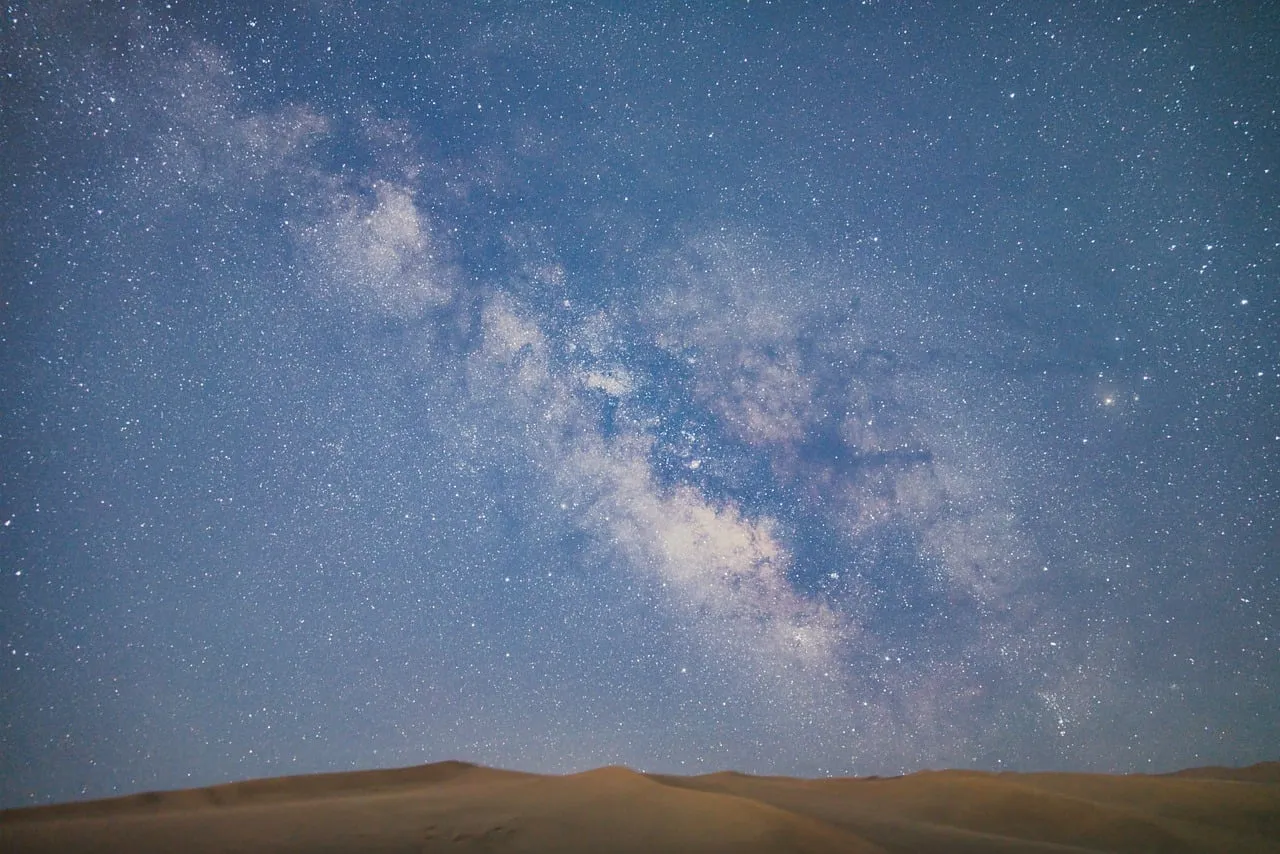
Desert regions are prized for stargazing year-round because of their low humidity and minimal light pollution, but early spring offers a specific advantage: the nights are comfortably cool rather than cold or sweltering. Sitting outside after dark in January or February can require heavy layers. By mid-summer, nights in the desert can still hold enough residual heat to make extended outdoor time uncomfortable.
Early spring nights, typically in the range of fifty to sixty degrees Fahrenheit, are ideal for the kind of patient, unhurried stargazing that desert skies reward. The Milky Way becomes more visible in the pre-dawn hours of late winter and early spring, and the absence of summer monsoon clouds means the skies stay reliably clear for longer stretches. It is one of the quieter pleasures of the season, and one that does not require any planning beyond showing up and looking up.
Accommodation and Access Tend to Be More Flexible
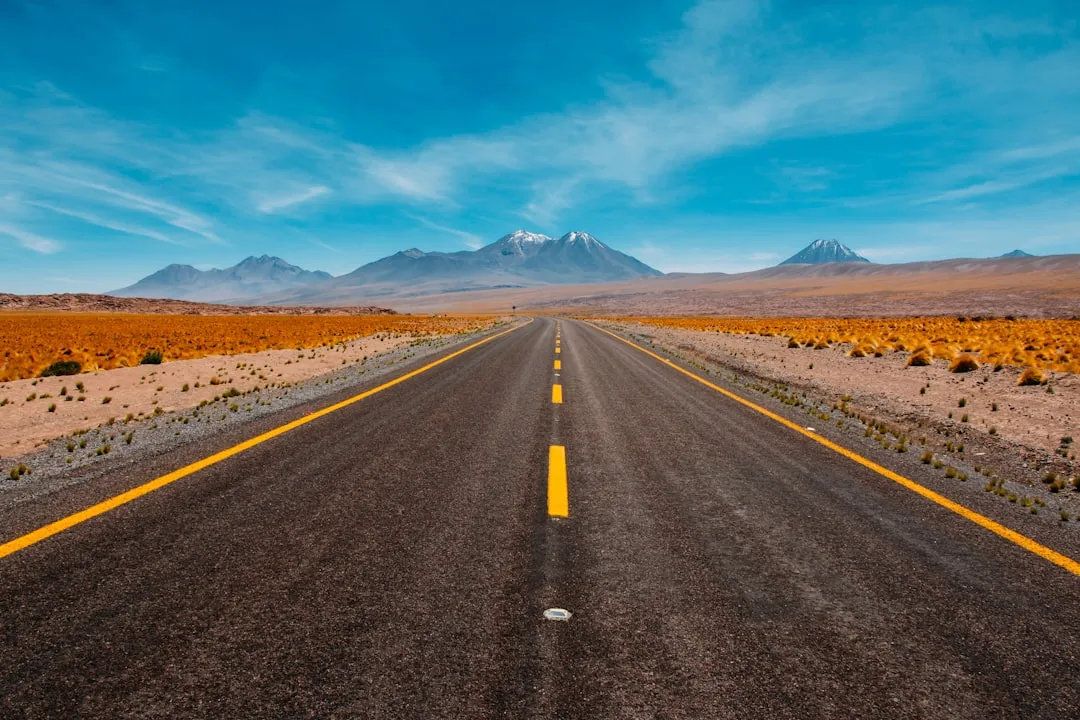
Desert destinations that see significant summer or holiday tourism often face accommodation shortages and sharp price increases during peak periods. Early spring sits in a transitional zone where demand is rising but has not yet peaked, which generally means better availability, more competitive pricing, and a travel experience that feels less processed and more personal.
Visitors are increasingly exploring lesser-known parks and monuments to avoid crowds, leading to a more balanced distribution of tourism across the National Park System. That shift is worth knowing, because it means even the secondary and tertiary desert destinations in the Southwest are starting to see higher visitor numbers during shoulder seasons. Booking early for a spring desert trip is increasingly wise, even if it is not yet strictly necessary everywhere.
The Desert Feels Like a Different Place
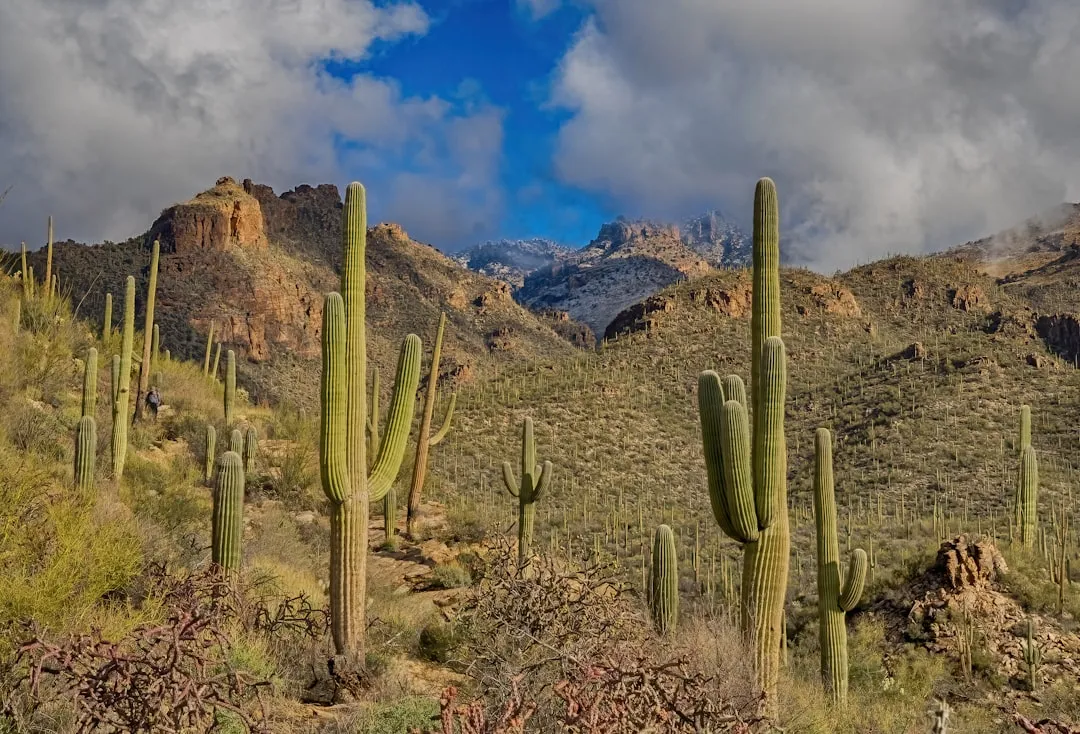
This is perhaps the most subjective point, but it may also be the most honest one. The desert has a particular emotional register in early spring that it does not carry in any other season. The harshness that defines the landscape in summer is present but softened. The emptiness that winter can amplify gives way to something that feels more like possibility.
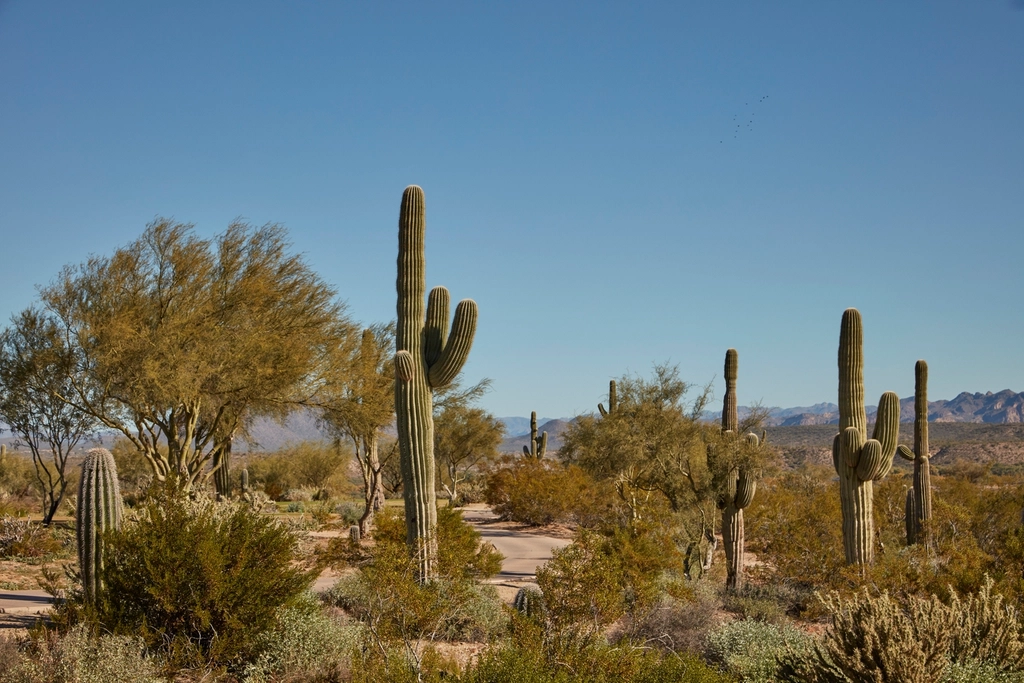
Spring in Arizona’s Sonoran Desert is described as a magical time, especially when wildflowers bloom in brilliant hues across the rugged and unique desert landscape, with destinations like the Tonto National Forest near Mesa serving as prime spots to witness this seasonal transformation that generally starts in early March. That sense of transformation is not confined to one park or one state. It runs across the full sweep of North American desert geography, from the Mojave to the Chihuahuan, offering different expressions of the same seasonal shift.
The Takeaway
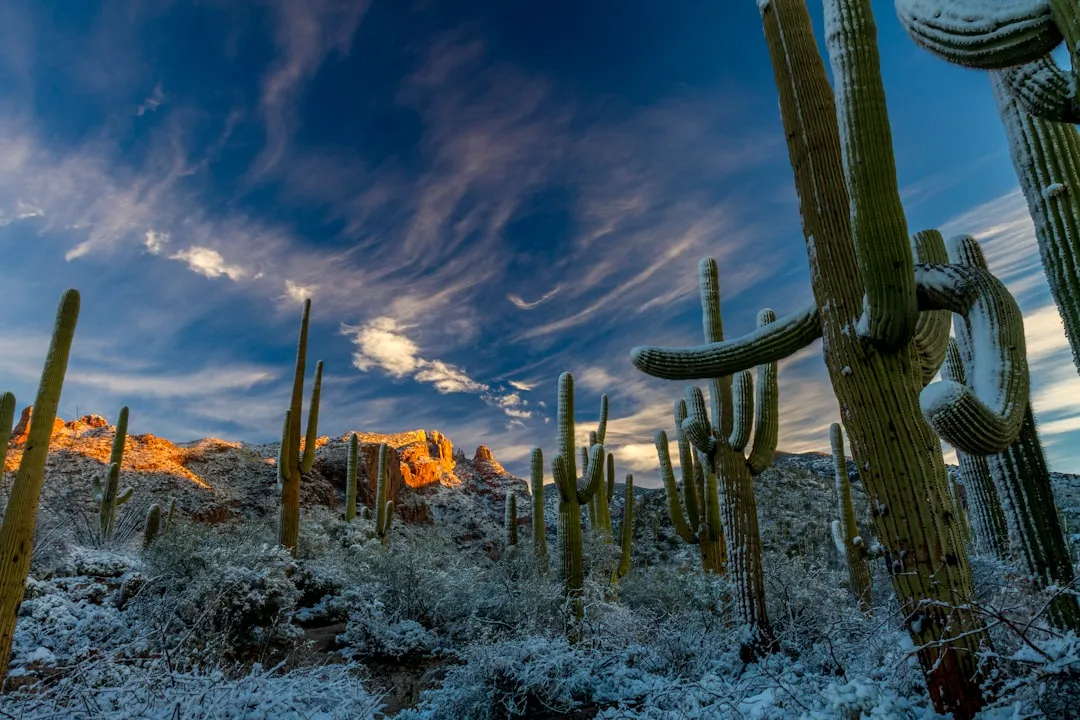
Early spring in the desert does not ask much of you. Comfortable temperatures, lower crowds, and the possibility of witnessing one of nature’s more fleeting spectacles combine to create travel conditions that are genuinely hard to match in other seasons. The window is short, typically six to eight weeks, and the specific rewards vary with rainfall and elevation year to year.
What stays constant is the quality of the experience: unhurried mornings, clear skies, trails you can follow at your own pace, and a landscape that is doing something quietly extraordinary while the rest of the travel world waits for summer. The desert does not announce this season loudly. It simply offers it to whoever arrives at the right time.
AI Disclaimer: This article was created with the assistance of AI tools and reviewed by a human editor.