
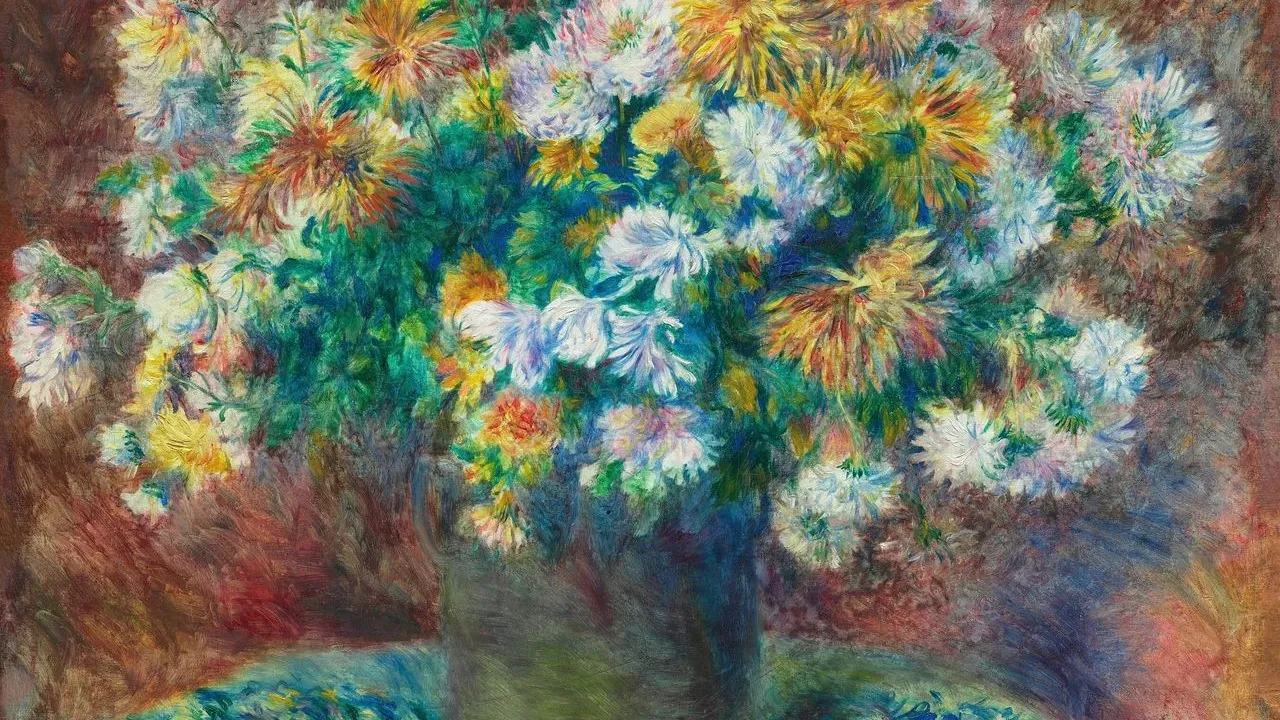

The Renoir Museum in Cagnes-sur-Mer recently experienced the loss of four paintings by Pierre-Auguste Renoir, works collectively valued in the millions of euros. One piece was dropped during the thieves’ escape and later recovered nearby. The incident, which occurred early on a Tuesday morning, has drawn attention to this modest institution and the broader cultural landscape it represents along the Mediterranean coast. ([1])
A Home Turned Museum
The Renoir Museum occupies the final residence of the Impressionist master, where he lived and worked until his death in 1919. Located in the hilltop village of Cagnes-sur-Mer, the site preserves the atmosphere of his later years, when the artist continued to paint despite physical challenges. Visitors can explore the house and gardens that inspired many of his final canvases, gaining insight into both his personal life and artistic evolution.
The museum stands as the primary cultural landmark in Cagnes-sur-Mer, positioned between the better-known centers of Cannes and Nice. Its collection highlights Renoir’s connection to the region, where the quality of light and landscape influenced his distinctive style. The recent event underscores the vulnerability of such collections while also reminding travelers of the quiet significance these smaller institutions hold.
The Riviera’s Layered Artistic Heritage
The French Riviera has long attracted artists drawn to its luminous skies and coastal scenery. Renoir’s choice to settle in Cagnes-sur-Mer reflects a pattern seen across the area, where painters sought both inspiration and respite. The museum offers a focused counterpoint to larger institutions farther along the coast, allowing visitors to experience works in the setting where they were created.
Travelers interested in art history often find value in combining a visit here with stops at other regional sites. The compact scale of the museum encourages unhurried exploration, with opportunities to appreciate the surrounding village and its Mediterranean views. Such experiences support a more measured approach to cultural travel along this stretch of coastline.
Practical Considerations for Visitors
Those planning a trip to the Renoir Museum can reach Cagnes-sur-Mer easily by train or car from Nice or Cannes. The site operates with standard museum hours, and advance checking of current access details remains advisable following any disruption. Local tourism resources provide guidance on respectful visitation practices that help sustain these heritage locations.
Combining the museum with walks through the old village or nearby coastal paths creates a balanced itinerary. Travelers who prioritize slower, place-based journeys often report deeper connections to the region’s artistic legacy. This approach aligns with efforts to support smaller cultural sites that contribute to the Riviera’s distinctive character.
Looking Ahead for Regional Collections
Authorities have confirmed an active investigation into the theft, with surveillance footage aiding the inquiry. The episode highlights ongoing questions about security at historic sites while also drawing fresh interest to the museum’s role in preserving Renoir’s legacy. For the local community and art enthusiasts alike, the focus remains on safeguarding and sharing these works responsibly.
The museum continues to welcome visitors eager to connect with one of the Riviera’s most personal artistic landmarks. Its story illustrates how even smaller collections can anchor a deeper appreciation for the places where creative lives unfolded.
AI Disclaimer: This article was created with the assistance of AI tools and reviewed by a human editor.