
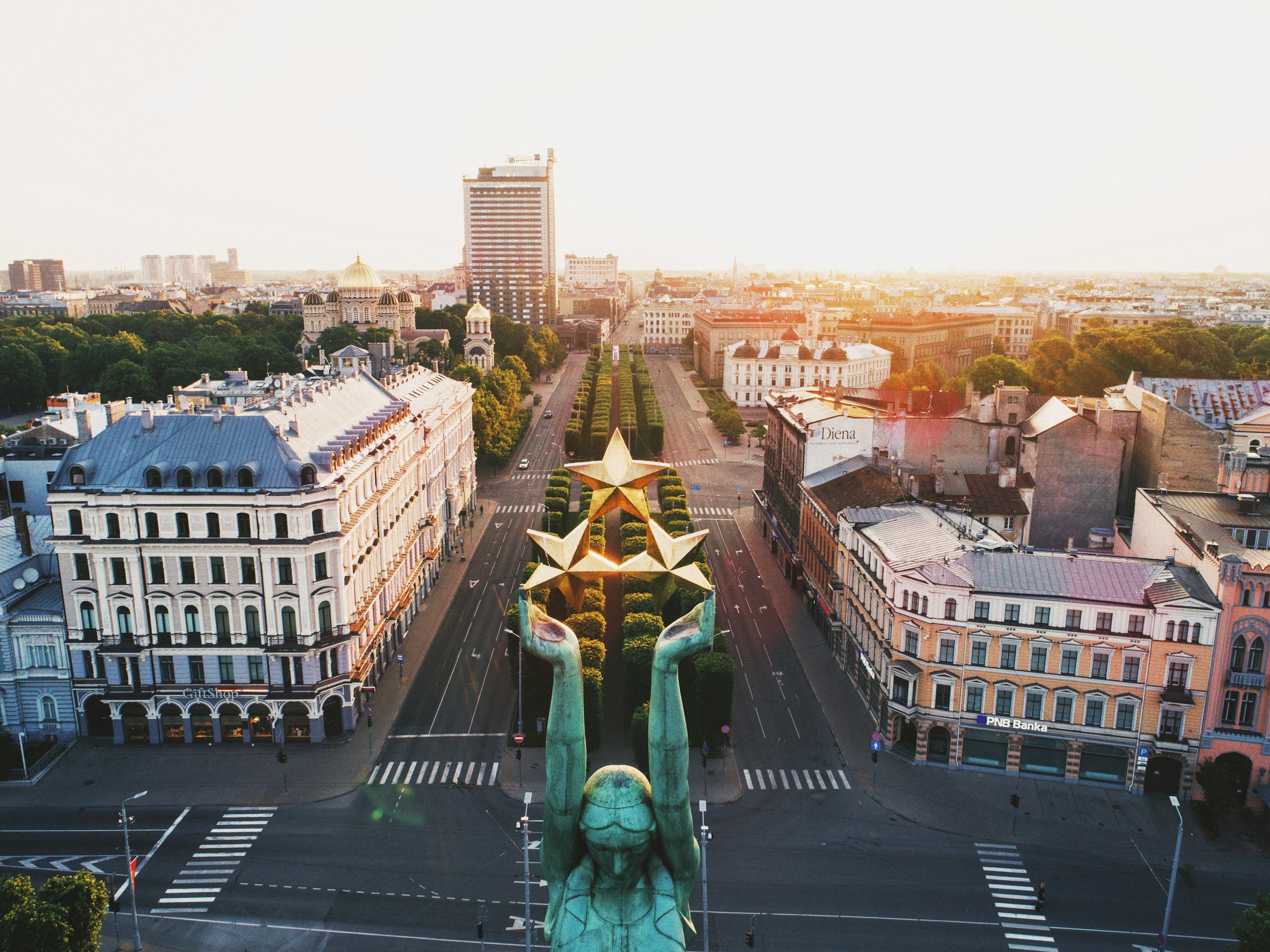

A UNESCO Old Town That Feels Genuinely Lived In
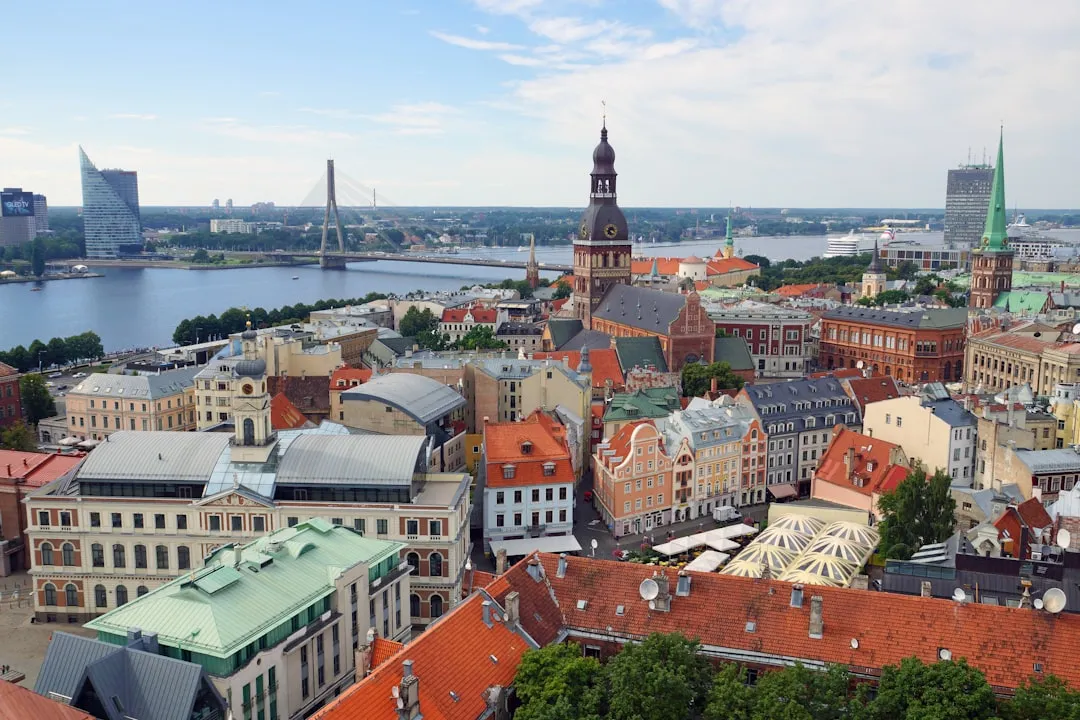
The historical center of Riga was inscribed on the UNESCO World Heritage List in 1997, and the designation feels earned. Riga is a city that manages to combine contrasts in the best possible way. On one hand, it’s a place of deep history with medieval churches, merchant guild halls, and reminders of its Hanseatic trading past. On the other, it’s lively and forward-looking, with street art, modern galleries, and a creative food scene.
The Old Town, known locally as Vecrīga, is the heart of Riga’s cultural scene. The cobbled streets, charming squares, and medieval architecture create a picture-perfect setting for a leisurely stroll. What makes it different from many restored medieval quarters elsewhere in Europe is that it doesn’t feel like a museum piece. People live here, shop here, and meet friends for coffee in the same courtyards where merchants traded grain eight centuries ago.
The Art Nouveau Capital of the World
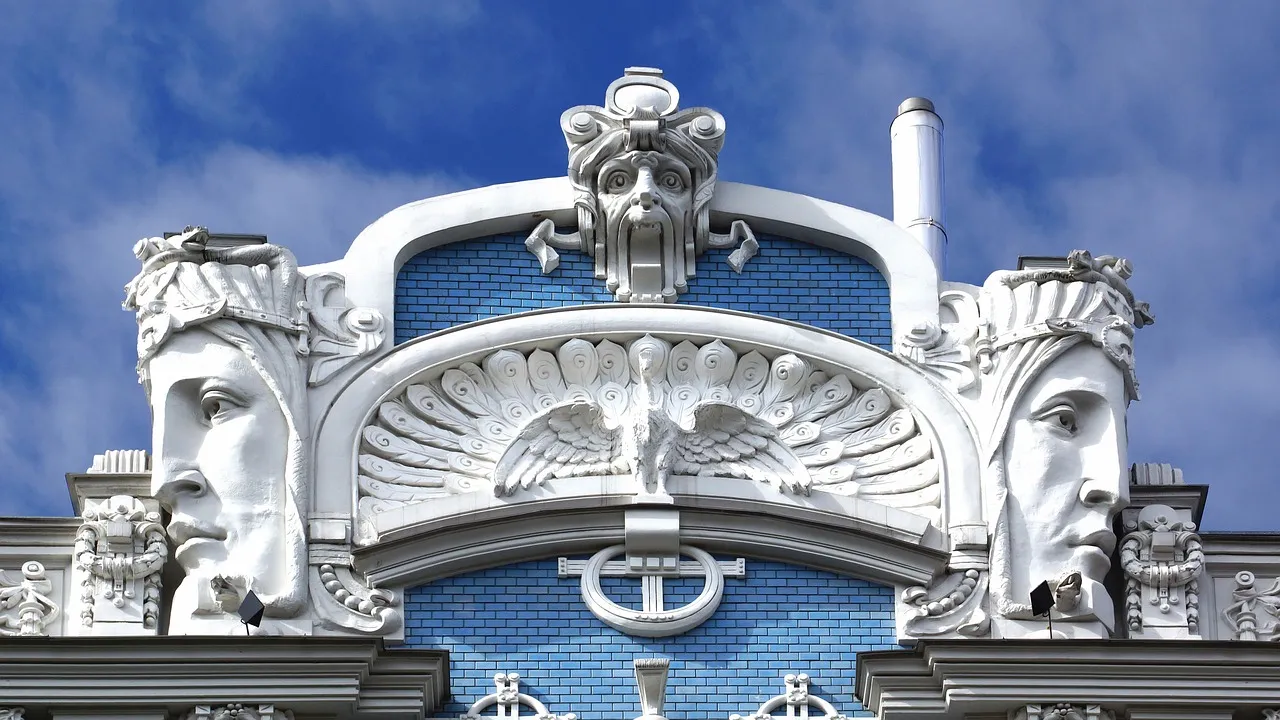
The historical center of Riga boasts the highest concentration of Art Nouveau architecture in the world, with over 800 buildings. That’s not a casual claim. It’s a fact that consistently surprises first-time visitors who arrive expecting a pretty medieval town and end up wandering open-mouthed down Alberta Street, staring up at ornate facades layered with faces, foliage, and mythological figures.
In the early 20th century, Latvia underwent rapid urbanization, concurrent with the Art Nouveau movement, and as a result, Latvian cities boast a wealth of Art Nouveau architecture, with Riga often regarded as a standout gem of the style. Riga is called the Art Nouveau capital of Europe, with more than 800 ornate facades concentrated in the city’s Quiet Centre. Walking through that district on a clear morning, before the day fully wakes up, is one of those simple travel experiences that stays with you.
Tourism Is Growing, but the Crowds Haven’t Arrived Yet
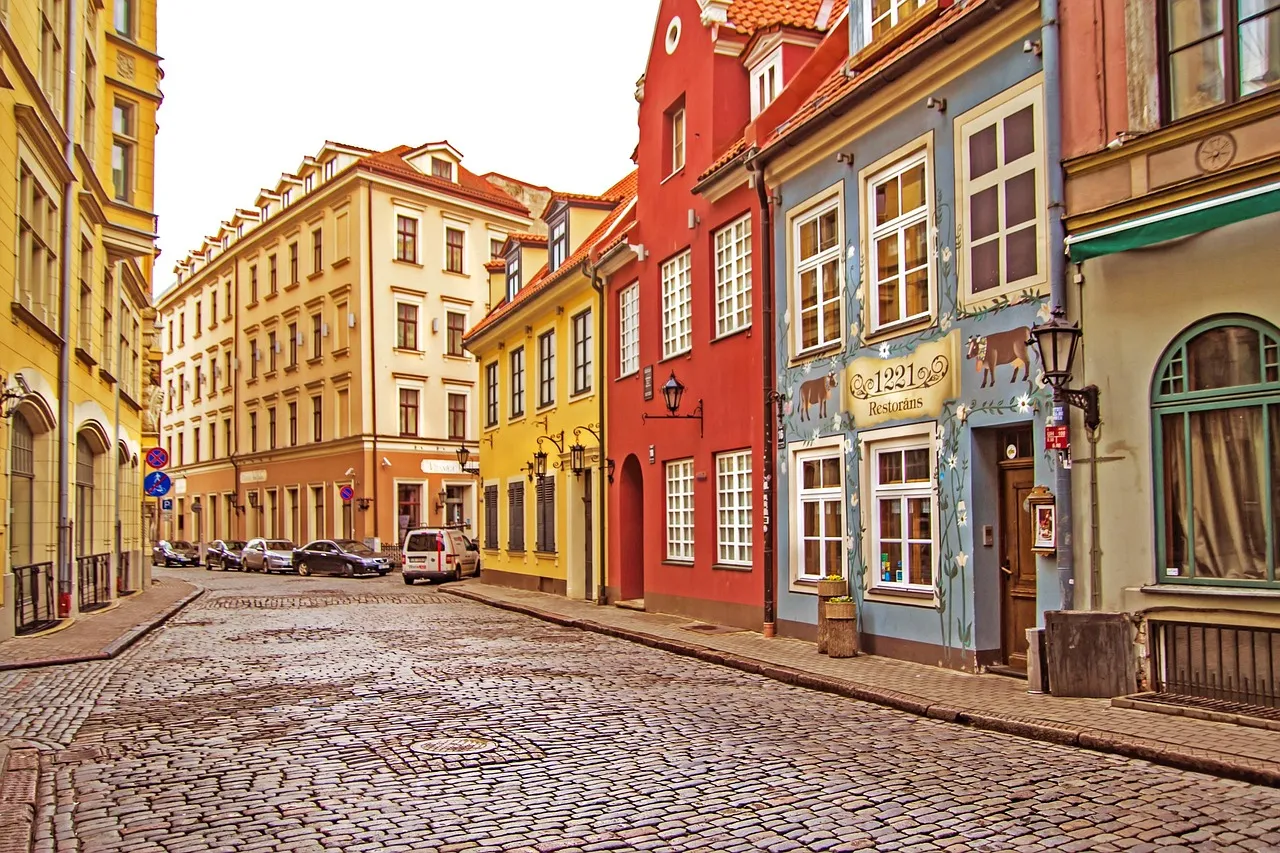
Tourism in Riga has recovered strongly since the pandemic. In 2024, the city welcomed more than 1.1 million international hotel guests, marking its best year since 2019. Visitor nights reached two million, with early 2025 showing a further increase in foreign arrivals. The numbers are climbing, but the city still feels spacious.
Despite its richness, Riga remains largely undiscovered by mass tourism, making it ideal for travellers who want space, authenticity, and culture. Visitors consistently note that they never found the city to be crowded at all. That combination of growing momentum and still-navigable streets is a narrow window that won’t stay open forever.
Genuinely Affordable Without Feeling Budget
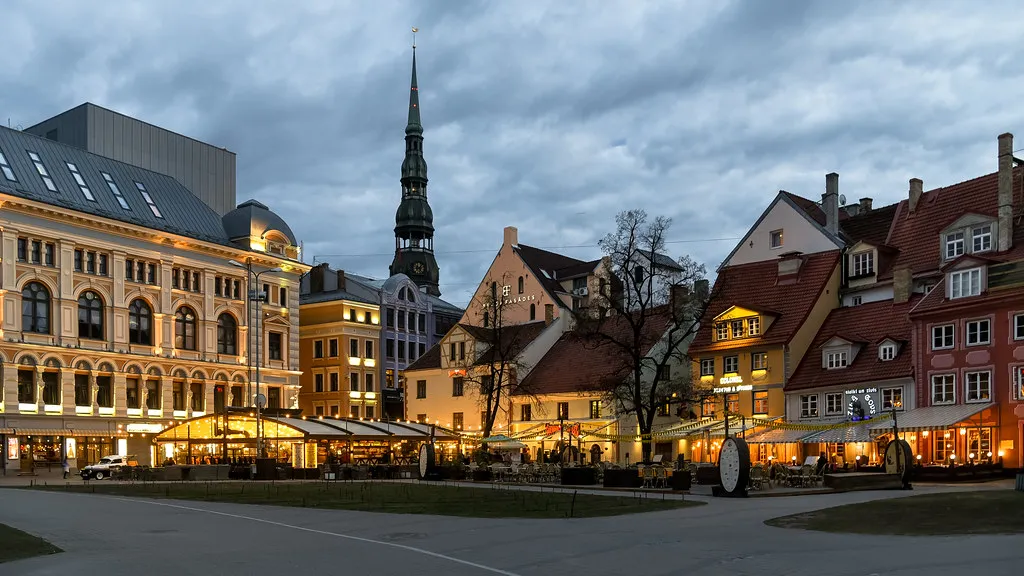
Latvia’s capital, Riga, is not only a magnificent mix of diverse architectural styles with a cosmopolitan café, bar, restaurant, and music scene, but also one of Europe’s most affordable city break options. That affordability extends across accommodation, dining, and cultural experiences, without any sense that corners are being cut.
Compared to many other European capitals, Riga is quite affordable, allowing you to enjoy dining, accommodation, and attractions without breaking the bank. As tourism trends shift across Europe, travelers are increasingly seeking destinations that offer value for money without sacrificing quality, and cities like Riga, which can provide a comprehensive, affordable experience, are quickly rising to the top of travel itineraries.
A Food Scene That Has Quietly Come Into Its Own
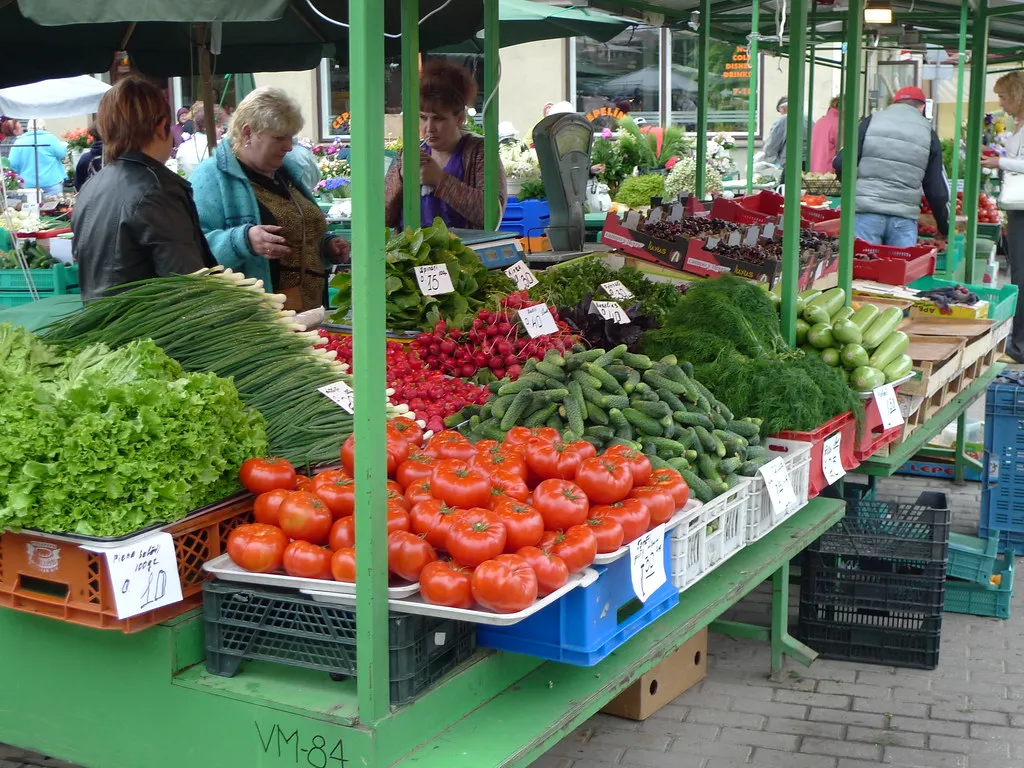
You can find cozy cafes or fancy restaurants on every corner in the city center, with food menus that consist of combinations of local and world cuisine flavors, emphasizing seasonal and locally available products. The shift toward seasonal, locally sourced cooking mirrors what happened in Copenhagen and Vilnius a decade ago, and Riga is now firmly in that same conversation.
Hundreds of Art Nouveau buildings line the historic streets, while a flourishing culinary scene combines traditional Latvian dishes with modern Nordic cuisine. The Central Market, housed in former Zeppelin hangars, offers local food and crafts, and is popular with tourists, while the smaller Āgenskalns Market, after renovation in 2022, offers both local and foreign delicacies, as well as a food court with various food vendors, and also serves as a venue for various events. Those two markets alone could occupy a full morning.
A City Built for Walking
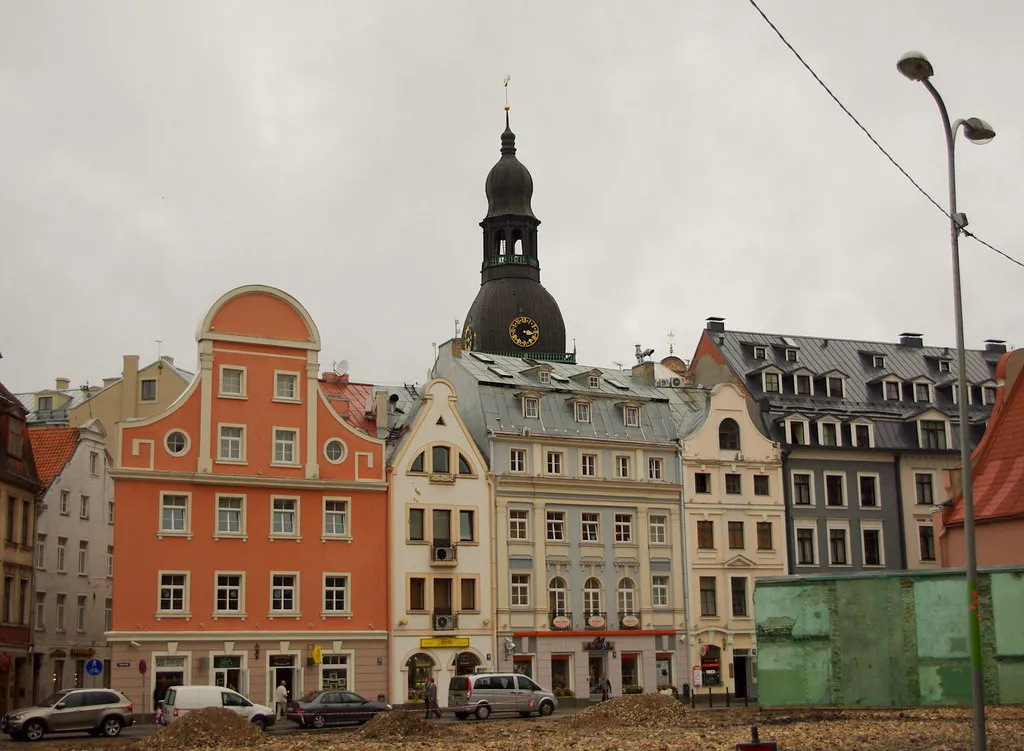
In 2024, Riga was voted the second most walkable city in the world, after Florence, partly owing to the fact that the Old Town is largely car-free. That ranking reflects something visitors feel almost immediately upon arrival: the city is scaled for people on foot, not cars. Distances between major sights are short, and the streetscape rewards slow, unhurried exploration.
Visitors can admire one of the world’s richest accumulations of Art Nouveau architecture, relax in leafy parks along the city canal, or escape to nearby sandy beaches and forests within 30 minutes. The fact that you can move from cobblestone lanes to pine forests in under half an hour speaks to how compact and well-positioned Riga really is.
A Living Cultural Scene with Real Depth
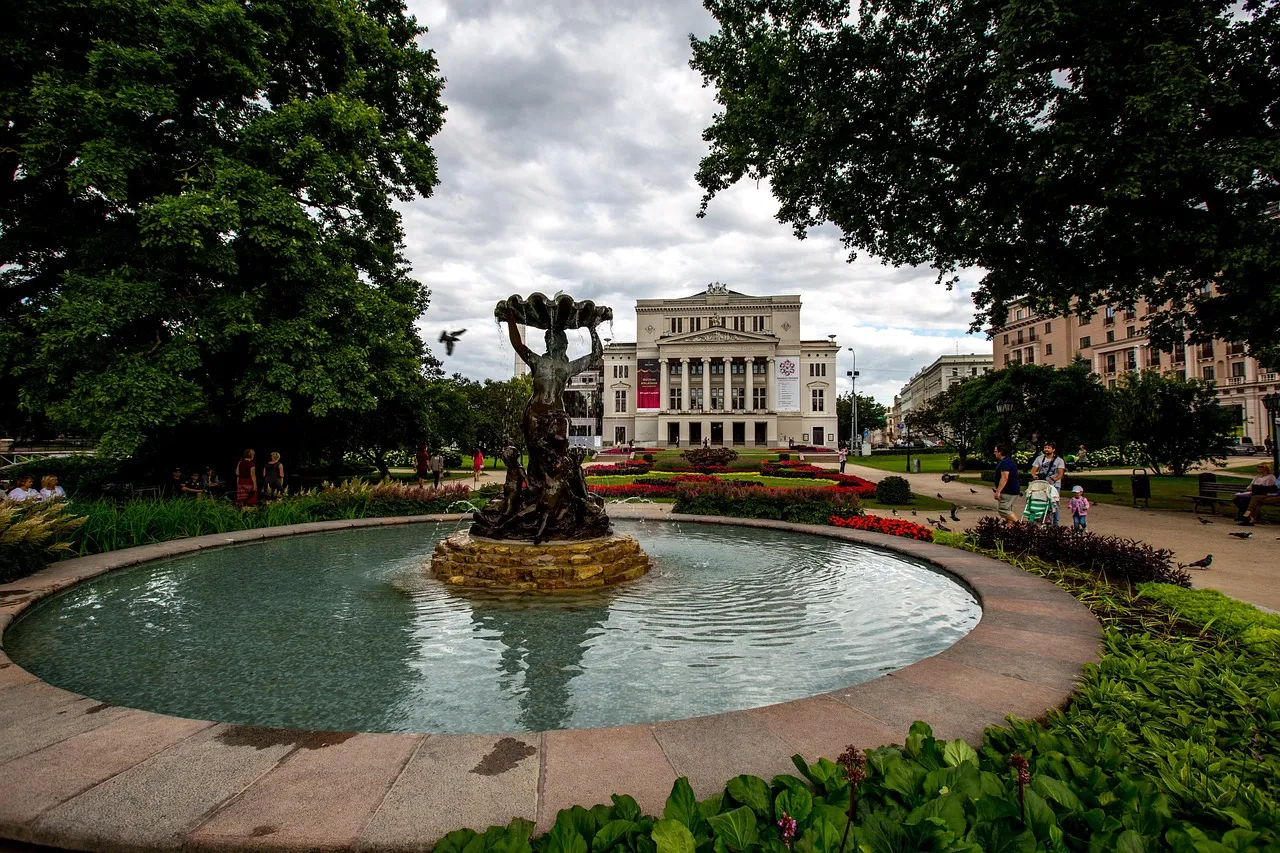
Riga is experiencing a cultural renaissance that feels organic. Contemporary art has taken root in pop-up galleries and repurposed Soviet-era industrial buildings, while major institutions continue to thrive. The Latvian National Opera, founded in 1919, remains one of the finest opera houses in Northern Europe and consistently offers performances at prices far below what comparable institutions charge in Western capitals.
Riga offers a variety of cultural experiences, from the Latvian National Opera to numerous museums and galleries, enriching a visit with local arts and history. The Song and Dance Festival tradition, inscribed on UNESCO’s Intangible Cultural Heritage list, is uniquely Latvian. Every five years, over 40,000 singers and dancers gather in Riga for a massive celebration of Latvian identity, a tradition dating back to 1873 that played a crucial role in Latvia’s independence movement. Witnessing even a smaller version of that tradition in any local performance space is genuinely moving.
History That Is Honest and Unvarnished
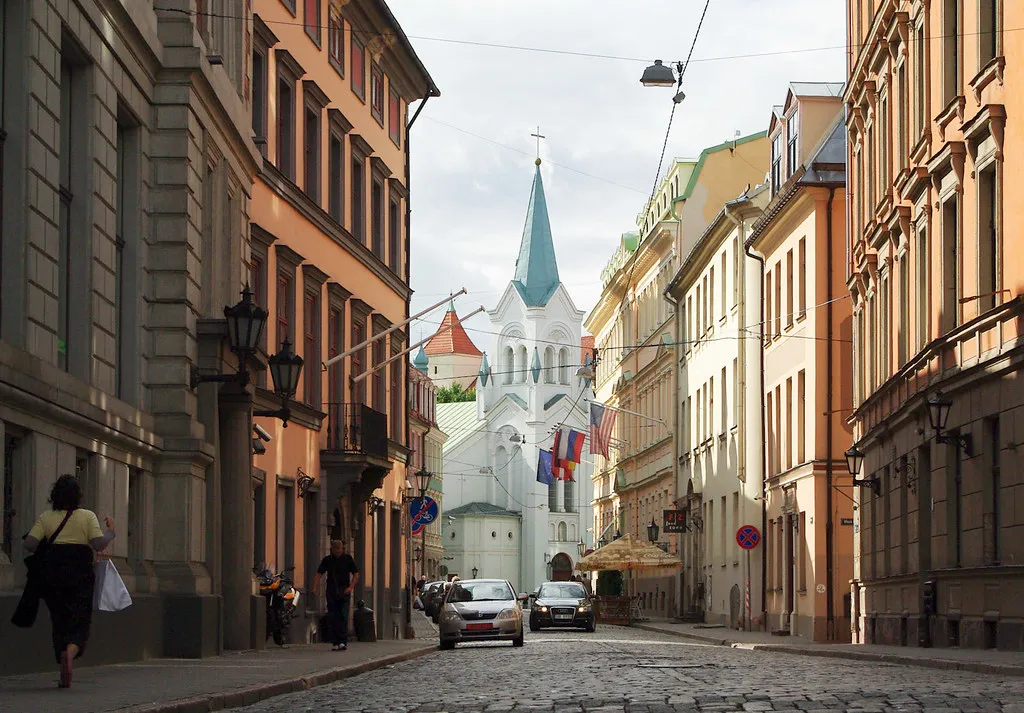
Walking along the canal, visiting Riga Central Market, and learning about Latvia’s Soviet and Nazi occupations between 1940 and 1991 at the Museum of the Occupation of Latvia form a natural, if sobering, itinerary through the city’s 20th century. Riga doesn’t prettify its difficult history, and that honesty gives the city a weight and credibility that purely picture-perfect destinations sometimes lack.
Featuring a mix of architectural styles including Romanesque, Gothic, Baroque, classicism, and modernism, the Old Town is home to numerous cultural monuments, many of which have been restored or reconstructed following Latvia’s independence. That arc of restoration, from occupation to independence to a thriving European capital, is part of what makes the city feel genuinely alive rather than simply preserved.
Excellent Connectivity Across All Seasons
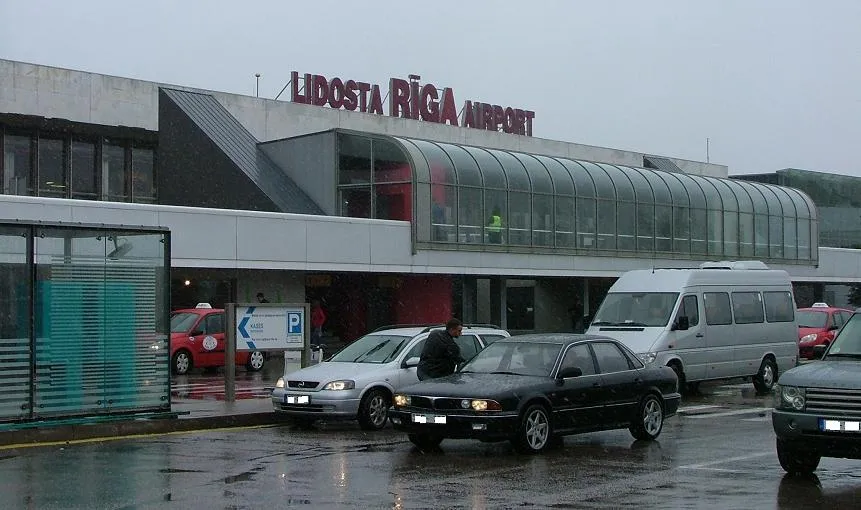
Airlines continue to expand city break routes in response to growing demand, reinforcing Riga’s position as an emerging European short break destination. Riga International Airport connects to most major European hubs, and short-break flights from London, Berlin, Stockholm, and Amsterdam are easy to find. The city is compact enough to be satisfying in a long weekend, yet deep enough to justify a full week.
Whether you visit during long, golden summer evenings or crisp winter mornings, Riga adapts effortlessly. One day might be spent walking between art galleries and green parks, the next moving from local bars to extravagant concert halls. The city feels flexible, welcoming different travel styles without losing its identity. That versatility across seasons is rarer than it sounds.
Winter in Riga: A Reason in Itself
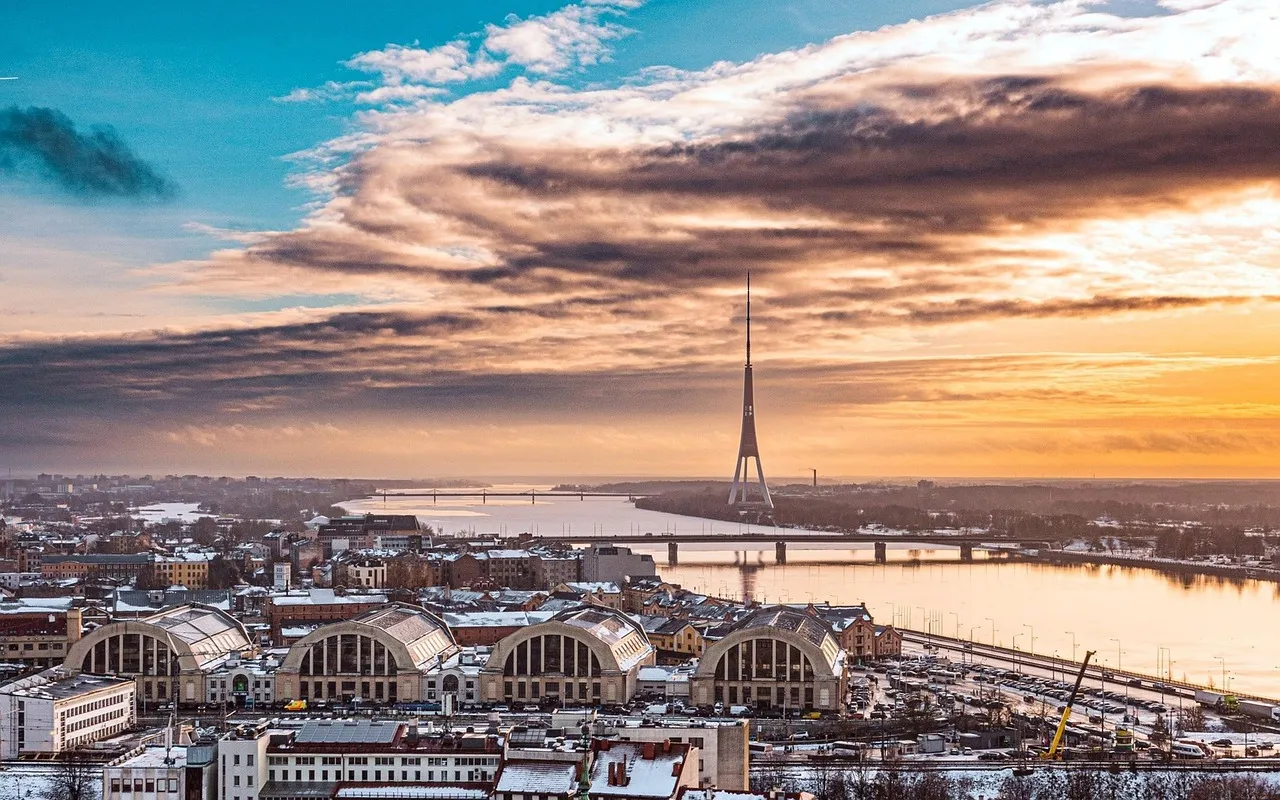
Legend has it that the Christmas tree originated in Riga, making it an ideal destination for a festive-season getaway. In the city’s historic centre, near the 800-year-old Doma Church, Riga hosts a bustling Christmas market where you can try Latvian flavors and experience pagan solstice traditions. The market draws locals as much as tourists, which keeps it from feeling manufactured.
For an outdoor escape, head to Ogre’s Zilie Kalni hiking trails, just 45 minutes from Riga, to explore snow-covered forests and frozen lakes, immersing yourself in Latvia’s winter wonderland. Winter in Riga carries a quiet, almost contemplative quality. The amber-lit windows of the Old Town, the hush of a snowfall on cobblestones, the warmth of a bowl of soup at a local restaurant: it’s a particular kind of European magic that the more obvious city-break capitals rarely deliver.
The Takeaway
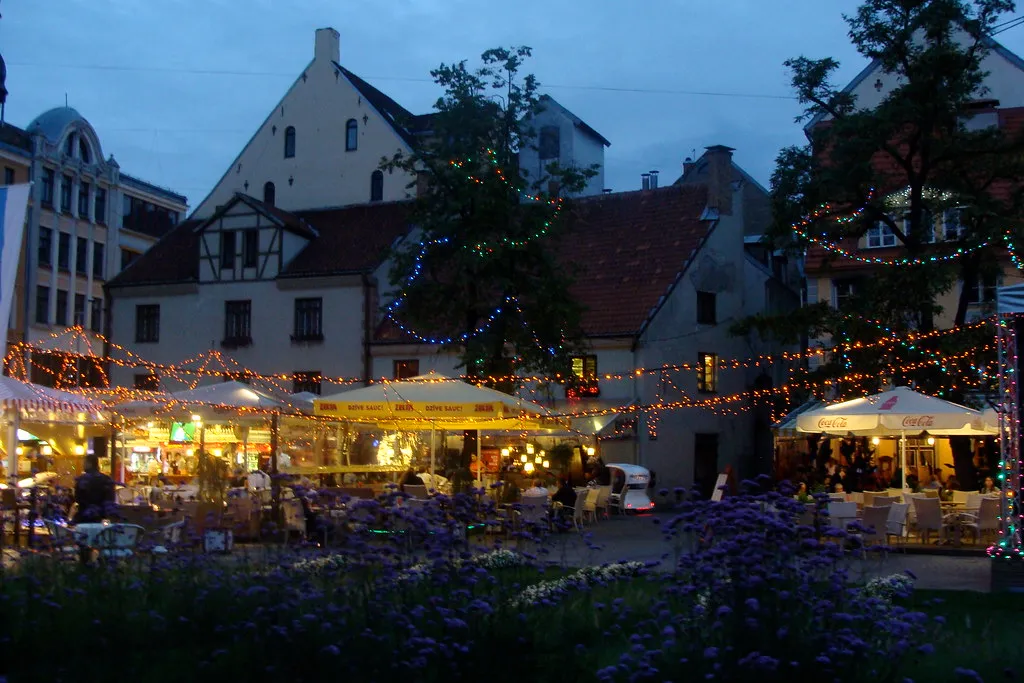
Riga is not a secret, but it hasn’t yet crossed the threshold into the overexposed category that makes some European cities feel more like obligations than discoveries. The appeal of Riga as a city break destination lies in its contrasts: medieval mysteries existing alongside contemporary art performances. That tension between old and new, between Soviet-era memory and EU modernity, between grand architecture and a quietly thriving creative scene, is what gives the city its character.
The window to experience Riga at this particular pitch of discovery is real, and it won’t last indefinitely. Latvia’s capital city, located in the heart of the Baltic States, has all the charm, beauty, and rich culture of centuries gone by that rivals other tourist-magnet cities in Europe, with fewer crowds. That, in the end, is the most honest and practical case for going now.
AI Disclaimer: This article was created with the assistance of AI tools and reviewed by a human editor.