
Why Most US Beaches Are Made of Quartz
The sands of most beaches along the coasts of the continental United States, where quartz is the most abundant and resistant component, are quartz sands. This is not a coincidence. Rocks on land, especially those rich in quartz and feldspar, are slowly broken down over millions of years by weathering and erosion, and rivers then wash the resulting tiny grains down to the coast, where waves redistribute them along the shore.
Rocks take time to decompose, especially quartz and feldspar. Often starting thousands of miles from the ocean, rocks slowly travel down rivers and streams, constantly breaking down along the way. Once they make it to the ocean, they further erode from the constant action of waves and tides. The quartz that ends up on a Florida or North Carolina beach may have begun its journey in the mountains long before humans existed.
Hawaii’s Radical Difference: No Quartz at All
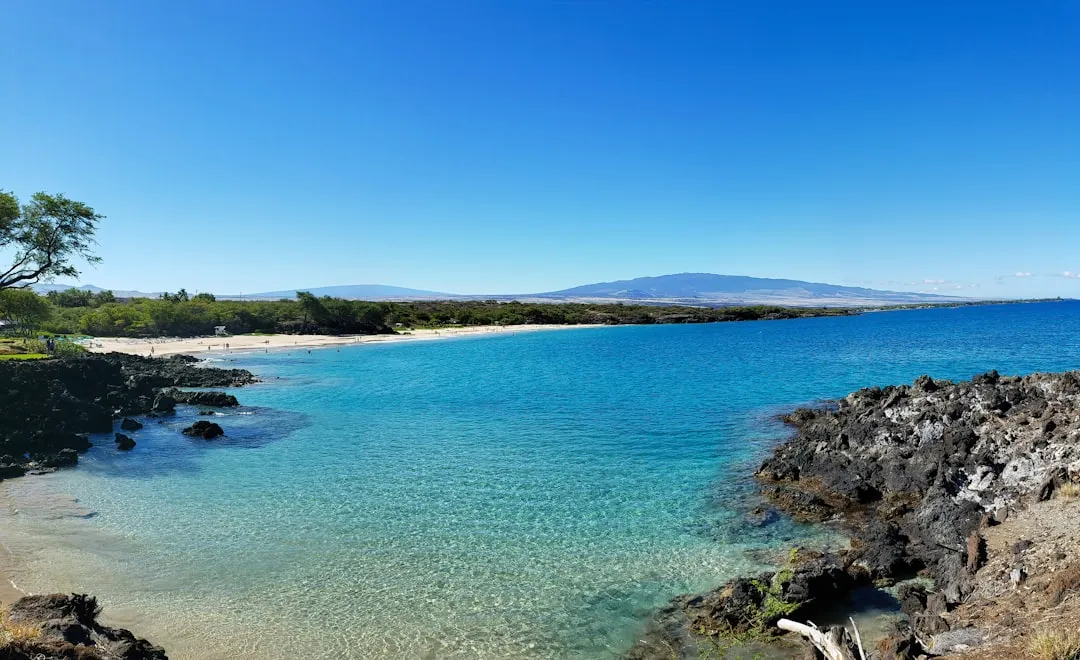
The Hawaiian Islands are of volcanic origin, formed by undersea volcanoes. Since Hawaii does not have a continental source of quartz, the popular white beaches here are composed of the carbonate shells of marine organisms. That fundamental geological difference changes everything about what the sand is, how it formed, and what it feels like underfoot.
Because Hawaii does not have a continental source of quartz sand like mainland beaches, the white beaches and marine sediments here are primarily composed of the carbonate shells and skeletons of marine organisms, such as corals, algae, molluscs, foraminifera, echinoderms, and bryozoans. This makes Hawaiian beaches some of the most biologically rich in origin of any in the United States.
What Coral Sand Actually Is
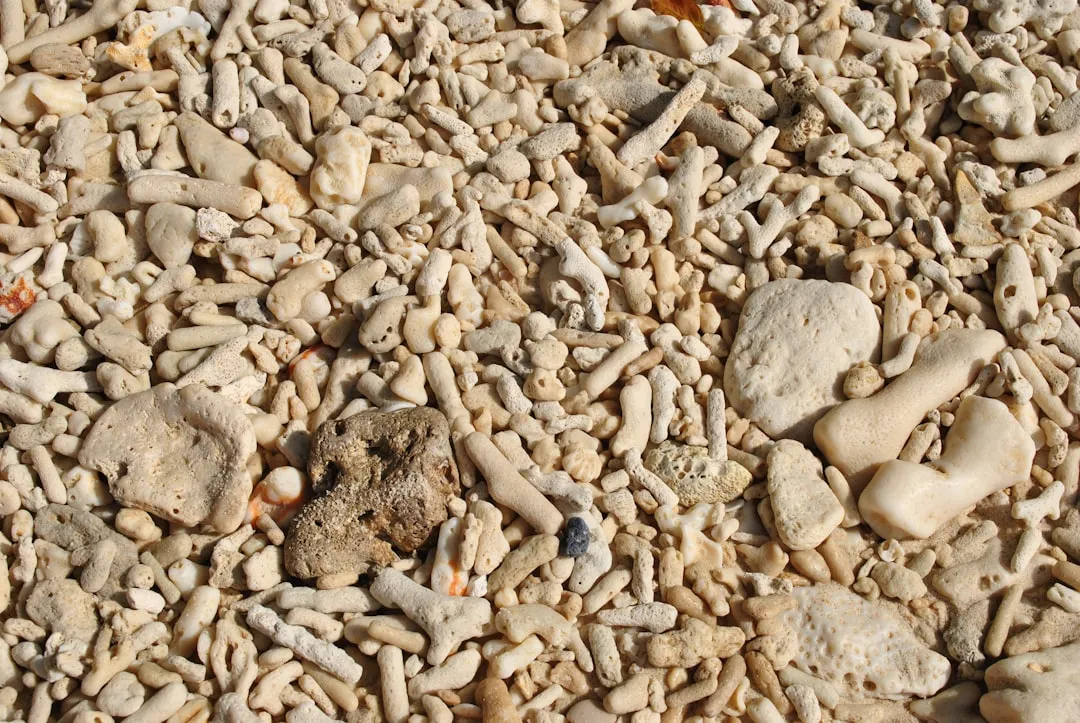
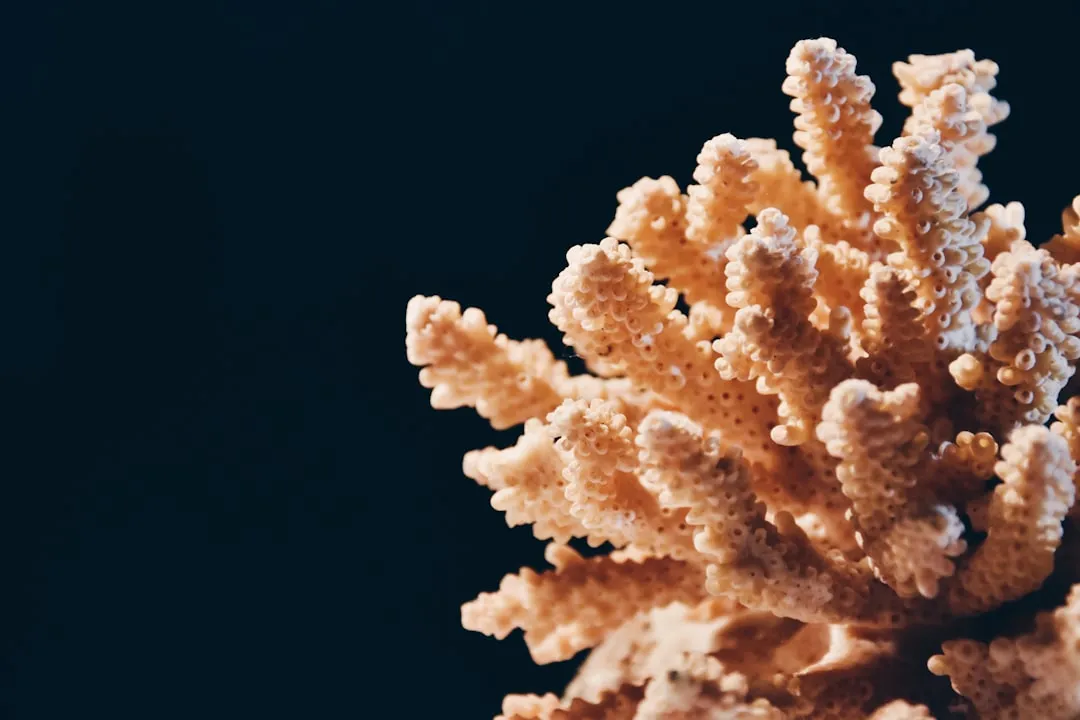
Grains of coral sand consist mainly of calcium carbonate, the mineral that makes the skeletons and shells of corals, clams, and other marine organisms large and small. When the organisms die, these structures are broken apart and ground to bits by the force of waves and water currents, and by other creatures.
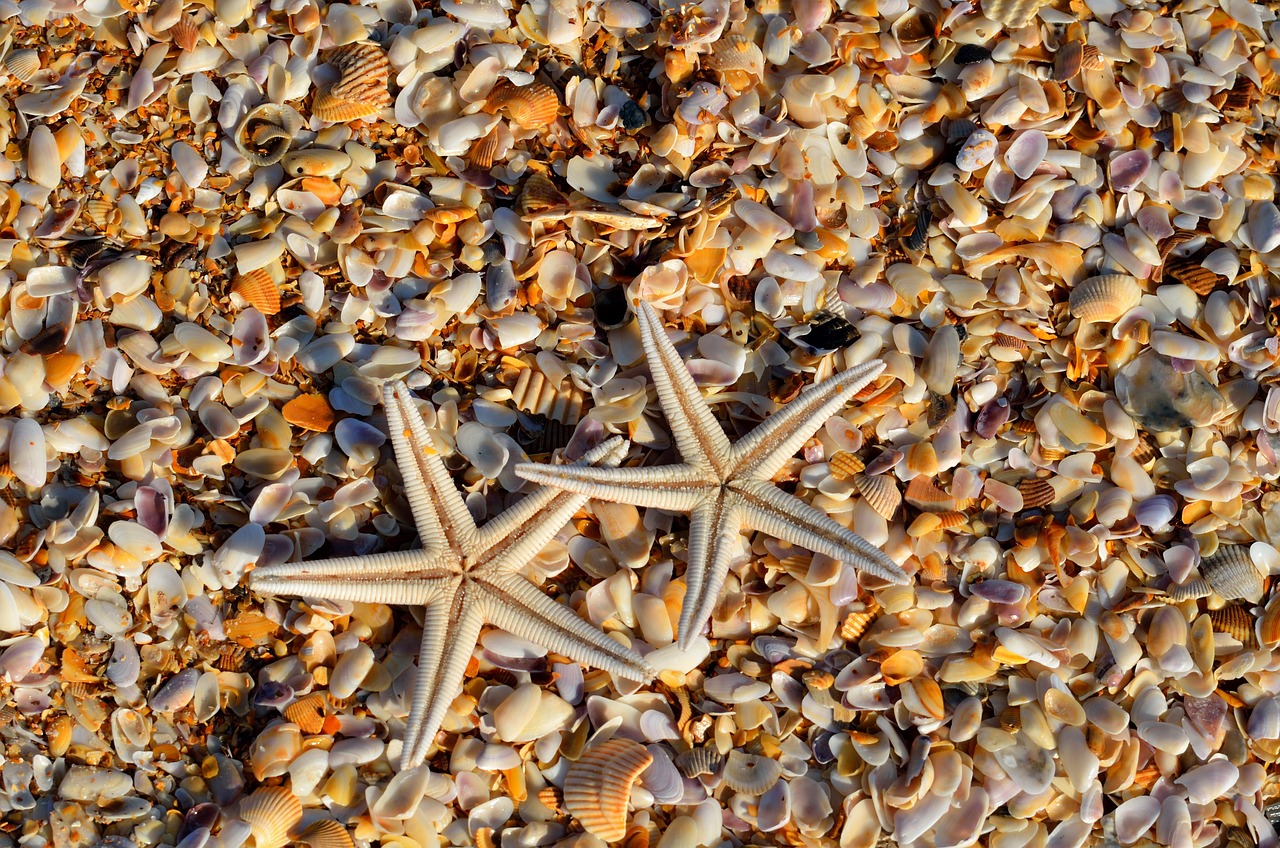
Coral sand is generally light-colored sand, or gravel, which is mostly composed of calcareous fragments of biogenic origin. Scientists usually prefer to talk about biogenic sand instead of coral sand, because in many cases coral sand is not composed only of fragments of coral reefs. Even if corals are present, they often form only a part, and not necessarily a dominant part, of the sand. What you’re really standing on is a mixture of ocean life in various stages of dissolution.
The Role of Parrotfish in Building These Beaches
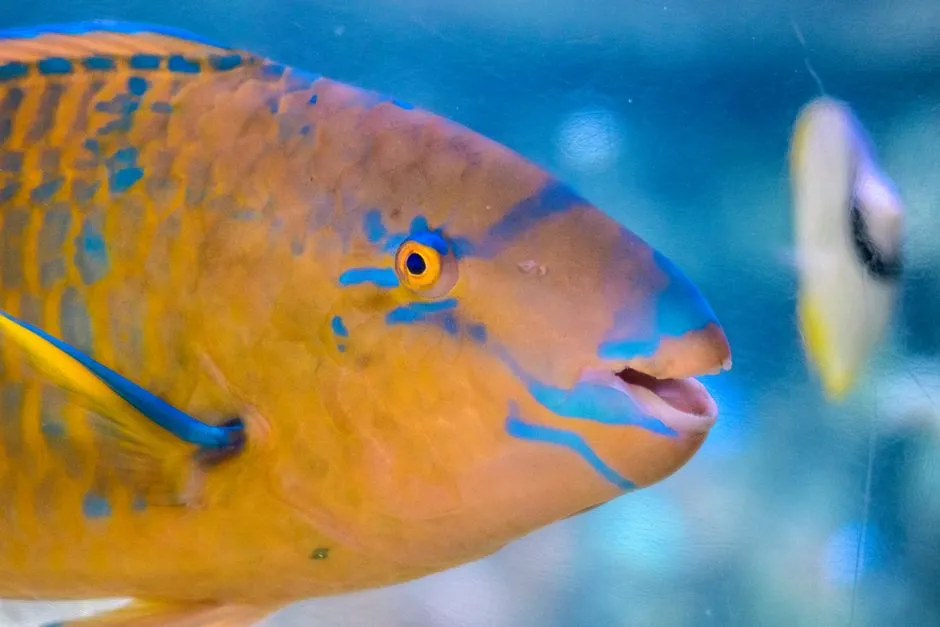
To extract the tender animals from their stony skeletons, a parrotfish uses specially adapted teeth in its throat to grind chunks of coral to the consistency of sand. The fish swallows the animals with the sand, then excretes the sand into the water with the rest of its wastes. It’s one of nature’s more surprising manufacturing processes.
A single large parrotfish produces up to 800 pounds of sand per year. Multiply that by the millions of parrotfish on a reef system and the math adds up to entire beaches. On Hawaiian reefs, parrotfish are estimated to produce seventy percent or more of the beach sand on certain islands. That figure, from researchers studying reef systems, reframes what it means to take a walk on the beach.
The Science Behind Kailua Bay, Oahu
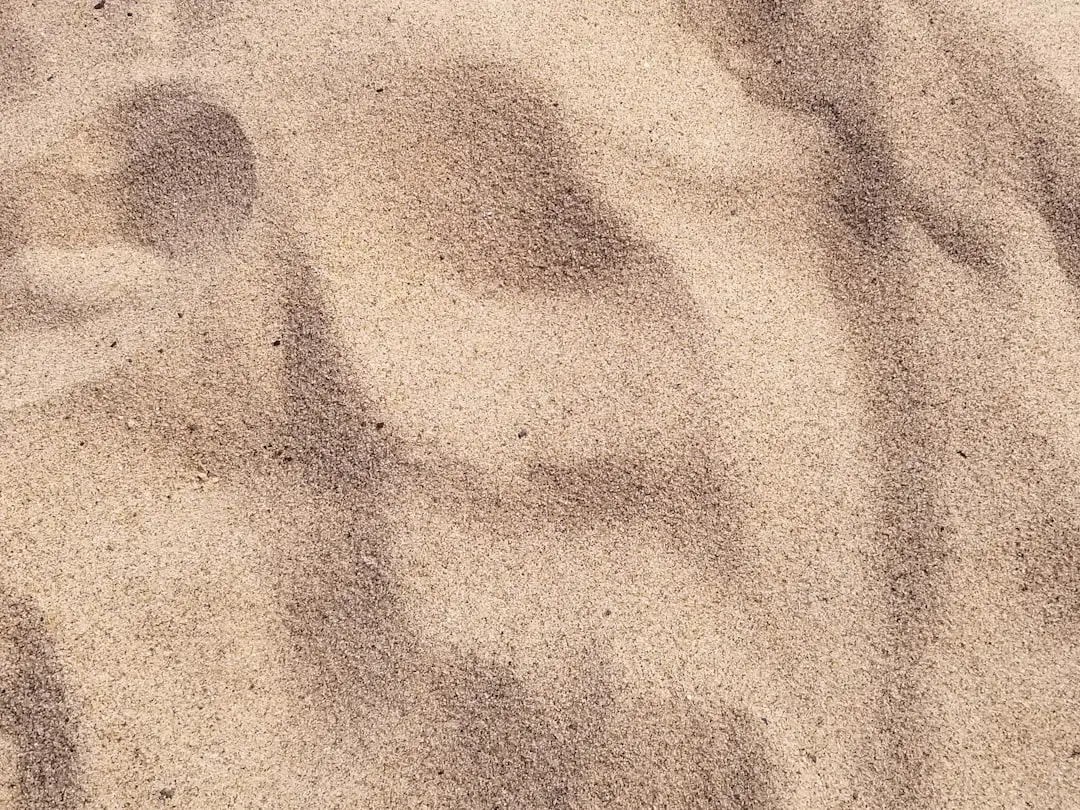
The origin, age, and dynamics of carbonate sediments in Kailua Bay on Oahu, Hawaii, have been studied in detail. The shoreface from shoreline to four kilometers offshore consists of a broad fringing coral reef ecosystem. Research published in the journal Coral Reefs found that sands in Kailua are more than ninety percent biogenic carbonate, dominated by skeletal fragments of coralline algae, followed by the calcareous green alga Halimeda, coral fragments, mollusc fragments, and benthic foraminifera.
A separate USGS study on south Molokai, Hawaii, confirmed similarly rich compositions. Composition of sand grains from the beaches, reef flat, and fore reef of south Molokai provides key information about the origin and transport history of sediment. The most common grain types include coralline algae, coral, chemically altered carbonate, and siliciclastic grains. Minor components include calcareous algal plates, mollusk fragments, and foraminifera.
The US Virgin Islands: Another Coral-Sand Shore Under US Jurisdiction
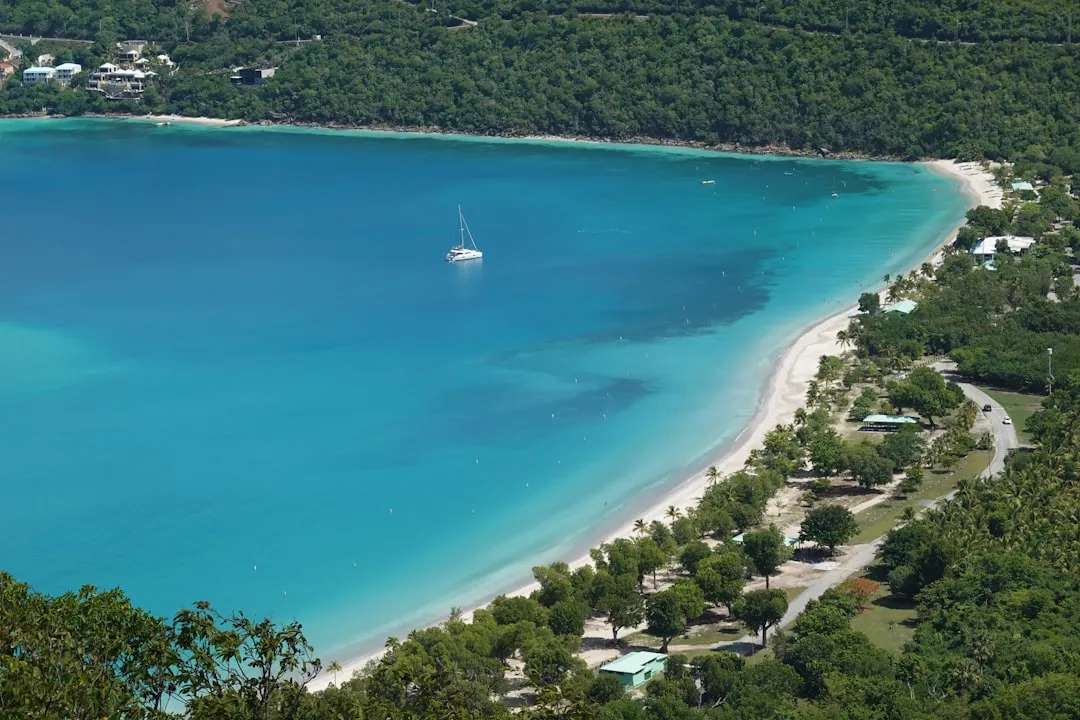
Hawaii is not the only place under the US flag where coral-derived sand defines the shoreline. Calcareous sand at Honeymoon Beach in Virgin Islands National Park is a clear example, and corals and bryozoa are the parent material for many tropical beaches behind offshore reefs, often producing beautiful white carbonate beaches.
The carbonate fraction, or portion of beach sediment that is calcareous, increases near the tropics where the productivity and abundance of calcareous organisms increases. Virgin Islands National Park on St. John sits squarely in that tropical zone, and the beaches there reflect it in every grain of sand.
How You Can Tell the Difference Between Quartz and Coral Sand
If vinegar, which is acetic acid, is dropped onto sand containing calcium carbonate, it will react to produce bubbles of carbon dioxide gas. Sand that does not come from a living source, like quartz sand, does not react with acids like vinegar. It’s a simple field test that reveals the biological origin of the material beneath you.
If you look at coral sand under a microscope, you can see some of the colors and textures of the original shells. Some of the components of biogenic sand are small fragments of larger organisms, like pieces of coral and shells. Other biogenic sand components are the skeletal remains of entire organisms, such as very small mollusks or single-celled foraminifera. At the microscopic scale, these beaches look more like a museum collection than a pile of dirt.
Why Coral Sand Looks and Feels Different
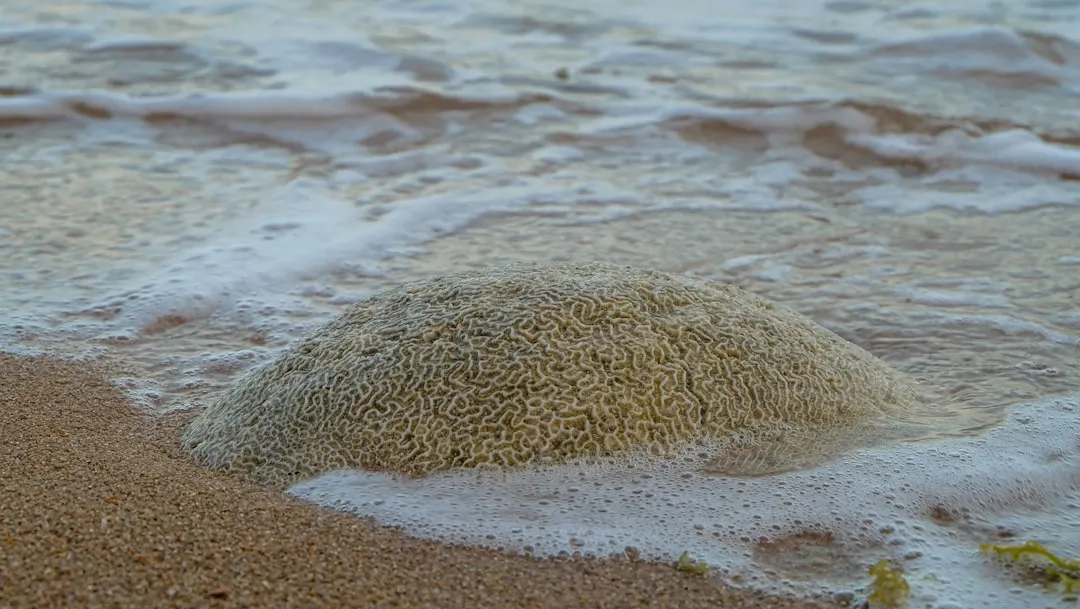
Most beach sand is composed of quartz, which is silicon dioxide from weathered rocks, which is why it appears white or tan. Coral-derived sand, by contrast, tends toward a brighter, almost luminous white, the result of the calcium carbonate reflecting light differently. Biogenic sand is usually light-colored and its components are usually made of carbonate material.
There’s also a textural distinction. Coral sand grains tend to be less angular than quartz grains because they have been tumbled, chewed, and processed by ocean life rather than simply fractured from rock. Coral sand from Molokai, Hawaii, for example, is composed mostly of well-rounded pieces of corals and foraminifera. That rounding gives it a softer, more powder-like feel in certain conditions.
The Contrast with Florida’s Famous Quartz Beaches
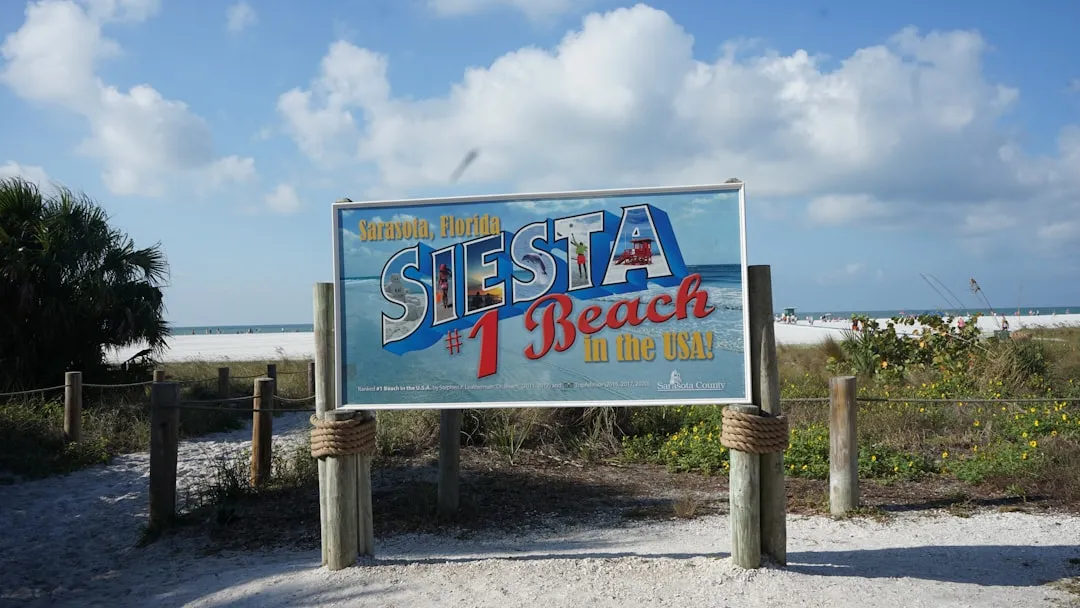
It’s worth noting the sharp contrast between Hawaii’s biogenic shores and what many people consider America’s finest beaches on the Gulf Coast. Unlike beaches elsewhere that are made up mostly of pulverized coral, Siesta Beach’s sand on Siesta Key is ninety-nine percent quartz, most of which comes from the Appalachian Mountains. The two beach types represent almost opposite ends of the geological spectrum.
The whitest sand beaches in the continental United States owe their color to quartz, specifically to the weathering of Appalachian granite over tens of millions of years. Siesta Key Beach in Sarasota, Florida, consistently ranks among the whitest beaches in the world. Its sand is ninety-nine percent pure quartz crystal. The quartz originated in the Appalachian Mountains, was carried south by rivers and coastal currents, and accumulated along the Gulf Coast over millennia. Same color on the surface, completely different story underneath.
What This Means for Reef Health and Beach Preservation
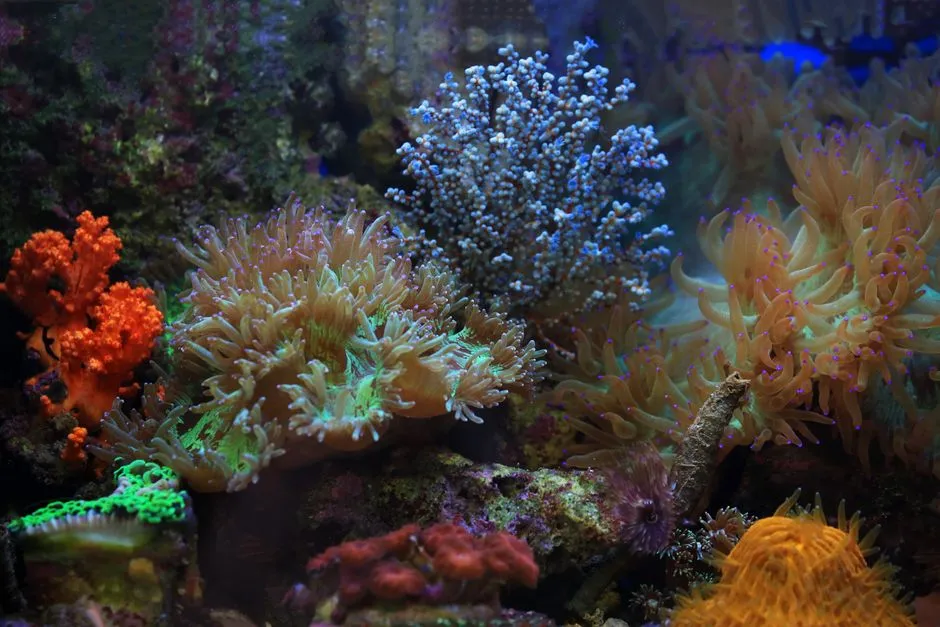
The reef breaks down into sand by two main factors: mechanical erosion and bioerosion. These two processes create some of the sand for Hawaii’s beaches. Mechanical erosion is mainly waves and currents that erode the reef and break it down. Bioerosion is the breaking down of the reef structure into sediment by various marine animals. The health of the beach, then, is directly tied to the health of the reef system that feeds it.
Research on Molokai has implications for management of beaches and coastal resources along fringing coral reefs in that it documents the effectiveness of the wide reef flat and reef crest in blocking sand transport with the fore reef. When reefs suffer from bleaching, pollution, or physical damage, the supply of new sand to adjacent beaches can slow significantly. The beach and the reef are not separate things. They are two stages of the same continuous process.
A Different Way to Think About the Shore
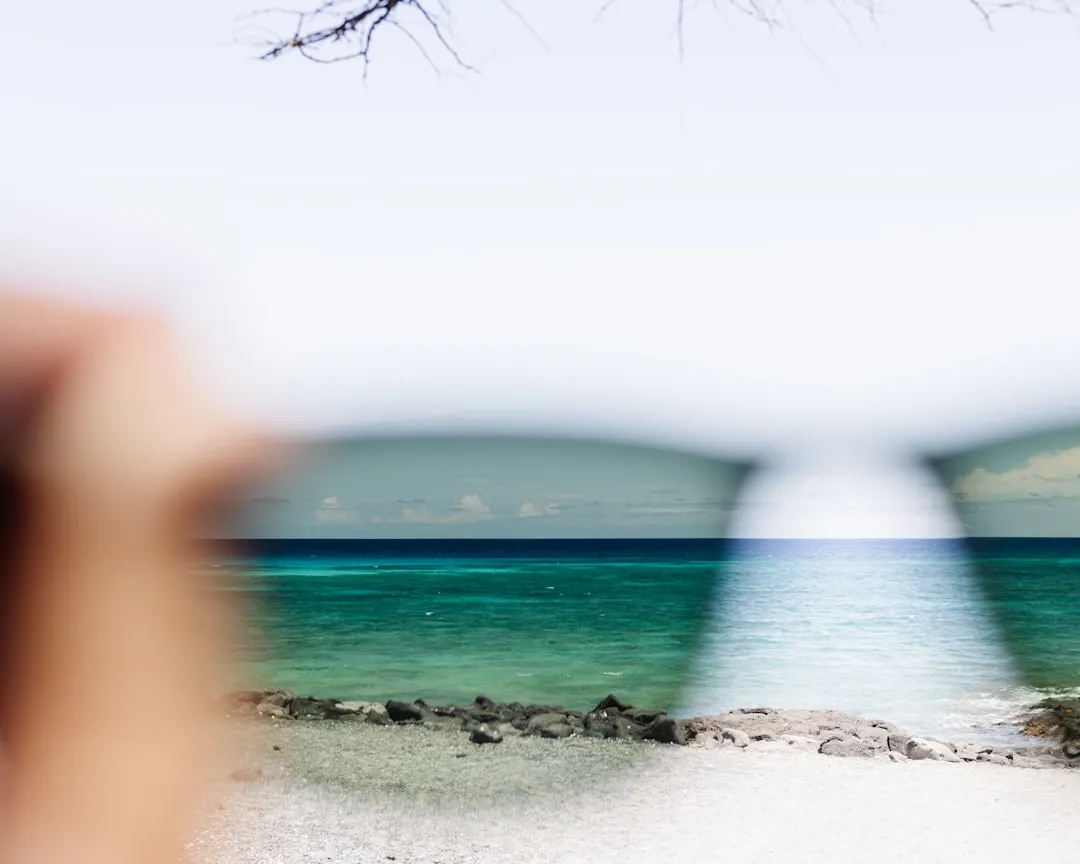
Understanding that some American beaches are built from the compressed remains of ocean life rather than ancient mountain rock shifts something in how you perceive them. These shores are not just scenic backdrops. They are the visible end result of an ecological cycle involving reefs, marine creatures, wave action, and geological time. Sand is composed of shells, rocks, corals, and other materials that could be freshly deposited or perhaps have been pulverized by waves, wind, and other natural forces for thousands or even hundreds of thousands of years.
The next time you stand on a white Hawaiian beach or wade into the shallows of the US Virgin Islands, consider that the grains between your toes were once part of a living reef. In many tropical regions, much of the sand is crushed-up calcium carbonate, the broken shells and skeletons of marine animals like coral, mollusks, and foraminifera. That’s not just geology. It’s biography, written in grains of calcium carbonate, one generation of reef organisms at a time.
AI Disclaimer: This article was created with the assistance of AI tools and reviewed by a human editor.