


A girls’ trip sounds simple until you realize one friend wants boutique hotels and another is watching every dollar. The gap between those two realities is exactly where most group travel plans fall apart. The good news is that with the right groundwork, you can build a trip that feels generous and fun without leaving anyone financially stretched.
Women are traveling more than ever and doing so with real purpose. Some eighty-two percent of all travel decisions are made by women, whether it’s choosing the destination, booking accommodations, or deciding on tours and activities. That’s a remarkable amount of collective decision-making power, and it makes sense that group trips between friends are becoming an increasingly significant part of how that plays out.
Start With an Honest Budget Conversation
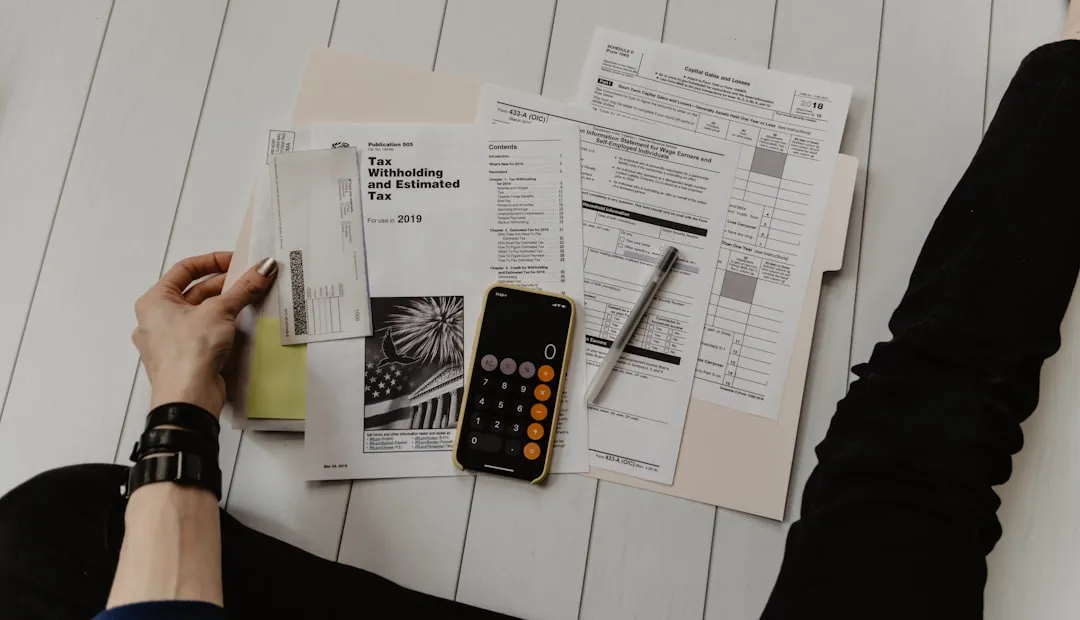
The most important part of planning a group trip happens before anyone books a single thing. The planning stage gives your group the chance to be transparent about everyone’s budget, and it’s important to let everyone know what things they expect from the trip. Skipping this step is one of the most common reasons trips become tense.
Some friends might be comfortable spending around $150 per day while others are managing closer to $60. Name those numbers early. It feels awkward for about thirty seconds and then it becomes the foundation for everything else. No one should have to quietly stress about money while pretending to have fun.
Pick a Destination That Works for Different Spending Styles

Not every destination puts the same pressure on a budget, and the right choice can make a genuine difference. Some destinations offer a good choice no matter the kind of travel you enjoy, because they’re accessible, easy to get to, and offer a variety of budget options from lower-cost accommodation to luxury alternatives for those who want to splurge.
There’s a group for every style and budget, ranging from adventure-heavy experiences to luxury and more budget-friendly options. The key is choosing somewhere that genuinely offers a range rather than a place where the only decent activities all come with a high price tag. A destination with strong public transport, free cultural sites, and a mix of dining options naturally supports different spending levels within the same group.
Book Accommodation That Pools Your Resources

One of the fastest ways to reduce individual costs is to share a larger space rather than booking separate hotel rooms. If you’ve opted for a vacation rental with multiple beds, the more people you have, the cheaper your accommodation will be per person. For a group of five or six, a two or three-bedroom apartment can cost significantly less per head than individual hotel rooms.
Splitting costs by room allows each smaller group within the larger party to choose accommodation in line with their own budget. This approach also means friends who want to share a room to save money can do so without it feeling awkward. A common practice is for one person to book the vacation rental and then use a cost-splitting tool to collect funds from the others.
Plan Early to Avoid Price Spikes

More than half of travelers expect to pay more for travel expenses in 2025 than they did in 2024, according to a Squaremouth survey. That trend has carried into 2026 as well, making early planning genuinely worthwhile rather than just a nice-to-have habit.
Women already spend more time planning international trips than men, averaging around twelve hours compared to about nine and a half hours, according to a 2023 Skyscanner survey. That extra investment in preparation pays off. Flights, vacation rentals, and popular experiences often cost considerably less when booked weeks ahead, and for a group trip, those savings multiply across every person travelling.
Use a Shared Expense Tracker from Day One

Managing group money without a clear system is a recipe for confusion. Apps for group travel expenses like Splitwise, Tricount, or Venmo allow groups to track and settle expenses in real time, making cost-sharing effortless, and having all the data in one place is a great way to resolve financial disagreements and see exactly who owes what.
Assign responsibility for major purchases so that one person books accommodations and another handles transportation, and establish a shared digital expense tracker from the start. Keeping everything visible removes the guesswork and prevents the quiet resentment that can build when one person feels like they’ve been paying more than their share.
Separate Shared Costs from Personal Ones
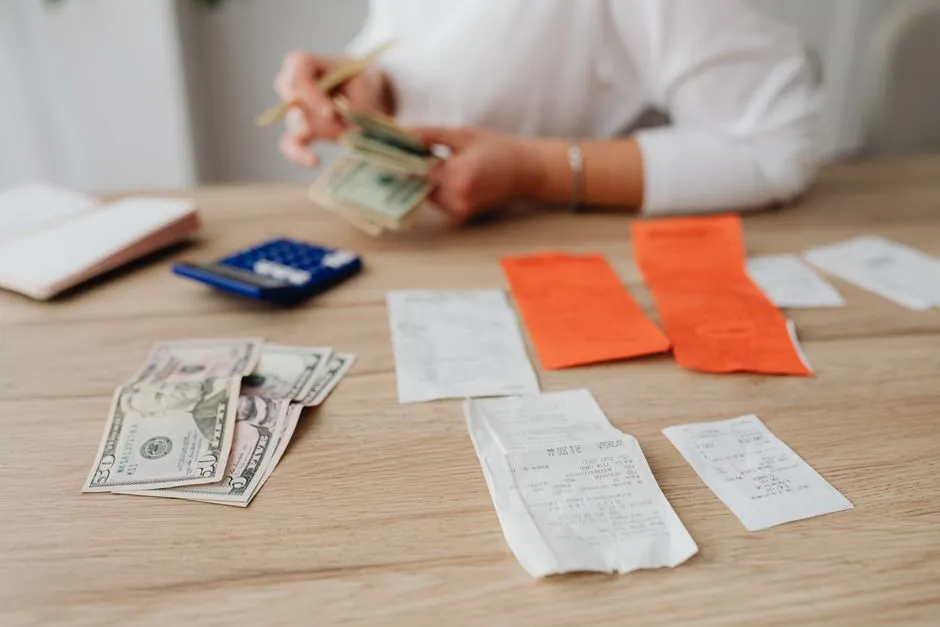
Travel expenses typically fall into two categories: per-person costs and shared package costs. Per-person expenses are individually assigned and include personal airfare, separate meal purchases, and individual event tickets, while shared costs cover services like hotel rooms, group tours, and rental cars. Keeping these two categories distinct makes every financial conversation much cleaner.
As a general rule, shared costs include the apartment or hotel, taxis, a rental car, groceries, and group tours, while individual costs cover shopping, solo excursions, extra drinks, and spa treatments. Agree on this division before you arrive, and it becomes genuinely easy to enjoy spontaneous splurges without anyone feeling like they’re subsidizing someone else’s choices.
Negotiate Group Discounts Wherever Possible

Travelling as a group carries real negotiating power that solo travelers simply don’t have. One of the advantages of being in a bigger group is that you may be able to pay less per person through group discounts. A tour guide may require a minimum spend, and with five people in the group, you can each pay less to reach that minimum.
The price of many group activities such as tours can also be negotiated, especially when you have a group of people paying per head. Museums, cooking classes, wine tastings, boat trips, and private guides are all worth asking about. Many operators offer a reduced rate for groups of four or more, but they won’t always advertise it unless you ask directly.
Choose a Proportional Splitting Method When Budgets Genuinely Differ

Equal splitting is tidy and simple, but it doesn’t always reflect reality. Equal splitting works well for groups with similar spending habits and participation levels, while proportional splitting accommodates different budgets by dividing costs based on income, room size, or level of participation. The “pay for what you use” method tracks individual consumption, and hybrid approaches combine multiple methods for different expense categories.
When splitting vacation rental costs, it’s important to be mindful of other people’s circumstances and remember that a small amount of money to one person might be a large one to someone else. What may seem insignificant to you could cause financial strain on a friend if payments aren’t made on time. A proportional system handled with kindness keeps the friendship intact while making sure no one feels unfairly pressured.
Build in a Buffer for Spontaneous Moments

No matter how carefully you plan, something unexpected always comes up. A spontaneous ferry ride, a market that deserves more than twenty minutes, a restaurant too good to pass on. Setting a rough minimum and maximum spend per person for the entire trip, or for major categories like accommodation and flights, provides a clear boundary for planning.
Beyond the fixed budget, encourage each person to set aside a small personal buffer for unplanned moments. This doesn’t need to be large, even a modest amount per day creates breathing room. The goal is to ensure that a wonderful unexpected opportunity doesn’t become a source of stress or guilt for the friends who feel they can’t participate.
Keep the Communication Warm and Ongoing

Establishing clear communication with everyone in the group is a critical first step toward a smooth vacation. This doesn’t stop once the flights are booked. Checking in regularly as the trip approaches, sharing updates on costs, and confirming everyone is comfortable with the plan prevents small concerns from growing into bigger ones.
Ensuring everyone agrees on trip expenses before departure is essential to avoid conflicts later, and from expense-sharing apps to group payment platforms, there are numerous tools available to simplify cost-sharing and make managing group finances easier and more transparent while traveling. The tone you set in the planning stage usually carries through into the trip itself. Groups that talk openly about money tend to travel together again.
The Takeaway

A girls’ trip that fits everyone’s budget isn’t about spending less. It’s about spending clearly. When the financial picture is honest and agreed upon from the start, the experience becomes more generous, not more constrained.
Travel companies dedicated to women-only customers have increased by two hundred and thirty percent over the past few years, which reflects just how seriously women are taking group travel as a meaningful part of life. The logistics are manageable. The memories are worth it. A little transparency and a shared expense app can carry you a very long way.
AI Disclaimer: This article was created with the assistance of AI tools and reviewed by a human editor.