
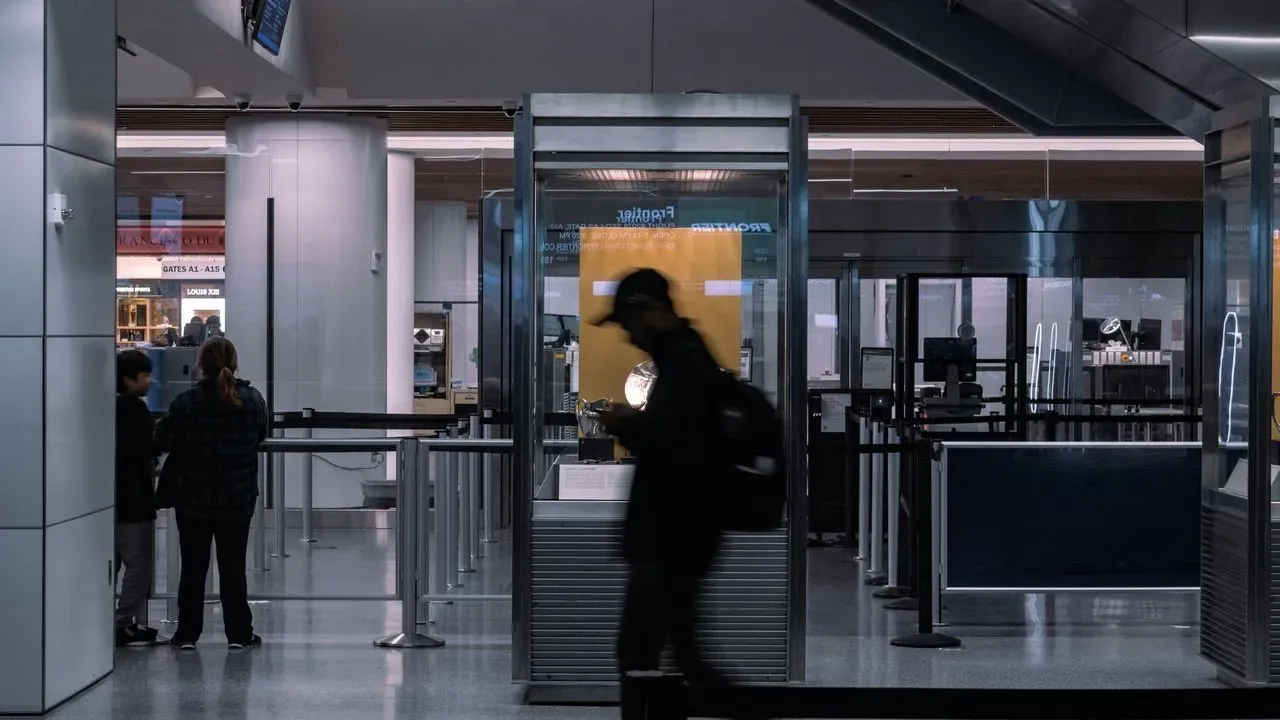

Airports across the United States stand on the cusp of a measured evolution in how passengers navigate security. The changes stem from the Horizon 25 Strategy now moving into broader implementation under newly confirmed TSA Administrator David Cummins. Early testing has already shown promise in balancing stronger screening capabilities with reduced processing times.
The Strategy Taking Shape
Cummins has focused on integrating proven tools from multiple technology partners into a unified lane design. The approach draws on a full year of trials conducted at various checkpoints around the country. Those evaluations allowed engineers to refine hardware and software combinations before wider deployment. The goal remains straightforward: maintain rigorous safety standards while easing the flow of travelers through the system. Stakeholders from airlines to frequent flyers stand to benefit once the configuration reaches full scale. The emphasis on precheck lanes first reflects a deliberate choice to refine the process in an environment already familiar to many passengers. Adjustments made during testing addressed both detection accuracy and user experience.
Technologies Driving the Update
The updated lanes will feature E-Gates that employ facial comparison to verify traveler identity quickly and accurately. Passengers then place carry-on items onto a 3D scanner capable of producing detailed images without requiring removal of electronics such as laptops. The system can digitally examine contents beneath those items, reducing the need for manual unpacking. Travelers next proceed through a body scanner at a normal walking pace, eliminating the familiar pause to raise arms. Cummins has noted that the entire sequence in precheck lanes can unfold in seconds rather than minutes. This end-to-end flow represents a notable shift from current procedures at many checkpoints. The combination of these elements creates a more continuous movement through security. Each component underwent separate validation before integration into the single-lane setup.
Rollout Timeline and Scope
TSA plans to introduce the new configuration across all 400 precheck lanes in the coming months. The phased approach allows operational teams to monitor performance and address any remaining adjustments on site. Initial installations will prioritize airports with high precheck volumes to maximize early impact. Cummins has emphasized collaboration with hardware and software providers throughout the process. This partnership model helped identify the most effective tools during the testing phase. Broader application beyond precheck lanes may follow once the initial rollout demonstrates consistent results.
Practical Effects for Passengers
Frequent travelers can anticipate a noticeably smoother progression through security when using precheck. The removal of several common steps, such as electronics removal and arm positioning, contributes to the time savings. At the same time, the enhanced imaging supports thorough inspection without added physical interaction. Those new to precheck may find the streamlined process an added incentive to enroll. The technology maintains the core security mission while addressing a long-standing pain point for air travelers. Implementation will occur gradually, giving airports time to train staff and communicate changes to the public. Overall, the updates reflect a steady effort to modernize checkpoint operations in line with evolving capabilities. Passengers can expect continued emphasis on both safety and efficiency as the lanes come online.
AI Disclaimer: This article was created with the assistance of AI tools and reviewed by a human editor.