


A Market Growing Faster Than Anyone Expected
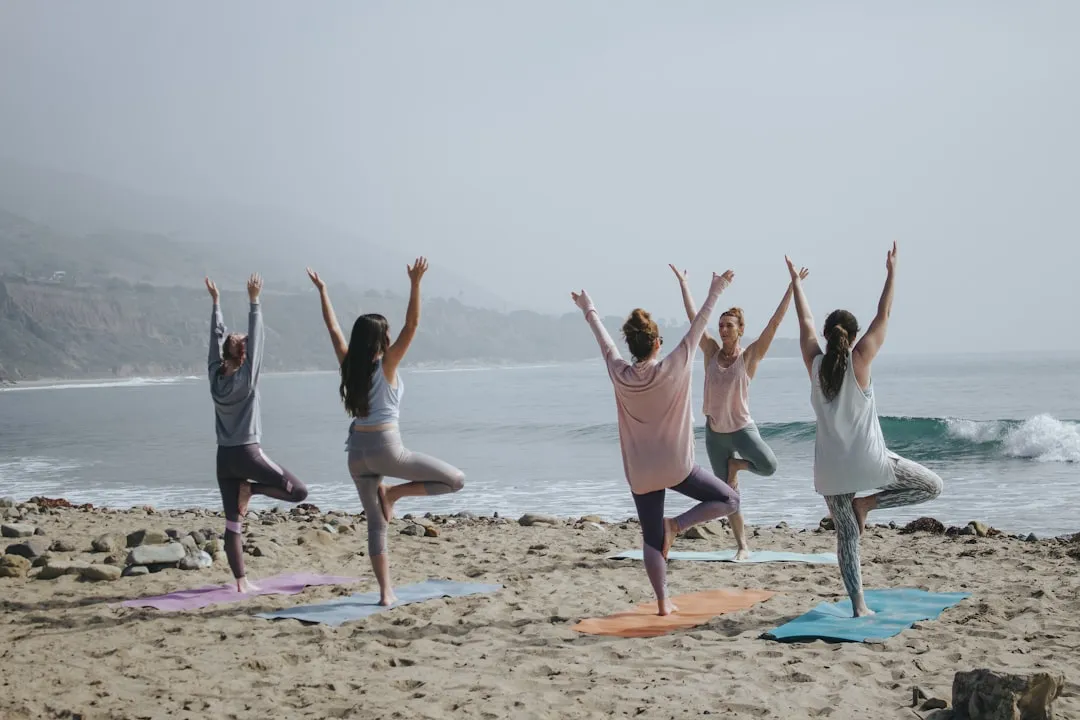
The broader wellness retreat industry provides the context here. The wellness retreat market was valued at around USD 183.8 billion in 2024 and is projected to reach USD 371.8 billion by 2034. Within that growth, the quieter corners are expanding fastest. Retreat listing platforms like BookRetreats and Retreat Guru saw a combined thirty-five percent year-over-year increase in bookings between 2023 and 2025.
Mental health and nervous system regulation retreats are among the highest-growth categories in 2025 and 2026, as trauma-informed approaches and somatic healing gain mainstream awareness. Journaling and walking retreats sit comfortably within this category. They cost far less to run than spa or medical wellness programs, which may explain why smaller, independent retreat hosts have been so quick to embrace the format.
What These Retreats Actually Look Like
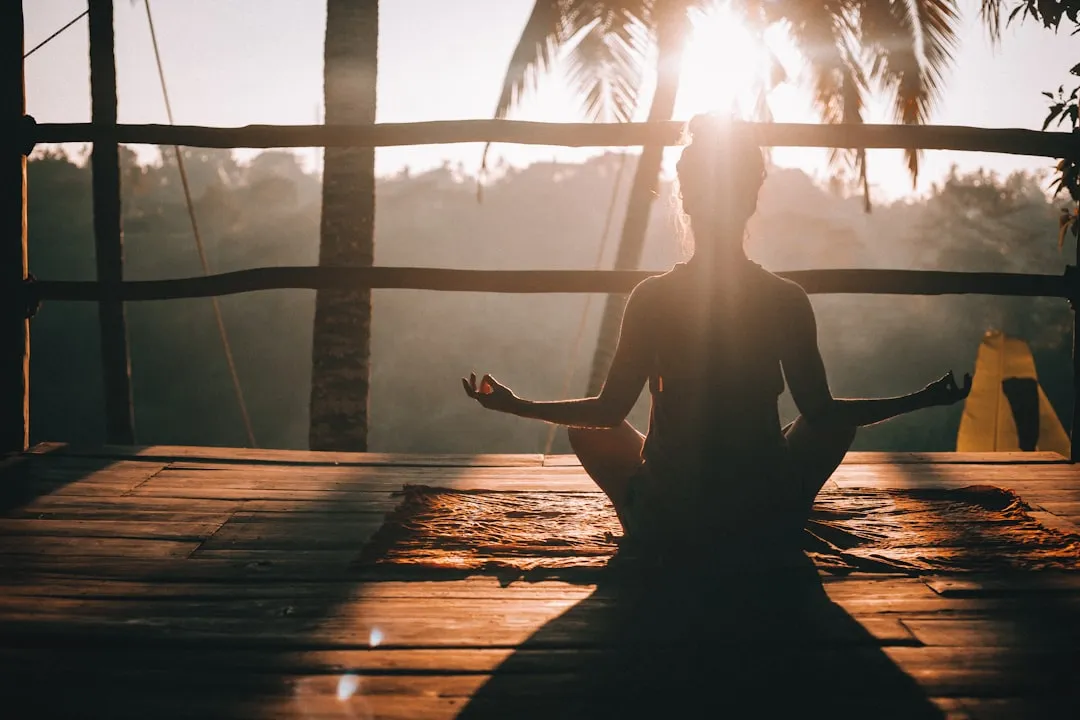
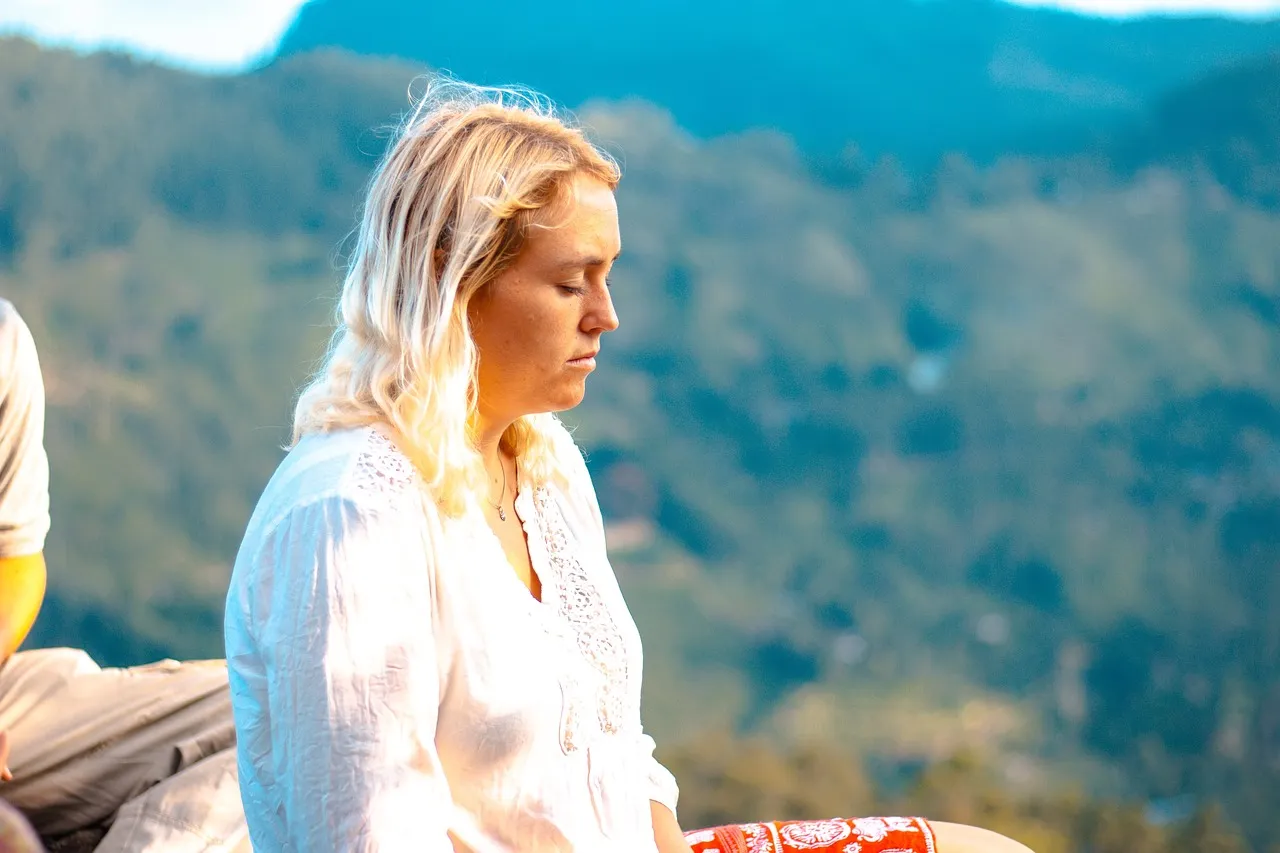
A common rhythm emerges across programs: mornings often start gently with yoga, meditation, a walk, or quiet journaling before breakfast, followed by structured writing sessions, with afternoons typically left unstructured for solo writing, exploring the local area, or simply resting. The days are not packed. That’s the point.
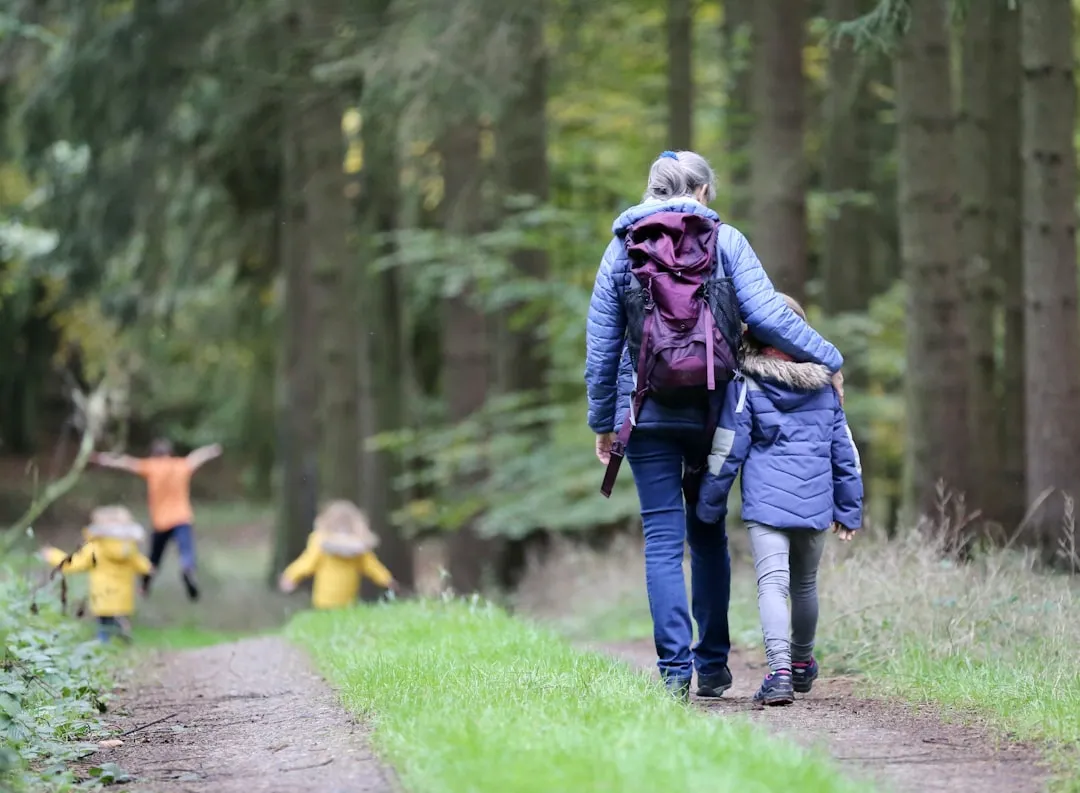
These retreats encourage participants to unplug from their devices and immerse themselves in nature and mindfulness practices, and by disconnecting from technology, individuals can reconnect with themselves, leading to reduced stress and improved mental clarity. The environments are typically rural: forests, coastal paths, farmland, or mountain trails. Nothing that competes with the notebook for attention.
Why Journaling Works: What the Research Shows

Research suggests that journaling can help people accept rather than judge their mental experiences, resulting in fewer negative emotions in response to stressors. This isn’t soft wellness talk. The evidence has been building for years across peer-reviewed literature. Studies show that time spent journaling about our deepest thoughts and feelings can even reduce the number of sick days we take off work.
The positive effects of journaling include reducing anxiety, breaking away from a cycle of obsessive thinking, improving awareness and perception of events, and regulating emotions. What makes the retreat context particularly valuable is that these benefits are concentrated. Writing for an hour a day over four or five consecutive days creates a cumulative effect that a ten-minute morning habit rarely produces.
Nature Journaling: Where Walking and Writing Overlap
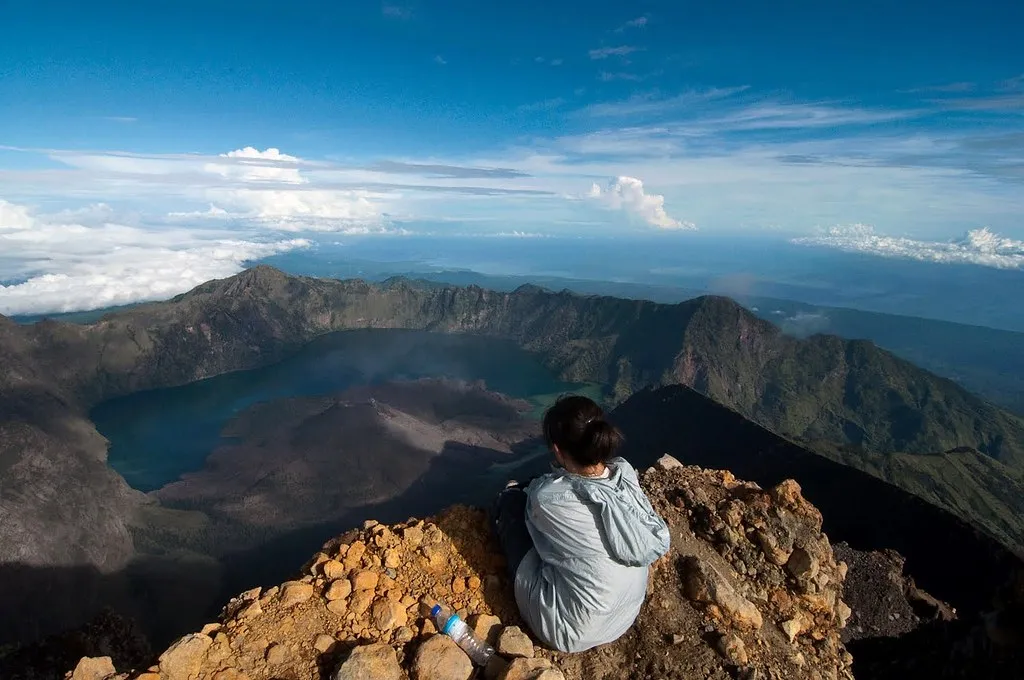
Some of the most compelling programs don’t separate the walk from the journaling. They treat them as one continuous practice. Research from Penn State University preliminarily suggests that nature journaling may have a beneficial effect on mental health, in addition to community building and outdoor engagement.
Nature journaling can help people deal with grief or process anxiety or depression, and is described as restorative, giving people a chance to slow down, disconnect from the stressors of daily life, and pay attention to their surroundings. Participants in these programs are often invited to stop mid-walk and write whatever surfaces. The movement seems to loosen something that sitting at a desk does not.
The Science of Walking in Nature
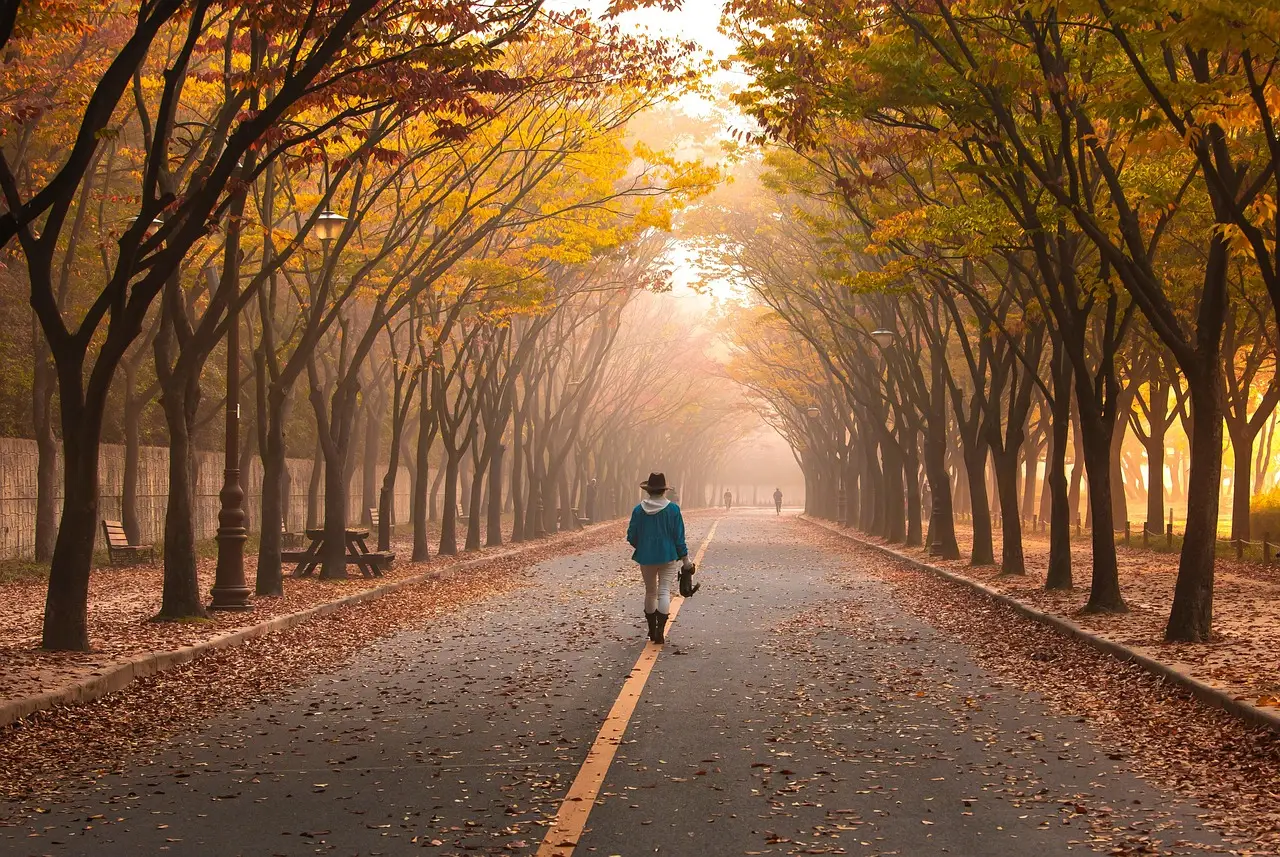
Evidence from a systematic review published in Current Psychology suggests that nature-based walking interventions can improve adults’ moods, sense of optimism, mental well-being, and nature connectedness. That review, published in 2024, drew on seventeen discrete studies involving over a thousand adult participants. The findings were consistent enough to be meaningful.
Physical activities in the natural environment can support individuals’ mental well-being by reducing stress levels, increasing life satisfaction, and strengthening psychological resilience. Walking outdoors, it turns out, is not simply exercise. It’s a form of environmental therapy that changes the nervous system in measurable ways, which is precisely why retreat designers have centered it rather than treating it as filler between sessions.
Who Is Actually Attending These Retreats
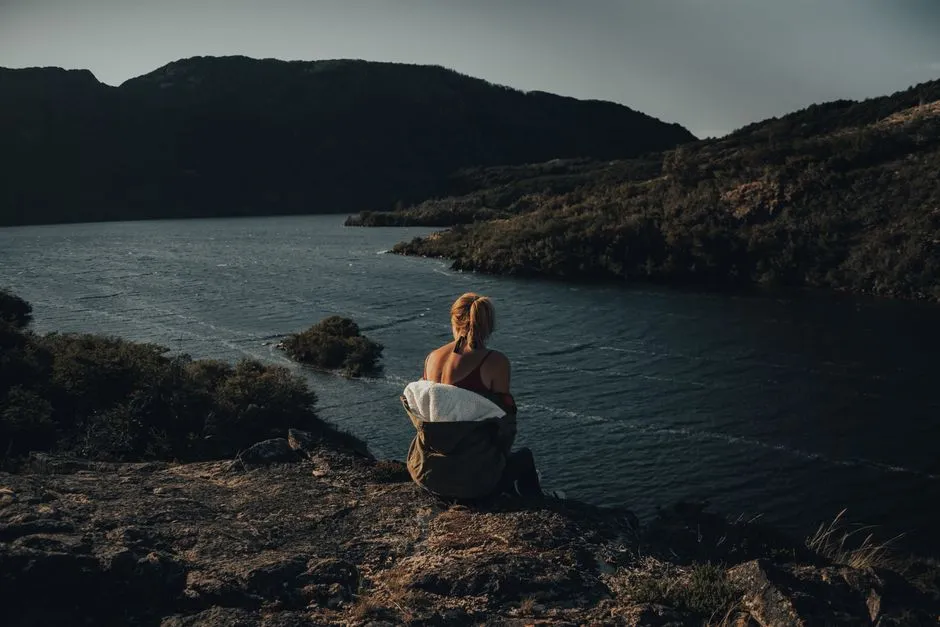
In 2024, solo travelers led the traveler type segment with around forty percent of the market, showcasing individual wellness preferences. Journaling and walking retreats skew heavily toward solo attendees. The format suits people who want meaningful solitude without isolation: structured enough to feel purposeful, quiet enough to feel personal.
One profile that appears frequently is the curious creative: someone who wouldn’t call themselves a writer but is drawn to a retreat that combines writing with yoga, cooking, walking, or art, and these guests are often the most surprised by what they produce. Many attendees arrive with no journaling habit at all. The retreat itself becomes the starting point.
The Role of Digital Detox in the Format

Journaling and walking retreats almost always include a phone-free or screen-minimal component. This isn’t incidental. Studies suggest that intentional breaks from digital stimulation can help reduce physiological stress markers and improve mental clarity, and without constant digital input, travelers often report better sleep patterns, reduced anxiety, and greater creativity.
Digital detox retreats incorporate activities like journaling, nature walks, and meditation to facilitate the reconnection process, and participants report feeling more present and mindful, experiencing an increased sense of calm and focus that enhances their overall well-being. When the phone goes away, the notebook fills up. That exchange is central to why this particular format resonates.
Destinations That Have Embraced the Format
Japan has become one of the more remarkable settings for walking and writing retreats, given its ancient pilgrimage trail culture. During nine-day walking and writing retreats through Japan, participants explore themes of deep seeing and listening, facing the writing void, and exploring personal truth in narrative or journaling form, with days beginning with gentle yoga before setting out on foot.
In the United States, forest-inspired settings like the Quiet Mind Retreat in Southern California feature intentional digital detox programming, mindfulness sessions, and guided nature walks. In Europe, the UK countryside, the Dolomites, and the Camino de Santiago corridor have all seen a rise in small-group walk-and-write programs. The common denominator is unhurried landscape, accessible trails, and somewhere quiet to sit and write afterward.
Outcomes: What Participants Report Feeling

Retreat participants report outcomes including improved sleep quality and reduced stress levels in post-program data. These are not dramatic physical transformations. The shifts tend to be quieter: a sense of perspective regained, thoughts that had been knotted beginning to loosen, a clearer sense of what actually matters.
Research from a nature walking group study found that all participants experienced benefits including feeling calmer, having improved mood, and feeling less alone with their mental health problems. Journaling compounds this. Writing gives the walk a second life, a place to process what moved through the body and the mind while the feet were doing the work.
Why This Trend Has Staying Power
As the wellness retreat world evolves to reflect global shifts in priorities, technology, and personal well-being, the industry is introducing approaches to holistic rejuvenation that show how retreats are adapting to meet the diverse needs of modern travelers while staying rooted in the core principles of healing and connection. Journaling and walking retreats represent the most lo-fi version of that instinct, and that may be their greatest strength.
The absence of daily logistics is mentioned in almost every positive review of writing and walking retreats. Guests aren’t managing a packed itinerary or optimizing their wellness inputs. They’re simply present, moving, and writing. In a travel landscape full of increasingly complex offerings, this kind of deliberate simplicity turns out to be remarkably hard to replicate at home.
The Takeaway

There is something genuinely countercultural about a retreat that asks so little of you in terms of equipment, expertise, or prior experience. You don’t need to know how to meditate. You don’t need to be a writer. You need comfortable shoes, a notebook, and the willingness to slow down enough to notice what’s already there.
The journaling and walking retreat isn’t a reaction against the wellness industry so much as a return to something older within it. The idea that moving through landscape and putting words to experience are, on their own, enough. Sometimes the simplest structure is the one that holds the most.
AI Disclaimer: This article was created with the assistance of AI tools and reviewed by a human editor.