
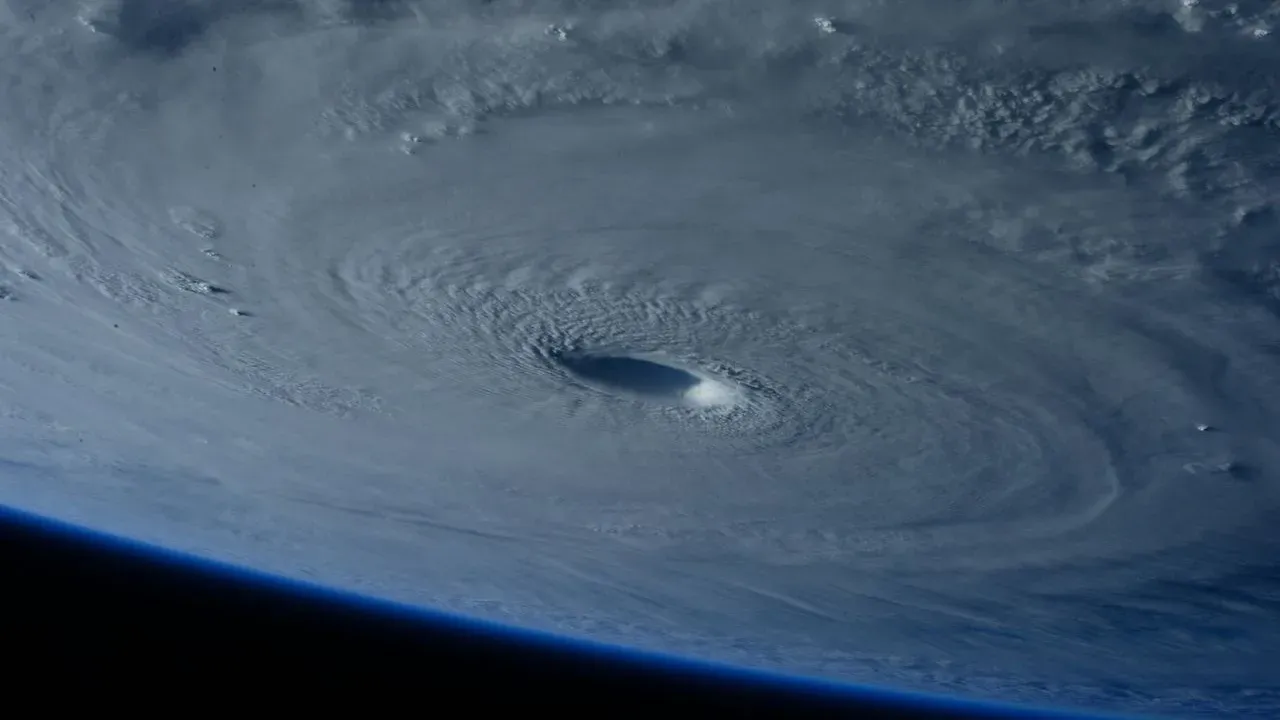

Miami – Florida International University’s Wall of Wind has long stood as a singular research tool for understanding extreme wind forces. A recent $15 million gift now supports its evolution into a next-generation facility capable of even more precise testing. The expansion promises deeper insights into how structures perform under the most intense hurricane conditions.
A Facility Unlike Any Other on a University Campus
The Wall of Wind remains the only university-based installation in the country that can generate full-scale Category 5 hurricane winds while testing complete buildings and their components. Researchers can subject real-size walls, roofs, and entire assemblies to sustained gusts reaching 200 miles per hour. This capability allows direct observation of how materials and designs respond when nature’s most powerful storms arrive. ([1])
Because the tests occur indoors under controlled conditions, engineers can repeat experiments, vary parameters, and collect detailed data that field observations after actual hurricanes rarely provide. The facility has already contributed to improved building codes and product standards used across hurricane-prone regions.
The $15 Million Gift and What Comes Next
The new funding will advance the project known as WOW 2.0, expanding the laboratory’s capacity and refining its simulation technology. Planners expect the upgraded installation to deliver higher-resolution measurements and accommodate a broader range of structural experiments. The gift underscores sustained private support for applied research that directly informs how communities prepare for and recover from major weather events.
Jack Puleo, Dean of FIU’s College of Engineering & Computing, noted the broader purpose: “We need research facilities to understand and improve our knowledge of the natural and built infrastructure of these powerful forces. That knowledge leads to discovery, to innovation, and ultimately societal benefit.”
Connecting Research to Everyday Resilience
Findings from the Wall of Wind translate into practical guidance for architects, builders, and local officials who shape the places visitors and residents rely on. Stronger roof attachments, better window protection, and more durable exterior systems are among the outcomes already influenced by earlier experiments. As the facility grows, these incremental improvements are expected to continue.
The work also supports the tourism economy by helping ensure that hotels, airports, attractions, and transportation infrastructure meet increasingly rigorous performance standards. Travelers benefit indirectly when the built environment is designed and tested against the conditions Florida occasionally faces.
Looking Ahead to Expanded Capabilities
With construction and equipment upgrades now funded, the next phase will focus on integrating advanced sensors and data systems that capture wind effects at finer scales. Researchers anticipate testing new materials and construction techniques that could further reduce damage during high-wind events. The expanded facility is positioned to remain a national resource for both academic study and real-world application.
Continued investment in such specialized laboratories reflects a steady commitment to learning from nature’s forces rather than simply reacting to them. The Wall of Wind’s evolution offers one clear example of how targeted research strengthens the places people choose to visit and call home.
AI Disclaimer: This article was created with the assistance of AI tools and reviewed by a human editor.