


Group Travel Is Growing Fast, and Reunions Are Part of That Story

The broader group travel market gives useful context here. The global group travel market was estimated at roughly 370 billion dollars in 2024 and is projected to grow to nearly 690 billion dollars by 2035, at a compound annual growth rate of about 5.8 percent. That sustained momentum reflects a genuine appetite for shared experiences, not just a post-pandemic bounce.
The post-pandemic era has witnessed a resurgence in family reunions, friends’ getaways, and multi-generational trips, further boosting demand for group travel packages. Reunions, in all their forms, are a meaningful piece of that surge. Picking a new city is becoming a natural extension of that desire to do something together that feels special rather than routine.
The Multigenerational Travel Boom Is Reshaping the Reunion Format

Experts across the travel industry agree that multigenerational travel is more than a one-season trend; it is a long-term expectation for Americans. This matters for reunions because modern families increasingly span several generations under one booking, and a neutral new city often serves everyone better than someone’s childhood home ever could.
In 2026, nearly half of all travelers are opting for multigenerational trips, a substantial increase from 2024, with group bookings of eight or more people surging notably as families prioritize quality time across generations. The American Express 2025 Global Travel Trends report indicates that more than half of Millennials and Gen Z parents surveyed plan to bring their extended family on vacation. That is a significant cultural shift toward deliberately designed togetherness.
A Neutral Location Removes the Politics of “Whose Turn Is It”

One of the most quietly powerful reasons families choose a new city is fairness. When a reunion is hosted at someone’s home or hometown, the host carries a disproportionate burden. Everyone else is a guest. A new city levels that dynamic entirely.
No one owns the territory. No one has to clean the house or figure out where to seat 20 people for dinner. Group travel offers numerous advantages, including cost savings, enhanced social interactions, and access to specialized services and itineraries that a private home simply cannot replicate. The logistics shift from one person’s shoulders to a shared, bookable experience that everyone invests in equally.
The Experience Economy Is Pulling Reunions Away from the Living Room

There is a growing focus on personal growth and meaningful experiences, with travel becoming more about self-discovery and deep connections, and research highlighting how people want meaning from their travel and a greater sense of purpose at the heart of each trip. A hometown reunion rarely delivers that sense of purpose. A new city, by contrast, gives the group something to explore together.
The group travel market is experiencing a dynamic shift towards personalized and sustainable travel experiences, and the rise of experiential travel is reshaping preferences, particularly in North America, where travelers seek immersive group activities. Shared cooking classes, city food tours, kayaking mornings, or a local concert are experiences that become the reunion’s identity, not just the backdrop for it.
Milestone Moments Are Driving the Decision to Travel

Research from Blue Cross found that 77 percent of multigenerational trips were associated with a life event such as a milestone birthday or family reunion. That connection between life milestones and travel is significant. People increasingly feel that a major birthday, anniversary, or landmark anniversary deserves more than a backyard party.
Choosing a city that carries personal significance to the group, or one that is entirely new to everyone, amplifies the sense of occasion. It signals that the moment matters enough to make a real plan. Hospitality brands like Destination by Hyatt have introduced dedicated reunion and multigenerational programs offering tailored travel experiences for families to reconnect in a variety of settings, from ski destinations to beach getaways.
Dispersed Families Need a Midpoint That Works for Everyone

Families today are scattered across states and time zones. The idea that everyone will converge on one person’s hometown, usually at significant travel cost to nearly everyone, feels increasingly outdated. A chosen city can be geographically central, better connected by air routes, or simply more affordable to reach from multiple directions.
In 2024, roughly 44 percent of travelers opted for destinations closer to home due to rising costs, though overall travel demand remained strong. Choosing a smart midpoint city can actually reduce the average cost per person compared to everyone flying to a single region of the country. When geography works for the group, attendance goes up and resentment goes down.
Accommodation Options Have Made Group Trips Far More Practical

The practical challenges of housing a large group used to be a serious barrier. Hotels rarely had connecting rooms for ten people. Someone always ended up on a foldout couch. The growth of vacation rental platforms and resort-style family accommodations has changed that equation meaningfully.
The key to meeting the needs of multigenerational families is flexible accommodations and a variety of spaces, like private villas, family-friendly resort spaces, and adults-only zones, and in 2025, luxury resorts are rising to the occasion, offering versatile accommodations that balance connection and privacy. That balance between togetherness and personal space is something a new city, with its range of accommodation options, can provide far more reliably than a single private home.
Younger Generations Are Shaping What Reunions Look Like

The group travel market is experiencing significant momentum due to the growing popularity of shared travel experiences, particularly among younger demographics such as millennials and Generation Z, and social media has played a pivotal role in promoting group adventures as travelers increasingly seek immersive and collective experiences that foster stronger bonds and lasting memories.
When younger family members take ownership of planning a reunion, they tend to gravitate toward cities with food scenes, street culture, and experiences worth sharing. In 2025, roughly 64 percent of Gen Z planned to take three or more trips, up significantly from just 44 percent in 2024. That generation is setting a travel cadence that naturally incorporates group and reunion travel as a regular part of life, not a rare occasion.
People Are Planning Further Ahead and Investing More Intentionally

Reunion travel in a new city tends to require more lead time, and travelers are increasingly willing to commit early. About 42 percent of travelers research their trips months in advance and book all must-do activities before arriving, and data shows that just over half of people book tours two to twelve months in advance of a trip.
That advance planning culture actually suits group reunion travel well. When a new city is chosen, the group has something to look forward to, plan around, and build anticipation together. Multigenerational travel continues to grow, with extended families pooling resources for trips that cater to every age group, according to the Family Travel Association. Pooled resources mean a better trip for everyone, and new city reunions lend themselves naturally to that shared investment model.
The Meaning of “Coming Home” Is Evolving
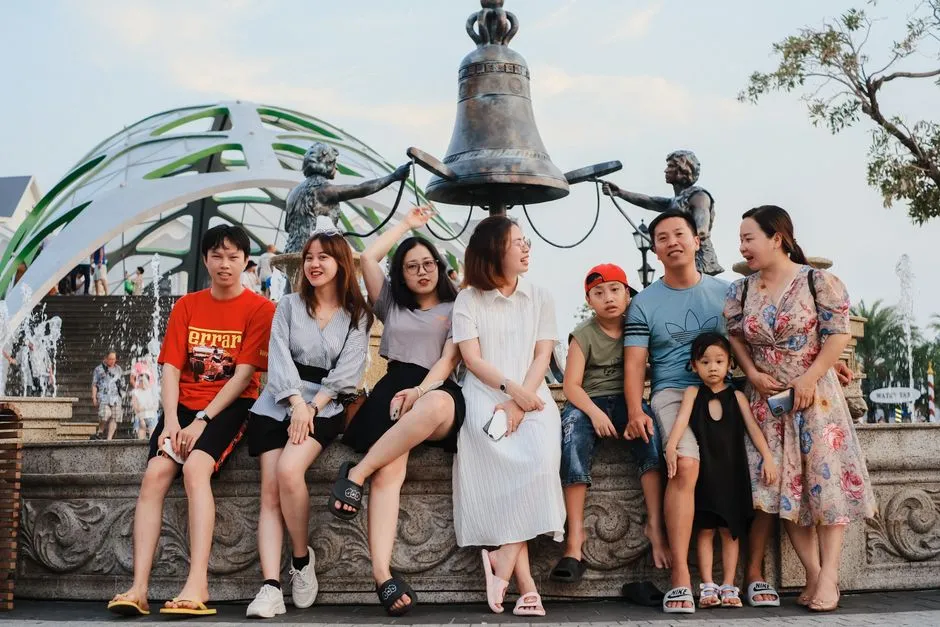
There is something worth sitting with here. The shift to reunion travel in a new city is not a rejection of family roots. It is more of a reframing. The shared memory is no longer a kitchen or a backyard. It becomes a city, a restaurant, a hike, a hotel lobby where someone’s grandmother laughed for an hour straight.
Research from Booking.com reveals that travelers are rewriting their playbook, defying the rules of conventional getaways and forging new connections with themselves and their loved ones. Multigenerational travel is surging as families increasingly value experiences that bring together grandparents, parents, and children, with research suggesting that nearly three quarters of parents embrace the idea of vacations involving extended family. The reunion is becoming the destination.
The Takeaway

The shift from hometown reunions to new-city gatherings is not a trend driven by restlessness or novelty for its own sake. It reflects something more grounded: families and friends who are spread out, time-poor, and hungry for real connection are choosing experiences over logistics. A new city offers a clean slate, a shared story, and a reason for everyone to show up.
The best reunion is one where people are genuinely present, not managing a house or feeling like they are a guest in someone else’s familiar space. Somewhere new, with no one holding the keys, has a quiet way of making everyone feel equally at home.
AI Disclaimer: This article was created with the assistance of AI tools and reviewed by a human editor.