

The Rise of the Slow Travel Movement
Something meaningful shifted in how people think about travel after the early 2020s. In 2025, travelers were swapping the frenzy of to-do lists for more authentic experiences, where time itself became a kind of luxury. This wasn’t a fringe attitude. One in four leisure travelers globally planned to embrace slow travel in 2025, up significantly from pre-pandemic figures, according to the Hilton 2025 Trends Report.
The European Travel Commission’s Long-Haul Travel Barometer found that slow travel was gaining real momentum, rising from twenty-two percent in 2025 to twenty-six percent in 2026 among long-haul visitors planning trips to Europe. That’s a notable climb in just twelve months. Slow travel, defined as staying in fewer places or immersing in a local culture for an extended time, was listed as a top trend in Hilton’s 2025 Trends Report, emphasizing a more mindful and immersive travel experience.
You Actually Get to Know a Place

Walking past a famous square twice during a two-night stay is not the same as knowing a city. When you stay for a week, you start to develop something closer to a local rhythm. Slow travel, at its core, means staying in one place for longer and going deeper into local culture, taking the time to make real connections with locals versus jam-packing a schedule full of tours.
It’s no longer about collecting destinations like trophies, but about savoring each place, each encounter, each moment. Traveling slowly means giving purpose to the journey by choosing quality over quantity. You find the street market that doesn’t show up in any guidebook. You learn which bakery opens earliest. Those small discoveries are often what people remember longest.
The Financial Logic Favors Longer Stays

City-hopping feels like you’re getting more value for your money, but the math rarely works out that way. Every transit between cities adds up: transport to and from airports, last-minute booking premiums, and the cost of orienting yourself somewhere new. Airbnb, VRBO, and Booking.com all offer weekly rates that reduce the effective nightly cost by thirty to fifty percent. On a ten-night apartment in Lisbon or Bologna, a couple saves roughly three hundred to six hundred US dollars in accommodation alone compared to nightly rates at the same property.
Food costs follow the same logic. Tourists pay tourist prices. Stay long enough to find the neighbourhood bakery, the market where residents shop, the lunch spot that doesn’t appear on any app, and the daily cost of eating well drops significantly. When you’re moving every two days, you never reach that point of comfortable familiarity.
Your Mental Health Will Thank You

Travel stress is real, and it’s often self-inflicted. There’s a growing awareness of the negative effects of accelerated tourism: stress, superficiality of experiences, and psychophysical exhaustion. Traveling isn’t always regenerating. When it becomes a race against time, it can transform into a source of real fatigue.
A survey of two thousand US adults revealed that a significant share of travelers were planning their vacations with the main intention of slowing down and switching off, as mental health and wellbeing had become a growing priority. There’s also research from a longitudinal study on travel and happiness suggesting that the positive effects of a trip can last well beyond the journey itself, but only when the experience doesn’t feel rushed or depleting. Life satisfaction had risen fifteen days before travel and lasted for about one month after travel, meaning some factors concerning travel prevent hedonic adaptation and make happiness last longer.
The Environmental Case Is Hard to Ignore
Every additional flight taken between cities carries a genuine environmental cost. Air travel is responsible for about two and a half percent of global CO2 emissions, and that figure doesn’t account for the additional warming effects of contrails and high-altitude emissions. Hopping between three cities often means multiple short-haul flights, which are actually the least efficient type of journey per kilometer traveled.
Slow travel is significantly better for the environment when it reduces the number of flights. Rail produces eighty-six to ninety percent fewer carbon emissions than equivalent short-haul flights. A slow traveler who flies once and stays three weeks produces a fraction of the emissions of a fast traveler taking four short-haul flights in the same period. This approach also eases the burden of over-tourism on popular destinations.
You Spend Money Where It Matters Most
Tourism economics tend to favor large chains and tourist-facing businesses in city centers. The longer you stay somewhere, the more likely you are to drift beyond that bubble. Travelers who stay longer tend to support small businesses, attend local events, and develop meaningful relationships with residents.
Slow travel concentrates economic benefit in local businesses rather than international hotel chains. When you eat at the same neighborhood trattoria three times in a week, the family running it notices. You become a guest in a fuller sense, not just a transaction. That kind of spending reaches further into a community than a single tourist dinner ever could.
You Stop Wasting Time in Transit
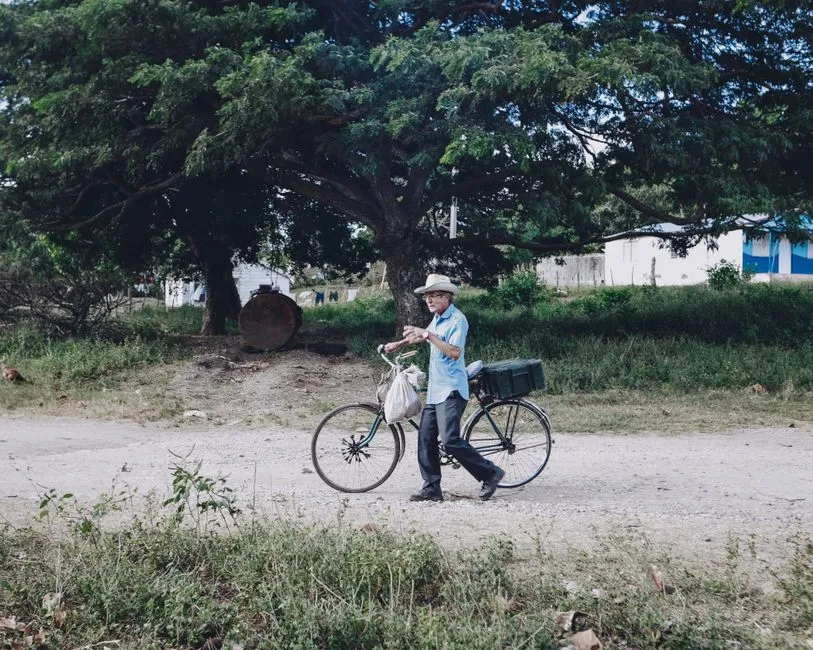
The time cost of moving between cities is almost always underestimated. Packing up, checking out, getting to the station or airport, waiting, flying or riding, arriving, finding your new accommodation, and unpacking can easily consume a full day. Do that twice in a week and you’ve lost two of your seven days to logistics alone.
As one academic review found, slow travel enables people to travel at their own pace and avoid fixed schedules, which is far easier to do when you’re staying somewhere for a week or two instead of two nights. The absence of a checkout deadline changes how you experience a morning. You can linger over coffee, take a long walk, or simply stay in if the weather turns. That freedom doesn’t exist when you have a train to catch at noon.
Deeper Cultural Connection Becomes Possible

According to a report by the World Travel and Tourism Council from 2023, sixty-nine percent of global travelers said they wanted to travel more consciously and less frenetically in the coming years. Conscious travel isn’t just a vague aspiration. It requires time. You can’t understand a city’s cultural rhythms in forty-eight hours.
Travelers can deepen their experience by joining cultural activities such as cooking classes, craft workshops, local festivals, and community gatherings. These experiences take planning, and they require you to be in one place long enough for them to unfold naturally. Hilton’s trend research similarly found that nearly three quarters of travelers are now actively seeking authentic, local experiences rather than checklist tourism.
It Works Especially Well for Families

Traveling with children and racing between cities is genuinely one of the harder things to pull off without everyone becoming miserable by day four. Kids don’t adapt well to constant movement, new beds, and different routines every other night. Slow travel with children is often easier than fast travel. Children adapt faster when they have a consistent routine, the same café, playground, and market route, which is exactly what slow travel provides. Extended stays also allow children to make friends rather than perpetually meeting strangers.
Renting an apartment with a kitchen eliminates restaurant logistics three times daily. That one change alone reduces the friction of family travel considerably. A week in one city can feel like an actual family experience rather than a logistical endurance test.
The Data on Long Stays Is Shifting the Industry
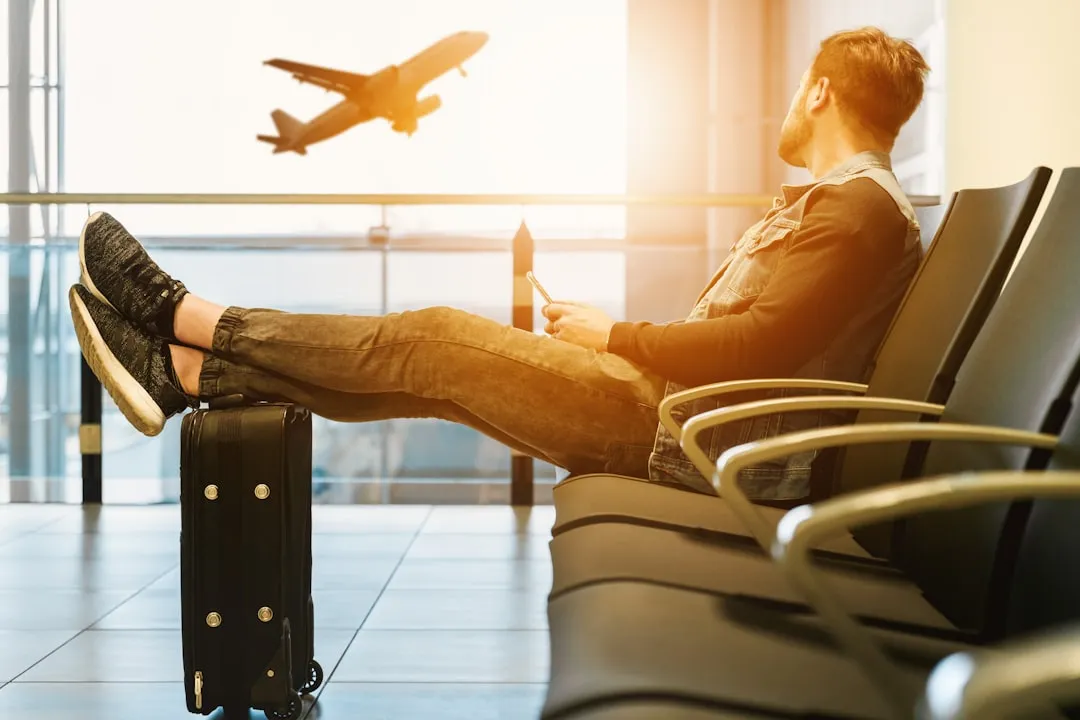
It’s not just individual travelers feeling this way. The accommodation industry is reflecting it in hard numbers. Airbnb’s data showed that stays of twenty-eight nights or more accounted for seventeen percent of all gross nights booked in the first quarter of 2024, up nearly ninety percent from 2019 levels. That’s a structural shift, not a blip.
Data already showed the length of hotel stays up ten percent in 2023 compared to the previous year. And separately, fifty-seven percent of Americans planned a longer trip in 2025 than they took in 2024, according to IPX1031. Booking platforms, hotel groups, and destination managers are all reading these signals and adjusting what they offer. The market is moving toward depth, and for good reason.
The Takeaway
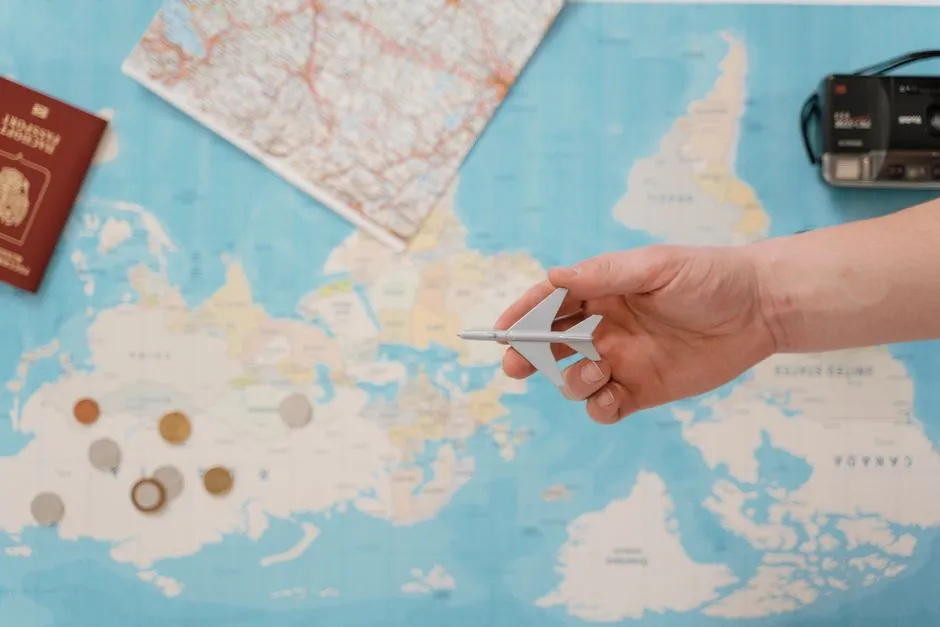
There’s nothing wrong with ambition in travel. Wanting to see the world is a natural impulse, and no one should feel guilty for wanting to experience as much of it as possible. The question is whether adding a third city to an itinerary actually delivers a richer experience, or just a fuller camera roll.
The evidence, both in research and in the lived experience of millions of travelers, keeps pointing the same direction. One city, genuinely explored over seven days, tends to leave a deeper impression than three cities skimmed in the same time. The neighborhood you stumble into on day five. The local you see twice and actually talk to. The meal you never would have found on day one. That’s what travel is for.
AI Disclaimer: This article was created with the assistance of AI tools and reviewed by a human editor.