


The Charger Is the Undisputed Champion of Hotel Lost and Found
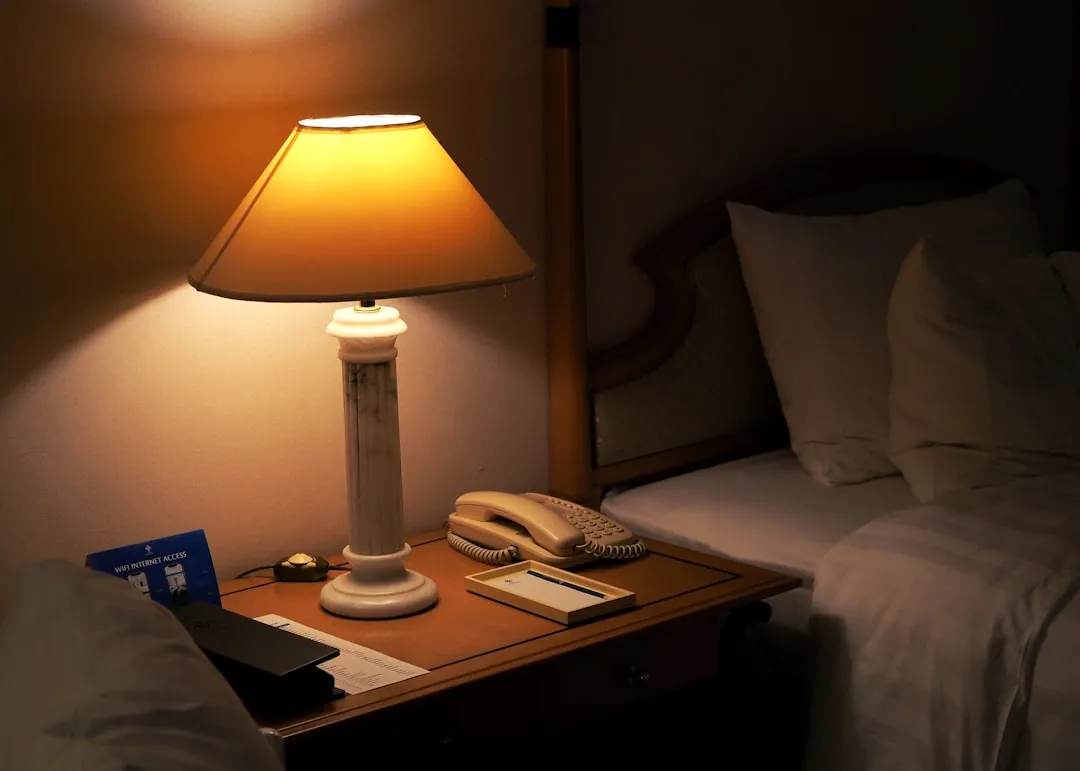
According to hotel sales and marketing directors, the phone charger is “the undisputed champion of hotel lost and found.” It does its job quietly from behind a nightstand or tucked under a desk, faithfully powering devices until checkout day. Black and white charging cords practically disappear against hotel furniture, bedding, and walls, especially when plugged in somewhere slightly out of sight.
By far, phone and electronics chargers are the most common items left behind in hotels. The Hilton Union Square alone collects about 250 chargers a month across its guest rooms, and the Fairmont San Francisco and the Palace in San Francisco also collect hundreds of chargers every month, holding them for a period before disposing of them.
How Many Travelers Actually Leave Things Behind?
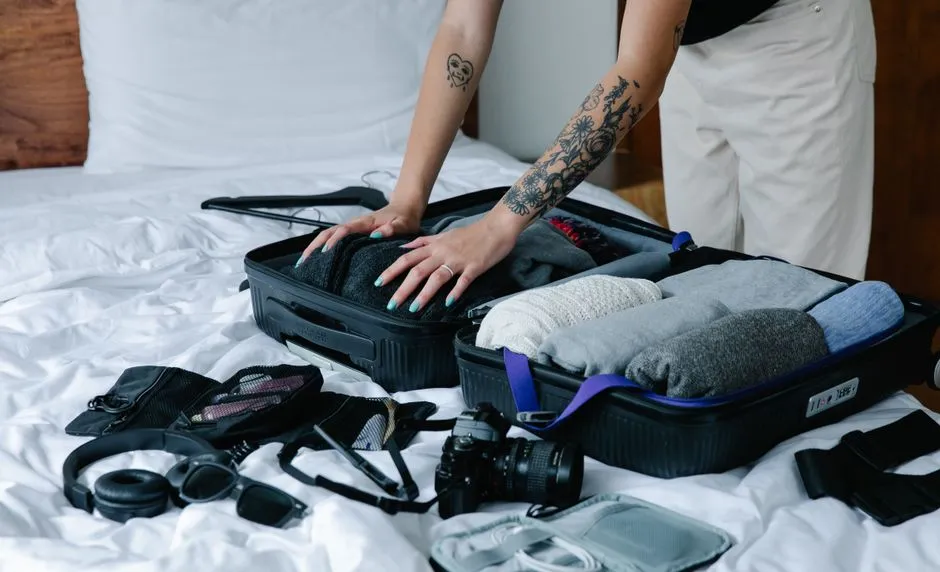
According to a survey conducted by Motel 6, around roughly half of all travelers admit to leaving items behind at a hotel. The survey indicates that clothing, toiletries, and electronics are the most common items travelers forget.
Over a third of hotels surveyed say that guests leave behind items in their rooms on at least a quarter of their stays. That’s not occasional carelessness. That’s a pattern, and chargers sit at the very top of it consistently across multiple studies and reports.
The Simple Trick: Leave Your Charger on Top of Your Bag the Night Before
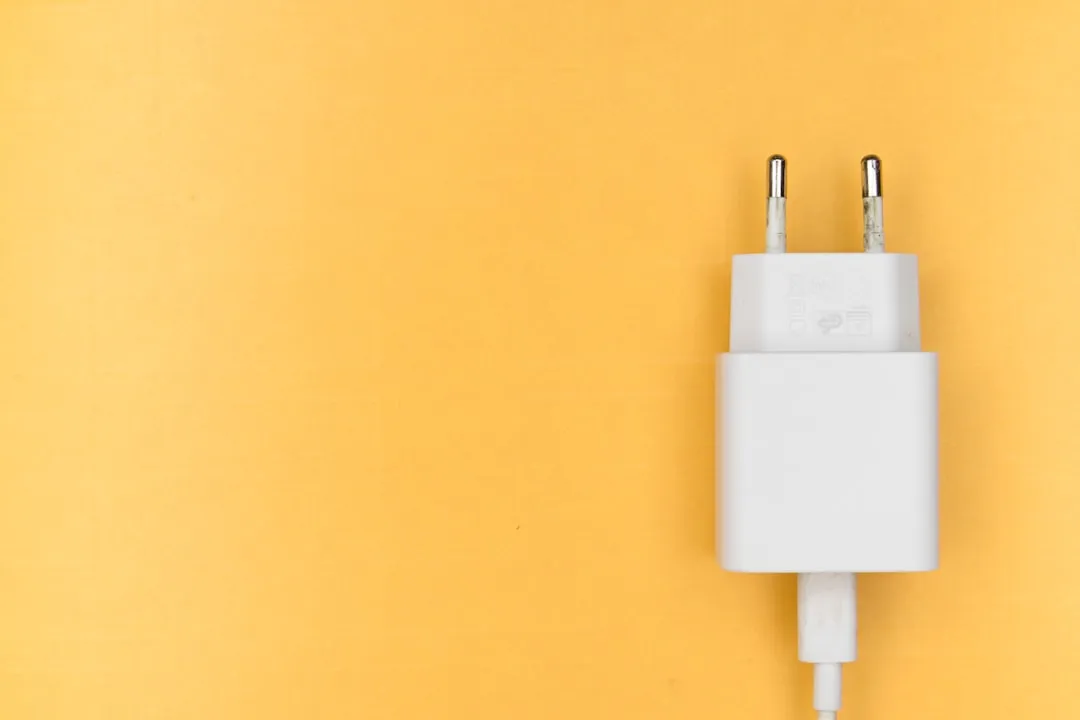
The most reliably effective trick isn’t an app or a gadget. It’s a single habit: when you plug your charger in for the last night, place your closed bag or your shoes directly in front of the outlet. Physically blocking your path to the door with something you absolutely cannot leave without creates an unavoidable reminder. Your body encounters the obstacle; your brain follows.
Travel experts recommend putting all small items, like jewelry, smartphones, and chargers, in one consistent place every time, either on a nightstand or a corner of a desk. The principle is the same: consistency beats willpower every time. When items always live in the same spot, forgetting them becomes structurally harder.
Why the Outlet Behind the Nightstand Is the Real Culprit
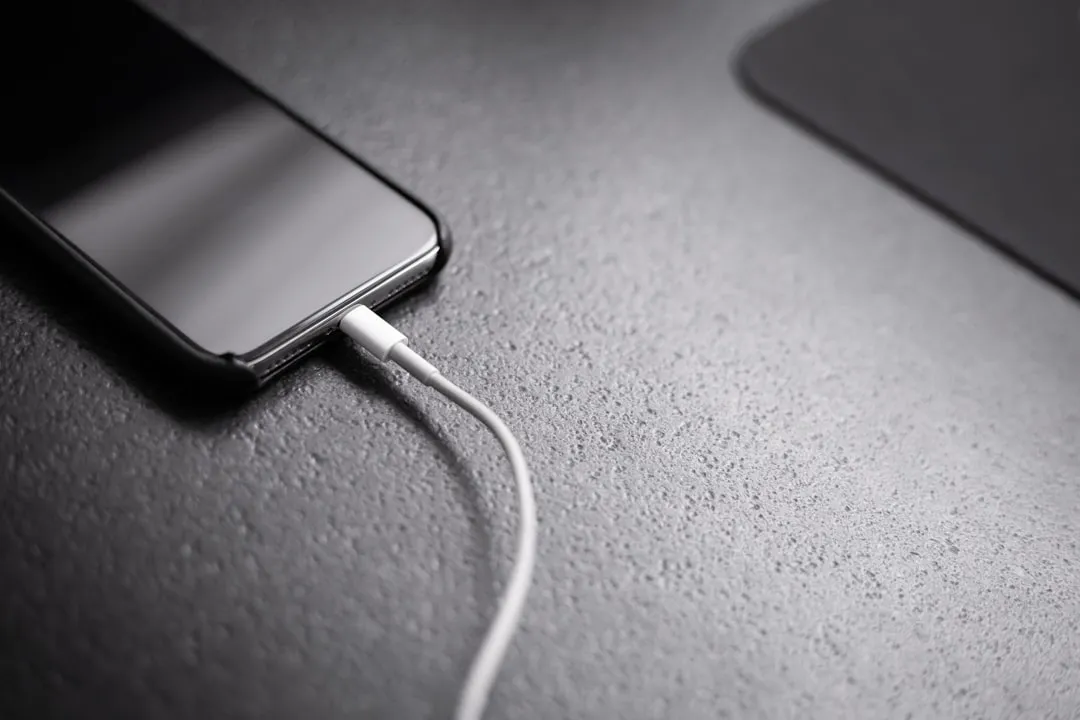
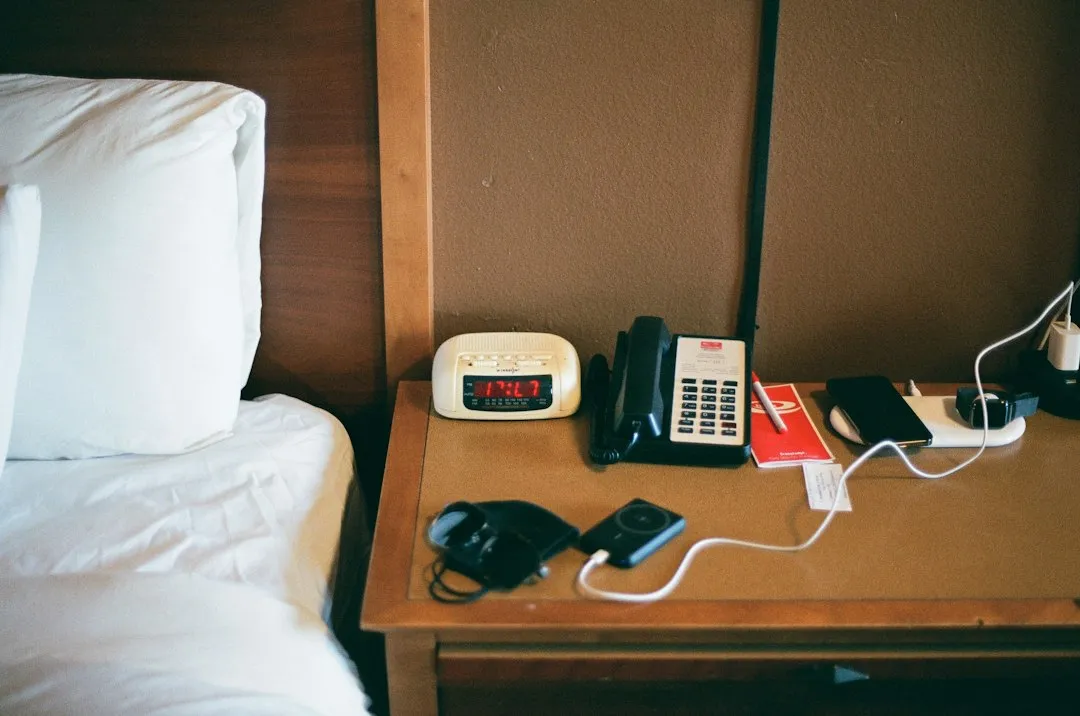
Charging cables are often forgotten plugged into sockets, hidden under tables, or left behind furniture. Their tendency to blend in with the color of furniture and walls often makes them easy to overlook.
Phone chargers, laptop power cords, and other electronic accessories top the list of most-forgotten items. People often unplug them from outlets behind nightstands or desks and forget to pack them before heading out. The issue is location: outlets tucked out of your natural line of sight are out of your mental checklist, too.
The “Last Lap” Method Recommended by Hotel Staff

Charging cords practically disappear against hotel furniture, bedding, and walls, especially when plugged in somewhere slightly out of sight. Hotel professionals recommend doing one final “last lap” before leaving the room, paying extra attention to the space behind nightstands and desks, where chargers can dangle alongside cords that actually belong to the room, like lamp and television plugs.
The “last lap” is simple: walk through the entire room one final time with nothing in your hands. Check behind every piece of furniture, open every drawer, glance under the bed. The whole process takes under two minutes and it’s the single most consistently recommended habit from hospitality professionals across multiple properties and surveys.
Use a Physical Checklist or a Departure Alarm

Travel professionals suggest doing a final sweep of the room before leaving, including under beds, in drawers, and behind furniture. Using a checklist for essential items like chargers, keys, and medications is also strongly recommended. Keeping all valuables in one place makes them easy to grab when it’s time to pack up.
A checklist sounds almost too obvious, but it works precisely because checkout morning is cognitively noisy. You’re thinking about your ride, your next flight, whether you settled the minibar. A three-item physical or phone checklist removes the need to rely on memory under pressure, which is when memory fails most reliably.
The Charging Cord Color Problem Is Real
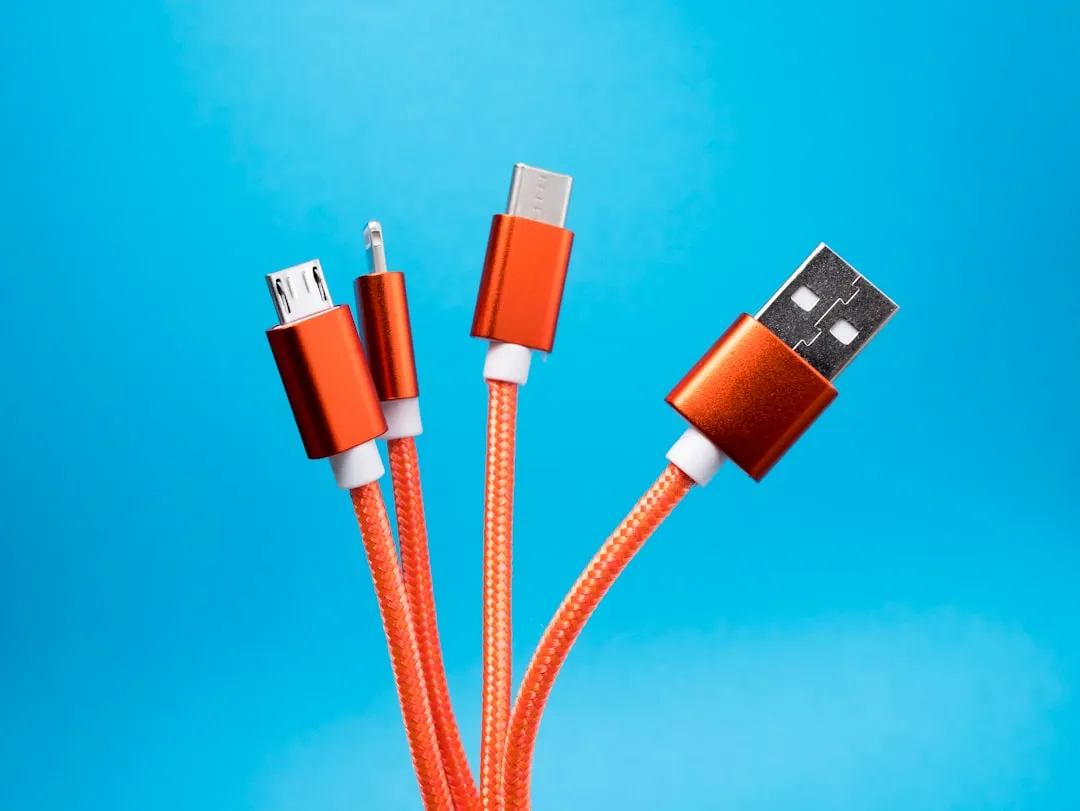
Modern charger cables are designed for function, not visibility. Most are black, white, or gray, which happen to be the exact colors of hotel baseboards, carpet edges, and furniture undersides. This isn’t a coincidence you can think your way around; it’s a visual camouflage problem that only a deliberate search routine can solve.
Some experienced travelers now use brightly colored cable clips or label their cables with a small piece of neon tape. It adds one or two seconds to your packing setup and makes your charger visually distinct from every other cord in the room. It’s a small investment that tends to pay off after the first hotel stay.
What Happens If You Do Leave It Behind?

Phone chargers get left behind at hotels all the time. In many cases, you can get a replacement from the hotel’s extended lost and found, which holds everyday items that have surpassed the standard holding duration. Even if the hotel can’t find the specific charger from your room, they may be able to give you one from the collection of unclaimed items.
Around roughly one third of guests go out of their way to return to the hotel to retrieve their belongings. Some would even travel back an average of 110 miles to claim wallets, 95 miles for gadgets, and 30 miles for chargers. That’s a meaningful detour for something preventable with a 30-second habit.
Hotels Are Paying Attention to This Problem

Hotels have implemented creative solutions to help forgetful travelers, such as offering borrowed accessories, reminder services, checklists, and personal packing services, while some staff members have gone to great lengths to reunite guests with their forgotten belongings.
A recent international survey by Hotels.com involving over 400 hotels, spanning Brazil, Canada, Japan, France, Turkey, and beyond, revealed just how widespread the issue truly is. The fact that major hotel groups are now building systems around this problem suggests it’s not a small nuisance. It’s a consistent, industry-level challenge driven almost entirely by habits that are fixable.
The Broader Pattern: It’s Not Just Chargers
Some of the easiest items to forget are also the ones guests use right before walking out the door, including toothbrushes, hairbrushes, razors, makeup, and other bathroom essentials. Because they’re often still sitting beside the sink or tucked into the shower until the last minute, they can easily escape even a careful final room sweep.
The most common items left behind in hotel rooms are mobile phone chargers, passports, wallets, and jewelry. The pattern across all of these is the same: items used late, stored in low-visibility spots, and forgotten in the rush of departure. The charger just happens to occupy the worst possible combination of all three factors.
The Takeaway
The trick that keeps chargers in your bag instead of a hotel’s lost-and-found drawer isn’t complicated. Place something you can’t leave without in front of the outlet the moment you plug in. Do one slow, unhurried last lap of the room before you zip your bag for the final time. Keep your charging cable in the same spot every night so retrieval becomes automatic rather than effortful.
None of this requires a product purchase or a phone app. It requires a few seconds of intentional habit on the last evening of your stay. The charger you save might be your own – and given that hotels like the Hilton Union Square collect 250 of them per month, the odds suggest that without the habit, it’s only a matter of time.
AI Disclaimer: This article was created with the assistance of AI tools and reviewed by a human editor.