


1. Beaches Turks and Caicos Resort Villages and Spa
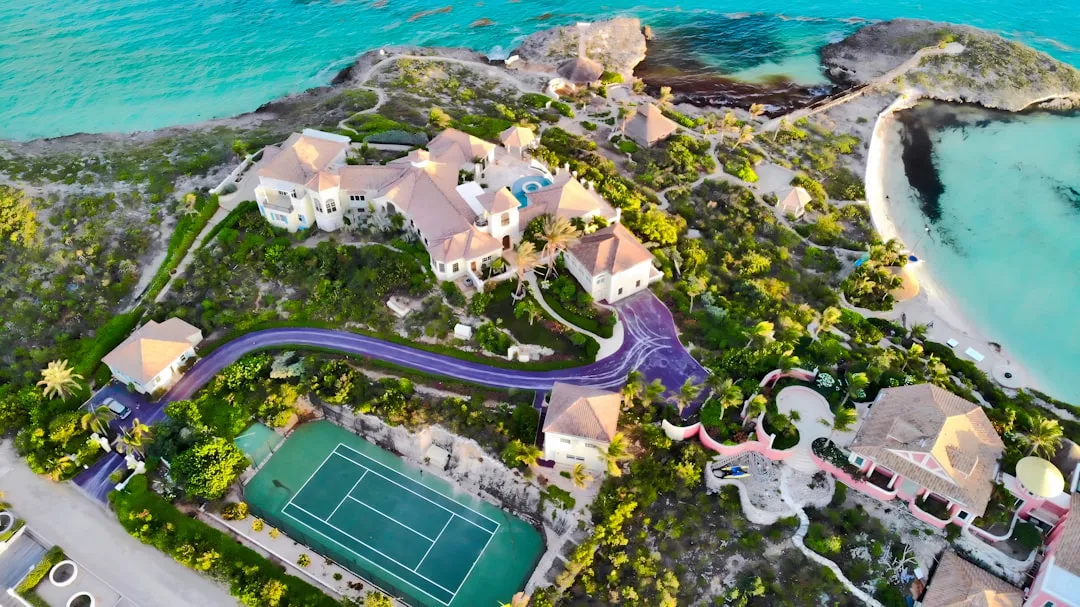
Beaches Turks and Caicos is consistently recognized as one of the top family all-inclusive resorts in the Caribbean, and its teen offering is a large part of why. The resort features a dedicated teen disco, a scuba certification program through its on-site PADI dive center, and a waterpark with twelve slides. Older kids also have access to Xbox Play Lounges stocked with the latest gaming consoles, which tends to land better than a poolside shuffleboard table.
The property spans a stretch of Grace Bay, repeatedly rated among the best beaches in the world, so the setting alone carries serious weight. For families who want a genuinely teen-forward experience in a beautiful location, this resort covers an unusual amount of ground.
2. Club Med Cancún Yucatán

Club Med has built its entire identity around active, skill-based programming, and its Cancún property delivers that philosophy with particular energy. Teen guests can take trapeze lessons, learn to windsurf, try archery, and join beach volleyball tournaments, all included in the resort price. There are no extra fees for most activities, which removes a layer of negotiation that can quietly drain the joy out of a vacation.
The resort’s Flying Trapeze school is a genuine draw and not a novelty afterthought. Teens who might otherwise disengage from a resort setting tend to find something here that holds their attention, and Club Med’s staffing model emphasizes encouraging participation rather than simply supervising it.
3. Nickelodeon Hotels and Resorts Punta Cana
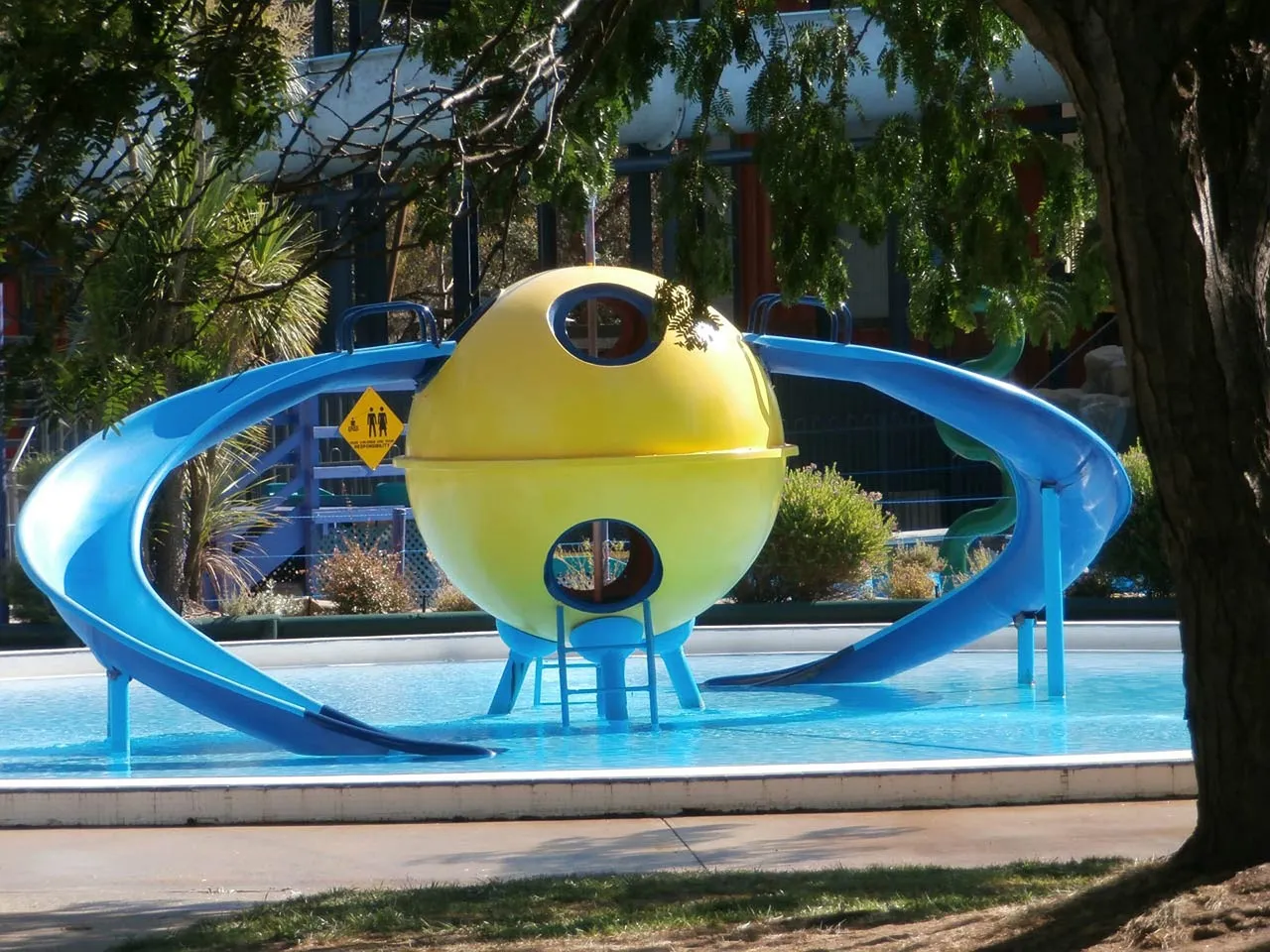
Nickelodeon Punta Cana works for teenagers in a way that surprises many parents who assume it skews too young. The aqua park is legitimately impressive, featuring multiple thrill slides and a lazy river that older kids use without any sense of condescension. The property also hosts character experiences, live entertainment, and themed events that feel produced rather than improvised.
Beyond the waterpark, the resort has a dedicated teen zone and an active evening entertainment schedule that keeps the energy up well past sunset. It sits within the Uvero Alto area of Punta Cana, which offers a quieter stretch of coastline compared to busier resort corridors nearby. For families with a mixed-age group, this property manages to serve genuinely different needs without feeling fractured.
4. Sandals Royal Barbados (with Beaches Barbados Access)
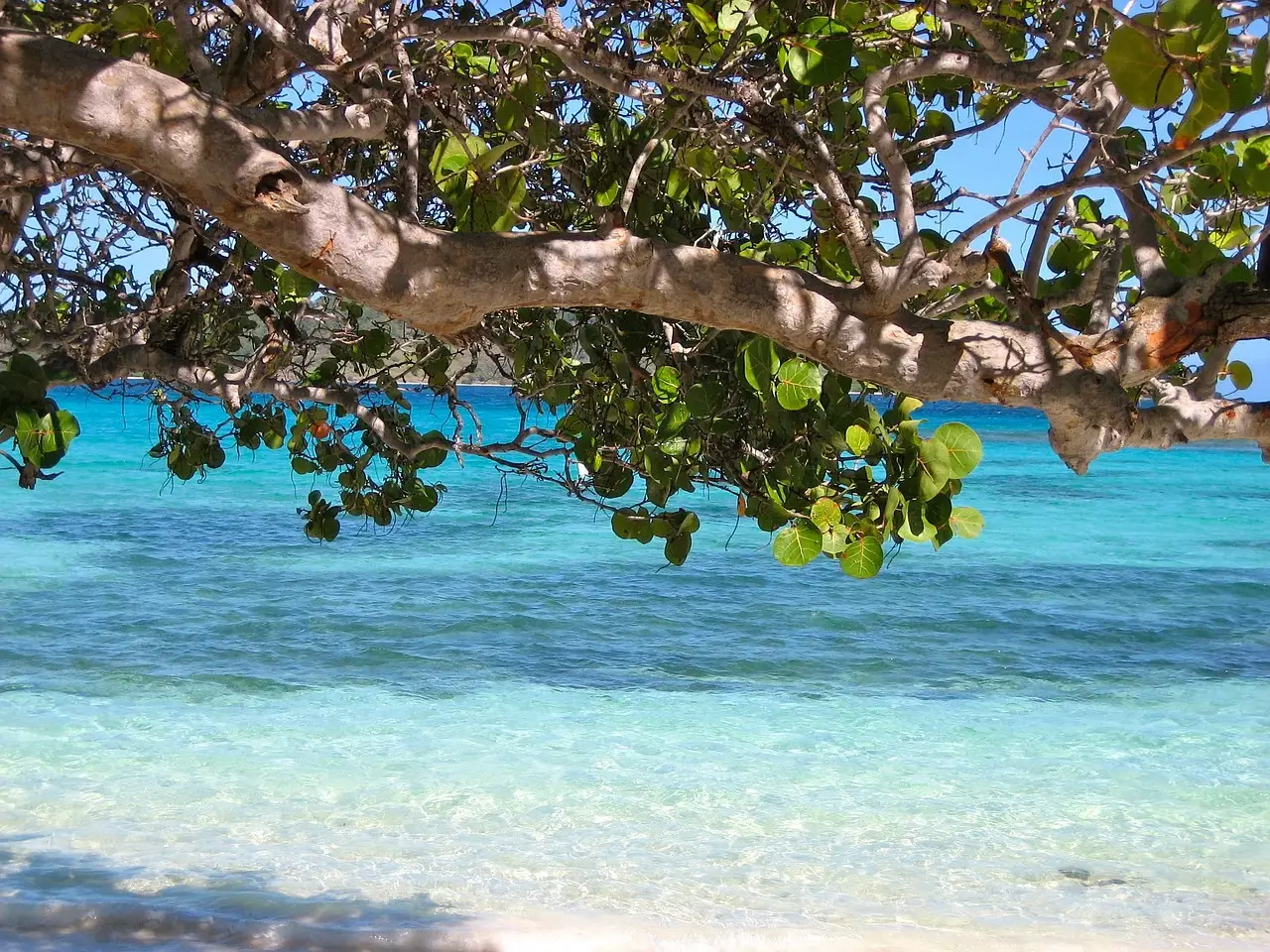
Beaches Barbados, the family-friendly sister property of Sandals Royal Barbados, offers teens access to a full waterpark, a certified scuba program, and a dedicated teen hangout space that actually feels designed for them. The island of Barbados itself is a strong selling point, with its distinct culture, surf-friendly Atlantic coastline, and a level of local character that resort-heavy destinations sometimes lack.
Teens staying at the Beaches property can also access select facilities at the adjoining Sandals Royal Barbados, which adds a layer of variety to the stay. The Barbados resort corridor along the south coast is well-developed and safe for independent teen exploration, which matters to older kids who value a sense of autonomy. Parents also tend to appreciate the island’s reputation for being one of the more relaxed and welcoming Caribbean destinations.
5. Hard Rock Hotel Riviera Maya

Hard Rock Riviera Maya has invested heavily in teen programming, and the results show in the resort’s consistent placement on family travel award lists. The property features an extensive waterpark, a teen-only club space called The Roxity Kids Club and its older sibling program, a climbing wall, and regular live music events that reflect the brand’s core identity. It’s one of the few all-inclusive properties where the entertainment feels professionally produced rather than regionally generic.
The resort is set within a jungle and cenote landscape unique to the Yucatán Peninsula, which gives it a visual drama that even teens who claim to be unimpressed tend to notice. Families with a mix of older children and younger ones also find the property well-segmented, with different zones serving different age groups without constant overlap. The food program here is notably strong, offering a wide range of restaurant concepts under one all-inclusive rate.
What Makes a Resort Actually Teen-Friendly?

The difference between a resort that markets itself as teen-friendly and one that actually delivers comes down to specificity. Dedicated teen clubs with their own physical space, supervised but not suffocating, consistently outperform properties where teens are simply handed a wristband and told to enjoy the pool. Activity programming that requires real skill development, such as scuba, trapeze, or surf instruction, tends to generate genuine engagement rather than passive participation.
Social infrastructure matters too. Teens who can meet peers from other families in a natural setting, not a forced mixer, are far more likely to call a vacation a good one. The resorts above all share this quality: they create the conditions for connection without engineering it artificially.
The Role of Technology Access at These Properties

Wi-Fi quality and device-friendly spaces have become a quiet but decisive factor in teen travel satisfaction. Several of the resorts above have responded to this reality with dedicated gaming lounges, fast poolside connectivity, and social media-worthy spaces that teens can actually use. This isn’t pandering so much as acknowledging how teenagers genuinely experience and share travel.
That said, the strongest properties balance connectivity with activity. A teen who spends an entire vacation online is probably at a resort that hasn’t given them a compelling reason to put their phone down. The five properties on this list tend to earn that attention through programming quality, not through confiscation or restriction.
All-Inclusive Pricing and What It Actually Covers for Teens
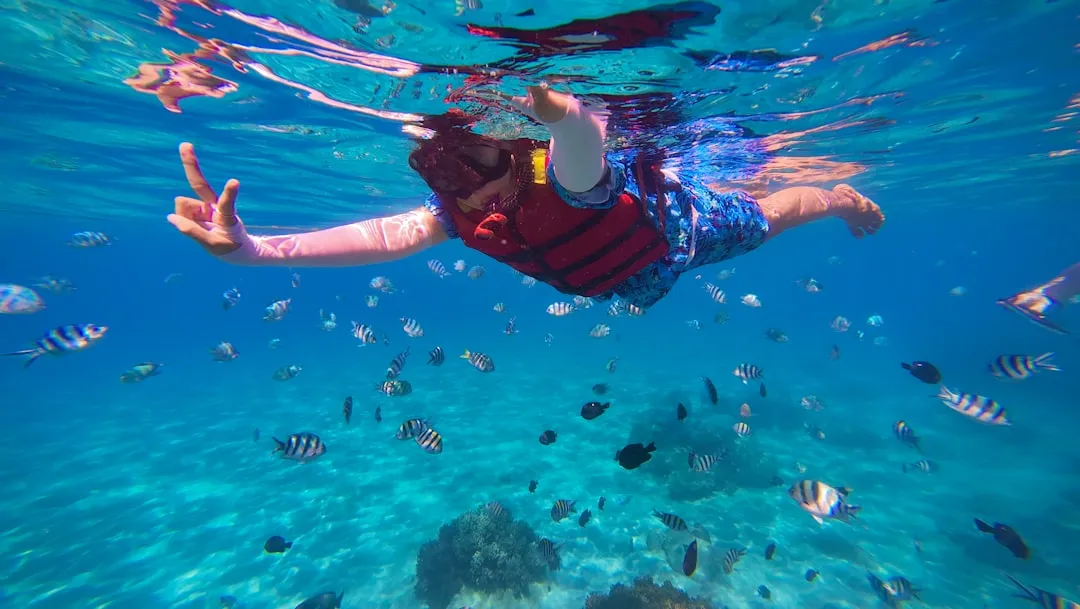
One of the most common family travel frustrations is discovering that the all-inclusive rate doesn’t include the activities teens actually want to do. Premium experiences like scuba certification, off-site excursions, and specialty dining can add significant cost to a stay at resorts that advertise themselves as all-inclusive but operate with extensive à la carte add-ons.
Among the resorts listed here, Club Med stands out for its broad activity inclusion policy, while Beaches and Hard Rock have clearly defined premium tiers worth reviewing before booking. Reading the fine print on activity inclusions before arrival isn’t just good financial practice. It also prevents the specific kind of vacation tension that comes from a teenager being told no at a snorkeling desk.
How to Choose Between These Resorts Based on Your Teen’s Personality

An adventure-seeking teen with no fear of heights and a short attention span will likely thrive at Club Med Cancún, where the daily programming is dense and physically engaging. A teenager who loves ocean environments and is curious about marine life would do well at Beaches Turks and Caicos, where the scuba program is genuinely respected and the reef access is exceptional. For teens who prioritize aesthetics, social energy, and live entertainment, Hard Rock Riviera Maya tends to win out.
Families with younger siblings who also need to be considered will generally find Nickelodeon Punta Cana or Beaches properties the most balanced, since those resorts have invested equally across age groups rather than skewing toward one demographic. The right choice isn’t universal. It depends on what your particular teenager actually values, and that question is worth asking them directly before booking.
Sustainability and Ethical Considerations at These Properties
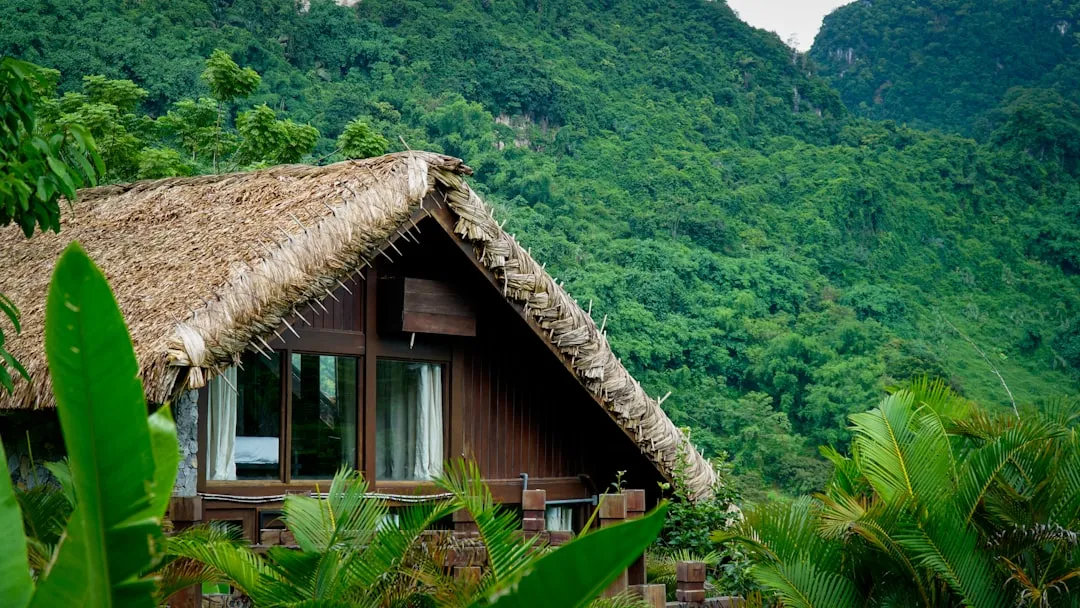
Travel in 2026 increasingly involves asking how a resort operates beyond its amenities, and teens themselves are often more aware of these questions than their parents expect. Several of the resorts above have published sustainability commitments, including water conservation programs, reef protection partnerships, and community employment initiatives in their local areas. Hard Rock’s parent company has outlined environmental goals across its hospitality portfolio, and Club Med has long maintained sustainability certifications at select properties.
Engaging teens in the ethical dimensions of a resort stay can actually deepen the experience rather than complicate it. Choosing a property that operates with genuine care for its surrounding ecosystem is a meaningful travel choice, and one that aligns well with the values many younger travelers are already bringing to the conversation.
The Real Takeaway for Families Planning Ahead

The best teen travel experiences tend to happen at resorts that treat older kids as a genuine demographic rather than an afterthought. That means dedicated spaces, real programming, and enough autonomy to let teenagers feel like participants in the vacation rather than passengers through it. The five resorts above each make that investment in different ways, and the difference is noticeable from the first day on property.
Booking early matters at these properties, particularly during peak school holiday windows, as teen-specific programs often have limited capacity. A little planning goes a long way. The reward, a teenager who genuinely enjoyed the trip, is worth the effort it takes to find the right fit.
AI Disclaimer: This article was created with the assistance of AI tools and reviewed by a human editor.