


The Tuesday Myth That Just Won’t Die

There’s no magic day of the week to find cheap flights. The old myth that Tuesday is the best day to book flights just isn’t true. Cheap flights pop up at any hour, every day of the week.
The idea that midnight on Tuesdays was the golden window may have held some weight in the past, when airlines would release sale fares and competitors would match them. According to airline deals experts and Google Flights data, that’s no longer the case.
Hopper’s lead economist found that the Tuesday booking advantage “was only applicable to 1.6% of routes and yielded savings of 6%.” That’s a vanishingly small slice of travel routes, making it an unreliable rule to base any real booking strategy on.
What Studies Actually Find About Booking Days

A 2025 study by Expedia found the cheapest day to book flights is Sunday. However, the savings aren’t as significant as one might hope: booking Sunday rather than Monday or Friday only saves travelers an average of 6% on domestic flights. On a $300 ticket, that’s $18.
A 2024 data study by Upgraded Points, however, found that the best day to purchase airline tickets is Monday or Tuesday, with Friday and Saturday being the most expensive. So depending on which study you read, the “best” booking day shifts entirely.
Even Google itself has concluded, after reviewing its own data: “There isn’t much value in purchasing your tickets on a certain day of the week.” That’s about as clear a verdict as you’ll get from a company whose search engine processes billions of flight queries every year.
Different Airlines, Different Patterns

In an interesting contrast between carriers, Delta Air Lines experiences a reverse relationship between Thursday and Friday bookings. Opting to purchase on a Thursday could yield significant savings, with an average cost of $181.05 compared to the $216.67 you could expect to pay on a Friday.
For JetBlue Airways or Spirit Airlines, booking as early in the week as possible makes the most sense, as Monday and Tuesday are when their tickets are cheapest, on average. The patterns vary so widely between airlines that applying one universal rule across all of them is simply not realistic.
This variation matters. What saves you money on one carrier might cost you more on another. The myth of a single “best day” collapses quickly when you look at the data airline by airline rather than as a broad average.
The Day You Fly Matters Far More Than the Day You Book
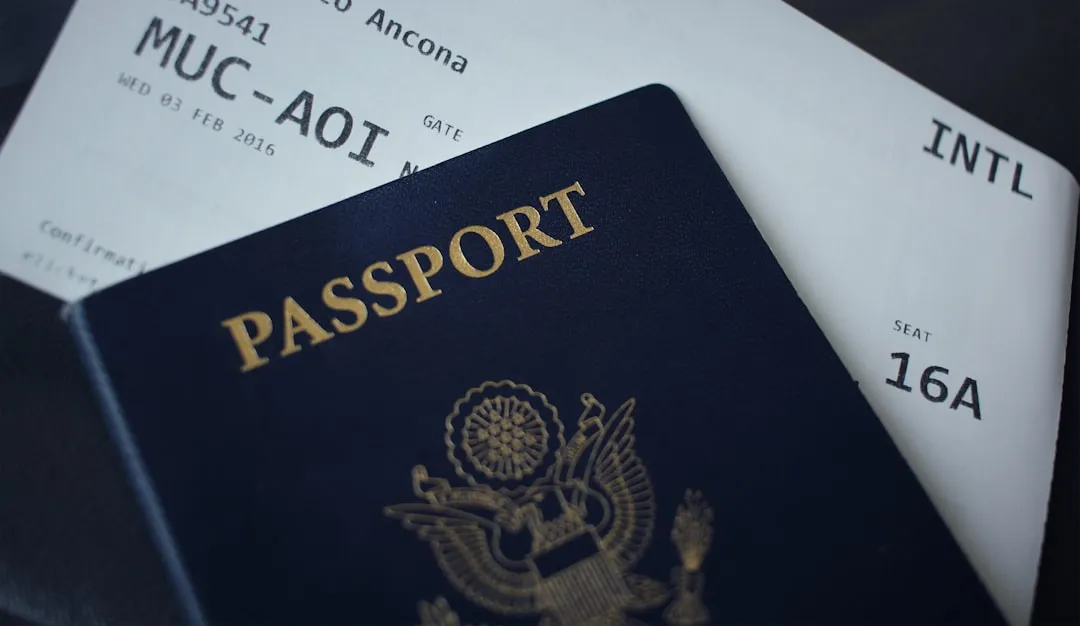
Though the best days to buy plane tickets can vary, the day of the week you actually fly can make a big difference. Expedia’s data shows that flying on Saturdays will land you the best price when traveling within the U.S., while Thursdays are the best for flying internationally.
A 2024 Hopper study also found midweek departures are a good way to save, with tickets on Tuesdays through Thursdays generally a better deal, especially within the United States. By focusing on the cheapest days of the week to fly, travelers could save approximately 15% on their tickets.
International travelers who depart on Friday instead of Sunday can save up to 14%. On the domestic front, Saturday is the cheapest day to fly, with travelers saving up to 18% compared to flying on a Monday, which is the most expensive day to travel. The shift in focus from booking day to departure day is one of the most practically useful corrections any traveler can make.
How Airline Pricing Algorithms Made the Old Rules Obsolete

Airline pricing takes on a dynamic model, changing constantly based on real-time data. Two passengers in row 12 might pay completely different prices for identical experiences. Airlines use algorithms to predict demand, fill the right seat for the right price, and most importantly, increase profits.
United Airlines, for example, has been aggressively moving away from old pricing systems and implementing dynamic models driven by machine learning, allowing for real-time pricing changes reacting to demand and competitor actions.
AI algorithms can process millions of data points in real time, enabling airlines to set optimal prices based on current demand, competition, and numerous market variables. Consider a scenario where a major sporting event is canceled, a competitor slashes their prices, and a weather system threatens flight schedules, all within an hour. AI-driven dynamic pricing systems can handle these simultaneous events, adjusting prices across an airline’s entire network almost instantaneously.
How Far in Advance You Should Actually Book

CheapAir’s analysis found that the “best day” to buy an airline ticket is 42 days before your travel date, on average. In 2024, travelers can wait about a month more to get a cheap flight compared to years prior. That’s a lot closer to your travel date than usually seen. So in 2024, you can generally afford to wait a little longer to buy and still wind up with a good value fare.
According to airfare deals site Going, the best time to book flights with cash is one to three months in advance for domestic trips and two to eight months out for international trips. These windows give you a much stronger framework than any day-of-week shortcut ever could.
The Expedia Air Hacks report found that for the best price, travelers should book flights within the U.S. about 34 to 86 days prior to departure, or roughly one to three months’ notice. The overlap between these studies points to a consistent principle: lead time matters, day of week, far less so.
Booking Too Far in Advance Can Actually Cost You More

The common belief that further ahead means cheaper fares is itself a myth. Booking too far in advance can actually cost travelers money. Booking 13 to 21 days before an international flight is the sweet spot for savings, up to 8% less than those who book two months ahead.
Most airlines allow customers to book flights up to 11 months in advance, but booking on nearly a full year’s notice rarely results in the best price. It feels counterintuitive, but airlines often hold back their most competitive fares for the mid-range booking window when they have a clearer picture of demand.
For domestic flights specifically, the picture is different. They are more affordable when booked 170 to 180 days before travel, saving up to 36% compared to leaving it to the last minute. So the optimal advance window depends heavily on whether you’re flying domestic or international.
The Expedia 2026 Report Shifts the Answer Again

Expedia’s recently released Air Hacks report for 2026, which considered millions of its flight data points, found that Fridays are now the best day to book both domestic and international flights, being 14% and 8% cheaper respectively. There have been plenty of myths about what day and how far out you should buy your tickets.
For the third year in a row, the Expedia data has confirmed Sunday as a strong booking day, though the 2026 report notably shifts the spotlight toward Friday departures. What this tells us is that even data-backed conclusions evolve year over year, making any single “rule” a moving target.
The fact that the same data provider produces meaningfully different answers across consecutive annual reports is itself evidence that no fixed day is universally cheapest. The market is simply too fluid for permanent rules to hold.
Flexibility Is the Only Reliable Strategy

To debunk a common myth directly: the day you book matters less than how far in advance you book. Airlines adjust prices constantly based on demand, competitor pricing, and available inventory. Flexibility and lead time will always matter more than which day of the week you open your browser.
Despite the research backing strategic booking windows, not all experts agree that there is a universal “best time” to book flights. Some point to flexibility in destination and travel dates as being far more impactful than any calendar-based strategy.
The golden rule of cheap travel remains: be flexible. Use Google Flights to see if there are cheaper places to go by leaving the destination field blank when you search. Check nearby airports if you’re set on a destination, and use the calendar views to find lower prices on different dates.
Price Alerts Are More Useful Than Booking Day Rules

You may not always see the lowest prices when looking far in advance, but you can monitor price fluctuations and book once prices drop. Setting a Google Flights price alert is a smart way to be notified when the price changes. You’ll get an email any time prices drop significantly, an easy way to know exactly when to book your flight.
Price drop protection tools show that international flight prices sometimes drop close to departure, but waiting until the last minute can be risky and often means limited selection and availability. Price drop protection lets travelers get an automatic refund if the price of their flight becomes cheaper after they book.
Setting an alert removes the guesswork entirely. Rather than trying to outsmart an algorithm by clicking on the “right” day, you let the data come to you and act when the price genuinely drops to a level you’re comfortable with.
The Takeaway

The myth of a single cheapest booking day is stubborn because it’s simple. Simple rules are easy to remember and easy to pass along. The reality of airline pricing in 2026 is considerably messier, shaped by machine learning, competitor tracking, route-specific demand, and departure day choices that matter far more than when you open your laptop.
What does hold up across multiple studies is that flexibility, appropriate lead time, and setting price alerts outperform any day-of-week shortcut. After all, the best day to book a flight and the best day to fly is when it’s cheapest, and that could vary depending on when and where you are going.
The next time someone swears by midnight on Tuesday, you can nod politely and then go set a Google Flights alert instead. That’s the closer thing to a real strategy that the current data actually supports.
AI Disclaimer: This article was created with the assistance of AI tools and reviewed by a human editor.