
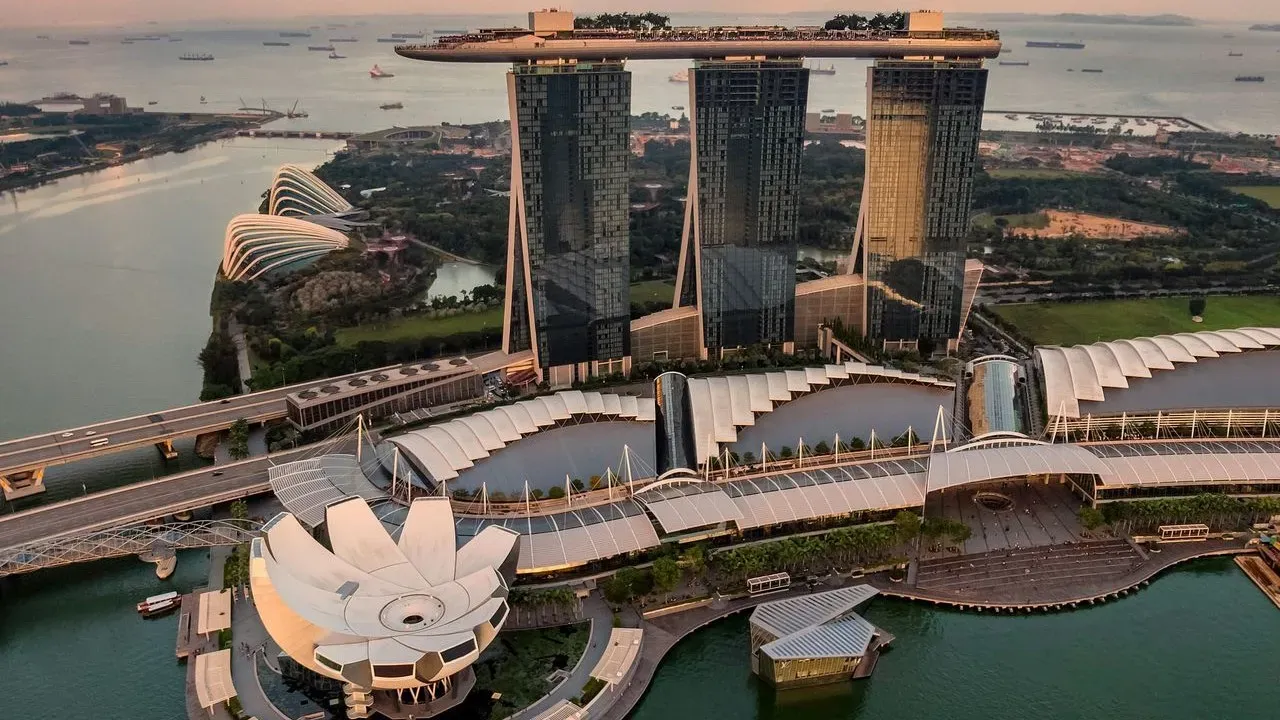

Singapore presents a striking departure from the typical travel experience across much of Southeast Asia. While many regional cities embrace a more relaxed pace and informal character, this island nation has cultivated an identity built on meticulous urban planning and an unwavering commitment to integrating nature into every corner of daily life. The result is a destination where order and greenery coexist with modern ambition in ways that continue to surprise visitors. ([1])
Urban Planning as a Defining Principle
Singapore’s approach to city building began decades ago with a deliberate vision to become a garden city. Leaders prioritized green spaces alongside infrastructure, ensuring that parks, vertical gardens, and tree-lined streets became integral rather than decorative. This policy has produced a landscape where nature feels engineered into the urban fabric rather than added afterward. The outcomes appear in everyday details. Sidewalks remain spotless, public transport runs with clockwork reliability, and public housing estates incorporate rooftop gardens and communal green areas. These choices reflect a long-term investment in livability that shapes how residents and visitors alike move through the city.
Where Modernity Meets Tropical Life
Cutting-edge amenities define much of the experience here. From efficient airports to world-class museums and waterfront developments, the city demonstrates what sustained investment in infrastructure can achieve. Yet these elements never overshadow the natural surroundings that soften the edges of high-rise districts. The integration of plants into architecture stands out as particularly distinctive. Buildings feature cascading vines and sky gardens that help manage heat and improve air quality. This blend creates microclimates within the dense urban core, offering moments of calm amid the activity of a global business hub.
Daily Life Shaped by Cleanliness and Order
Clean streets and orderly public spaces contribute to a sense of ease that many travelers notice immediately. Strict maintenance standards and community norms support this environment, allowing people to focus on exploration rather than navigating typical urban clutter. The effect extends to markets, parks, and transit hubs, where functionality pairs with visual appeal. This sense of order also supports a rich food scene and cultural offerings. Hawker centers operate with high standards of hygiene while preserving diverse culinary traditions from across the region. Museums and performance venues showcase both local heritage and international perspectives, all within a setting that feels accessible and well cared for.
Experiencing the City on Foot and by Design
Walking through neighborhoods reveals layers of intentional design. Heritage districts sit alongside contemporary developments, connected by pedestrian-friendly paths and shaded routes. The emphasis on greenery makes extended exploration comfortable even in tropical conditions, encouraging visitors to linger in botanical gardens or along waterfront promenades. Public art installations and waterfront parks further enhance these routes. They provide spaces for reflection and community gathering, underscoring how the city’s planning serves both residents and guests. Such features invite a slower pace of discovery that rewards attention to detail. Singapore’s model demonstrates how a dense metropolis can prioritize ecological balance alongside economic vitality. Travelers who appreciate thoughtful design and purposeful stewardship of public space often find the experience quietly compelling. The city’s continued evolution suggests these principles will shape its future as much as its past.
AI Disclaimer: This article was created with the assistance of AI tools and reviewed by a human editor.