
Your Brain Is Wired to Remember the Unexpected
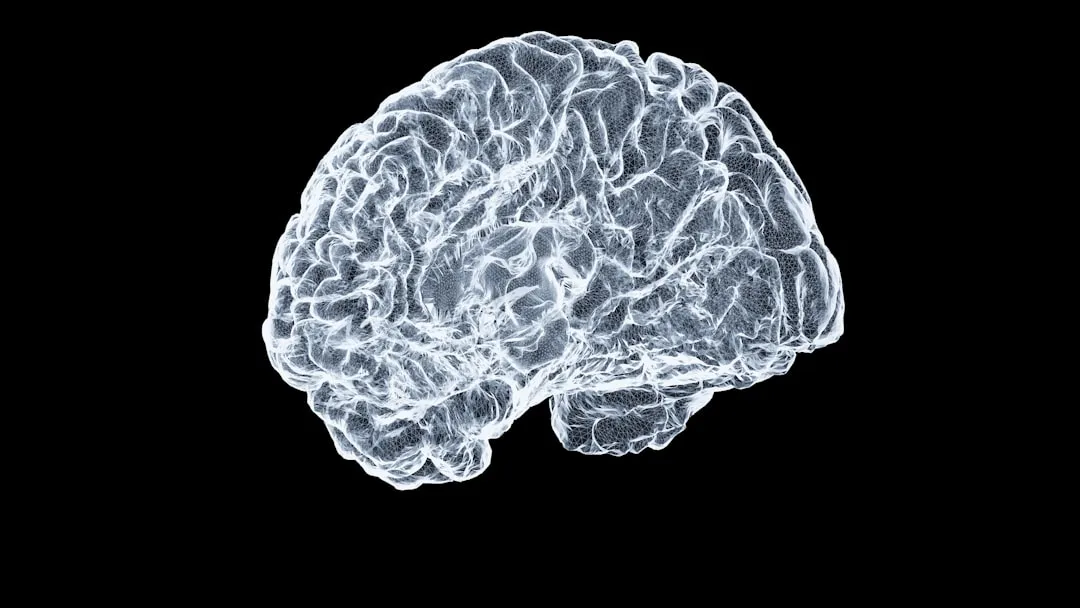
There’s a neurological reason why unplanned experiences leave such a strong imprint. Research published in Trends in Neurosciences found that novel experiences induce dopamine release in the hippocampus, a process which promotes memory persistence. This means the brain is quite literally engineered to hold onto the unfamiliar.
Novel experiences that share some commonality with past ones activate the ventral tegmental area and promote semantic memory formation, while experiences that bear only a minimal relationship to past experiences trigger strong initial memory consolidation in the hippocampus, resulting in vivid and long-lasting episodic memories. Unplanned travel is full of that second kind. When you don’t know what’s coming, almost everything qualifies as genuinely new.
Exploration of a novel environment has been shown to promote memory formation in healthy adults, with studies suggesting that novelty-induced memory boosts are mediated by hippocampal dopamine. The takeaway is fairly direct: the more unfamiliar your surroundings feel, the more likely your brain is to preserve what happens there.
The Planning Process Can Actually Add Stress, Not Remove It
Most people assume that planning a trip reduces anxiety. Research suggests this relationship is more complicated. According to psychologist Emma Kenny, travelling spontaneously can actually reduce stress and anxiety, and it also introduces a level of playfulness into day-to-day life.
One common stress that travelers face is the decision-making involved in the holiday planning process, and forgoing the methodical organisation that often goes hand in hand with a planned holiday can be so liberating. Decision fatigue is real, and a long itinerary filled with reservations and timed entries can feel more like a workday than a holiday.
By sidestepping detailed planning, travelers reduce decision-making fatigue, making the journey feel more liberating, with each unexpected experience fueling the belief that anything is possible. That shift in feeling, from managed to free, changes how you actually experience the hours of the trip.
Spontaneous Travel Is Quietly Becoming the New Normal
This isn’t a fringe preference anymore. A Skyscanner study revealed that nearly half of respondents said booking a spontaneous trip felt more exciting, and Americans are increasingly booking trips to destinations they know nothing about, suggesting that spontaneous and flexible travel may be the new travel norm.
The rise of solo travel, particularly among millennials and Gen Z, is another significant aspect of the spontaneous travel trend, with the American Express Travel survey finding that roughly three quarters of younger travelers plan to take a solo trip, with many of those journeys centered around self-discovery and personal growth. Solo and spontaneous often go hand in hand.
Spontaneous travel is more than a passing trend and reflects broader changes in how people approach their lives and experiences, with many young travelers placing more value on being present and fully engaged than on ticking off a list of must-see attractions. That shift in travel values has real implications for what people actually take home with them.
Wellbeing Goes Up When Rigidity Goes Down

Research studies have explored how being spontaneous can help our wellbeing, with findings linking spontaneity to lower levels of distress. The evidence isn’t dramatic, but it’s consistent across multiple independent studies.
Being spontaneous also appeared to be related to having more confidence in one’s ability to achieve tasks and goals. These were fairly small studies, so it is difficult to make strong conclusions, but they suggest that a little spontaneity can be a good thing and can help build confidence.
Psychologist Joe Oliver echoes these findings, noting that spontaneity is highly associated with overall wellbeing and that generally, people who plan less for their holidays tend to have better overall wellbeing. That’s a notable finding from a credentialed practitioner, not just a cultural intuition.
Unplanned Travel Delivers Value Across Multiple Dimensions
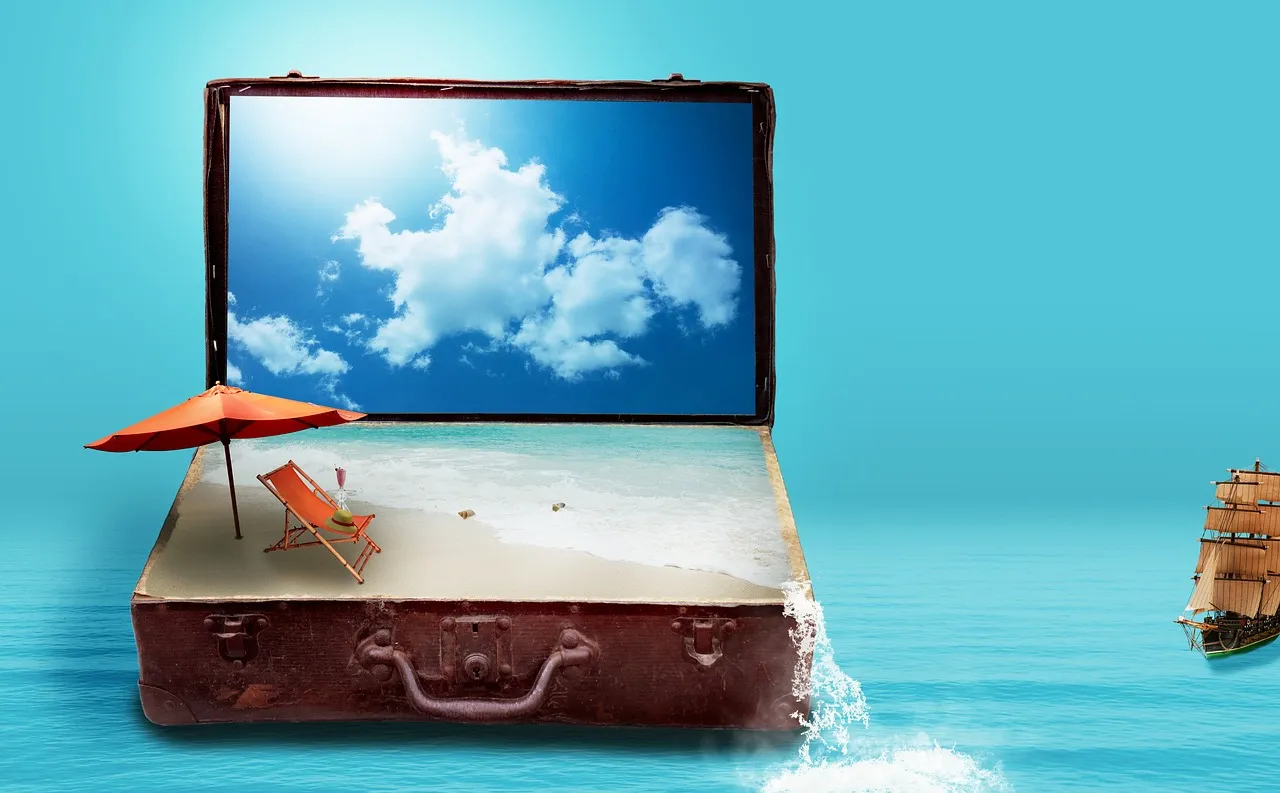
Research published in 2025 on ScienceDirect found that unplanned travel offers tourists unique values and experiences across physiological, psychological, and cognitive dimensions, confirming the appeal of this inherently uncertain travel style. These aren’t vague lifestyle benefits. They span the body, the mind, and how people process and make sense of the world around them.
The research also explores the deep logic behind these value-creation mechanisms, including subtraction (avoiding negative impacts to generate value), addition (leveraging advantages to create value), and transformation (converting neutral or negative attributes into positive value). Missing a bus, then discovering a neighborhood market because of it, is exactly the kind of transformation this research describes.
These unplanned moments often become the most memorable parts of a trip. This is not romantic speculation. It appears repeatedly in both traveler self-reports and peer-reviewed tourism research.
Uncertainty Builds Real Confidence
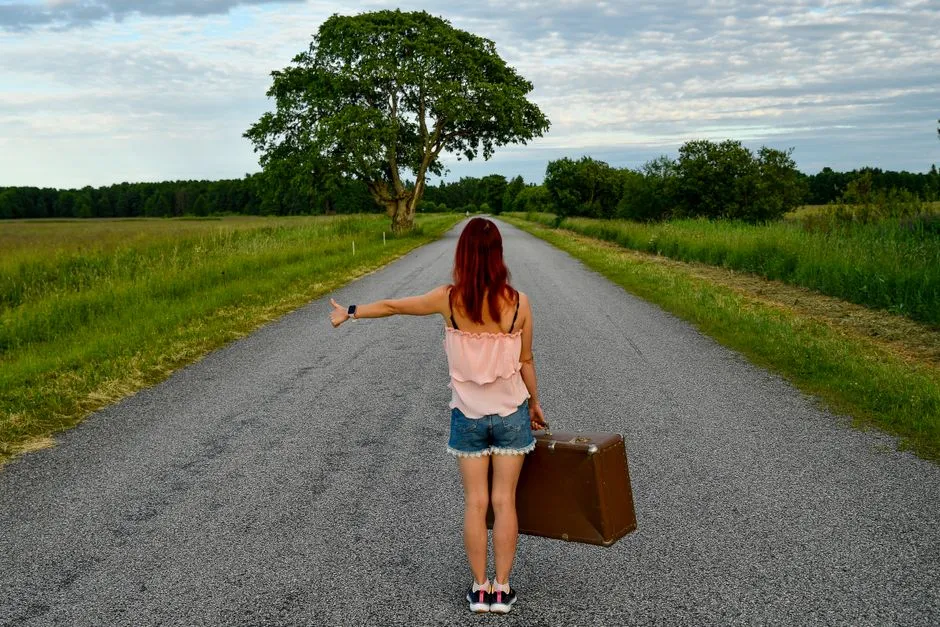
One underappreciated benefit of unplanned travel is what it does to your sense of self after the fact. Embracing unpredictability enhances adaptability and confidence, both essential for handling new challenges, while neurologically, the thrill of novelty activates dopamine and encourages a positive mindset. Spontaneity also cultivates autonomy, allowing travelers to feel in control and capable.
By traversing unfamiliar terrains successfully, travelers build resilience and problem-solving skills, promoting personal growth and sustained mental wellbeing. Getting yourself out of a jam in a foreign city, with no app telling you what to do, is one of the better confidence-building exercises available to adults.
There’s a quiet pride that comes from figuring it out. Not because the problem was dramatic, but because you handled it without a safety net. That feeling travels home with you in a way that no itinerary can replicate.
The Research on Memorable Tourism Experiences Points Inward
Research on memorable tourism experiences has rapidly increased in the last decade, though few comprehensive studies had previously traced how this knowledge was being created and shared, leading to an analysis of over 100 focused articles across eight major tourism journals.
Tourism experiences have become central to understanding travel behavior, as they go beyond the mere consumption of a product or service and include a holistic encounter with a destination. In other words, what makes a trip stick in memory isn’t what you bought or where you slept. It’s the quality of contact between you and the place.
Unplanned travel tends to force that contact. You can’t buffer yourself from the texture of a place when you have no scheduled activity to retreat into. You end up actually being there, which sounds obvious but is surprisingly easy to miss when you’re following a checklist.
The Pandemic Shifted What People Want From Travel

Skyscanner’s Global Travel Expert Laura Lindsay noted that the events of recent years reignited the appetite for spontaneous travel, with roughly three quarters of U.S. respondents saying those experiences made them want to be more spontaneous. That appetite hasn’t faded in the years since.
UK travelers reported that the pandemic limited their ability to be spontaneous, and just under two thirds said it made them want to be even more spontaneous in response, with travel specifically named as the area of life where they most wanted to act on that impulse.
There’s something instructive in that reaction. When people were denied the freedom to move without restriction, what they missed wasn’t their booked hotels or their sorted excursions. They missed the openness of being somewhere new with nothing forced upon them.
Being Fully Present Changes What You Take Home
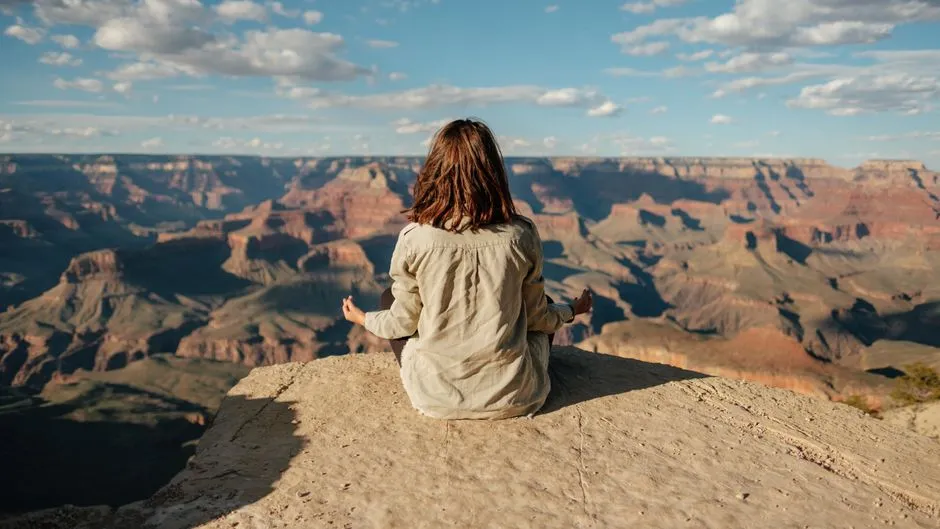
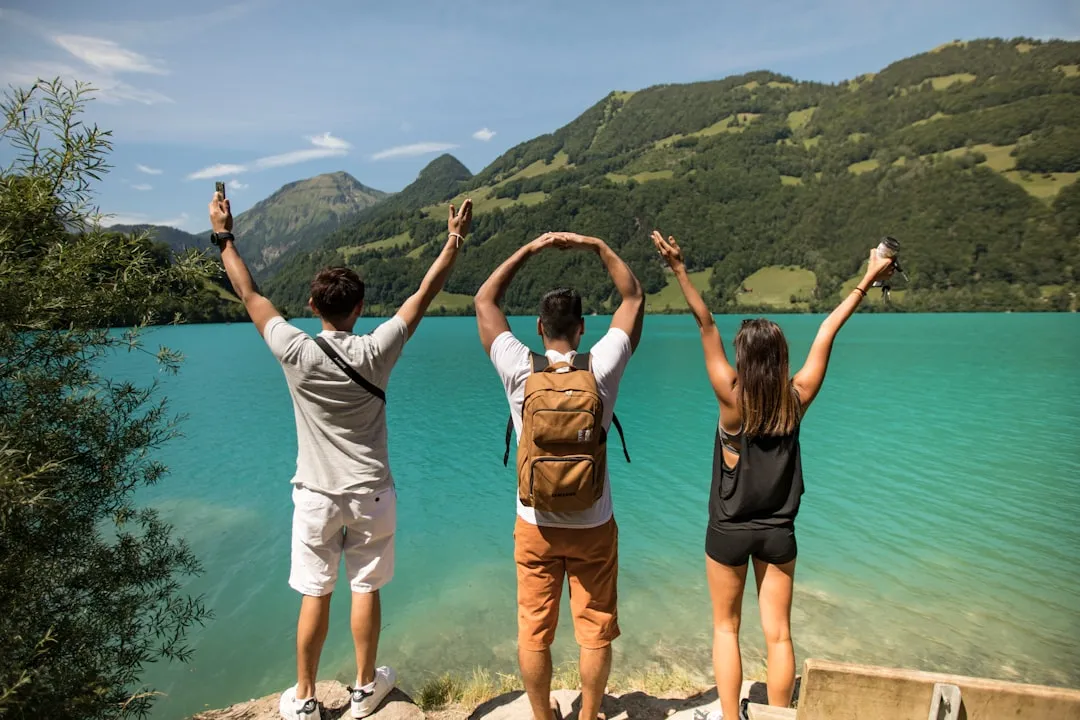
For many travelers, the idea of being present and fully engaged in their experiences is more important than ticking off a list of must-see attractions, allowing them to follow their instincts and be open to new opportunities, leading to more meaningful and memorable experiences.
Psychological studies show that this approach can significantly contribute to increased happiness and overall life satisfaction, and that when travelers immerse themselves fully in the present, they reveal a wealth of benefits that extend beyond mere enjoyment. A rigid itinerary can unintentionally pull you out of the present by orienting your attention toward what’s next.
Presence isn’t just a wellness concept here. It has a measurable effect on how an experience gets encoded in memory. The more attentive you are, the more the brain has to work with when it goes to consolidate what happened. Spontaneous travel, almost by necessity, demands attention.
What Sustainable, Responsible Travel Actually Looks Like Without a Script
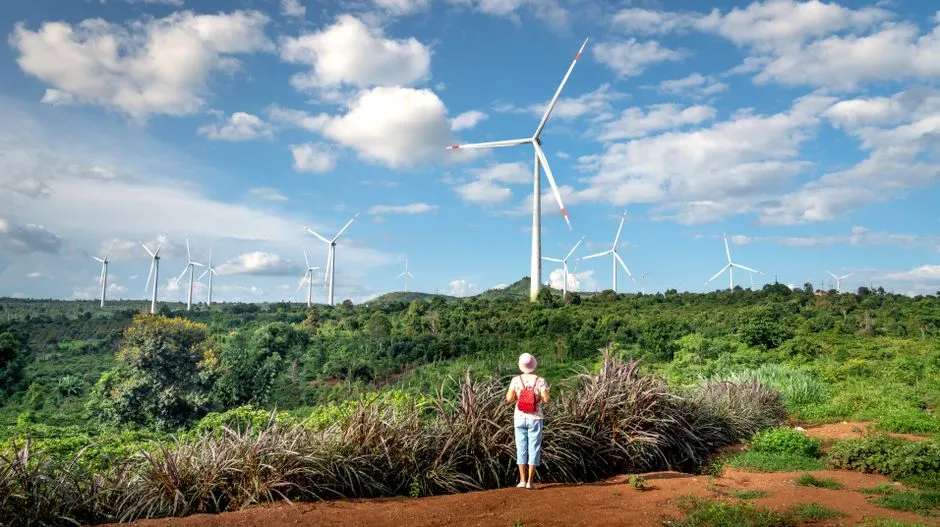
There’s an ethical dimension to this worth considering. Travelers without rigid itineraries are often more genuinely responsive to local rhythms, local economies, and local culture. When you’re not racing between pre-booked stops, you have space to support the small restaurant that wasn’t in any guide, or stay an extra day in a town because it deserves it.
Spontaneous travel aligns with the growing trend of prioritizing experiences over material possessions, and by extension, it tends to produce a more thoughtful relationship with the places visited. You slow down enough to notice where your money is going and who it’s reaching.
Responsible travel has never been only about carbon offsets or ethical tour operators. It’s also about how you show up in a place. An open itinerary invites curiosity and reciprocity in a way that a packed schedule rarely does. The communities that host travelers generally feel the difference too.
The Takeaway
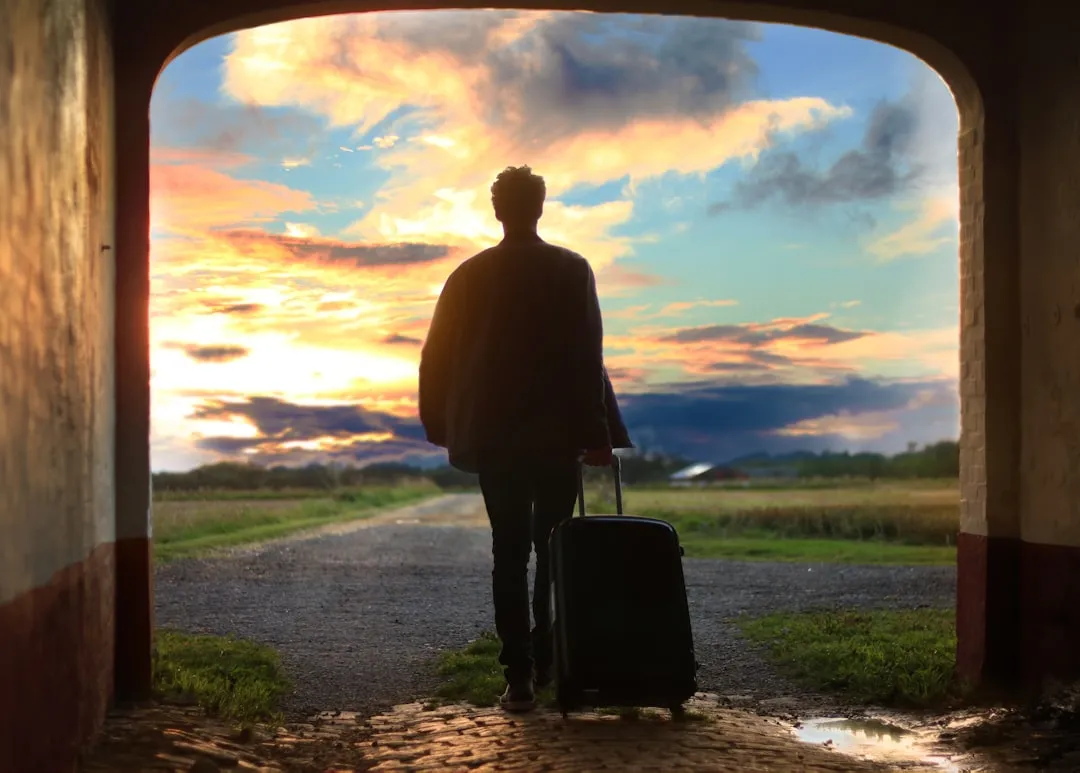
The evidence, from neuroscience to behavioral psychology to large-scale traveler surveys, tells a fairly coherent story. Unplanned trips create the conditions for stronger memories, lower stress, real confidence-building, and a deeper engagement with the places you visit. None of that is guaranteed by leaving your agenda at home, but the conditions are right in a way that careful planning often disrupts.
That doesn’t mean booking nothing, bringing no map, and hoping for the best. It means building in space. It means treating your trip as something to be experienced rather than managed. The best travel stories rarely begin with “and it went exactly according to plan.”
AI Disclaimer: This article was created with the assistance of AI tools and reviewed by a human editor.