
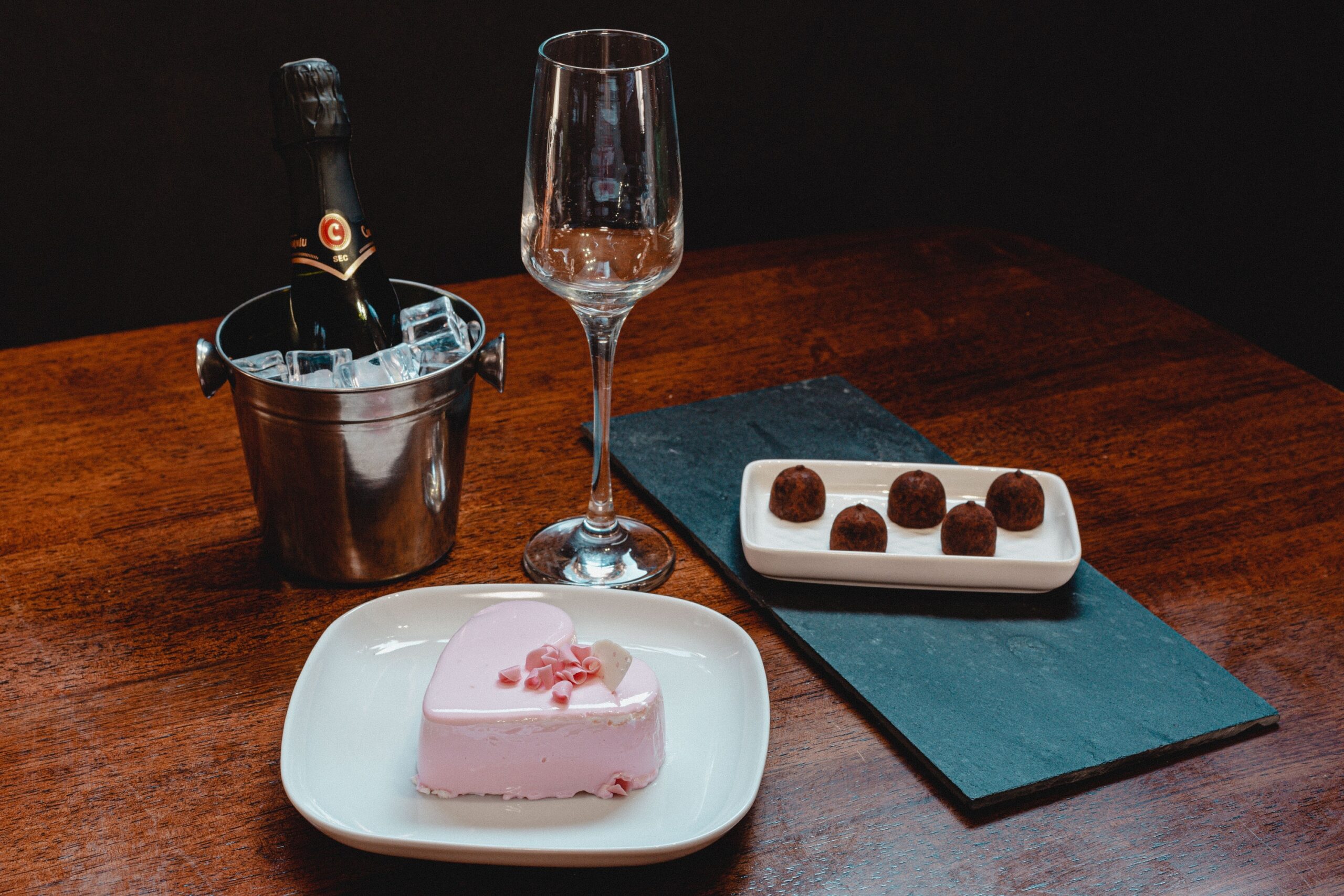

Most of us grow up thinking of dessert as an afterthought. It arrives at the end, slightly apologetically, as though the kitchen couldn’t quite let the meal end on a savory note. In certain parts of the world, though, that framing would be considered almost offensive.
There are countries where the final course carries its own weight, its own history, and its own pride. Where a pastry isn’t just a pastry. Where the person making the sweets is a craftsperson, not a sidekick. These five countries treat dessert with the same seriousness, ceremony, and cultural investment that others reserve for the main dish.
France: Pâtisserie as a National Identity

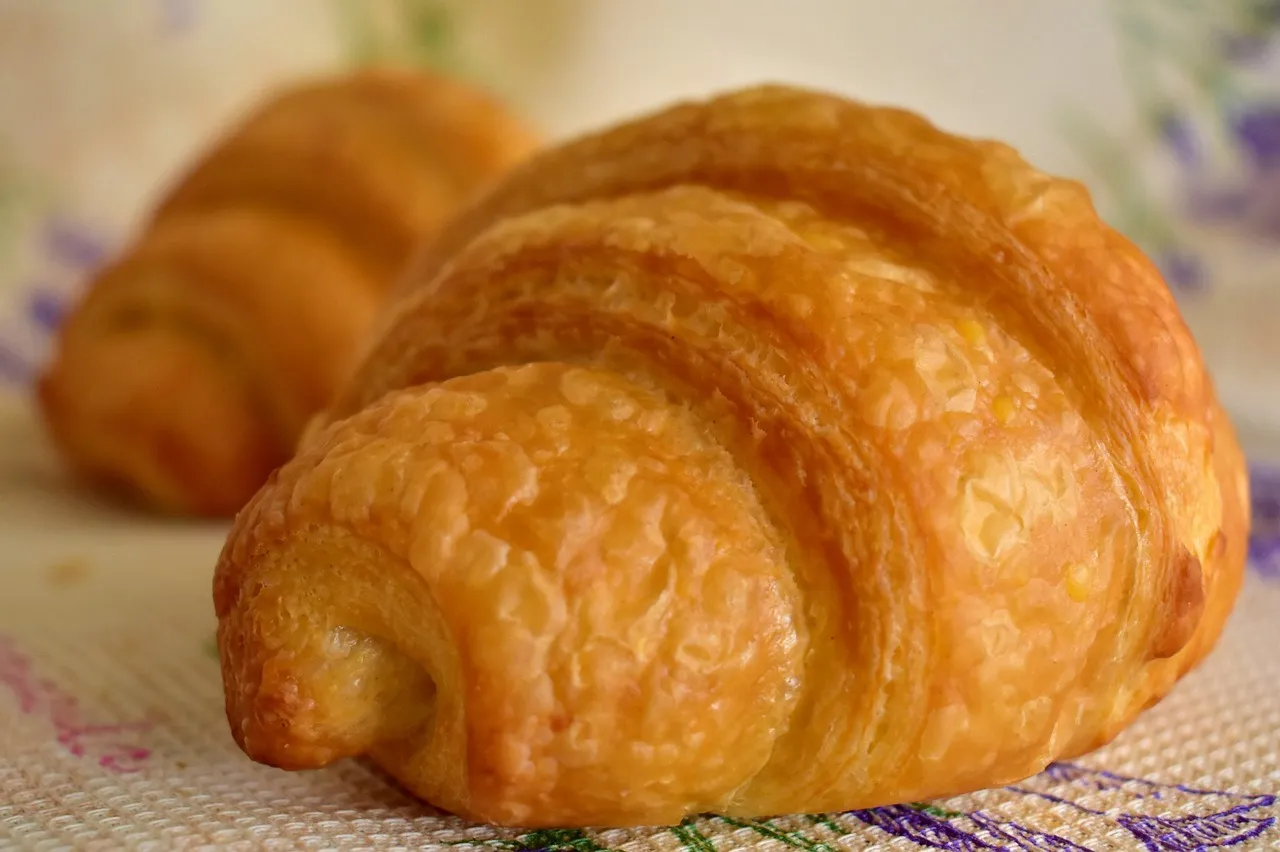
The word “dessert” itself originates from the French term desservir, meaning “to clear the table,” symbolizing the final course of a meal. That etymology alone tells you something about how central France has been to the global dessert conversation. The French didn’t just invent the word. They shaped the whole concept.
France is known for its exquisite pastries and bread, reflecting its culinary heritage. Walk into any boulangerie in Lyon or Paris and you’ll understand quickly that what’s displayed in the glass case demands as much attention as whatever’s simmering in the kitchen. Cakes often serve not only as desserts but also as central components in celebrations and social gatherings throughout France, emphasizing the strong emotional and cultural significance attached to them.
The France Bakery Market is projected to grow at a compound annual growth rate of 4.9% during the forecast period from 2025 to 2031, with growth attributed to the enduring bread culture, expanding premium pastry and biscuit segments, and continuous innovation in clean-label and functional bakery products. The market figures confirm what anyone who’s spent time in France already feels intuitively: this country is deeply, structurally committed to its sweet traditions.
Japan: Where Wagashi Is Art, Ceremony, and Season Combined
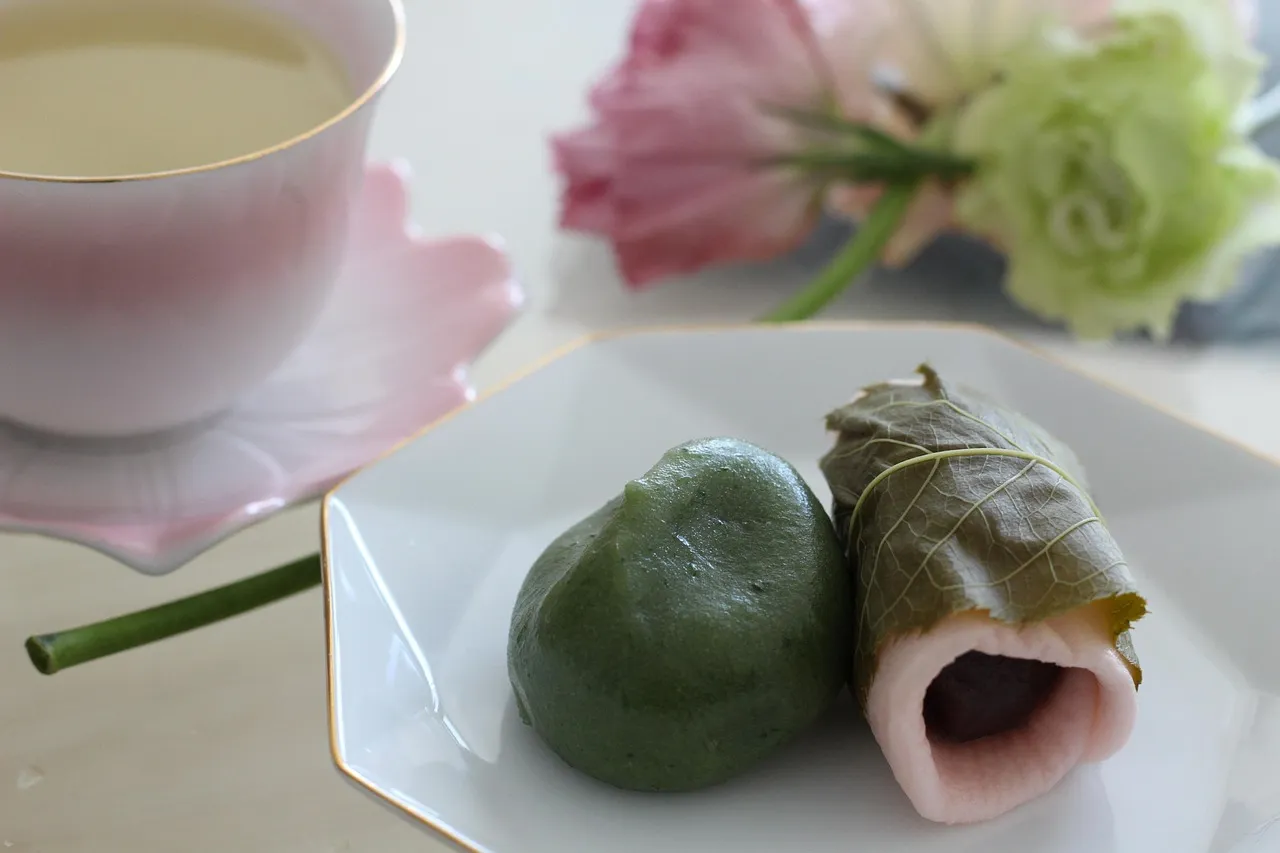
In Japan, wagashi reigns supreme. These artful, bite-sized confections are often crafted from ingredients like sweet red bean paste, mochi, and matcha. Wagashi is typically served with tea, but it’s more than just a snack. It’s a celebration of seasons and tradition. Each wagashi is designed to reflect the month in which it’s served, a level of intentionality rarely applied to a dessert anywhere else.
For centuries, mochi has held deep cultural significance in Japan, appearing at weddings, festivals, and on shrines throughout the year. This ancient cultural dessert has extraordinary range: it can be plain, filled, flavoured, grilled, or layered into complex confections. The ritual of mochi-pounding, known as mochitsuki, is still practised at New Year celebrations across the country.
Japan won the 2025 Pastry World Cup, beating France to the crown of the competition held in Lyon, and defended its title despite the French home crowd. That victory wasn’t a fluke. Japanese confectionery is increasingly recognized on the global stage as a discipline that blends precision, restraint, and genuine artistry in equal measure.
Italy: Gelato, Tiramisu, and a Culture That Refuses to Rush
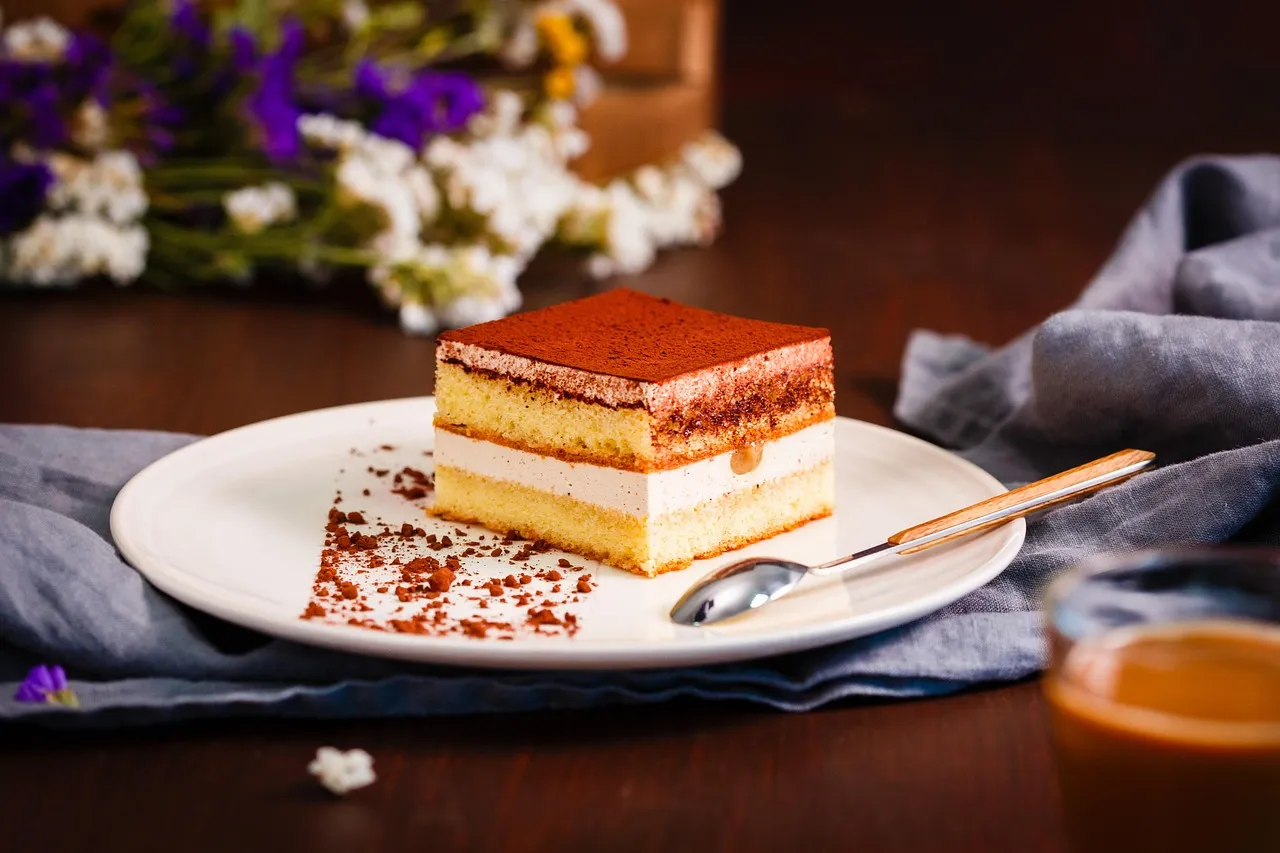
Originating in the Veneto region of Italy, tiramisu is a heavenly combination of espresso-soaked ladyfingers, mascarpone cheese, and cocoa powder. Its name means “pick me up,” a perfect reflection of its energy-boosting coffee flavor. Tiramisu represents Italian elegance: simple ingredients turned into something exquisite.
Italy’s relationship with dessert goes far beyond one beloved recipe. France, Italy, and Turkey each have a compelling case based on range, technique, and cultural depth. For regional variety and centuries of tradition, Italy and Turkey are equally deserving. The Italian dessert table varies dramatically from north to south, from the creamy frozen gelato of the north to the honey-drenched pastries of Sicily, each region fiercely proud of its own traditions.
Tiramisu is one of the best desserts from Italy that has captured hearts worldwide. This delightful treat features layers of coffee-soaked biscuits, luscious mascarpone cheese, and a dusting of cocoa powder on top. It’s rich yet light, making it a favorite after a meal. The dessert course in Italy is rarely skipped and rarely rushed. It’s the part of the meal where the table settles in, the espresso arrives, and time slows down just slightly.
Turkey: Sweetness as Hospitality and Heritage
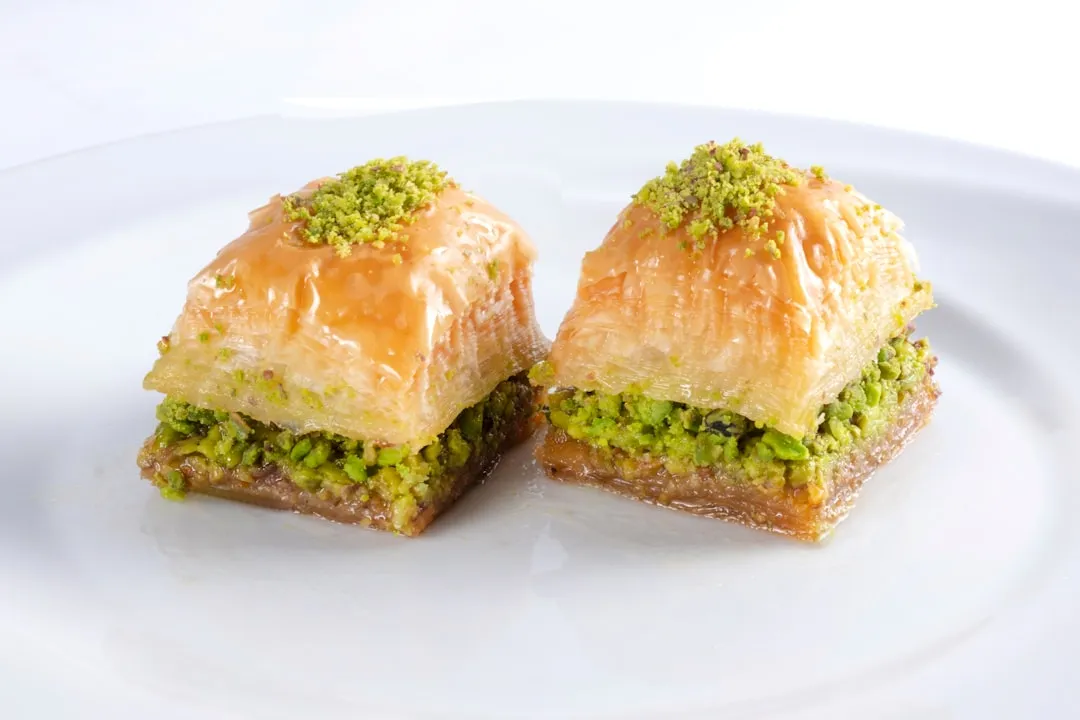
In Turkey, it’s not unheard of to begin a meal with something sweet, especially during Ramadan or other religious observances. Dried fruits, dates, and even syrup-soaked pastries like baklava may make an appearance early on. This comes from a cultural and spiritual place, since breaking a fast with sugar replenishes energy quickly and gently.
Sweets are often offered as a form of welcome to guests before the actual meal begins. Beyond religion, Turkish hospitality leans heavily into offering comfort. A sweet bite before the main meal sets a friendly tone and honors the guest’s presence. That’s a remarkable inversion of how most cultures sequence their meals, and it reflects how deeply embedded sweetness is in Turkish social life.
Baklava is one of the most popular Middle Eastern pastries and is especially popular in Turkey, with a sweet taste and a relatively moist quality due to the layers of phyllo dough. Turkish confectionery also extends to lokum, helva, and kazandibi, each with its own regional story and ceremonial weight. From delicate Japanese wagashi to indulgent Turkish baklava, the world is brimming with iconic treats that reflect the heart of each culture.
India: Where Sweets Carry Ritual, Religion, and Celebration
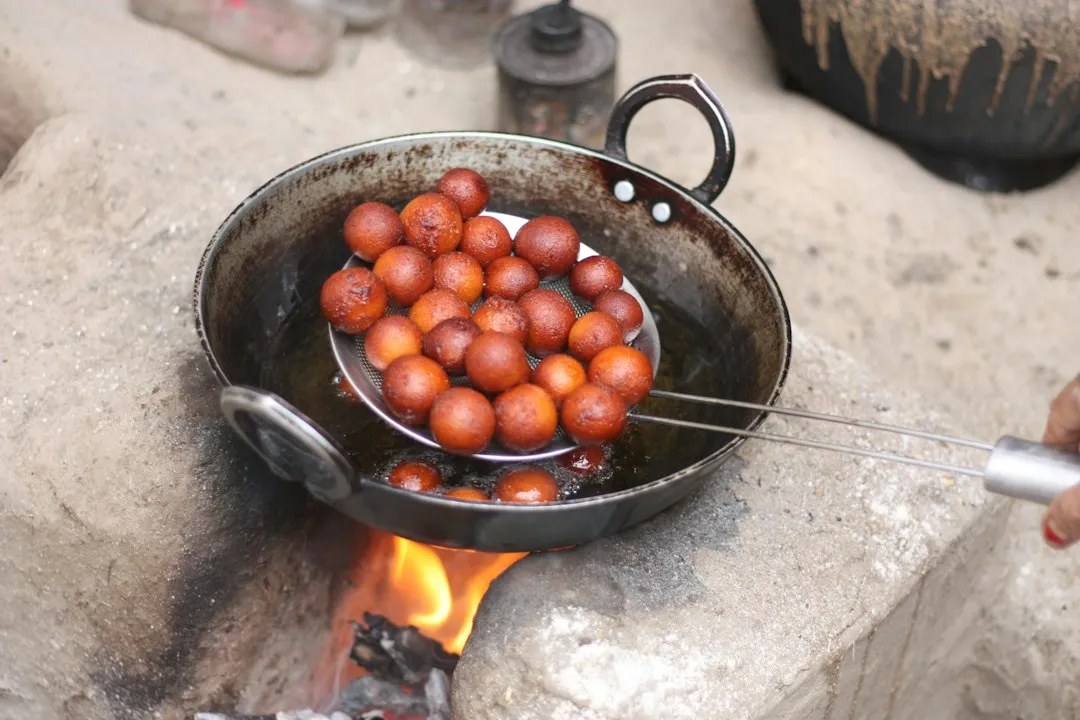
Mughal Persian traditions merged with Indian ingredients to create gulab jamun. That blending of influences is, in miniature, the story of Indian mithai, the broad category of sweets that encompasses hundreds of regional varieties, each tied to a place, a festival, a family ritual, or a religious occasion. Sweets were fed to the gods in ancient Mesopotamia and ancient India and other ancient civilizations.
Gulab Jamun is India’s milky dough soaked in syrup and remains one of the most universally recognized Indian sweets globally. Visiting India during Diwali makes the cultural weight of sweets immediately clear. Mithai shops work around the clock, families send boxes of sweets as gifts, and the exchange of these treats carries emotional and social significance that extends well beyond flavor.
The vibrant spices in an Indian gulab jamun bring something special to the table, and that specificity extends across the entire Indian subcontinent’s dessert landscape. From the saffron-laced shrikhand of Gujarat to the coconut-based payasam of Kerala, dessert in India isn’t one thing. It’s a living, region-specific archive of culture, craft, and memory.
What These Five Countries Have in Common
A national dessert can say just as much about a country and its culture as a national dish can. That observation holds up across all five of these countries. In each case, dessert is not an appendage to the meal. It’s a mirror of the society that created it.
Culinary traditions are often passed down through generations within families and communities, creating a sense of continuity and identity. In France, Italy, Turkey, Japan, and India, that transmission is visible in how their desserts have survived, adapted, and remained meaningful across centuries. These aren’t recipes that got lucky. They’re traditions that were protected.
Each culture offers a distinctive treat that tells a story, reflecting traditions and ingredients native to the region. These desserts are more than just indulgent bites. They are a window into the history, geography, and culinary artistry of their respective countries. Visiting any of these five countries with that understanding changes how you approach a dessert menu entirely.
How to Experience Dessert Culture Respectfully as a Traveler
Tasting desserts while traveling is one of the most accessible entry points into a culture, but it helps to approach it with some awareness. Eating a French macaron from a tourist strip near the Eiffel Tower is a very different experience from sitting in a neighborhood pâtisserie in Lyon where the chef trained for years before opening their shop. Location and context matter enormously.
In Japan, wagashi served during a traditional tea ceremony carries ceremonial meaning that deserves attention and quiet. Wagashi is typically served with tea and is a celebration of seasons and tradition. Sakura mochi, for example, ushers in spring with its cherry blossom flavor and pastel pink hue. Receiving one without knowing what it represents is a missed opportunity for genuine connection.
In India and Turkey, accepting sweets offered by a host is part of a social exchange. Politely refusing without context can unintentionally signal disrespect. While ingredients and techniques vary, one thing remains constant: desserts bring people together. They celebrate life’s sweetest moments and connect us beyond borders through taste and tradition.
The Craftspeople Behind the Sweets
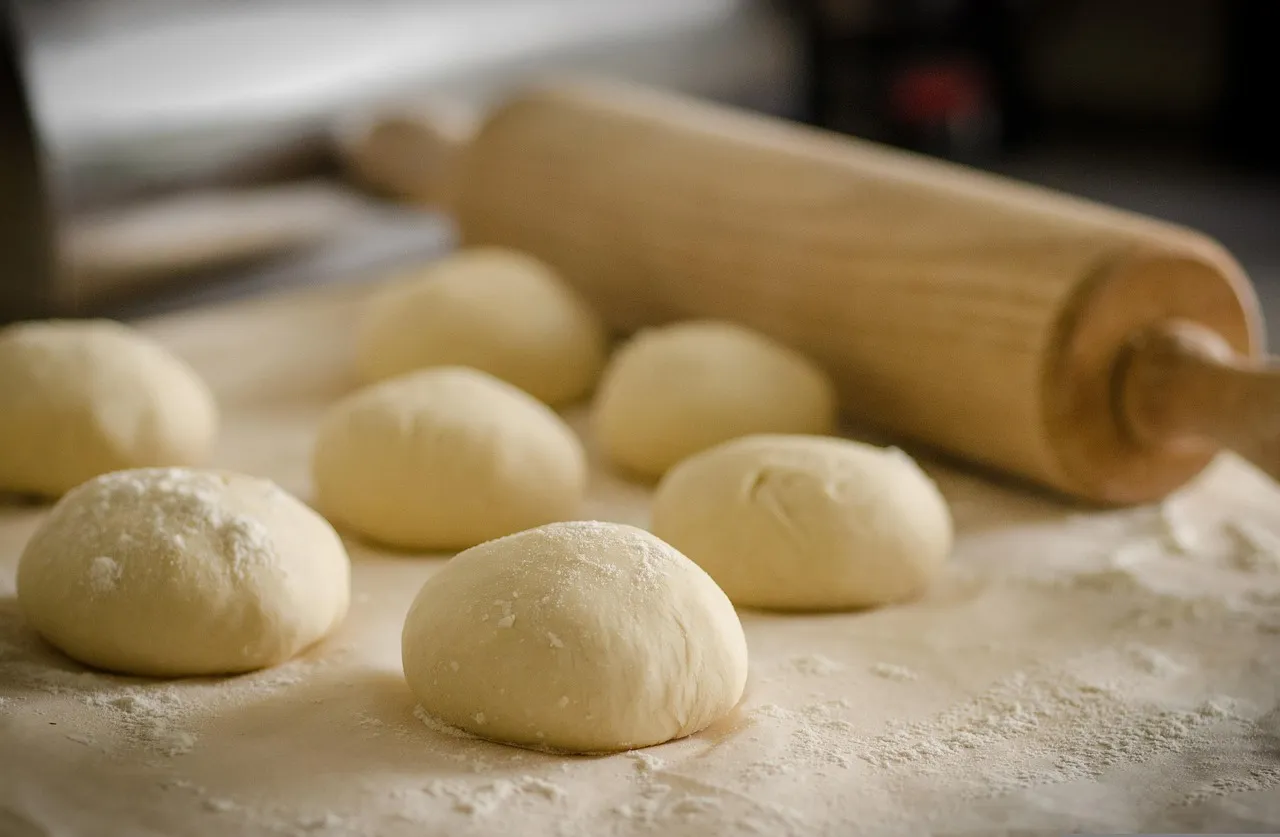
It’s worth pausing on the people who make these desserts. The surging creativity in recipes rendered by bakeries and pastry shops marketing baked products including pastries, while maintaining a watch on health and fulfilling the novel anticipations of consumers, is set to drive the France Bakery Market. In France, pastry training is rigorous, multi-year, and treated with the seriousness of any skilled profession.
In Japan, the artisans who make wagashi study under masters, some spending decades perfecting a small number of confections. Japanese bakers transformed a Portuguese sponge cake into something distinctly their own. Each of these cultural desserts carries centuries of culinary evolution, passed down through generations who perfected their craft long before any recipe was written down.
In Turkey, the skill of layering phyllo for baklava or pulling sugar for hard sweets is similarly a craft passed down within families and guilds. The importance of desserts goes beyond the mere role of a sweet meal but also portrays a given area’s history and customs. Every part of the world has localized methods of preparing desserts that are equally palatable to the tongue but packed with historical, geographic, and traditional procedures.
Dessert as a Destination in Itself

Increasingly, travelers are building itineraries around food experiences that go beyond restaurant dining. As non-discriminating food travelers, many don’t consider dessert an afterthought. Sometimes it’s the main event when traveling within dessert-obsessed countries like France and Italy. That shift reflects a broader maturity in how people approach purposeful travel.
Signing up for a pâtisserie class in Paris, joining a mithai-making workshop in Rajasthan, or attending a traditional mochi-pounding ceremony during New Year celebrations in Japan are all ways of moving from passive consumer to engaged participant. These cultural snapshots and flavour profiles serve food enthusiasts planning culinary travels or building their knowledge of desserts from different countries.
Dessert tourism is a real and growing phenomenon. Desserts are more than just treats. They tell stories of history, culture, and celebration. Across the world, every country has a signature sweet that reflects its people’s traditions, flavors, and creativity. Choosing to seek those stories out, deliberately and respectfully, is what separates a memorable trip from a forgettable one.
Sweet Diplomacy: How Desserts Cross Borders
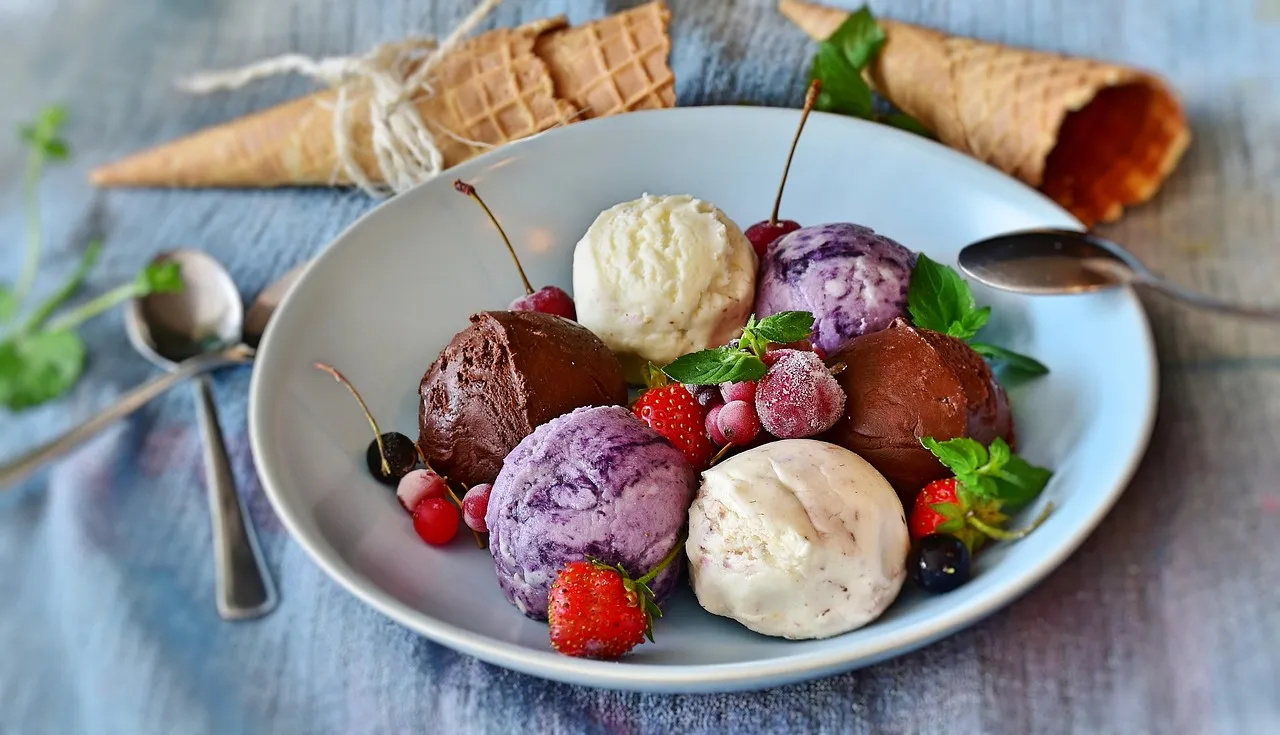
Early desserts were simple, often featuring honey and dried fruits, until the discovery of sugar transformed the world of sweets into the art form we know today. The globalization of sugar didn’t just create new flavors. It created cultural exchange, sometimes willing, sometimes colonial, and the desserts we now consider “traditional” in many countries carry the fingerprints of those movements.
A Portuguese monastery’s egg yolk surplus became pastéis de nata. Mughal Persian traditions merged with Indian ingredients to create gulab jamun. These are not pure-origin stories. They’re stories of movement, trade, and adaptation, and knowing that makes each dessert richer, not less authentic.
Every culture has answered the universal craving for something sweet at meal’s end, and the results have traveled, blended, and evolved across centuries of human contact. Dessert is quietly one of the most traveled things on earth, and it carries the history of those journeys in every bite.
The Takeaway

There’s something quietly radical about a culture that refuses to treat the last course as less important than the first. In France, Japan, Italy, Turkey, and India, dessert isn’t an afterthought. It’s a statement. It says something about what a culture values, how it marks time, and how it welcomes people to the table.
The next time you sit down to a meal in any of these five countries, don’t scan the dessert menu as a formality. Read it the way you’d read the story of a place, because in many ways, that’s exactly what it is.
AI Disclaimer: This article was created with the assistance of AI tools and reviewed by a human editor.