
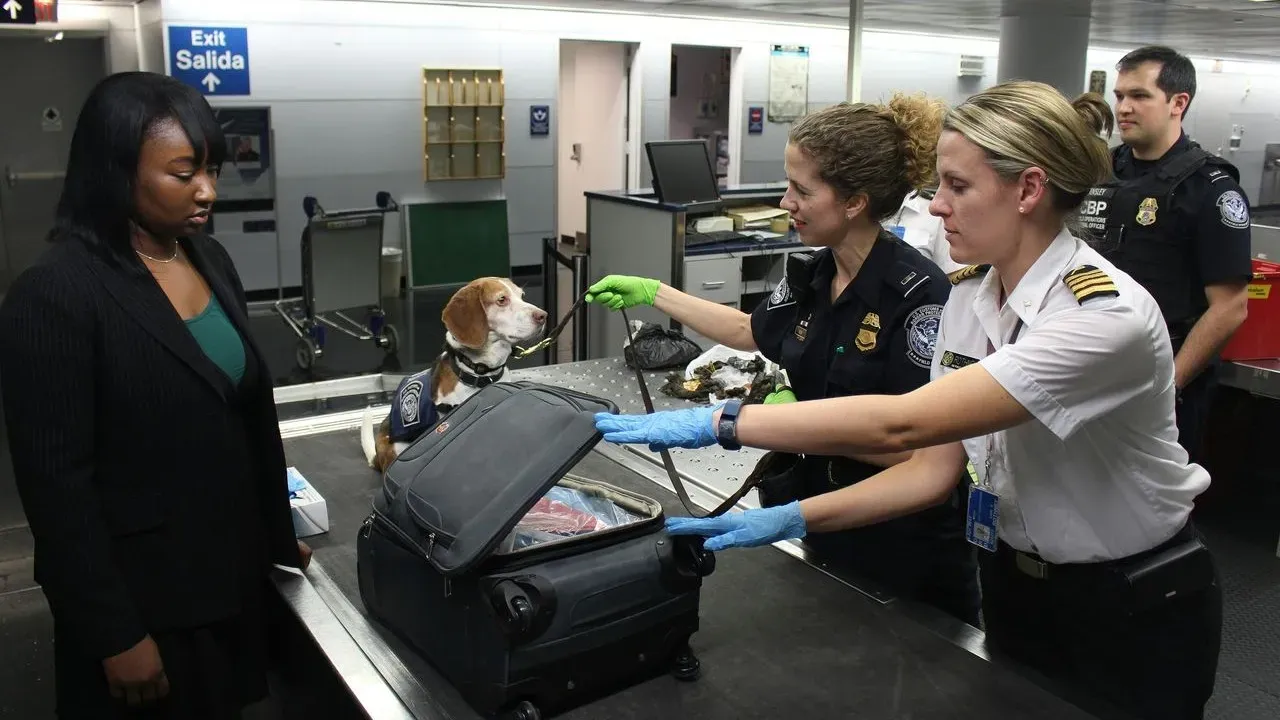

Twenty-five years after the attacks, the routines of air travel continue to reflect a single day that altered the industry in lasting ways. Travelers now move through checkpoints, present identification, and follow liquid restrictions that trace directly to those events, even as the memory of that morning fades for newer generations of flyers. The changes began with the complete shutdown of U.S. airspace and evolved into the layered security and operational practices familiar at airports today. ([1])
From Grounding to New Ground Rules
The immediate response to the attacks closed American skies for the first time in modern history, stranding passengers and halting all commercial flights. When service resumed, airports introduced measures that separated ticketed travelers from the public areas once open to anyone. Gate access tightened, and private security firms gave way to a federal workforce under the newly created Transportation Security Administration. These steps marked the start of a sustained effort to secure the passenger journey from curb to cabin.
Security Layers That Travelers Still Encounter
Subsequent incidents prompted further refinements that remain in place. The attempt to ignite explosives in a shoe led to mandatory removal of footwear at checkpoints. A foiled liquid explosives plot produced the familiar 3-1-1 rule limiting carry-on containers. Later events brought full-body scanners and more thorough screening procedures. Each adjustment responded to emerging risks while shaping the pace and feel of every departure.
Programs That Ease the Process for Many
Alongside stricter screening came options for expedited passage. Global Entry began as a pilot and grew into a permanent Department of Homeland Security program offering background-checked travelers faster reentry after international trips. TSA PreCheck launched at Las Vegas and expanded nationwide, allowing approved members shorter lines and lighter screening. Real ID requirements, rooted in post-attack recommendations, standardized state identification and continue to influence boarding today. Newer tools such as touchless verification and automated gates build on the same foundation of verified identity.
Industry Shifts Beyond the Checkpoint
The financial shock of sharply reduced demand accelerated consolidation across carriers. Several major airlines restructured through bankruptcy, and a wave of mergers left four large operators controlling the majority of domestic capacity. Airlines also turned to partnerships with banks that purchase miles for co-branded credit cards, creating a revenue stream that now supports operations. These business adaptations occurred alongside the security changes, reshaping both the cost structure and the passenger experience.
Remembering the People Behind the Changes
The human cost remains central to any reflection on that day. Crew members and passengers on the four flights lost their lives while going about ordinary travel. Their actions, including alerts from the cabin and the stand taken on one flight, prevented further harm. Twenty-five years later, the routines at airports serve as quiet reminders of those individuals and the value placed on safe passage. Travel continues because the privilege of movement carries forward the memory of those who can no longer take the journey.
AI Disclaimer: This article was created with the assistance of AI tools and reviewed by a human editor.