
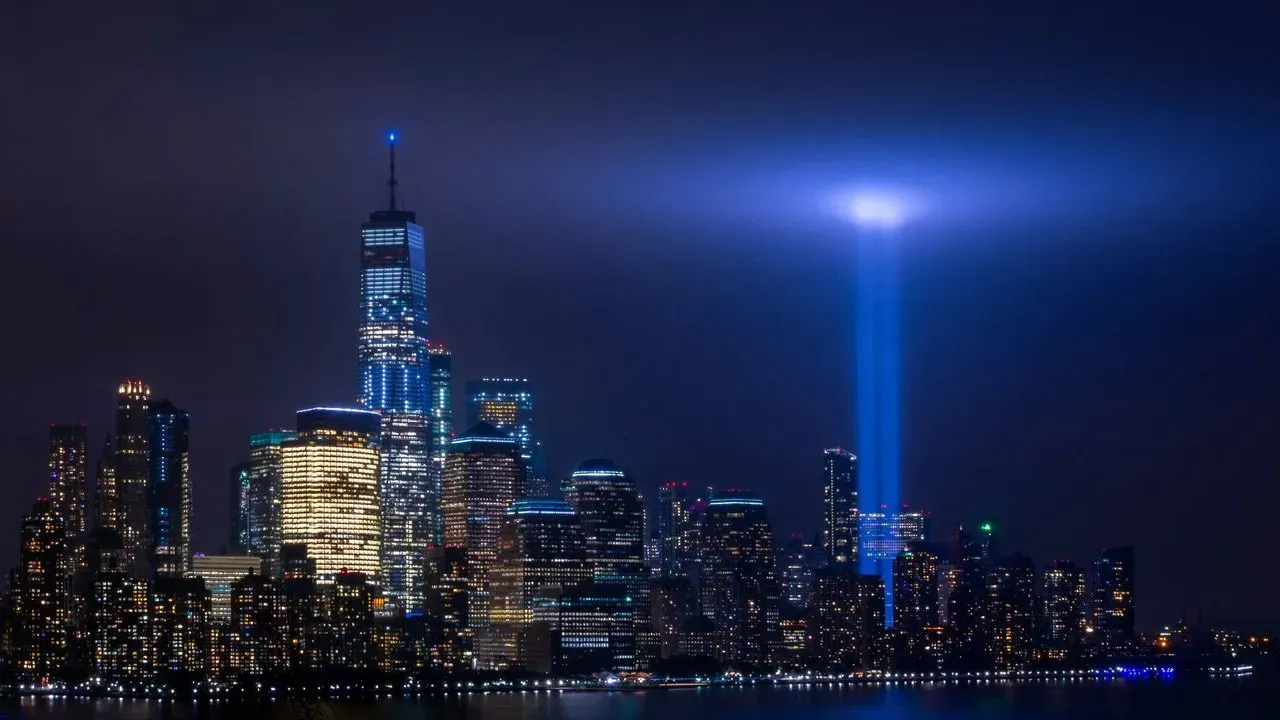

September 11, 2001, marked a turning point not only in global events but also in the quiet routines of air travel that millions still follow each day. The attacks prompted immediate and lasting reforms across aviation security, many of which travelers now accept as standard procedure. Those measures continue to shape every boarding pass, checkpoint, and flight deck today, twenty-five years later. ([1])
The Creation of the TSA
In the weeks after the attacks, Congress moved quickly to establish the Transportation Security Administration. The new federal agency assumed responsibility for screening passengers and baggage at U.S. airports, replacing a patchwork of private contractors with a unified national system. Within a year, more than 50,000 screeners had been hired and trained under federal standards.
The shift centralized oversight and introduced consistent protocols nationwide. It also expanded the federal workforce dedicated to transportation security in ways that persist. Travelers today encounter the direct legacy of that rapid reorganization every time they place their belongings on a conveyor belt.
Screening Before and After
Before 2001, many domestic passengers passed through metal detectors with minimal additional checks. Carry-on bags received only cursory inspection, and identification requirements varied widely by airport. International flights sometimes involved more scrutiny, yet overall procedures remained lighter than current norms.
After the attacks, every passenger faced expanded screening that included removal of shoes, belts, and outerwear. Random additional inspections became routine, and the introduction of advanced imaging technology followed in later years. These steps lengthened the process but created a more uniform layer of verification across the system.
Liquids, IDs, and Boarding Realities
The 2006 discovery of a liquid explosives plot led to the now-familiar 3-1-1 rule limiting liquids, gels, and aerosols in carry-on bags. Passengers must place such items in a single quart-sized clear bag for separate screening. The restriction remains in effect at U.S. airports and has influenced similar policies abroad.
Identification checks grew stricter as well. Valid government-issued photo ID became mandatory for domestic flights, and boarding procedures incorporated more thorough document verification. Reinforced cockpit doors, installed on commercial aircraft shortly after the attacks, added a physical barrier that pilots control from inside the flight deck. Together these elements altered the rhythm of every journey from curb to gate.
A Lasting Framework for Travelers
The security architecture built in response to September 11 continues to evolve with new technology and threat assessments. Yet its core elements, from the TSA itself to the liquids rule and reinforced doors, have remained remarkably stable. Passengers who fly regularly may notice incremental adjustments, such as expanded PreCheck lanes or updated scanner software, but the foundational changes endure.
These measures reflect a sustained commitment to aviation safety that has become woven into the experience of modern flight. As the twenty-fifth anniversary arrives, the quiet, repeated actions at security checkpoints serve as a tangible reminder of how one day reshaped an entire industry and the journeys it enables.
AI Disclaimer: This article was created with the assistance of AI tools and reviewed by a human editor.