

New York City stands as a living testament to resilience, its skyline forever altered yet its spirit undiminished. On this 25th anniversary of the September 11, 2001 attacks, many travelers are turning to the physical sites of remembrance as a way to connect with history in a personal, grounded manner. These places offer space for reflection without spectacle, allowing visitors to honor lives lost while supporting the ongoing work of education and preservation. ([1])
The National September 11 Memorial & Museum
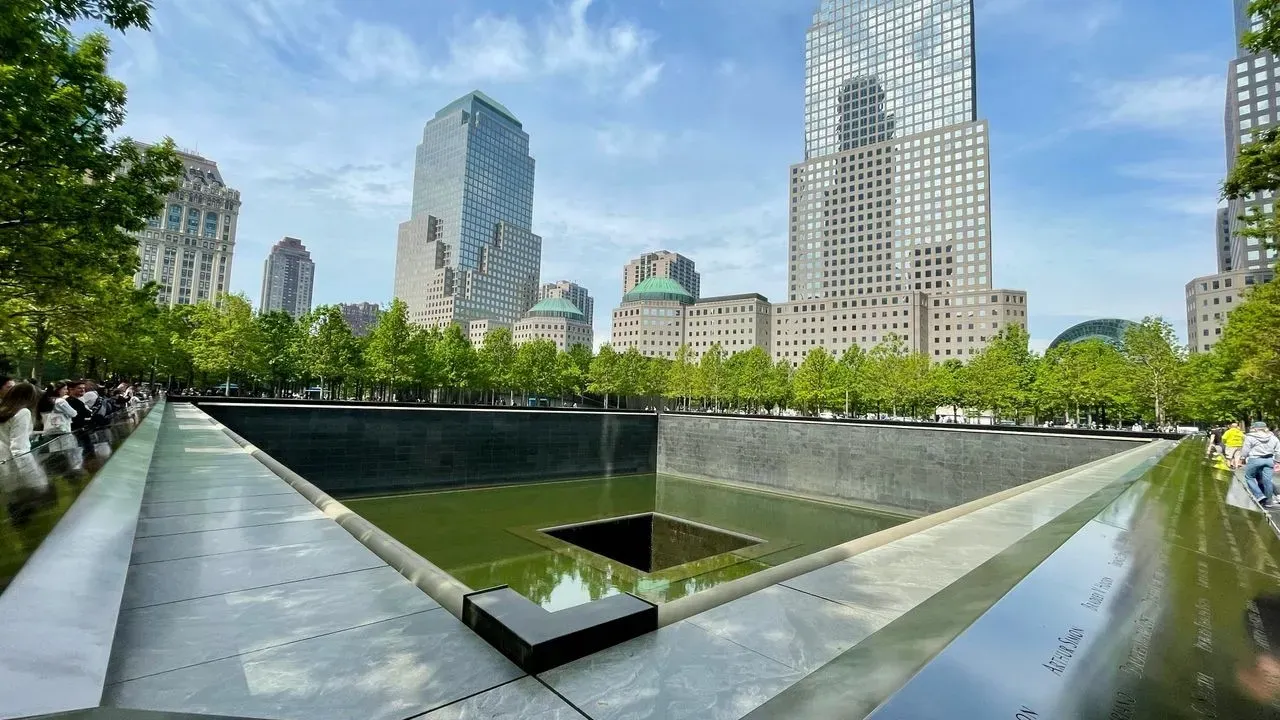
At the heart of Lower Manhattan, the National September 11 Memorial & Museum occupies the footprint of the former World Trade Center. The twin reflecting pools, each edged with the names of those lost, create a still surface that mirrors the sky and invites contemplation. Inside the museum, artifacts and personal stories trace the day’s events and the years that followed, giving context to an entire generation that did not witness the attacks firsthand. Travelers who arrive here often describe the experience as one of measured presence rather than tourism. The site’s design encourages slow movement through the plaza and exhibits, fostering an atmosphere where individual reflection feels natural. Educational programs supported by the Never Forget Fund extend this work beyond the physical visit, reaching schools and communities across the country. Former New York City mayor Michael Bloomberg has committed to matching donations up to $25 million for the anniversary, underscoring the institution’s role in keeping memory active and accessible.
The Flight 93 National Memorial
In rural Somerset County, Pennsylvania, the Flight 93 National Memorial marks the field where 40 passengers and crew members acted with extraordinary courage. Their decision to confront the hijackers prevented further loss of life that morning. The memorial’s design integrates the landscape itself, with a white marble wall bearing the names of the heroes and a tower of wind chimes that sounds across the open ground. Visitors who make the journey to Shanksville often speak of the quiet power of the setting. The site’s isolation amplifies the sense of sacrifice and resolve. The Friends of Flight 93 National Memorial, the official nonprofit partner, maintains the grounds and develops interpretive programs that ensure the story reaches new audiences. A private ceremony marks the anniversary each year, yet the memorial remains open to the public as a place of ongoing tribute and learning.
Supporting Lasting Remembrance
Beyond the physical sites, several organizations extend the work of memory into daily life. Voices Center for Resilience, originally founded to aid those directly affected by the attacks, now provides resources for communities facing any form of tragedy. Its programs emphasize long-term healing through support groups and educational forums that travel far beyond New York and Pennsylvania. The Tunnel to Towers Foundation honors firefighter Stephen Siller’s final run through the Brooklyn-Battery Tunnel by delivering mortgage-free homes to families of fallen first responders and injured veterans. For the anniversary, the foundation is completing 343 such homes, one for each firefighter lost at the World Trade Center. The FealGood Foundation continues advocacy for responders who developed illnesses from their work at the site, offering practical assistance and pushing for sustained federal support.
Travel as a Continuing Act of Respect
Choosing to visit these memorials represents a deliberate form of purposeful travel. It requires time, attention, and a willingness to engage with difficult history on its own terms. Such journeys align with the idea that remembrance is not a single day but an ongoing practice sustained by presence and support. Whether standing at the edge of a reflecting pool in Manhattan or walking the fields of Shanksville, travelers contribute to the living record of that day. Donations to the associated funds and foundations amplify this impact, ensuring the sites remain vibrant centers of education for decades ahead. In this way, the act of travel itself becomes part of the story that endures.
AI Disclaimer: This article was created with the assistance of AI tools and reviewed by a human editor.