

Europe’s Open Skies Agreement: The Foundation of Everything

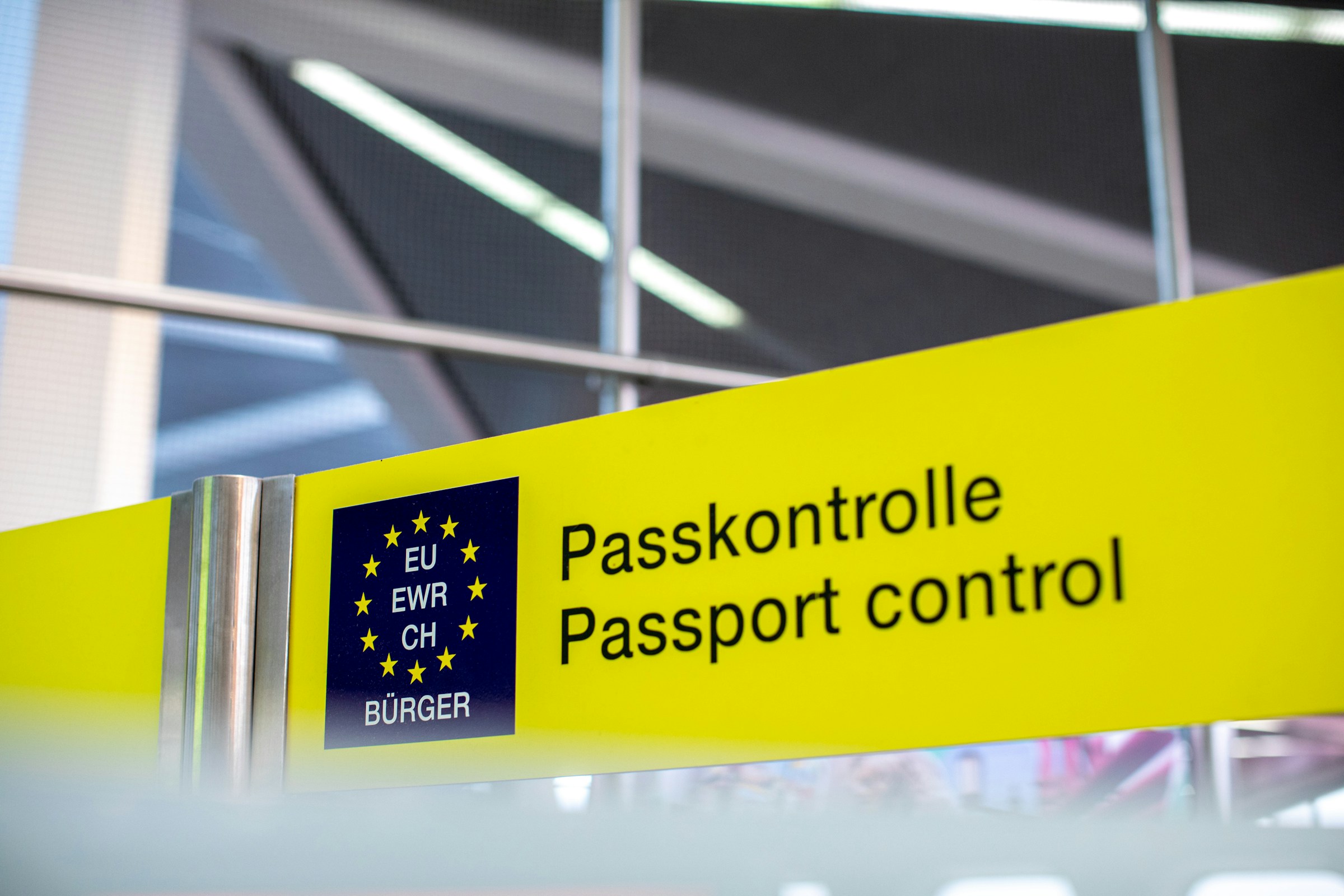
Before a single Ryanair jet ever left Dublin, the legal framework had to be in place to allow it. The European Union’s single aviation market, built progressively through the 1990s, essentially abolished bilateral restrictions between member states, meaning any EU airline could fly any route between any two EU countries. That openness was the spark that eventually lit the continent’s low-cost revolution.
The practical effect of that framework is still visible today. Carriers based in one country operate freely out of airports in another, which is why an Irish budget airline serves routes between Spanish cities, or why a Hungarian carrier flies Poles to Italian beach destinations. Without this legal architecture, the dense point-to-point network that now covers Europe simply could not exist.
The Mega-Hubs Anchoring the Network
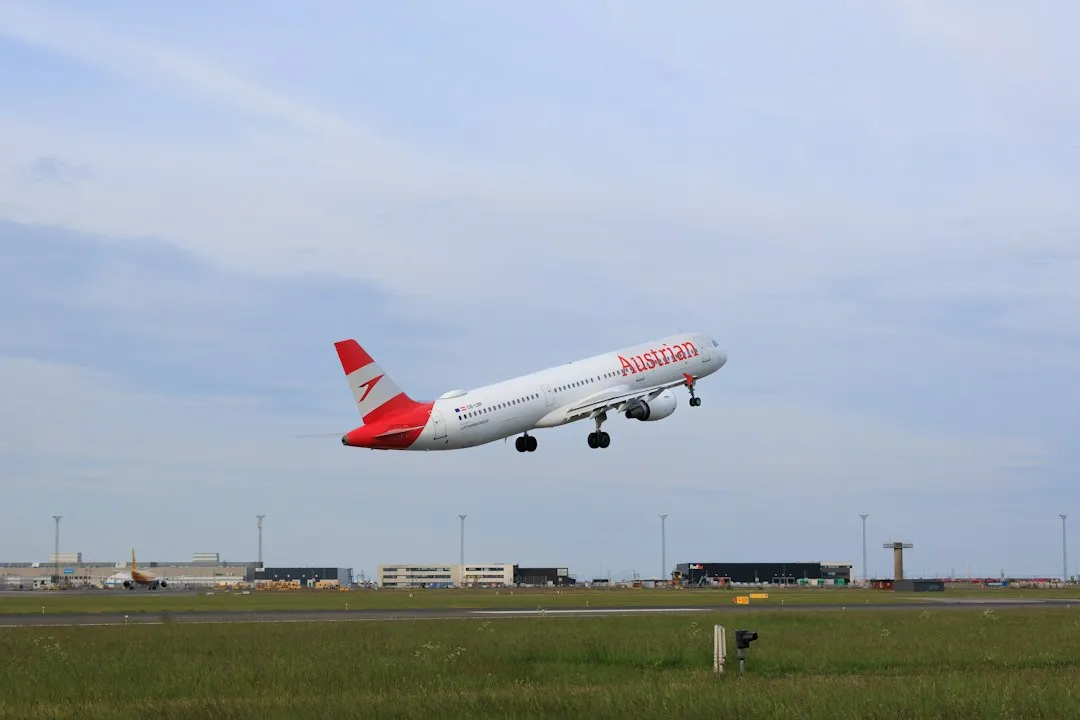
London Heathrow was named the top global megahub in 2025, followed by Istanbul Airport and Amsterdam Schiphol. These aren’t just big airports. They are the load-bearing pillars of European connectivity, the nodes where long-haul routes from outside the continent meet the intricate web of intra-European services.
Istanbul Airport connects to roughly 315 destinations without a change of plane. Counting every airport in a metropolitan area together, London leads with roughly 420 destinations across Heathrow, Gatwick, Stansted, Luton, and City. That scale of reach from a single city is almost incomprehensible when you visualize it as a route map.
Paris Charles de Gaulle and Amsterdam Schiphol both have direct flights to 262 destinations. These numbers shift seasonally, but the overall pattern is consistent: a handful of European airports do an enormous share of the continent’s connectivity work, making them essential reference points for any serious traveler.
Turkish Airlines and the Country-Count Record
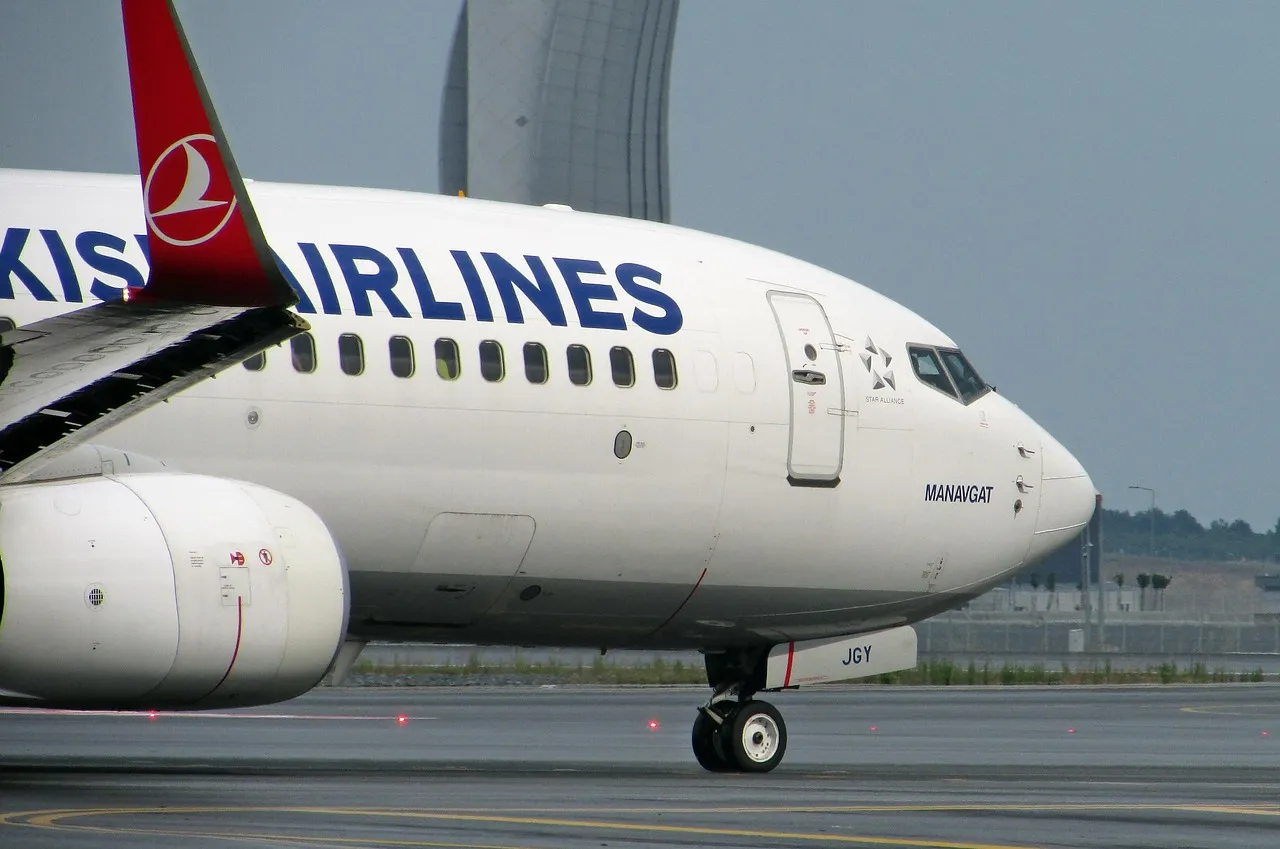
Turkish Airlines holds the Guinness World Record for the most countries flown to by an airline. That single fact says a lot about how Istanbul came to occupy its remarkable position in global aviation. No other carrier on Earth reaches as many sovereign nations with scheduled nonstop service.
Paris and Istanbul tie at around 117 countries each in terms of direct nonstop country reach, ahead of London’s 103. London’s lead in raw destination counts comes from low-cost carriers running dense networks within Europe, while Paris and Istanbul spread further across Africa, Asia, and the Middle East. They’re measuring different things, and both pictures tell a coherent story.
The Low-Cost Carrier Revolution That Changed Everything

Ryanair, easyJet, Wizz Air, and Vueling don’t run hubs in the classic sense. They park aircraft overnight at dozens of airports and fly point-to-point, producing enormous reach within Europe with very little beyond it. That distinction matters a great deal to travelers planning trips between smaller European cities.
Operating over 1,000 routes across more than 35 countries, easyJet connects major cities and popular destinations throughout Europe and North Africa. Wizz Air offers 800 routes from 32 bases in 16 countries and connects nearly 200 destinations across Europe and beyond. Together, these carriers have effectively democratized the ability to move between countries without a connecting flight.
Ryanair is the bigger airline with roughly 233 airports across 95-plus bases, with stronger Western European coverage. Wizz Air is the stronger pick for Central and Eastern Europe, serving Budapest, Warsaw, Bucharest, Sofia, Belgrade, and Tirana. The geographic division of labor between these two carriers means that together they cover ground that neither could cover alone.
How Europe’s Geography Makes It All Work
Size matters here, and it works in Europe’s favor. The continent’s relatively compact geography means that even smaller, narrowbody aircraft like the Boeing 737 or Airbus A320 family can comfortably reach any European capital from any other. There’s no equivalent of the vast Pacific to cross, no range barrier that forces a stop.
The continent looks small on a map compared to the US, which fools people into thinking anywhere is reachable from anywhere. The truth is more nuanced. The network is thick but concentrated. Europe’s flight network is dense but wildly uneven, concentrated into maybe fifteen airports that do most of the work. Smaller airports without a low-cost base or a legacy hub partnership can still feel quite isolated.
The Legacy Carriers and Their Hub Strategy
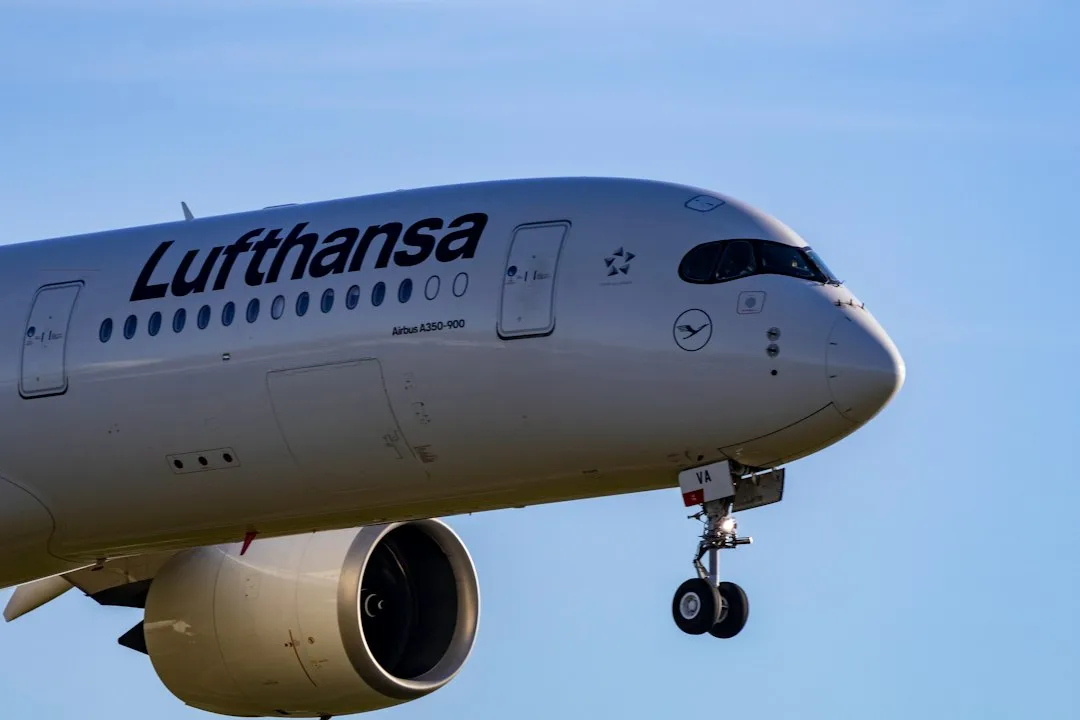
Lufthansa concentrates on Frankfurt and Munich, Air France on Charles de Gaulle, KLM on Schiphol, British Airways on Heathrow, and Turkish Airlines on Istanbul. These carriers deliberately overbuild one airport so that connecting traffic can flow through it, which produces long lists of destinations across several continents.
Rome joined this club recently: after Lufthansa took its stake in ITA Airways to 90 percent in May 2026, Fiumicino became the group’s sixth hub. That move added meaningful depth to Italy’s already well-served route network, giving the country a more robust long-haul platform to build from.
Flight Volume and the Scale of Intra-European Travel

EUROCONTROL, the European air navigation agency, anticipates approximately 11.3 million flights across the European Civil Aviation Conference airspace in 2026, representing a solid 2.7 percent increase over 2025 traffic levels. That figure includes domestic flights, but intra-European international services make up a substantial and growing portion of the total.
In 2024, Spain carried about 260 million passengers, making it the largest market compared to other European countries, while Germany was second with roughly 200 million travelers. Those numbers reflect not just tourism but the steady movement of business travelers, students, and workers across borders that the continent’s open borders have made so habitual.
The Decentralization Trend: Secondary Airports Rising

One of the more telling shifts of the past few years is that growth is increasingly happening away from the legacy hubs. European aviation has entered an era of territorial decentralization. While premier transit hubs including London Heathrow, Amsterdam Schiphol, Frankfurt, Paris Charles de Gaulle, Madrid Barajas, Rome Fiumicino, and Vienna continue to process historic passenger numbers, the continent’s real operational growth has migrated outward.
Facing rigid runway slot caps, environmental flight limits, and elevated airport handling fees at legacy hubs, carriers are directing capacity toward secondary and regional gateways. Ryanair is using its low-cost scale to anchor much of the new capacity, focusing on emerging city-break and sun markets that have rebounded strongly since 2023, adding more than 100 new routes across Europe for summer 2026.
Where Gaps Still Exist

The idea that every country pair in Europe is easily reachable nonstop is close to the truth but not perfectly accurate. Some very small nations and microstates have limited or no scheduled commercial airports. And even between recognized European Union members, certain city pairs still require a connection through a hub if load factors don’t support a dedicated direct service.
Route viability is also seasonal. A direct summer flight from Manchester to a Croatian coastal city may simply not run in January. Flight figures shift with the seasons, and a connection that exists in August may quietly vanish by November. Travelers planning off-season trips to smaller destinations should always verify current schedules rather than assuming year-round availability.
Political and operational disruptions also play a role. Ryanair cancelled all flights to and from the Azores from March 2026, citing excessive airport fees and rising regulatory costs in Portugal, following increases in airport charges and higher air traffic control fees. Even the most ambitious route networks are not immune to commercial reality.
New Routes Keeping the Map Fresh in 2026
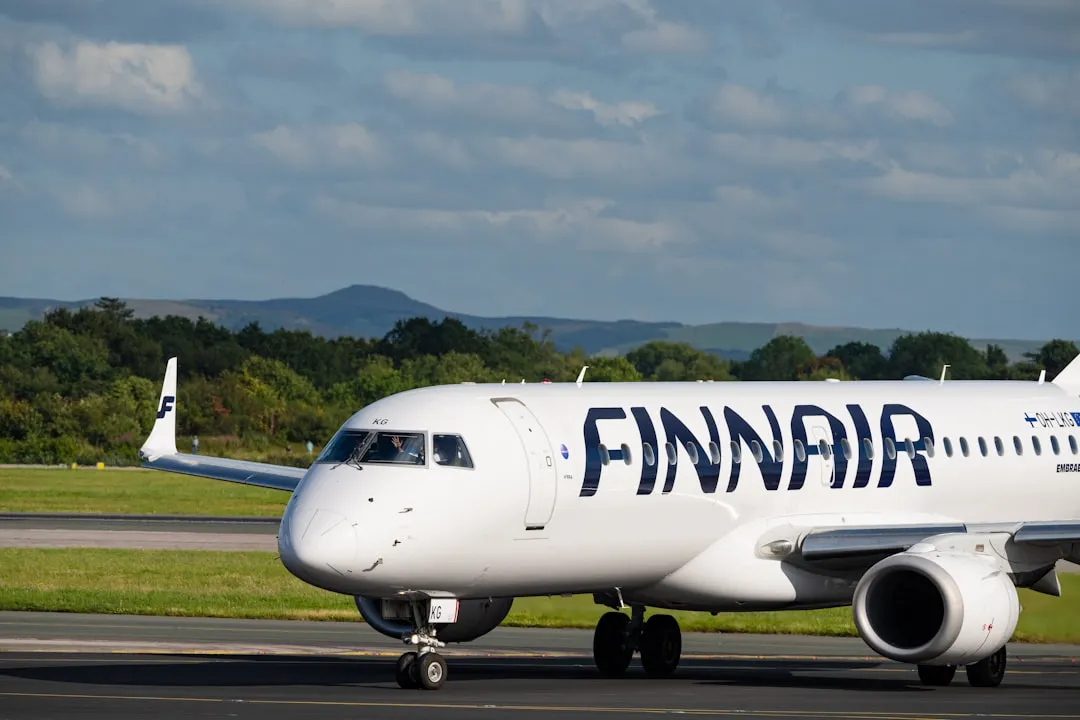
Finnair added 12 European destinations from its Helsinki hub in 2026, including Alta, Catania, Florence, Kos, Valencia, Kuressaare, Luxembourg, Stavanger, Thessaloniki, Tirana, Turin, and Umeå. That kind of expansion from a northern European carrier speaks to the sustained appetite for direct connections to smaller cities that were previously accessible only via a hub transfer.
Europe’s airlines are racing to capture another record leisure season in 2026, with Ryanair joining Lufthansa, easyJet, and Air Albania in a fresh wave of route growth centered on Gdańsk, Tirana, Palma de Mallorca, and Rabat. Spain’s Vueling also commenced daily Seville to London Heathrow flights from March 29, 2026, adding yet another direct link between two countries that already had several.
Final Thoughts
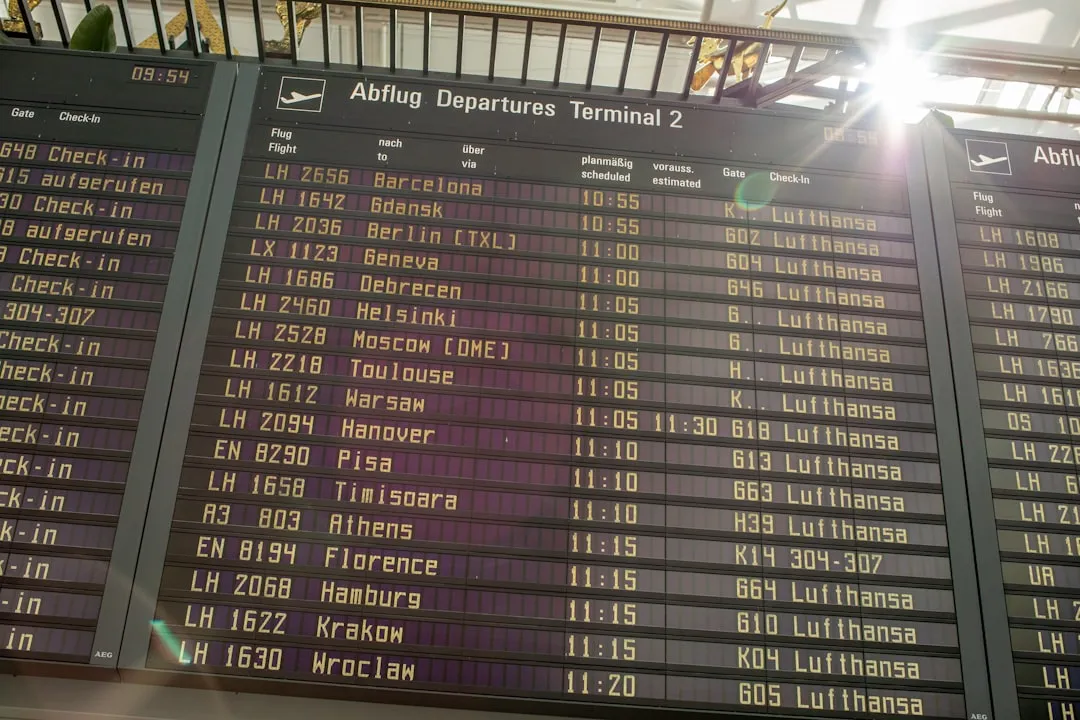
Europe’s ability to connect its nations by air without forcing passengers through a connecting airport is genuinely one of its most underappreciated features. It’s partly geography, partly regulatory wisdom, and partly the outcome of ferocious airline competition that has kept prices low and route counts high. No other continent has achieved quite the same combination.
The network is imperfect, uneven in places, and subject to seasonal and commercial pressures. Gaps exist, and they’re worth knowing about before you book. Still, the overall picture is one of extraordinary reach: a continent where the ambition of traveling between any two nations on a single, uninterrupted flight is, for most city pairs and most of the year, not an aspiration but simply a Tuesday morning departure.
AI Disclaimer: This article was created with the assistance of AI tools and reviewed by a human editor.