


There’s a small but meaningful decision that many thoughtful parents quietly make before every family trip: they agree, together, that chores can wait. Not permanently. Not as a parenting philosophy. Just for the duration of the vacation. It’s one of those unspoken house rules that tends to get passed along at school gates and family gatherings, almost like an open secret among experienced parents.
The idea is simple enough on the surface, but the reasoning behind it is layered. Family vacations are one of the few windows where uninterrupted togetherness is actually possible, and filling that window with the same household friction that defines everyday life can quietly undermine the whole purpose of getting away. What follows is a closer look at why so many smart parents are drawing this line, and what the evidence actually says about it.
What the Chore-Free Rule Actually Means

The chore-free vacation rule isn’t about letting kids off the hook for life or pretending that responsibility doesn’t exist. It’s a deliberate, time-limited pause on the daily household task structure that families maintain at home. Making beds before breakfast, taking out bins, washing dishes on rotation – all of it gets suspended for the length of the trip.
The distinction matters. Parents who use this rule are generally the same parents who rely on consistent chore structures at home. Research shows that one of the best ways to help children become successful is to engage them regularly in chores from an early age. The vacation exception doesn’t contradict that. It frames the trip as genuinely different from everyday life, which is the whole point of going away in the first place.
Why the Science Supports Taking a Real Break

Research shows that family vacations can reduce stress, improve mental health, and foster a sense of unity and connection among family members. That’s not a soft claim. It aligns with how families consistently describe the lasting emotional value of shared trips.
Short getaways can lower cortisol, the stress hormone, and quickly improve mood and energy levels. Simply stepping away from daily pressures helps the brain exit “fight-or-flight” mode. When the same domestic friction that triggers that stress response at home follows a family to a new location, the psychological reset never fully happens. The chore-free rule is, in part, a way of protecting the reset.
The Mental Load Problem Vacations Can Actually Solve
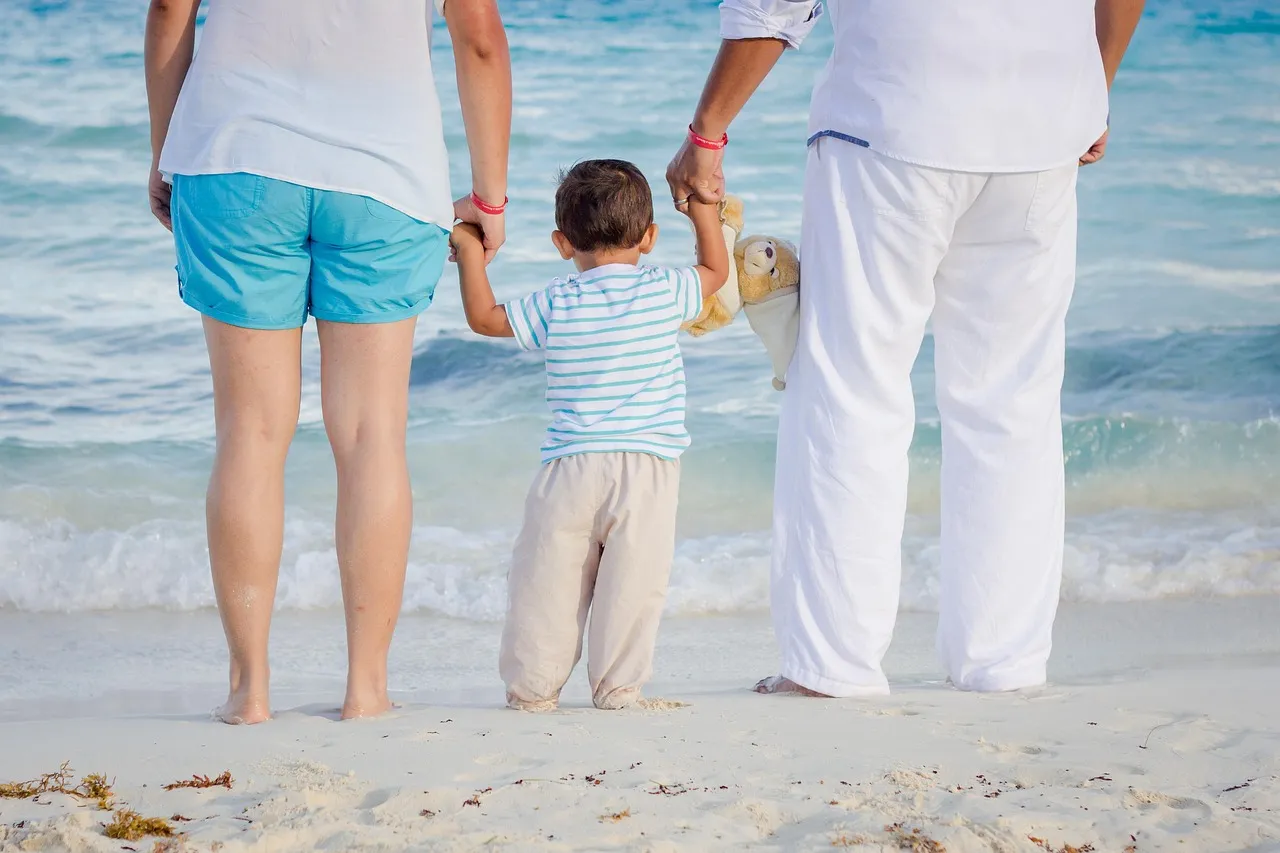
One thing that rarely gets discussed in parenting circles is how much of vacation stress comes from the mental load of managing others. Who cleaned up after breakfast? Why does the hotel room look like this? The chore-free rule sidesteps this entirely by removing the expectation before it can create conflict.
In a screen-dominated, overscheduled world, family travel offers something increasingly rare: uninterrupted time together, shared challenges, and collective joy. That’s not a small thing. Mental health experts have stressed the importance of letting kids be kids, and how unplugged time benefits everyone. Nagging about room tidiness on a beach trip is the opposite of that unplugged ideal.
Chores at Home Build Skills, But Vacations Build Bonds

There’s genuine developmental value in regular household responsibilities. Children who did more chores in kindergarten scored significantly higher in their academic abilities, peer relationships, and overall life satisfaction. That’s a meaningful finding, and it’s exactly why consistent chore routines matter during the school year.
The vacation context is simply different. Somewhere between school pickup, work deadlines, and the endless scroll of notifications, families are rediscovering something simple: getting away together, even for a few days, changes how they relate to one another. It’s not nostalgia talking. The data from 2024 through 2026 shows a genuine surge in family travel, alongside growing evidence that shared trips do real psychological work that daily life rarely allows. Structured responsibilities can resume the moment the luggage is unpacked at home.
Children Thrive When the Tone Shifts
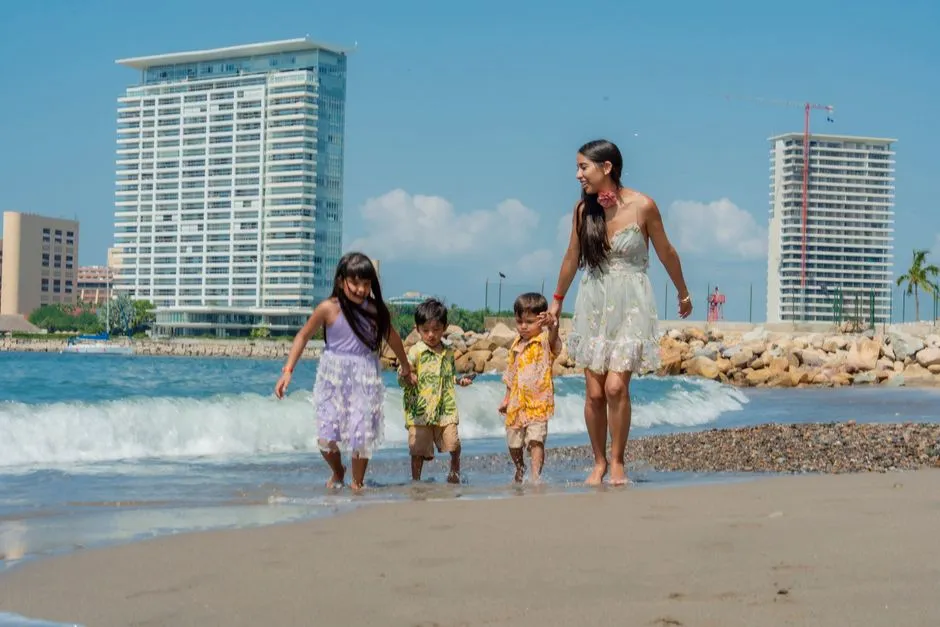
When kids are given responsibility, it fills their need to matter and to belong. They feel part of the family when they can contribute, even in small ways. That’s deeply true in everyday home life. On vacation, however, the contribution looks different. Kids who help navigate a new neighborhood, who choose where the family eats, or who carry their own backpack all day are contributing in their own way.
Family tourism, with its exposure to new geographies, cultures, environments, and modes of transport, helps kids gain confidence. That confidence-building is a form of growth that chore completion at a rental property simply can’t replicate. The vacation is doing its own work, just through different mechanisms.
How Parents Who Use This Rule Actually Communicate It

Smart parents who apply the chore-free rule tend to announce it clearly before departure, not as a free-for-all, but as a purposeful shift. The framing matters. “We’re on vacation together, so let’s just enjoy it” lands very differently than a vague suspension of expectations that nobody explained. Kids pick up on intentionality.
Some parents do keep a few lightweight expectations in place, like everyone tidying their personal space before leaving for the day, or clearing their own plates at meals. These aren’t really chores in the traditional sense; they’re basic courtesy. Developing a habit of responsibility also fosters a healthy work ethic, and kids learn that even though some things aren’t always fun, they still need to get done. The chore-free rule doesn’t erase that lesson. It simply gives it a rest for a week.
What Happens When Chore Culture Follows You on Vacation

Families who don’t make this deliberate pause often report that vacation friction closely mirrors home friction. The same arguments about whose turn it is, the same low-level resentment, the same parental nagging that drains everyone by Tuesday morning. It’s a recognizable pattern. The scenery changes but the dynamic doesn’t.
Parents increasingly describe travel as protective time for their relationships, not just a reward for surviving another school year. That protective quality is hard to preserve when the vacation becomes a moveable version of home management. The chore-free rule is partly about protecting that quality. It’s a conscious decision to let the trip be what a trip is supposed to be.
The Multigenerational Dimension

This rule becomes even more relevant when extended family is part of the picture. Nearly half of all travelers, around 47 percent, are opting for multigenerational trips that bring grandparents, parents, and kids together, a 17 percent surge from 2024, according to Squaremouth’s travel insurance data. More people in the mix means more potential for domestic tension around who’s managing what.
When grandparents, cousins, and aunts are all sharing a villa or a rented house, the chore-free framework becomes a kind of social contract. Nobody arrives expecting to be put to work. The emphasis shifts toward shared meals, shared discoveries, and shared downtime. Those are the experiences that tend to matter most in retrospect.
Returning Home with the Right Mindset
Part of what makes the chore-free vacation rule work long-term is what happens after the trip ends. Smart parents don’t let the suspension drift or blur into ongoing leniency. Chores resume promptly, and kids generally accept that without resistance, partly because the break was clearly framed as temporary.
Chores reinforce structure. During the school year, kids thrive on routine. But in the summer, that structure often disappears. Returning from a vacation with a clear re-entry into household expectations actually makes the transition smoother, not harder. The trip becomes a defined chapter rather than an open-ended escape from reality. By integrating chores into children’s lives from a young age, parents raise confident kids and equip them with the skills they need to navigate the challenges and responsibilities of adulthood. A short vacation pause doesn’t undermine any of that.
The Executive Function Angle Parents Often Miss
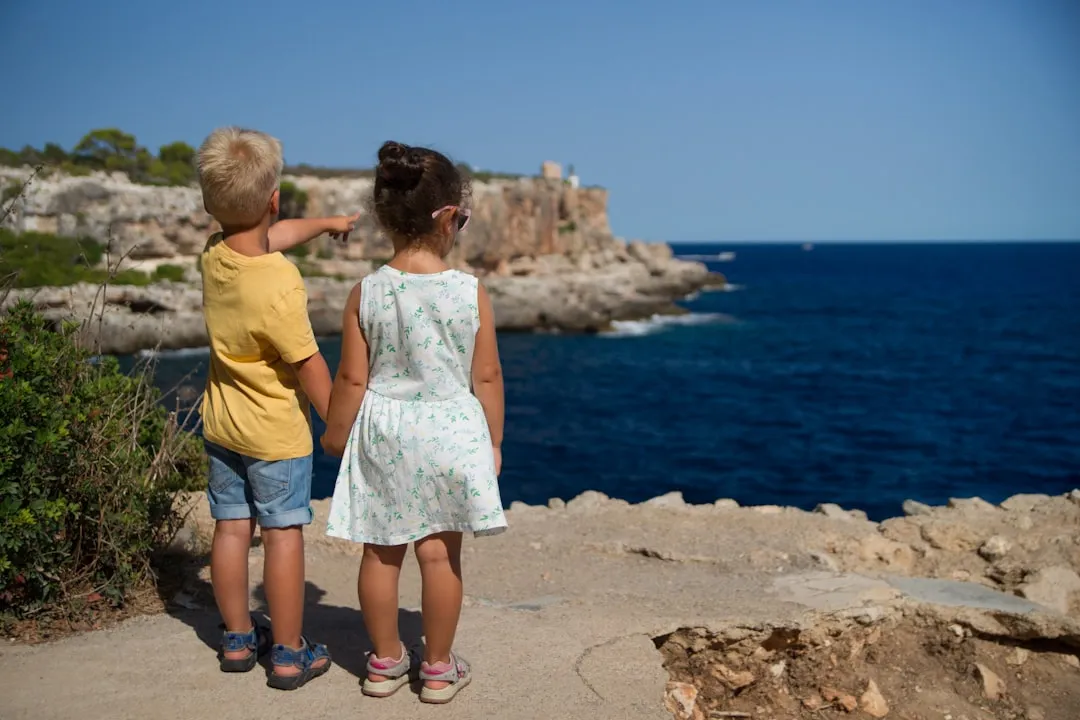
In a study published in the Australian Occupational Therapy Journal, parents and guardians of more than 200 children aged 5 to 13 completed surveys about their children’s participation in household tasks and executive functioning. Children who participated in more household chores had better working memory and better inhibitory control, which is the ability to stop an impulse and make a more appropriate choice. That’s a compelling reason to maintain chore routines at home.
On vacation, though, children are exercising executive functioning in completely different ways. Navigating unfamiliar environments, managing their belongings across multiple locations, adapting to new schedules, and handling unexpected situations all require the same cognitive flexibility that chores develop at home. A 2024 study in the Early Childhood Education Journal found that structured environments with embedded choice produce better executive function development. Vacation travel, with its mix of structure and novelty, fits that description well.
The Takeaway

The chore-free vacation rule isn’t a parenting shortcut or a signal that responsibility doesn’t matter. It’s a considered choice, made by parents who understand the difference between the skills daily life builds and the connection that shared travel creates. Both things are real. Both things are valuable. They just don’t need to happen at the same time.
Vacations are already doing important work on children’s confidence, resilience, and family attachment. Research suggests that vacations make kids happy long after they are over. Protecting that outcome by keeping domestic friction out of the equation is, quietly, one of the smarter parenting moves there is. The dishes will be waiting when you get back. The moment won’t be.
AI Disclaimer: This article was created with the assistance of AI tools and reviewed by a human editor.