
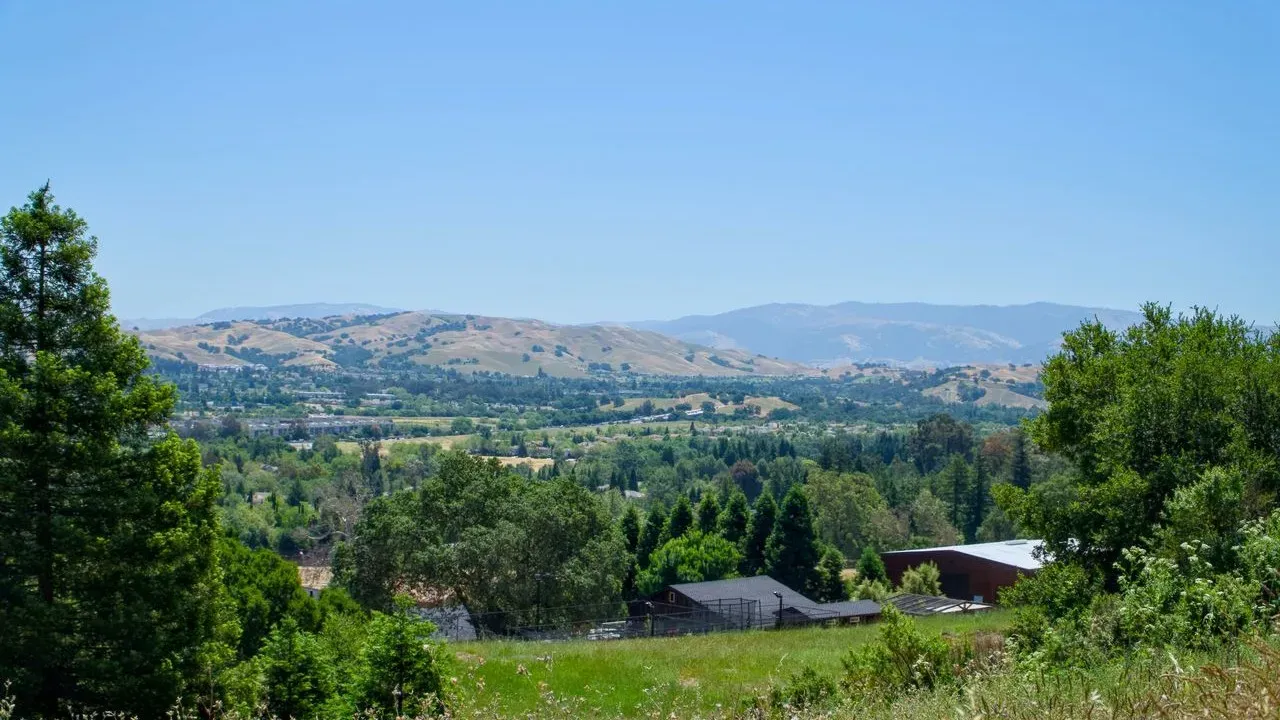

Sonoma County stretches across three distinct landscapes in Northern California: rugged Pacific coastline, towering redwood forests, and fertile valleys dotted with vineyards. Travelers often arrive expecting wine country in its most familiar form, yet the region reveals a slower cadence shaped by small towns, farm-to-table kitchens, and outdoor pursuits that extend well beyond tasting rooms. The area’s more than 400 wineries occupy less than six percent of the land, leaving ample room for redwood groves, coastal trails, and experiences rooted in local foraging and wellness traditions.
Wineries That Invite Exploration Beyond the Glass
Many visitors begin with Sonoma’s vineyards, where more than fifty grape varieties thrive across varied microclimates. Properties such as Paradise Ridge Winery pair tastings with large-scale sculpture gardens that include works once featured at Burning Man, while Korbel Winery offers complimentary champagne flights alongside a delicatessen serving fresh sandwiches on an outdoor patio. Bartholomew Estate Winery sits minutes from downtown Sonoma and adjoins a 375-acre park ideal for unhurried walks after a tasting. ([1])
Further north, Francis Ford Coppola Winery combines its wine list with a restaurant, two swimming pools, and an extensive collection of film memorabilia. Benziger Family Winery stands out for its early adoption of biodynamic practices and offers tram tours through the vines. These settings emphasize hospitality and setting as much as the wines themselves, allowing guests to linger without pressure.
Redwood Groves and Coastal Paths Offer Quiet Renewal
Armstrong Redwoods State Natural Reserve provides flat, shaded trails beneath trees that have stood for centuries, including the Colonel Armstrong Tree, estimated at roughly 1,400 years old. The reserve’s quiet atmosphere suits visitors seeking a measured pace rather than strenuous hikes. Nearby, Sonoma Coast State Park stretches seventeen miles along the shoreline, where Schoolhouse Beach, Wright’s Beach, and Goat Rock Beach draw locals for sunset views over rocky cliffs and rolling surf.
Even on days when coastal fog lingers, the dramatic meeting of land and sea rewards those who arrive prepared with layers and sturdy footwear. Cash is useful for parking fees at several access points, and the park’s multiple trailheads make it easy to combine a short beach walk with time spent among the redwoods on the same day.
Foraging, Forest Bathing, and Traditional Wellness Practices
Guided foraging excursions along the coast near Timber Cove Lodge introduce participants to edible mushrooms, miner’s lettuce, oxalis, and wild berries while stressing safety and local regulations. After gathering, the group returns to the lodge for a tasting that might feature oxalis lemonade or dishes prepared from the morning’s finds. Such outings connect visitors directly to the land in a manner that feels both educational and respectful of seasonal abundance.
At Osmosis Day Spa in Freestone, the cedar enzyme bath – a Japanese practice offered at only a handful of locations in North America – buries participants in a warm mixture of ground cedar and rice bran that promotes circulation and relaxation. The surrounding Zen gardens, designed by founder Michael Stusser after his apprenticeship in Japan, provide a tranquil setting that once served as a junkyard before its thoughtful transformation. Forest bathing sessions led by guides such as those from EcoWisdom combine mindful walking through redwood or coastal environments with a final wine tasting that highlights how terroir expresses itself in the glass.
Practical Considerations for a Thoughtful Visit
Sonoma County’s Mediterranean climate brings mild winters and peak visitation from June through October, when apple season coincides with the best weather. Shoulder months such as May and November often deliver fewer crowds while still allowing access to outdoor activities. A rental car provides flexibility across the county’s spread-out towns, though public transit options including SMART trains and buses from San Francisco exist for those who prefer not to drive.
Many restaurants emphasize ingredients sourced within the county, resulting in seasonal menus that change with the harvest. Packing a rain jacket and waterproof shoes proves useful outside summer, and reservations remain advisable for popular experiences such as balloon flights or spa treatments. The region’s three distinct zones – coast, forest, and valley – reward travelers who allocate time to each rather than concentrating solely on one area.
Ultimately, Sonoma County invites visitors to move at the pace of its landscapes and communities, where a single day might include a quiet redwood stroll, a coastal tasting, and an evening meal prepared from nearby farms. This measured approach reveals the county’s full character without haste.
AI Disclaimer: This article was created with the assistance of AI tools and reviewed by a human editor.