
Somewhere between the overhead bin and the seat belt sign, a quiet anxiety settles into many passengers. The air feels close. The cabin feels sealed. And somewhere in the back of the mind, a familiar worry surfaces: we’re all just breathing each other’s recycled germs, trapped in a metal tube at 35,000 feet. It’s one of travel’s most persistent beliefs, passed around like a cold itself.
The reality is more nuanced, and in some ways more interesting, than the myth suggests. Modern aircraft ventilation is a genuinely sophisticated system, though it’s not without legitimate limitations that researchers and regulators continue to study. Here’s what the evidence actually shows.
The Air Isn’t 100% Recycled – Not Even Close
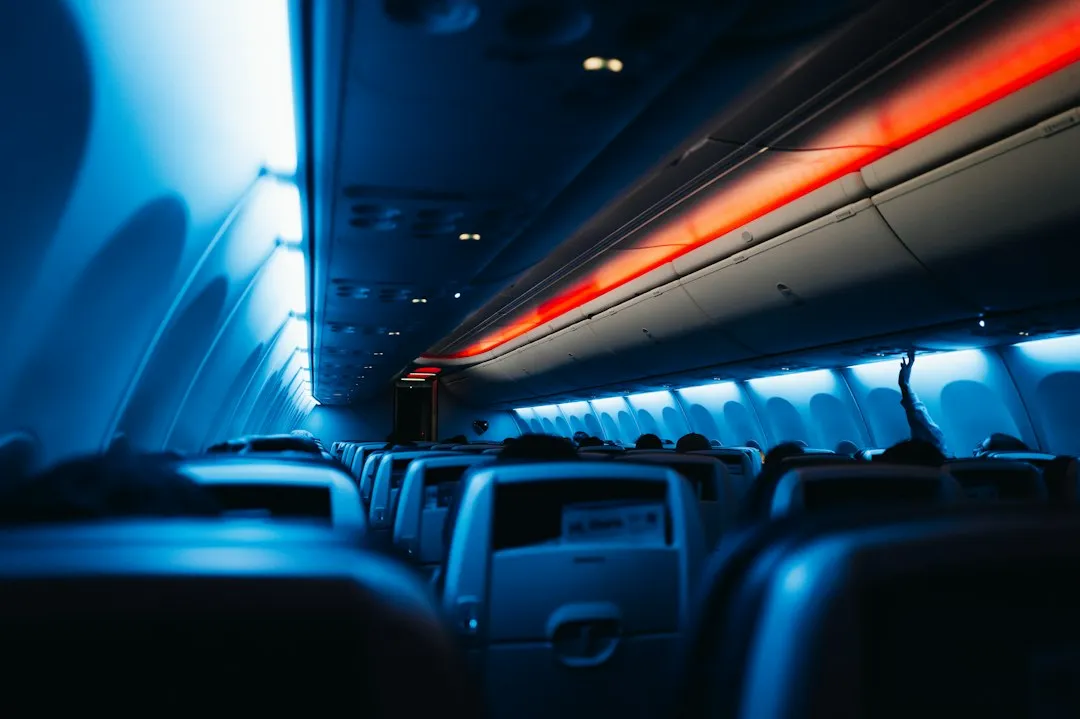
The air on commercial passenger flights is made up of a mix of fresh engine “bleed air,” supplied via a plane’s environmental control system, and recirculated airflow. That’s a crucial distinction. The idea that you’re breathing nothing but stale, endlessly recycled cabin air simply isn’t accurate.
The cabin air system is designed to operate most efficiently by delivering approximately half outside air and half filtered, recirculated air. So at any given moment during a flight, a meaningful portion of what you’re breathing came directly from the atmosphere outside the aircraft.
HEPA Filters Do the Heavy Lifting
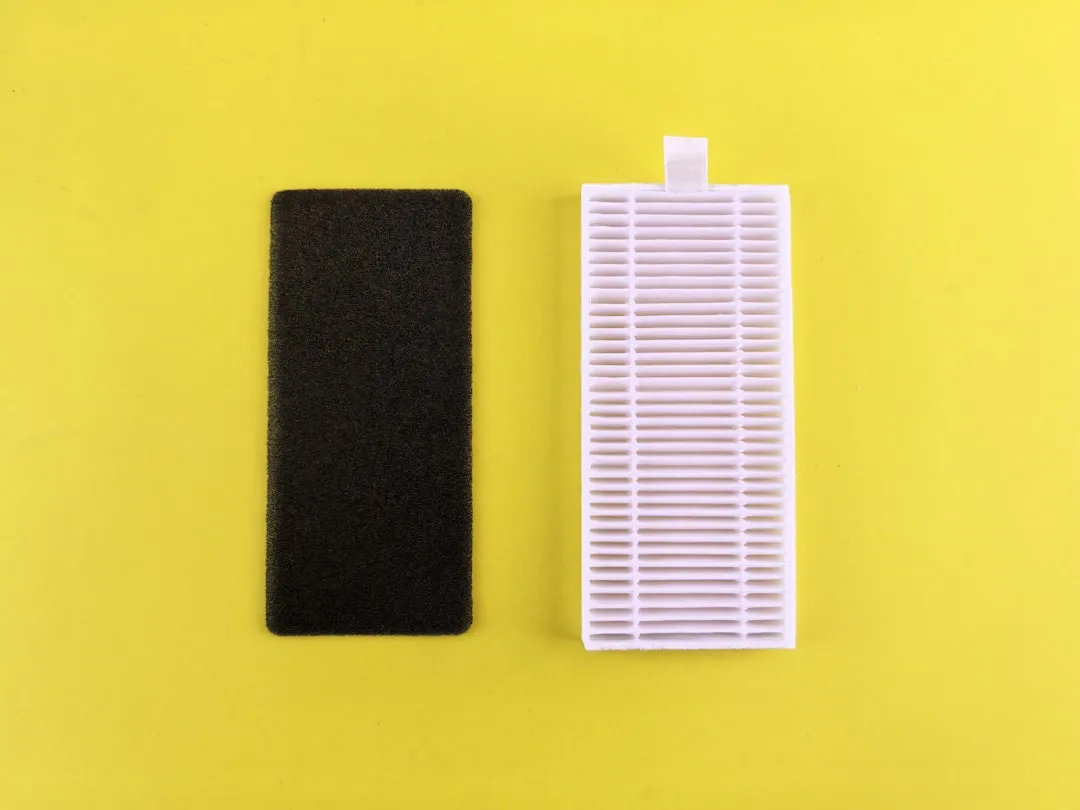
Most U.S. commercial airplanes use High Efficiency Particulate Air (HEPA) filters in the recirculated airflow, which remove roughly 99.97 percent of particulate material. That’s not a marketing number – it’s the same filtration standard used in hospital operating theaters and pharmaceutical clean rooms.
These filters, also used in hospital operating theatres, are very effective at trapping microscopic particles as small as viruses and bacteria, as well as dust, pollen and moisture. The air in an aircraft cabin passes through the HEPA filter and is refreshed about 20 to 30 times per hour. To put that in perspective, most office buildings turn over their air far less frequently.
Virtually all viruses and bacteria are removed; even the most difficult particles in the range of 0.1 to 0.3 micron are filtered out with a high efficiency level. That’s smaller than most known pathogens.
How Fresh Air Gets In: The Bleed Air System
A plane’s jets are already sucking in and compressing huge volumes of air to burn with the aviation fuel. Some of this is diverted for the passengers to breathe. Because the compression heats up the air, it must first be ducted around the wings to be cooled down.
The air already in the cabin is passed through HEPA filters to remove bacteria and viruses and then mixed 50:50 with the fresh air from outside. The excess cabin air is vented through valves to the rear of the plane to keep the cabin pressure constant. It’s a continuous loop, not a sealed chamber.
Not Every Plane Has a HEPA Filter
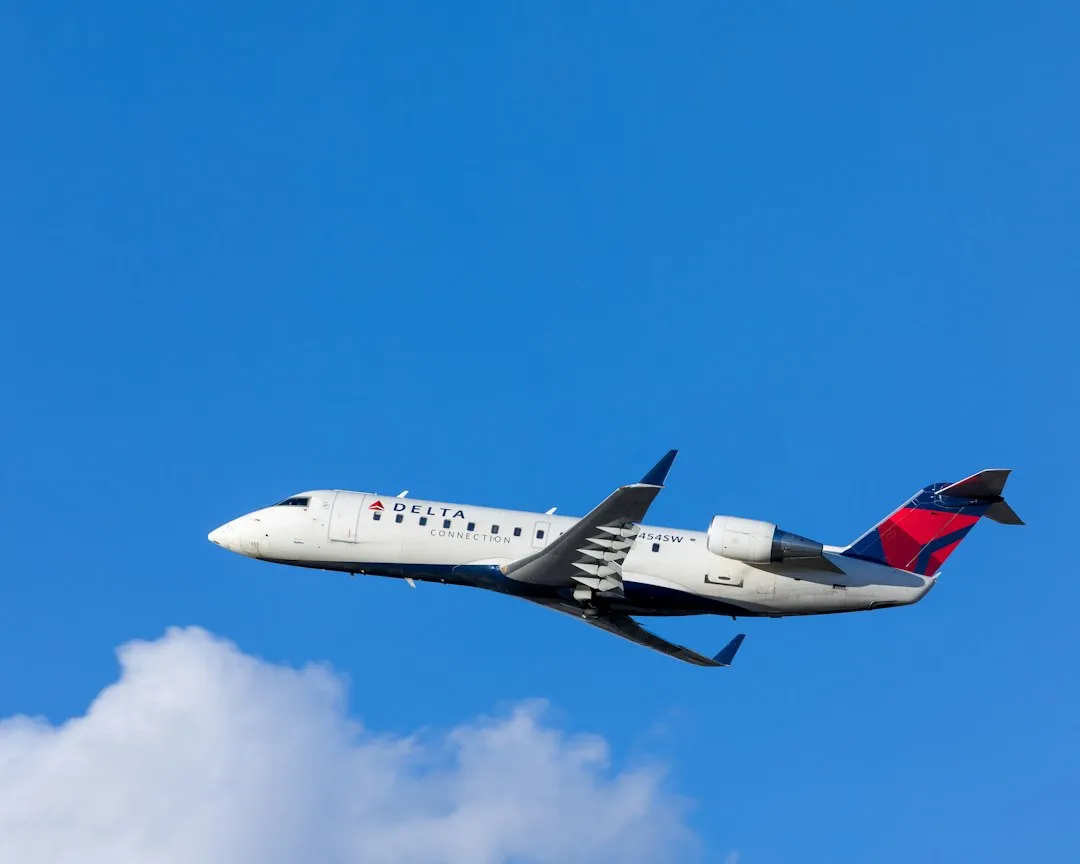
This is where the picture gets a little less reassuring. The World Health Organization says that “most modern aircraft” have these filters, but if you’re on a short regional flight, your plane might not have one.
While nearly all mainline jets in the United States have HEPA filters, there is no federally-approved HEPA filter available for Embraer 140/145 regional jets. A small number of older aircraft types also have filters with lower efficiencies. Passengers who fly frequently on regional routes might want to factor this in.
The Humidity Problem Is Real
Filtration is only part of the story. The dry air inside aircraft cabins is a legitimate and well-documented issue. Tested relative humidity in aircraft cabins ranges from as low as 13.8 percent to 67.0 percent, with an average of about 31.7 percent.
Aircraft cabins are characterized by high occupant density, inability to leave the environment, low relative humidity, and need for pressurization. All of this can produce adverse health effects, such as dry mucus membranes, irritation of eyes, nose, and respiratory tract, dizziness, fatigue, headaches, and sore throat, among others. These symptoms are real, even if the germ-recycling narrative that usually gets blamed for them isn’t entirely accurate.
CO2 Levels Climb as the Cabin Fills
Carbon dioxide in the aircraft cabin is primarily a bioeffluent in that it is released in the exhaled breath of the occupants and is generated by normal metabolism. Unlike bacteria and viruses, CO2 is not filtered by HEPA systems – it requires fresh outside air to be diluted.
The mean in-cabin carbon dioxide concentration in tested flights has been measured at around 1,440 parts per million. Bioeffluents associated with CO2 may be responsible for complaints about odors, stale air, lack of fresh air, and stuffiness – sensations many passengers know well. The stuffy feeling isn’t imaginary, even if the germs filling the air largely aren’t there.
The Bleed Air Contamination Question
Separate from general recycling concerns, there’s a more specific and legitimately unresolved debate about so-called “fume events,” where engine oil or other contaminants occasionally enter the cabin through the bleed air system. In rare instances, mechanical issues such as failures of an engine oil seal or recirculation fan bearings can cause fumes to enter the cabin.
The preliminary findings of EU-funded and industry-supported research announced that mice exposed to heated engine oil decomposition products suffered no health effects. However, a published paper from the University of Washington in Seattle, looking at humans exposed to the same oils, reported health effects after exposures. The science here remains genuinely contested and active.
In September 2025, numerous members of Congress wrote to the FAA urging it to expedite the development of a standardized reporting system for airline employees to report fume or smoke events on board passenger-carrying aircraft. The letter also called for the implementation of certain requirements outlined in the FAA Reauthorization Act of 2024, such as the issuance of recommendations for improving overall cabin air quality.
Regulators Are Taking It Seriously – Finally
A study on cabin air safety was directed in Section 362 of the 2024 FAA Reauthorization Act, with the study commencing not later than three years after the date of enactment of the Cabin Air Safety Act. That’s meaningful regulatory movement, even if it’s overdue from the perspective of many aviation health advocates.
An ad hoc committee of the National Academies of Sciences, Engineering, and Medicine has been formed to conduct a study examining the potential impacts of fume or smoke events on air quality in passenger aircraft cabins. The involvement of the National Academies signals that this is being treated as a genuine public health question, not a fringe concern.
How Airplane Air Compares to Other Indoor Spaces
Here’s where the myth gets the most lopsided. People often assume airplane air is uniquely bad compared to the buildings they spend most of their time in. The FAA itself has assessed this. Studies have shown cabin air is as good as or better than the air found in offices and homes.
The air is generally completely replaced every two to three minutes, far more frequently than in most office buildings. Filtered, recirculated air also provides higher cabin humidity levels and lower particulate levels than systems using 100 percent outside air. By particulate standards, the cabin environment is genuinely controlled.
What You Should Actually Worry About (and What You Shouldn’t)
The evidence points to a clear conclusion: the fear of breathing recycled, pathogen-laden air is largely overblown for passengers on modern mainline jets equipped with functioning HEPA systems. The environmental control systems used in commercial transport category airplanes, when properly operated and maintained, provide an environment that is equivalent to or better than that of other forms of commercial transport.
The more grounded concerns are dryness, cabin pressure changes, and the comparatively rare but real risk of bleed air contamination during fume events. While the health effects of toxic fume events on airplanes are debated, and occurrences are exceedingly rare from the perspective of occupants, the ongoing call for further research and administrative action draws attention to the associated concerns and potential for future regulatory claims. Staying hydrated, choosing mainline aircraft where possible, and understanding that the “stale air” feeling is mostly CO2 and dryness rather than bacteria will serve most travelers better than anxiety.
The Takeaway
Aviation cabin air is not the germ incubator that popular myth makes it out to be. The HEPA filtration systems in place on most commercial aircraft are genuinely impressive, and the air turnover rate eclipses what most people encounter in offices, schools, or homes. The persistent myth survives mostly because the feeling of recycled air – that dryness, that slight stuffiness – is real, even when the underlying fear isn’t entirely warranted.
What does deserve continued attention is the bleed air contamination issue, where research is still evolving and regulatory pressure is growing. That’s a different, more specific concern than the broad recycling myth, and it deserves precise discussion rather than being folded into generalized cabin air panic. The best-informed travelers are the ones who know the difference.
AI Disclaimer: This article was created with the assistance of AI tools and reviewed by a human editor.